

Medically reviewed by Dr. Mo Maghaddasi, Medical Director at Clara Med Spa.
Last updated: August 11, 2026
Hollowing beneath the eyes can make you look tired even after a full night of sleep. For the right candidate, under eye filler can soften this shadowed, sunken appearance and create a more rested, balanced look without surgery. However, the under-eye area is one of the most delicate areas of the face, which is why thoughtful assessment matters as much as the treatment itself.
The goal should never be to erase every line or add obvious volume. Beautiful results come from restoring subtle support where it has been lost, while respecting your natural facial anatomy, skin quality, and expressions.
What Under Eye Filler Can Improve
Under-eye filler is most often used to improve the tear trough, the hollow that can run from the inner corner of the eye toward the upper cheek. This hollow may become more noticeable with age, weight changes, genetics, or natural shifts in facial volume. It can cast a shadow that makes dark circles appear more pronounced, even when pigmentation is not the primary concern.
A carefully selected hyaluronic acid filler may help smooth the transition between the lower eyelid and cheek. Rather than changing the shape of your eyes, it can reduce the contrast between a hollow area and the fuller cheek beneath it. The effect is typically subtle: you may look brighter, less fatigued, and more refreshed.
Filler is not a universal solution for every concern beneath the eyes. It does not reliably correct brown or blue pigmentation, fine crepey texture, significant loose skin, or prominent fat pads. In some cases, adding volume to an already puffy under-eye area can make it look heavier. This is where an experienced provider’s judgment protects both your appearance and your safety.
Who Is a Good Candidate for Under Eye Filler?
The best candidates generally have mild to moderate hollowness beneath the eyes, good skin quality, and minimal under-eye puffiness. They want natural refinement rather than a dramatic change, and they understand that treatment may involve supporting the upper cheek as well as, or instead of, placing product directly in the tear trough.
A consultation should look beyond the under-eye area alone. Cheek volume loss, facial proportions, skin thickness, allergies, fluid retention, and previous filler treatments can all affect the plan. A person whose shadows are caused mainly by pigmentation may be better served by skin-focused treatment. Someone with substantial bags or laxity may need a surgical opinion or another approach rather than filler.
You may be asked to postpone treatment if you are pregnant or breastfeeding, have an active skin infection, are experiencing significant seasonal allergy swelling, or have certain medical conditions. Previous filler in the area is also important to disclose. Old product can remain longer than expected, and treating over it without a clear plan may increase the chance of puffiness or an uneven result.
Why the Under-Eye Area Requires Expertise
The skin under the eyes is thin, and the anatomy in this area is complex. Small changes in placement or product amount can have a visible effect. Too much filler, a filler placed too superficially, or treatment performed on the wrong candidate can create persistent swelling, irregularity, or a bluish cast beneath the skin known as the Tyndall effect.
There are also blood vessels in this region, making injector training, anatomical knowledge, and careful technique essential. Though uncommon, vascular complications are serious and require immediate medical attention. A qualified medical aesthetics provider should discuss these risks openly, use appropriate products and techniques, and have a clear emergency protocol in place.
At Clara Medical Spa, a physician-led consultation helps ensure that the treatment recommendation is based on your facial structure, concerns, and comfort level – not a one-size-fits-all approach. Sometimes the most refined result comes from treating the midface first, improving skin quality, or choosing no filler at all.
What Happens During Treatment?
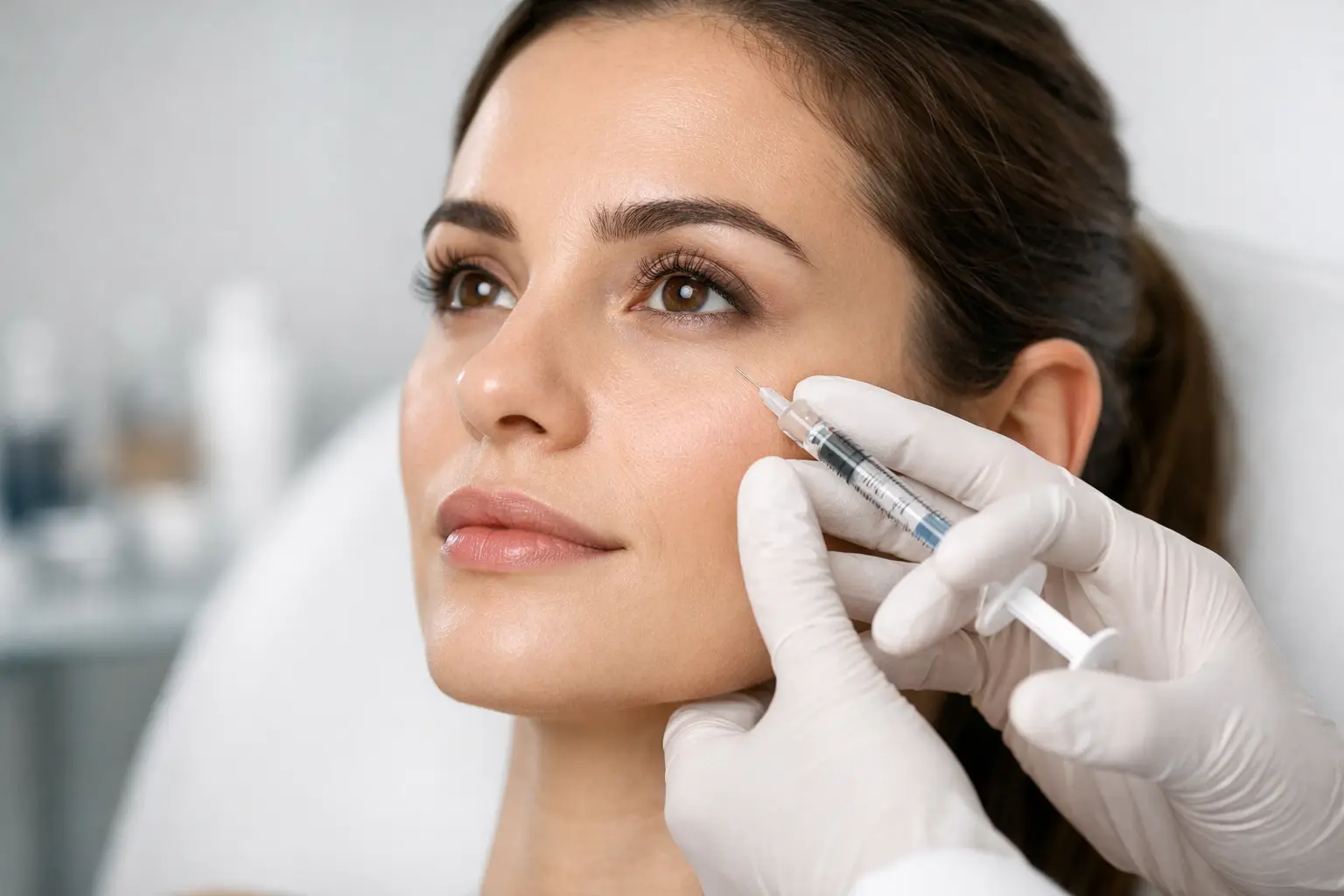
Your appointment begins with an assessment of your under-eye hollows in natural light and from several angles. Your provider may take photographs, review your medical history, discuss medications and supplements, and explain whether filler is appropriate for your concerns. You should feel comfortable asking what product is being used, why it was chosen, and what alternatives may be worth considering.
If you proceed, the area is cleansed and may be treated with topical numbing cream. Depending on your anatomy and the provider’s technique, filler may be placed using a needle, a blunt-tip cannula, or a combination of both. The treatment itself is usually brief, but precision is more important than speed.
A conservative approach is often preferred. Under-eye filler is not a treatment where more product automatically creates a better outcome. In many cases, a small amount placed strategically and reassessed after swelling settles produces the most elegant result. Some patients may need a follow-up visit for a minor adjustment, while others may not need additional product at all.
Under Eye Filler Recovery and Results
Most people return to normal daily activities shortly after treatment. Mild swelling, tenderness, redness, and bruising can occur, particularly in an area with delicate skin. These effects are usually temporary, but bruising may take several days to resolve. Plan ahead if you have an event, photoshoot, or important meeting.
For the first day or two, it is usually wise to avoid strenuous exercise, excess heat, alcohol, and anything that may increase swelling. Follow the aftercare instructions provided by your injector, and avoid pressing or massaging the treated area unless specifically advised. Sleeping with your head slightly elevated can also be helpful for some patients.
Initial results may be visible right away, but the final appearance should be judged after swelling has settled. Hyaluronic acid fillers are temporary, yet longevity varies widely based on product choice, placement, metabolism, and the individual patient. Results may last many months, and sometimes longer, but maintenance should be based on how you look and feel rather than a fixed calendar date.
Risks, Side Effects, and When to Call Your Provider
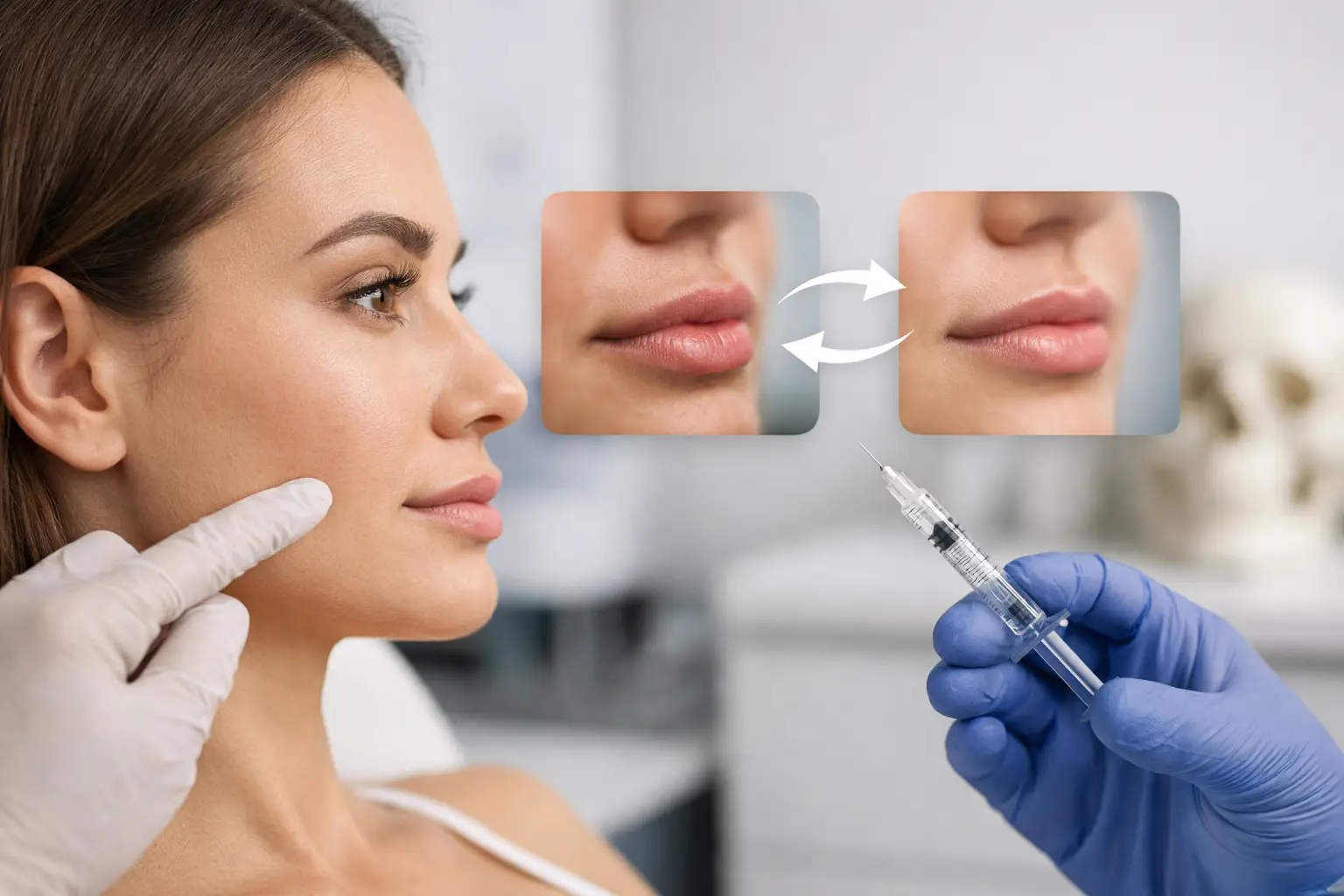
Every injectable treatment has potential side effects. Common temporary effects include swelling, bruising, tenderness, and small areas of asymmetry during the healing period. Less common concerns include prolonged puffiness, lumps, product visibility, or migration. Hyaluronic acid filler has the advantage of being dissolvable when medically appropriate, but dissolution is still a clinical decision that should be managed by a qualified provider.
Contact your provider promptly if you have worsening pain, marked discoloration, unusual blanching of the skin, significant changes in vision, or symptoms that feel concerning. Do not wait to see whether serious symptoms improve on their own. Choosing an experienced medical provider means you have professional support before, during, and after your treatment.
A Refreshed Look Should Still Look Like You
The best under-eye results are often the ones people cannot identify. Friends may simply say you look rested or ask whether you have changed your skincare routine. That is the value of a personalized, conservative plan: it enhances the way your features work together rather than making your face look treated.
If under-eye shadows are affecting your confidence, begin with a consultation that welcomes honest answers. A skilled provider will tell you when filler is a good choice, when another treatment may be better, and when preserving your natural anatomy is the most beautiful decision of all.



[…] Under Eye Filler: Is It Right for Your Face? […]
[…] Under Eye Filler: Is It Right for Your Face? […]