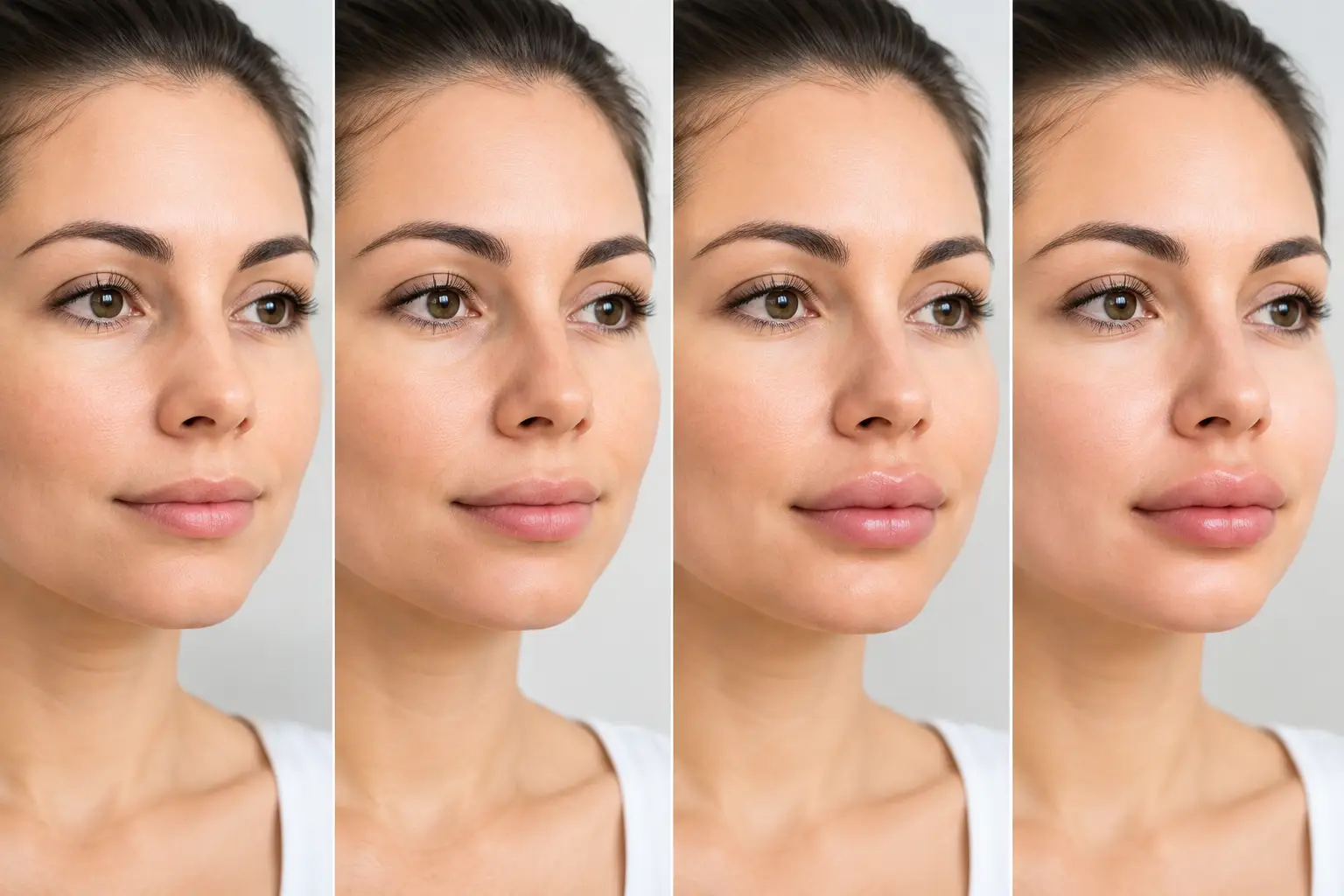

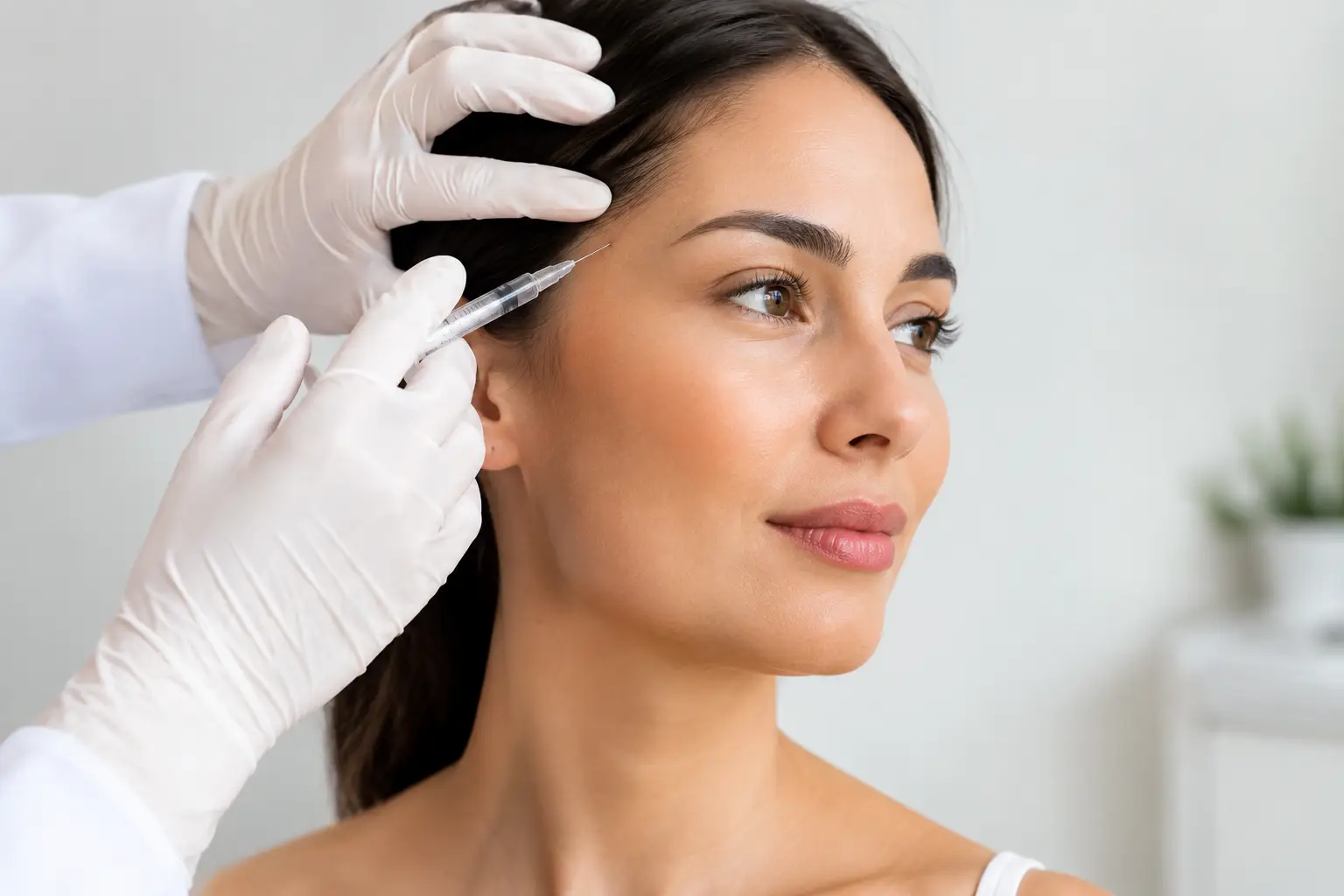
A hollowing at the temples can make the face appear narrower, more tired, or more angular than it once did, even when the cheeks and jawline still look youthful. It is a subtle change, but one that can affect overall facial balance. So, can fillers treat hollow temples? In the right candidate, carefully placed dermal filler can restore gentle volume to this area and create a softer, more refreshed facial contour.
Temple filler is not about making the face look puffy or changing its character. The goal is typically to replace age-related volume loss with precision, supporting the natural transitions between the forehead, brow, cheekbones, and upper face.
Why Temples Become Hollow
The temples are the flat areas at the sides of the forehead, just above and slightly behind the outer corners of the eyes. With time, the fat pads and supportive tissues in this region can diminish. Natural changes in bone structure, collagen, skin quality, body weight, and genetics can all contribute to a more concave appearance.
For some people, temple hollowing begins earlier than expected because it is simply part of their facial anatomy. Others notice it after significant weight loss or as part of broader facial volume loss in their 40s, 50s, and beyond. The change may be more visible in certain lighting, in photographs, or when the hair is pulled back.
Because the temples frame the upper face, restoring volume here can have an unexpectedly balanced effect. A well-treated temple area may make the forehead and cheekbones appear more harmonious without drawing attention to the treatment itself.
Can Fillers Treat Hollow Temples? Yes, With the Right Approach
Dermal fillers can be an effective non-surgical option for hollow temples when the concern is volume loss rather than skin laxity alone. Most temple treatments use a hyaluronic acid filler, a gel-like substance that attracts water and can integrate smoothly into the tissue when selected and placed properly.
The exact filler, amount, injection depth, and technique should never be one-size-fits-all. Some clients need only a conservative amount for subtle smoothing. Others have more pronounced hollowing and may benefit from treatment over more than one appointment. A skilled injector assesses both temples as part of the entire face, not as isolated indentations to be filled.
This broader view matters. Adding volume to the temples without considering the forehead, brows, cheeks, and jawline can produce an imbalanced result. At Clara Medical Spa, treatment planning is guided by facial proportions, skin quality, medical history, and the level of change a client wants to see.
What Results Can Look Like
The most elegant temple filler results are usually the least obvious. Rather than looking “filled,” the upper face can appear smoother, less skeletal, and more proportionate. Clients may notice that their face looks less drawn or that their cheekbones appear more naturally supported.
Results are often visible immediately, although mild swelling can temporarily affect the appearance during the first few days. Hyaluronic acid filler may last anywhere from several months to well over a year, depending on the product used, individual metabolism, the amount placed, and the treatment technique. Maintenance can help preserve the result, but the right timing is personal rather than automatic.
Why Temple Filler Requires Advanced Expertise
The temple is one of the most technically sensitive areas of the face. It contains important blood vessels and complex anatomical layers, which is why this treatment should be performed only by a properly trained, experienced medical injector with a detailed understanding of facial anatomy.
A low price, a quick appointment, or an aggressive volume promise should never be the deciding factor for temple filler. Safe treatment depends on careful assessment, appropriate product selection, sterile technique, conservative placement, and a provider who knows how to recognize and manage complications.
Before treatment, your provider should discuss your aesthetic goals, allergies, medications, previous filler history, and relevant medical conditions. They should also explain realistic outcomes and review potential side effects. Temporary tenderness, swelling, redness, bruising, and mild asymmetry are possible. More serious vascular complications are rare but require immediate medical attention, which is another reason provider expertise is essential.
What Happens During a Temple Filler Appointment
A temple filler appointment begins with an in-depth consultation and facial assessment. Your injector may take photos, evaluate your profile and facial movement, and discuss whether temple treatment alone will best serve your goals. In some cases, a more balanced result comes from combining temple restoration with subtle cheek filler, chin enhancement, or skin rejuvenation.
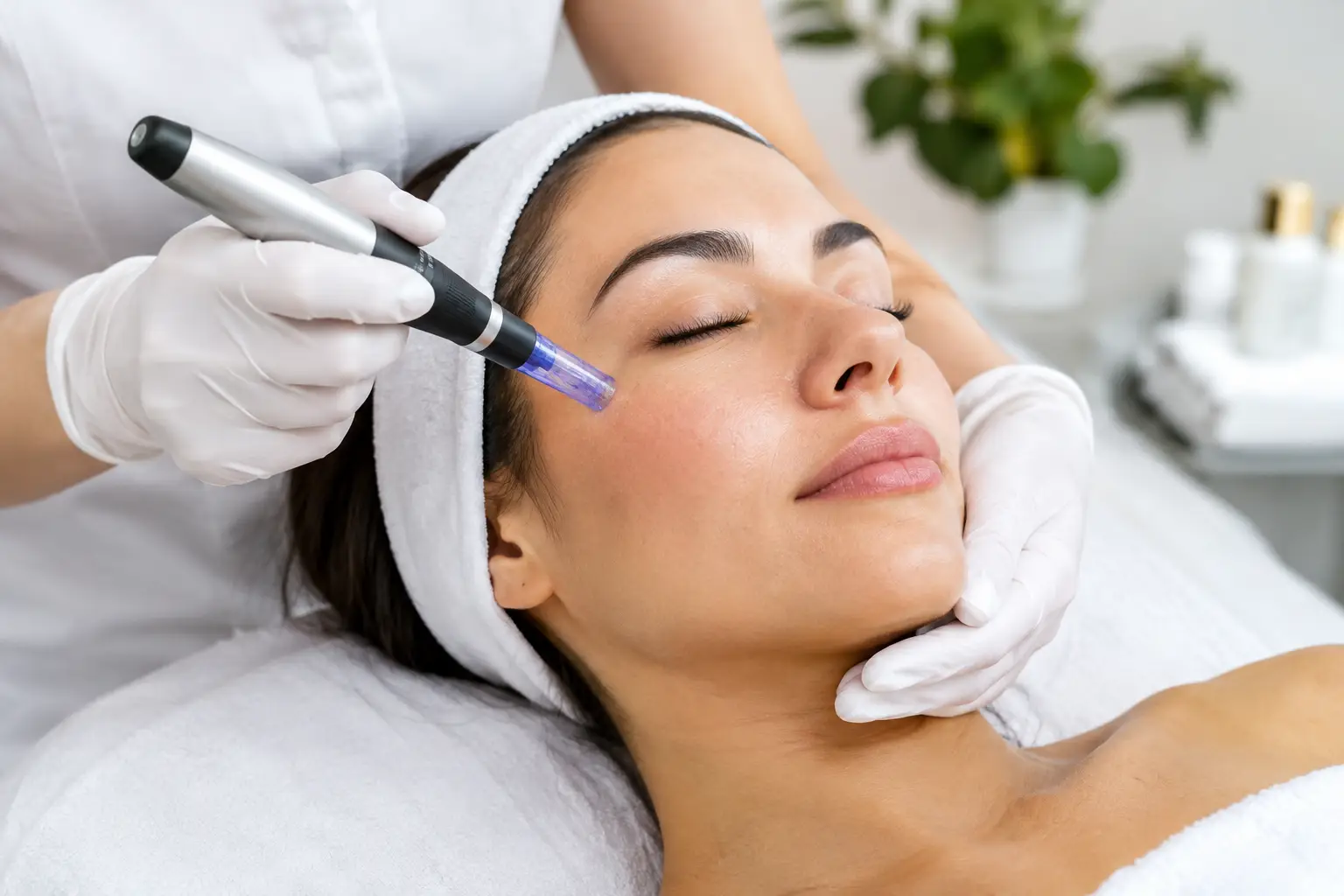
The skin is cleansed, and a topical numbing agent may be used when appropriate. Depending on the treatment plan, filler may be placed with a needle, a blunt-tip cannula, or a combination of techniques. A cannula can allow an experienced injector to distribute product through fewer entry points, though the best approach depends on the individual anatomy and treatment strategy.
Most appointments are relatively efficient, but this is not an area that should feel rushed. Your provider will assess symmetry throughout the treatment and may intentionally build volume gradually. The philosophy is simple: it is easier to add a little more later than to reverse an overfilled look.
Recovery and Aftercare
Most people return to normal daily activities shortly after temple filler, although a few days of mild swelling or bruising are possible. Avoid pressing firmly on the area unless instructed otherwise. It is also wise to postpone strenuous exercise, significant heat exposure, alcohol, and facial massage for the period recommended by your provider.
If you develop severe or increasing pain, unusual skin discoloration, vision changes, or symptoms that concern you after any injectable treatment, contact your provider immediately and seek urgent medical care. Clear aftercare guidance and accessible clinical support are part of a responsible aesthetic experience.
Who May Be a Good Candidate for Temple Filler?
Adults with visible temple depression, upper-face volume loss, or a naturally narrow facial contour may be good candidates if they are healthy and have realistic expectations. Temple filler can be especially appealing for clients who want a meaningful refresh without surgery or extended downtime.
However, filler is not ideal for every concern. If loose skin, significant sun damage, deep forehead lines, or overall facial laxity is the main issue, a customized plan may include other options such as neuromodulators, RF skin tightening, laser treatments, or collagen-stimulating procedures. The best treatment addresses the reason behind the concern, not just what is visible in one mirror angle.
People who are pregnant or breastfeeding, have an active skin infection near the treatment area, or have certain medical conditions may need to postpone or avoid injectable treatment. A private consultation is the appropriate setting to review these details.
Natural Results Start With Restraint
Temple filler can be transformative in a quiet, refined way. Yet more filler is not always better. Overcorrection can flatten the natural temple contour or create fullness that does not match the rest of the face. A measured approach, with reassessment after swelling settles, tends to produce the most believable results.
The ideal outcome is not a different face. It is a face that looks rested, supported, and still entirely your own. If temple hollowing has begun to make you look more fatigued than you feel, a physician-led consultation can help you understand whether filler is the right next step and how to approach it with confidence.