
Joseph Ahmadi
Medically reviewed by Dr. Mo Maghaddasi, Medical Director at Clara Med Spa.
Last updated: August 11, 2026
A mirror usually gives the first clue. Maybe it is a line across the forehead that stays even when your face is at rest. Maybe it is flatter cheeks, softer lips, or under-eye hollowness that makes you look more tired than you feel. When people compare botox vs dermal fillers, they are often trying to solve very different concerns with treatments that are frequently grouped together.
At Clara Medical Spa in Thornhill, we offer Botox, Dysport, Xeomin, and Letybo to clients from Thornhill, Vaughan, Richmond Hill, and across the GTA, so you can compare Botox with dermal fillers for your concerns.
That is where clarity matters. Botox and fillers are both injectables, but they work in completely different ways. One relaxes targeted muscles that create expression lines. The other restores volume, improves contour, and softens deeper folds or hollow areas. The right choice depends less on what is trending and more on what your face is actually asking for.
Botox vs Dermal Fillers: The Core Difference
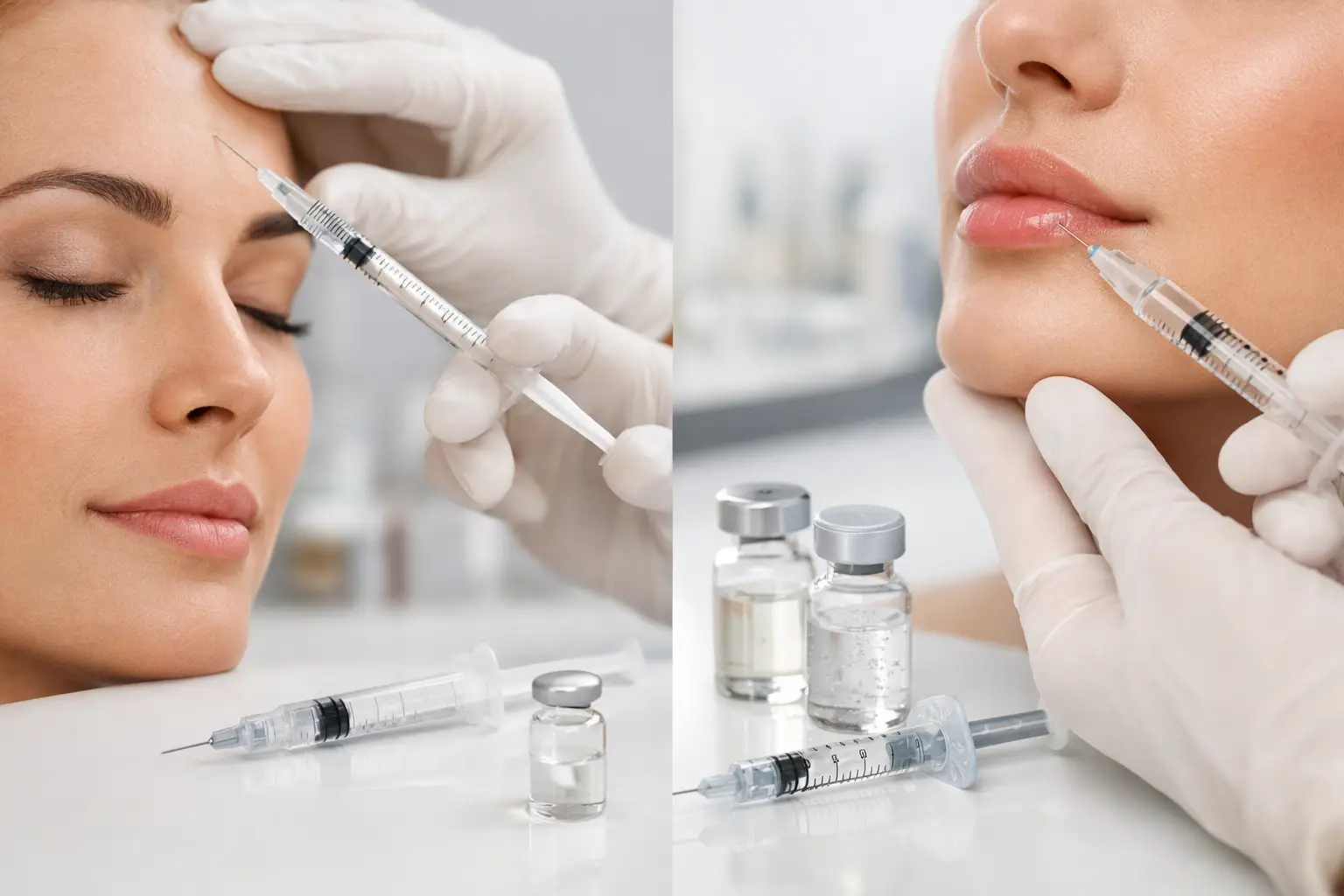
Botox is designed to reduce movement in specific facial muscles. When those muscles contract less strongly, the skin above them smooths out. This makes Botox especially effective for dynamic wrinkles, which are the lines caused by repeated expressions like frowning, squinting, or raising the brows.
Dermal fillers do something else entirely. They add support beneath the skin. In many cases, that means restoring volume lost with age, refining facial balance, or enhancing areas that naturally lack definition. Fillers are often used in the cheeks, lips, jawline, chin, and around the mouth.
If you are deciding between the two, the simplest way to think about it is this: Botox treats movement-related lines, while dermal fillers treat volume loss and contour concerns. Some clients need one. Many benefit from a thoughtful combination of both.
When Botox Makes More Sense
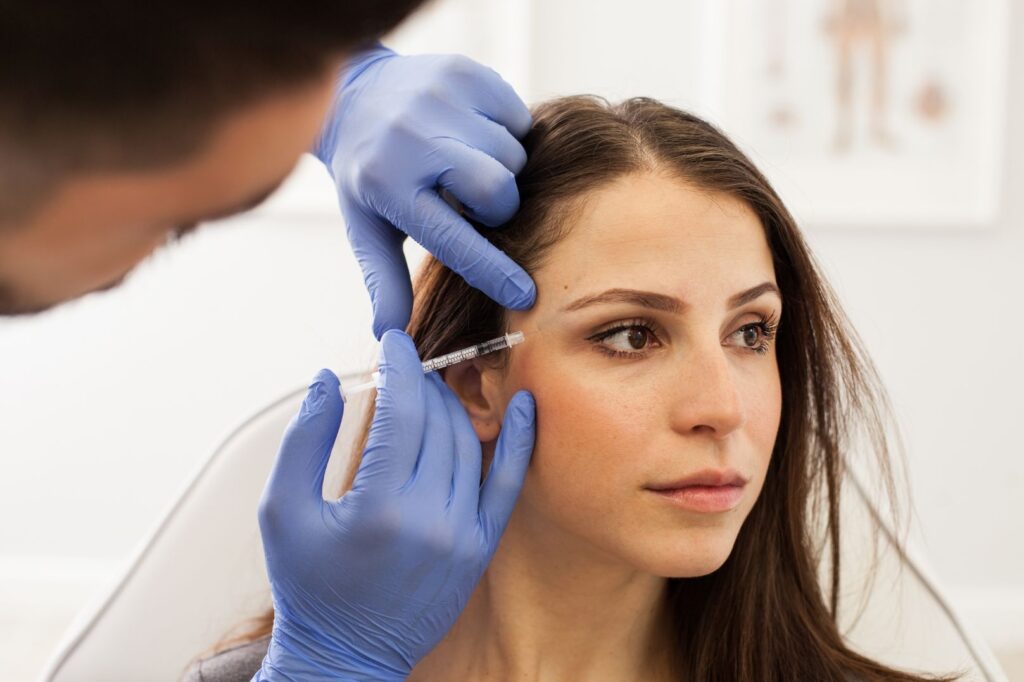
Botox is often the better option when the issue is muscle activity rather than missing volume. Forehead lines, frown lines between the brows, and crow’s feet are common examples. These areas crease because the face moves constantly, and over time those repeated movements leave lines that linger longer.
For clients in their late 20s and 30s, Botox is also commonly chosen as an early preventive treatment. That does not mean freezing the face or changing how you look. In experienced hands, the goal is to soften strong muscle pull while preserving natural expression. You still look like yourself, just more refreshed.
Botox treatments are relatively quick, and results usually begin to appear within several days, with full effect visible in about two weeks. The outcome is temporary, typically lasting around three to four months, although this varies based on the treatment area, dosage, and individual muscle strength.
There are limits, though. Botox will not replace lost cheek volume, sharpen the jawline, or fill in under-eye hollowness. If the concern is structure rather than expression, filler is usually the more appropriate tool.
When Dermal Fillers Are the Better Fit
Dermal fillers are well suited for features that need support, shape, or softness. With age, facial fat pads shift, collagen declines, and bone structure subtly changes. This can create flattening through the mid-face, hollowness under the eyes, deeper nasolabial folds, thinner lips, or less definition through the chin and jawline.
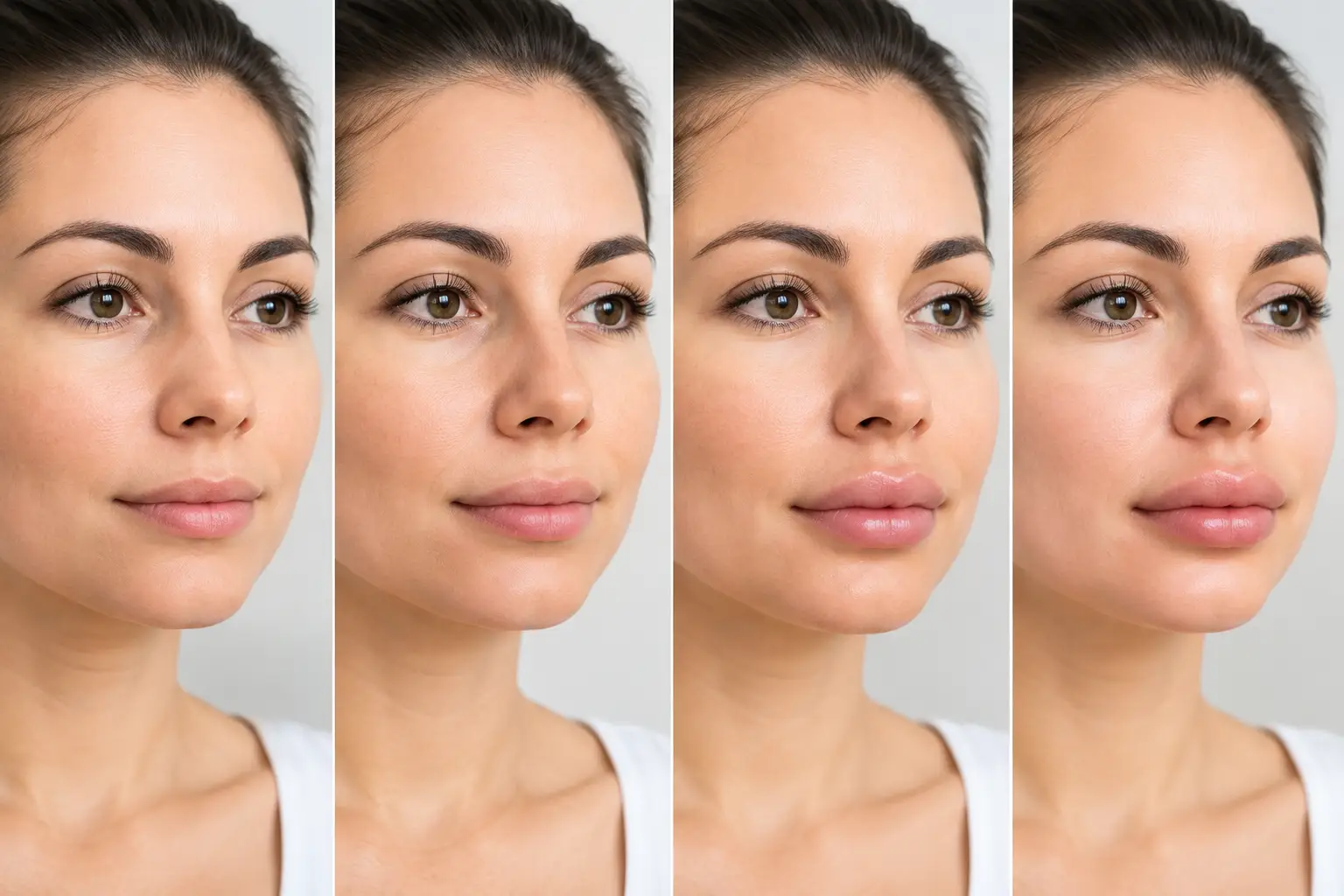
Filler can restore what has been lost or refine what was always there. In the cheeks, it can bring back lift and youthful contour. In the lips, it can improve shape and hydration while keeping the result elegant and balanced. Along the jawline or chin, it can create more definition and proportion.
Results are usually visible right away, though there may be some early swelling. Depending on the product used and the area treated, dermal fillers can last anywhere from several months to well over a year. Longevity varies, and more product does not always mean a better result. Precision matters more than volume.
This is where treatment planning becomes especially important. A natural-looking filler result depends on facial anatomy, injector technique, and restraint. The goal should never be to chase trends or overfill the face. It should be to restore harmony.
Botox vs Dermal Fillers for Common Concerns
For forehead lines and crow’s feet, Botox is usually the first choice. These are movement-driven wrinkles, so relaxing the responsible muscles tends to produce the most effective improvement.
For smile lines around the mouth, the answer depends. If those lines are caused mainly by volume loss and skin support changes, filler may help. If muscle movement is also contributing, the treatment plan may need a more customized approach.
For lip enhancement, filler is the standard option. Botox does not add volume to the lips, though in select cases a small lip flip can subtly relax the upper lip to change how it sits.
For a tired or hollow under-eye appearance, filler may be considered, but not everyone is a candidate. This area requires advanced assessment because swelling, skin thickness, and anatomy all matter.
For a heavy frown or tense expression between the brows, Botox is often ideal. It can soften the area and create a more rested, approachable appearance without making the face look unnatural.
Can You Get Both?
Yes, and many of the most refined results come from using both treatments strategically rather than relying too heavily on one. A face rarely ages in just one way. Expression lines, collagen loss, shifting volume, and skin quality changes can all happen at once.
Someone might use Botox to soften frown lines and forehead movement while using filler to restore cheek structure or define the chin. Another client may need Botox around the eyes but no filler at all. The best treatment plan is not built around a product. It is built around your facial anatomy, your goals, and how subtle or noticeable you want the change to be.
This is also why consultation matters. A physician-led or medically supervised assessment can help distinguish what is truly causing a concern. A line is not always a filler problem. Hollowness is not always solved by Botox. Good aesthetic medicine starts with the right diagnosis.
What About Safety and Downtime?
Both Botox and dermal fillers are widely used, but neither should be treated casually. They are medical treatments, not beauty shortcuts. Safety depends on product quality, injector experience, sterile technique, and a detailed understanding of facial anatomy.
Botox usually has minimal downtime. Small bumps or redness at the injection points often settle quickly. Fillers may involve a bit more recovery, especially in areas prone to swelling or bruising such as the lips. Most clients return to normal activity quickly, but timing can matter if you have a big event coming up.
The more important point is this: the injector matters as much as the injectable. Natural results are not accidental. They come from precise product selection, conservative dosing, and the judgment to say no when a treatment is not the best fit.
How to Decide What You Need
If your main concern is lines that appear when you make expressions, Botox may be the better place to start. If your concern is facial hollowness, loss of contour, or features that feel less defined than they used to, dermal fillers may be more appropriate.
If you are not sure, that is completely normal. Most people do not walk into a consultation knowing exactly which product they need. They simply know they want to look fresher, softer, or more rested. An experienced provider can translate that goal into a treatment plan that makes sense.
At Clara Medical Spa, that process is centered on personalized assessment and natural-looking results. For some clients, less is more. For others, a combined approach creates the most elegant outcome. Either way, the best injectable treatment is the one that respects your features rather than trying to change them.
A polished result should never look obvious. It should look like you slept well, feel confident, and still recognize yourself every time you catch your reflection.
Explore our Botox in Thornhill and anti-wrinkle injection services, or see the price list.
Frequently Asked Questions
Where can I get Botox in Thornhill?
Clara Medical Spa is located at 1 Promenade Cir in Thornhill, inside the Promenade Shopping Centre, and treats clients from Thornhill, Vaughan, Richmond Hill, and the greater Toronto area.
How much does Botox cost at Clara Medical Spa?
Neuromodulators are priced per unit, from $7–$8 per unit depending on the brand. Your injector will estimate the units you need at a free consultation.
What is the difference between Botox and dermal fillers?
Botox relaxes muscles to soften expression lines, while dermal fillers add volume or contour. They treat different concerns and are often combined.
Can I have Botox and filler in the same visit?
Often, yes. Your injector will plan the sequence at your consultation.
Related treatments & reading

[…] do not replace lost facial volume, lift significant skin laxity, or erase every static wrinkle on their own. For example, a deep fold […]
[…] Neither treatment is a filler. If a wrinkle remains visible even when your face is completely relaxed, it may be a static line caused by skin aging, sun exposure, volume loss, or repeated movement over time. A neuromodulator may still improve it, but it may not erase the line entirely. Depending on your goals, a personalized plan may also include medical-grade skincare, microneedling, laser-based rejuvenation, a peel, or carefully selected dermal filler. […]
[…] tightening may be paired with microneedling to address both deeper firmness and surface texture. Injectable treatments can sometimes complement skin tightening when volume loss is contributing to a tired or […]