
Fine lines that look more noticeable in overhead lighting, acne scars that resist makeup, and a complexion that has lost its smooth, rested appearance often lead patients to the same question: can a treatment improve skin quality without changing the face? This microneedling with exosomes review offers a clear look at what the treatment may do, what it cannot promise, and how to decide whether it deserves a place in your skin plan.
Microneedling has long been valued for encouraging the skin’s natural renewal process. Adding a professional exosome serum is intended to support recovery and enhance the treatment experience. For the right patient, the appeal is simple: healthier-looking, smoother, more luminous skin with little disruption to daily life. The details, however, matter greatly.
What Microneedling With Exosomes Is Designed to Do
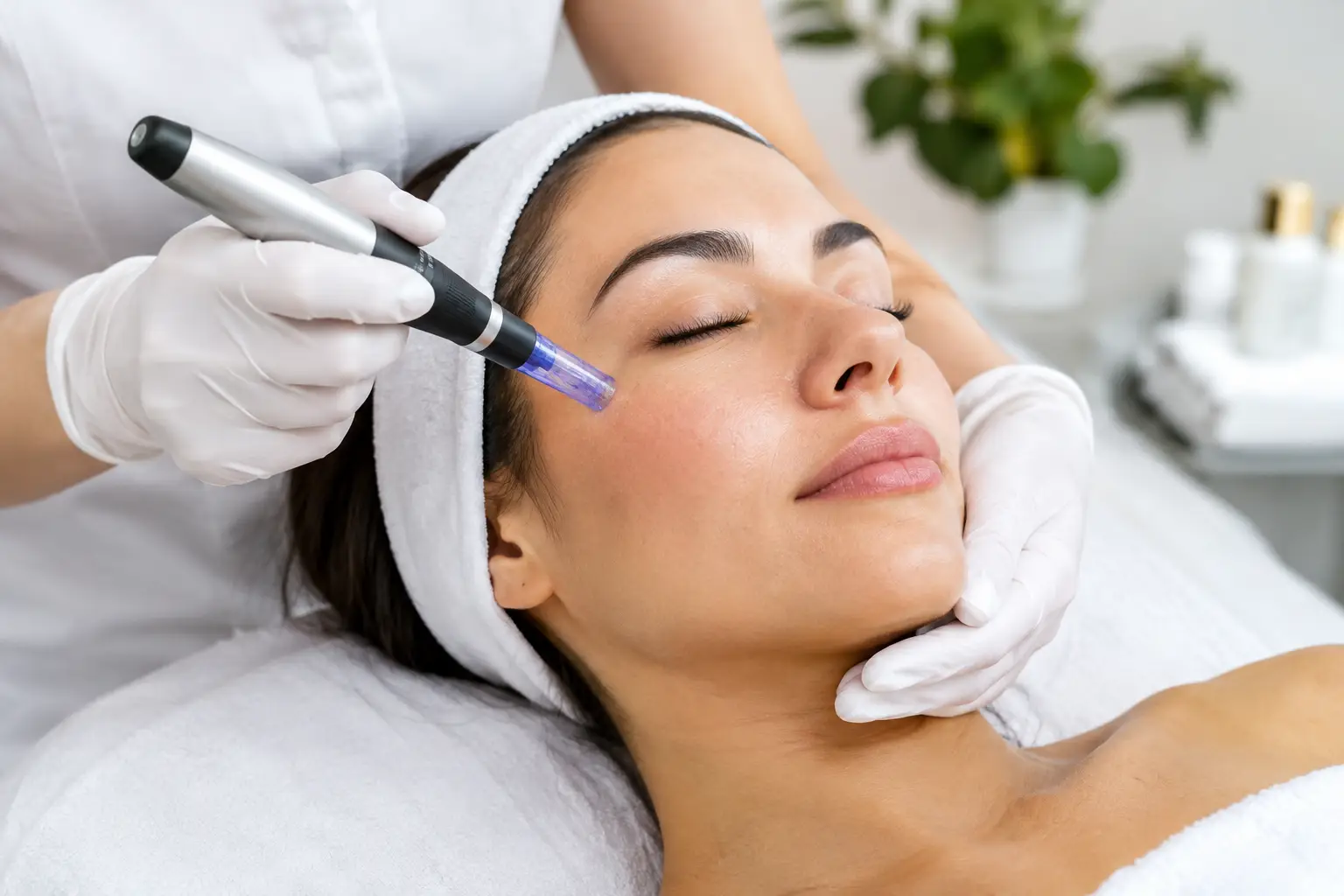
Microneedling uses a medical-grade device with very fine needles to create controlled microchannels in the skin. This process stimulates a wound-healing response that supports collagen and elastin production over time. It can be tailored for concerns such as uneven texture, enlarged-looking pores, fine lines, acne scars, and mild loss of firmness.
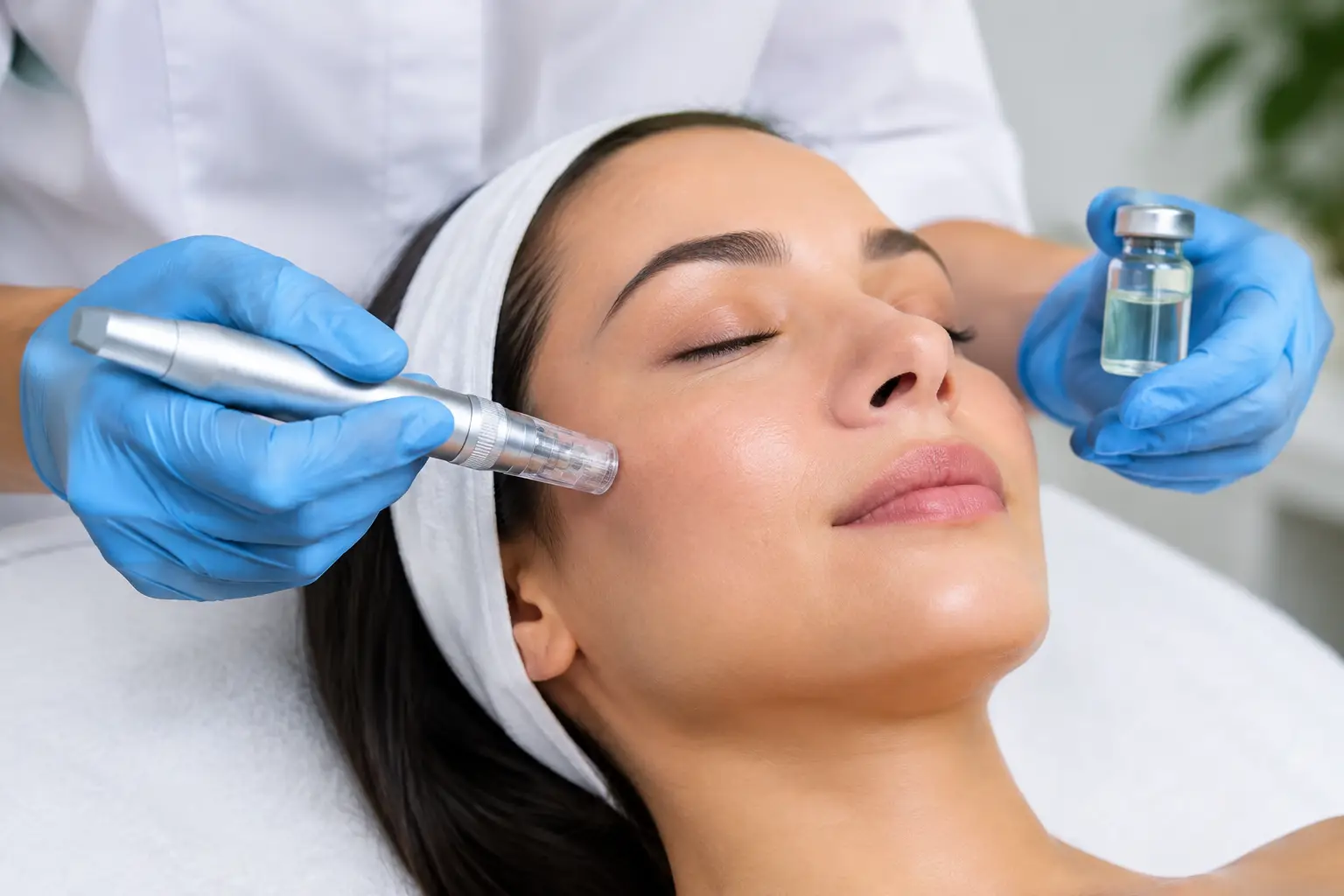
Exosomes are tiny cell-derived vesicles that carry signaling molecules, including proteins, lipids, and genetic material. In aesthetic treatments, an exosome topical is applied during or immediately after microneedling, when the skin is more receptive to the product. The goal is to support a calmer recovery period and improve the appearance of skin quality as collagen remodeling develops.
That explanation also highlights a key point: microneedling does the controlled collagen-stimulation work. Exosomes are an adjunct, not a replacement for an expertly performed procedure, appropriate depth, sound aftercare, or a thoughtful treatment plan.
Microneedling With Exosomes Review: What Results Feel Realistic?
The most credible reviews tend to describe a gradual improvement rather than an overnight transformation. Many patients notice a healthy glow and smoother feel once early redness settles. Over the following weeks, skin may appear more refined, makeup can sit more evenly, and fine textural irregularities may look softer.
Results vary based on age, skin condition, sun exposure, smoking, home care, hormone changes, and the concern being treated. A patient with mild dullness may be pleased after one treatment, while someone addressing established acne scars will usually need a series and may benefit from a combination approach.
For acne scars, deep wrinkles, or significant laxity, it is wise to keep expectations measured. Microneedling with exosomes can improve the overall quality of the skin, but it may not fully correct deep tethered scars or replace volume that has been lost with age. In those cases, a provider may discuss options such as targeted scar treatments, radiofrequency microneedling, laser resurfacing, or carefully placed dermal filler.
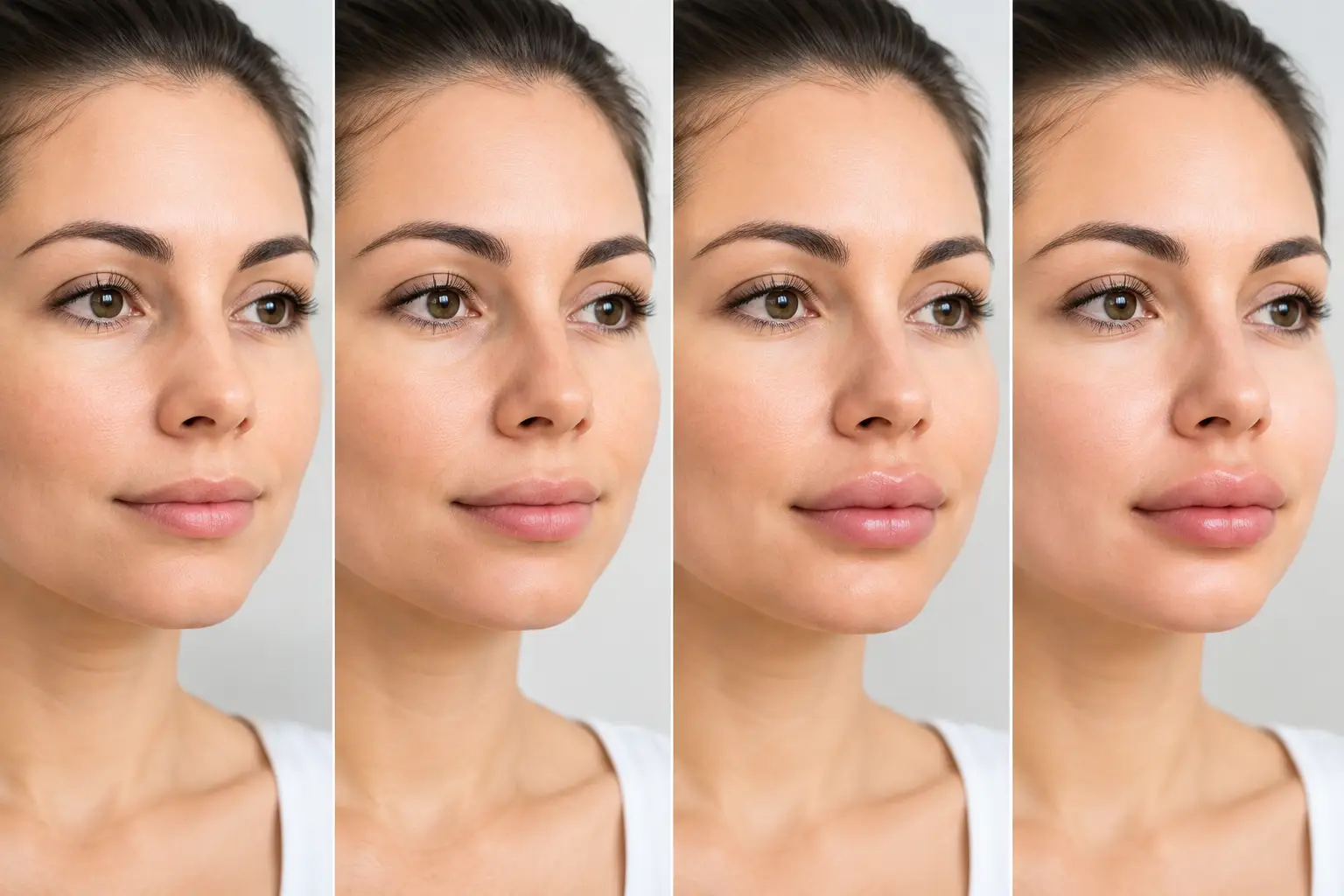
Photos taken in consistent lighting are more useful than judging a result day by day in the mirror. Collagen remodeling takes time. Most patients evaluate meaningful changes around four to six weeks, with continued refinement over the following months.
How Many Treatments Are Usually Needed?
A series of three treatments, typically spaced about four to six weeks apart, is common for texture, early lines, and general rejuvenation. More sessions may be recommended for acne scarring or more advanced sun damage. Maintenance depends on the individual, but many patients choose periodic treatments to preserve a polished, healthy-looking complexion.
A responsible consultation should not automatically sell every patient a package. The number of sessions should reflect the concern, the skin’s response, and the level of improvement desired.
Recovery: What the First Week Can Look Like
Immediately after treatment, the skin is commonly pink to red and may feel warm or tight, similar to a mild sunburn. Some patients experience temporary swelling, dryness, or a slightly sandpaper-like texture as the skin renews. These effects generally improve within a few days, though sensitivity can last longer depending on treatment depth and skin type.
The recovery period should be treated as part of the procedure, not an afterthought. Gentle cleansing, a provider-approved hydrating routine, and diligent broad-spectrum sunscreen help protect the investment in your skin. Avoid intense workouts, heat exposure, swimming pools, exfoliating acids, retinoids, and makeup until your provider advises that it is appropriate.
Do not pick or scrub flaking skin. The temptation is understandable, especially if you have an event approaching, but letting the skin recover calmly helps support an even result. Patients should schedule treatments with enough time before important photographs, weddings, or travel.
The Safety Questions That Matter Most
A polished treatment menu is not the same as clinical quality. Microneedling creates channels in the skin, so sterile technique, device quality, provider training, treatment depth, and post-treatment instructions all matter. A careful provider will review your health history, active skin conditions, medication use, and goals before recommending treatment.
Exosome products deserve particularly thoughtful discussion. The category is evolving, and product quality can vary. In the United States, there are currently no FDA-approved exosome products for treating medical conditions. Patients should be cautious of claims that exosomes can cure disease, regrow tissue, or deliver guaranteed dramatic results.
Ask what product is being used, how it is sourced and handled, whether it is intended for topical professional use, and why it is appropriate for your skin. A reputable medical aesthetics practice welcomes these questions. Clear answers are a sign of careful care, not a barrier to luxury.
Microneedling with exosomes may be postponed or avoided if you have an active acne breakout, open wounds, a skin infection, active cold sores, poorly controlled medical conditions, or a history of problematic scarring. Pregnancy, breastfeeding, autoimmune conditions, blood-thinning medications, and prescription acne treatments may require individualized guidance. Never assume a treatment is suitable simply because it is non-surgical.
Who May Be a Good Candidate?
This treatment can be appealing for adults who want visible skin refinement without the downtime associated with more aggressive resurfacing. It is often considered by patients concerned with early aging, dullness, mild pigmentation irregularities, enlarged pores, and certain acne scars.
It may also suit someone who wants a refreshed look without looking treated. Microneedling does not add volume or freeze expression. Its results are usually subtle, cumulative, and centered on healthier-looking skin.
The best candidate is not defined by age alone. A younger patient with acne scarring and an older patient with crepey texture may both benefit, but their treatment settings, number of sessions, and supporting skincare will differ. Skin tone also deserves special attention. Experienced providers adjust protocols to reduce unnecessary irritation and help manage the risk of post-inflammatory hyperpigmentation.
Cost and Value: Look Beyond the Price Per Session
Microneedling with exosomes generally costs more than standard microneedling because of the advanced topical product and the level of clinical oversight involved. Prices vary by geography, provider experience, treatment area, device, and whether the plan includes a series.
The least expensive appointment is not always the best value. Compare what is included: consultation, skin assessment, medical-grade device use, sterile technique, the exact exosome product, aftercare, and follow-up support. Be wary of unusually low pricing paired with vague language about the serum or the person performing the procedure.
A personalized recommendation may also be more cost-effective than repeating a treatment that is not well matched to your concern. For example, someone with melasma may need pigment-focused medical guidance before any procedure that could trigger inflammation. Someone with deep rolling acne scars may benefit more from a scar-specific strategy than from microneedling alone.
Questions to Ask Before You Book
Before committing, ask your provider what concern microneedling with exosomes is expected to improve in your case, how many sessions they recommend, and what level of change is realistic. You should also understand the planned needle depth, likely downtime, possible side effects, and exactly what aftercare products to use.
It is equally reasonable to ask to see before-and-after photos of patients with similar skin concerns and skin tones. The most useful photos are consistent, unfiltered, and taken after enough time has passed for collagen remodeling.
A beautiful result begins with a careful conversation. Choose a physician-led or medically supervised practice that takes time to assess your skin rather than treating every concern with the same protocol. When the plan is precise, the experience can feel both luxurious and reassuring – and your skin has the best opportunity to look naturally refreshed.