
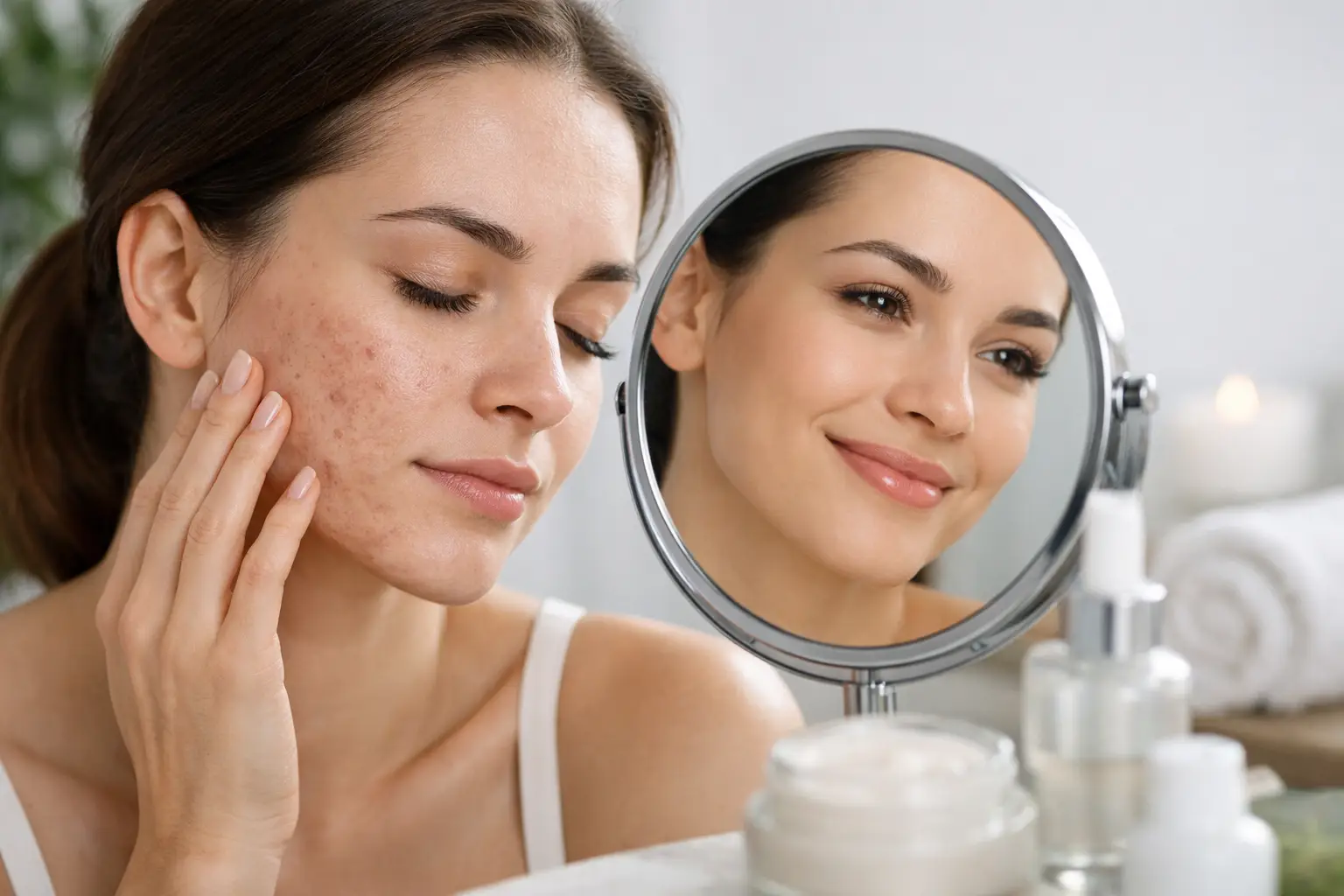
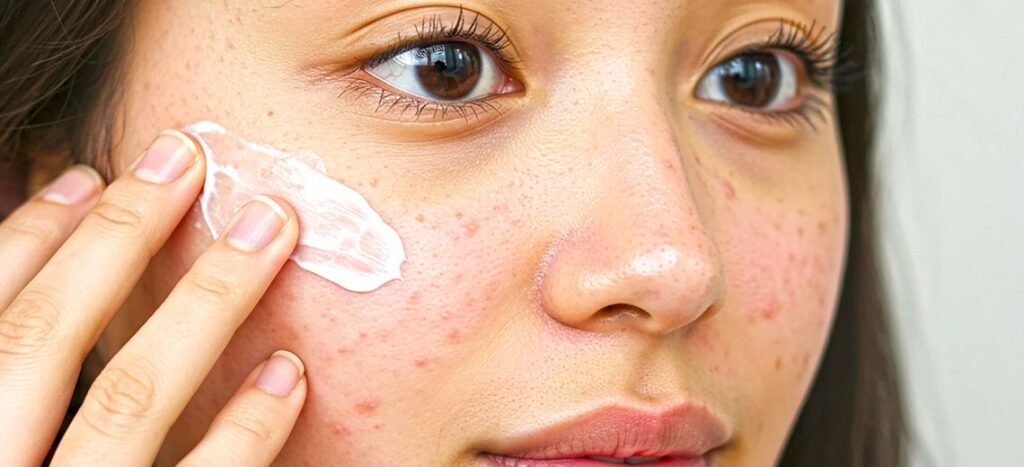
A clear acne scar treatment guide begins with one essential truth: not every mark left by acne is a scar, and not every scar responds to the same treatment. The small indents, sharp pits, lingering red marks, or uneven texture you see in the mirror may look similar at first glance, but they require very different approaches. The right plan is not about chasing the most aggressive procedure. It is about choosing treatments that respect your skin, your lifestyle, and the result you want to see.
At Clara Medical Spa in Thornhill, our acne scar treatments serve clients from Thornhill, Vaughan, Richmond Hill, and across the GTA, and we can help match a plan to your scar type.
For many people, acne scars are more than a cosmetic concern. They can affect how comfortable you feel without makeup, in close-up photos, or under bright lighting. With personalized care and the appropriate combination of treatments, smoother-looking, more even skin is a realistic goal.
Acne Scar Treatment Guide: Start With the Scar Type
True acne scars form when inflammation damages the skin’s deeper support structure during a breakout. As the skin heals, it may produce too little collagen, creating a depression, or too much collagen, creating a raised scar. Discoloration after acne can also remain, but redness and dark spots are not always permanent textural scars.
A professional consultation helps distinguish among these concerns. This matters because a treatment that improves brown marks will not necessarily lift a deep indentation, while a resurfacing procedure may not be the first choice for an active, inflamed breakout pattern.
Atrophic scars: indented or depressed scars
Most facial acne scars are atrophic, meaning they sit below the surrounding skin. They are commonly grouped into three patterns.
Ice-pick scars are narrow and deep, often resembling tiny pinpricks. Boxcar scars are broader depressions with more defined edges. Rolling scars create a wavy or uneven appearance, especially across the cheeks, because fibrous bands pull the skin downward.
Many clients have a combination of all three. That is why a single treatment rarely delivers the most refined result.
Raised scars and post-acne marks
Hypertrophic scars are raised but stay within the original acne site. Keloid scars extend beyond the original area and are more likely to need medical management. These scars should be assessed carefully before any energy-based treatment or needling procedure.
Post-inflammatory redness and hyperpigmentation are flat color changes left after acne. They can make skin appear scarred even when its texture is relatively smooth. Sun exposure can make pigmentation more persistent, particularly in deeper skin tones, so daily broad-spectrum sunscreen is a meaningful part of every treatment plan.
Why Personalized Treatment Produces Better Results
Acne scarring is rarely solved by one appointment or one device. Skin type, scar depth, acne history, pigmentation risk, downtime tolerance, and budget all shape the best path forward. A plan should also consider whether acne is still active. Treating ongoing breakouts alongside scarring helps protect the progress you make.
At Clara Medical Spa, physician-led assessment allows treatment recommendations to be tailored rather than standardized. The goal is natural-looking improvement in texture and tone, not skin that looks overtreated or requires an unrealistic recovery period.
Your provider may examine your skin at rest and under angled light, since side lighting often reveals the depth and pattern of scars more clearly. They should also ask about prescription medications, a history of cold sores, prior procedures, skin sensitivity, and your tendency to develop dark marks after inflammation. These details influence safety as much as results.
Clinical Options for Acne Scar Treatment
The best acne scar treatment often combines collagen stimulation, targeted correction, and pigment management. Each option has a distinct role.
Microneedling for gradual collagen renewal
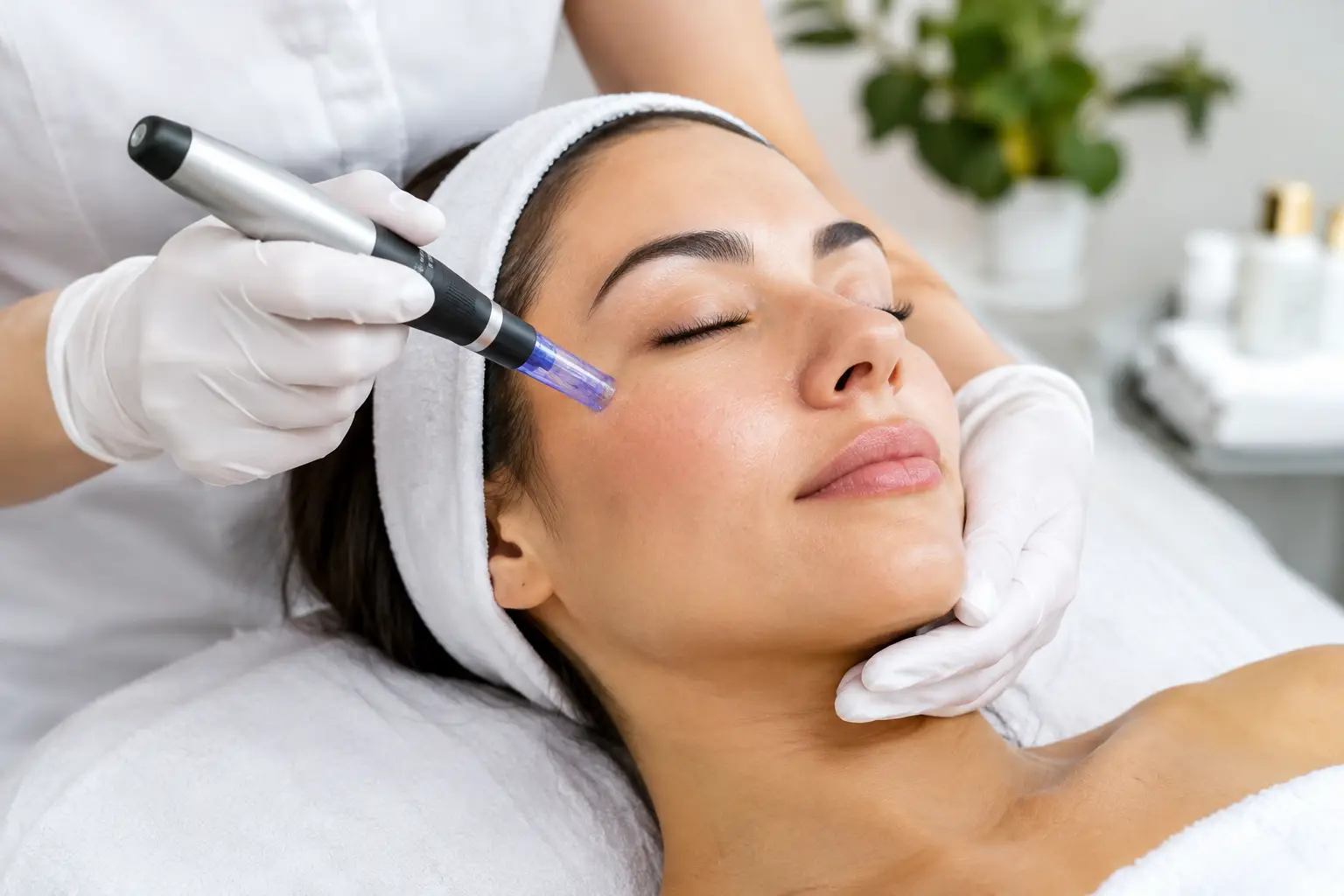
Microneedling creates controlled microchannels in the skin to stimulate collagen and elastin production. It is often a strong choice for mild to moderate rolling scars, enlarged pores, and generalized uneven texture. Because collagen remodeling happens gradually, results continue to develop in the weeks following each session.
Most people need a series of treatments, commonly spaced several weeks apart. Temporary redness and sensitivity are expected, but downtime is generally shorter than with more intensive resurfacing procedures. Microneedling can be especially appealing for clients seeking noticeable refinement with a conservative recovery period.
Radiofrequency microneedling for deeper remodeling
Radiofrequency microneedling combines microneedling with controlled heat delivered beneath the skin’s surface. This added energy can support more substantial collagen remodeling, making it a useful option for certain deeper textural concerns and mild skin laxity.
It is not automatically better for every scar. The ideal settings, treatment depth, and number of sessions depend on your skin and scar pattern. Proper provider experience is particularly important when treating skin prone to post-inflammatory pigmentation.
Laser resurfacing for texture and tone
Laser treatments can address acne-related texture, discoloration, and sun damage in a carefully selected treatment plan. Some lasers create controlled resurfacing in the skin, while others target pigment or redness. The intensity can range from a gentler treatment with minimal downtime to a more involved procedure with a longer healing process.
The trade-off is straightforward: more intensive resurfacing may create a more dramatic correction in some cases, but it also requires more downtime and diligent aftercare. Not every skin tone or scar type is a candidate for every laser. A consultation is the right place to discuss expected recovery, pigment risk, and the level of improvement that is realistic for you.
Chemical peels for surface irregularities
Professional chemical peels exfoliate the skin at controlled depths. They can improve dullness, superficial unevenness, acne-related discoloration, and the overall clarity of the complexion. They are most helpful when scars are shallow or when color changes make skin look uneven.
Peels do not usually correct deep ice-pick or tethered rolling scars on their own. They can, however, complement treatments that address texture at a deeper level. Selecting the right peel strength is essential, particularly for sensitive skin or skin with a history of hyperpigmentation.
Subcision and targeted scar correction
Rolling scars may be held down by fibrous bands beneath the skin. Subcision is a specialized technique that releases these bands, allowing the depressed area to rise more naturally. It may be paired with other treatments to support collagen production and improve the final contour.
Deep, narrow scars sometimes need highly targeted approaches beyond general resurfacing. This is one reason a treatment plan should be based on the individual scars present, rather than a one-size-fits-all facial procedure.
What Results and Recovery Actually Look Like
The most satisfying results are usually progressive, not overnight. Texture improves as new collagen develops, and a series of treatments is often necessary. Some scars may soften significantly, while others become less noticeable rather than disappearing completely. Honest expectations protect both your confidence and your investment.
Recovery varies by procedure. You may experience redness, mild swelling, dryness, flaking, or temporary darkening of treated marks. Avoid picking, scrubbing, and unapproved active skincare products while the skin is healing. Your provider may recommend pausing retinoids, exfoliating acids, or certain acne products before and after treatment.
Aftercare is not an afterthought. Gentle cleansing, moisturizer, consistent sunscreen use, and following your post-treatment instructions help reduce irritation and support a more even recovery. If you are prone to cold sores, have recently used isotretinoin, are pregnant or breastfeeding, or have a history of keloid scarring, mention it before booking a procedure. These factors may change the safest treatment choice or timing.
Preparing for Your Consultation
Bring a list of the skincare products and medications you use, along with photos that show your acne at its most active if available. Be prepared to discuss how much downtime works with your schedule and whether your priority is texture, redness, dark marks, or all three.
A thoughtful provider will help you understand the sequence of treatment, not simply recommend the longest menu of services. In some cases, controlling active acne, strengthening the skin barrier, or treating discoloration first creates a better foundation for scar-focused procedures later.
Beautiful skin does not require perfection. It begins with a plan that sees your scars clearly, treats them thoughtfully, and gives your skin the time it needs to respond.
Explore our acne scar treatment in Thornhill and our guide to the best treatment for acne scars.
Frequently Asked Questions
Where can I get acne scar treatment in Thornhill?
Clara Medical Spa is located at 1 Promenade Cir in Thornhill, inside the Promenade Shopping Centre, and treats clients from Thornhill, Vaughan, Richmond Hill, and the greater Toronto area.
How much does acne scar treatment cost?
Most scar plans combine treatments and are quoted at a free consultation. RF (face) sessions start at $150.
Which acne scars are easiest to treat?
Shallow scars and discoloration tend to respond more readily than deep ice pick scars, which usually need targeted treatment.
Can acne scars be removed completely?
Treatments significantly reduce the appearance of scars, but complete removal is not always possible.
Related treatments & reading

[…] rather than missing volume. It can be considered for enlarged pores, early skin laxity, fine lines, acne scars, uneven texture, and a dull or rough-looking complexion. Because radiofrequency energy reaches […]
[…] when your goal goes beyond a short-term glow. Professional peels can be selected to address acne, post-acne marks, sun-related discoloration, uneven tone, visible pores, rough texture, and early signs of aging. […]
[…] so patience is part of the process. A series of treatments may be recommended for concerns such as acne scarring or more advanced textural changes, while maintenance plans can be tailored to your skin […]