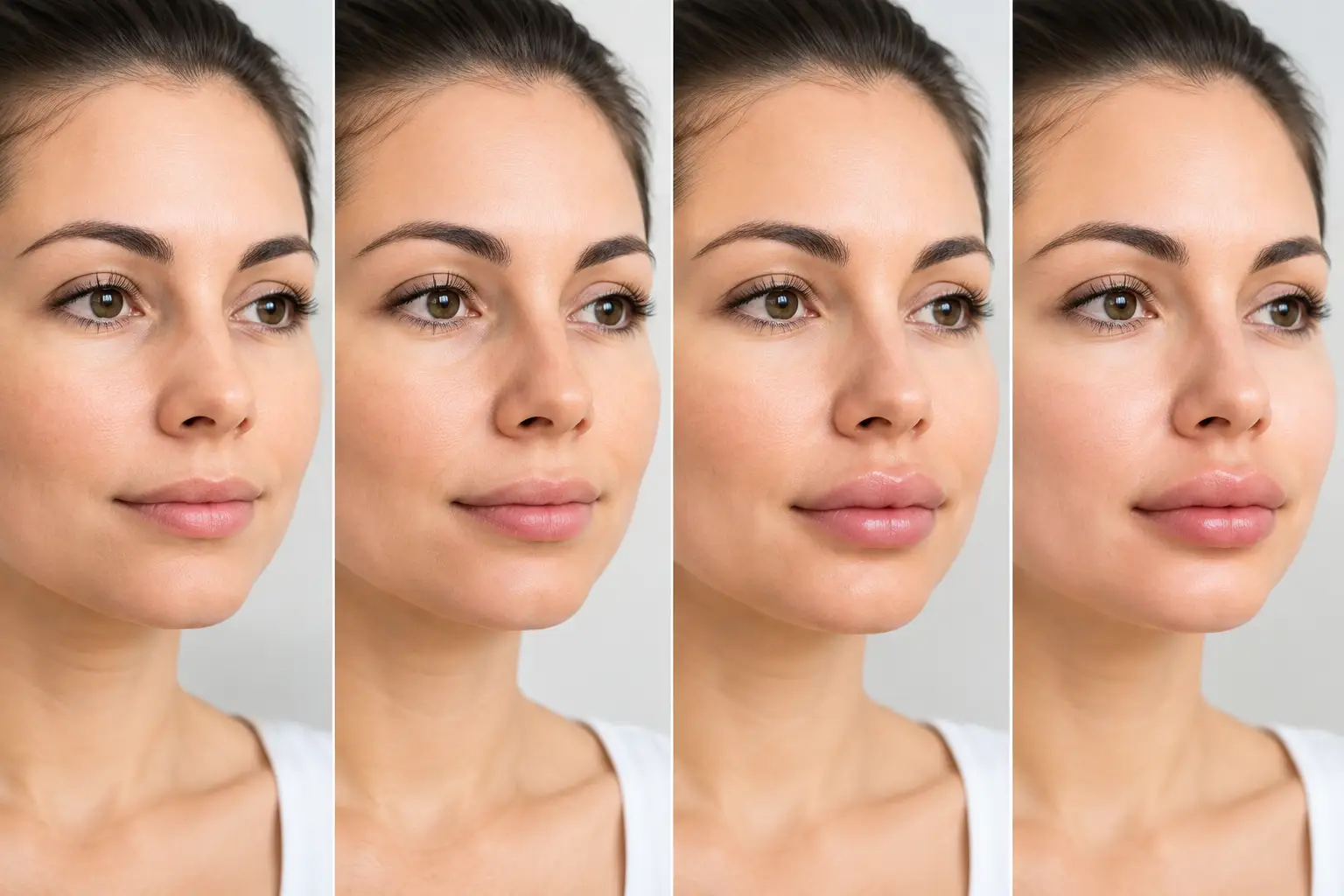

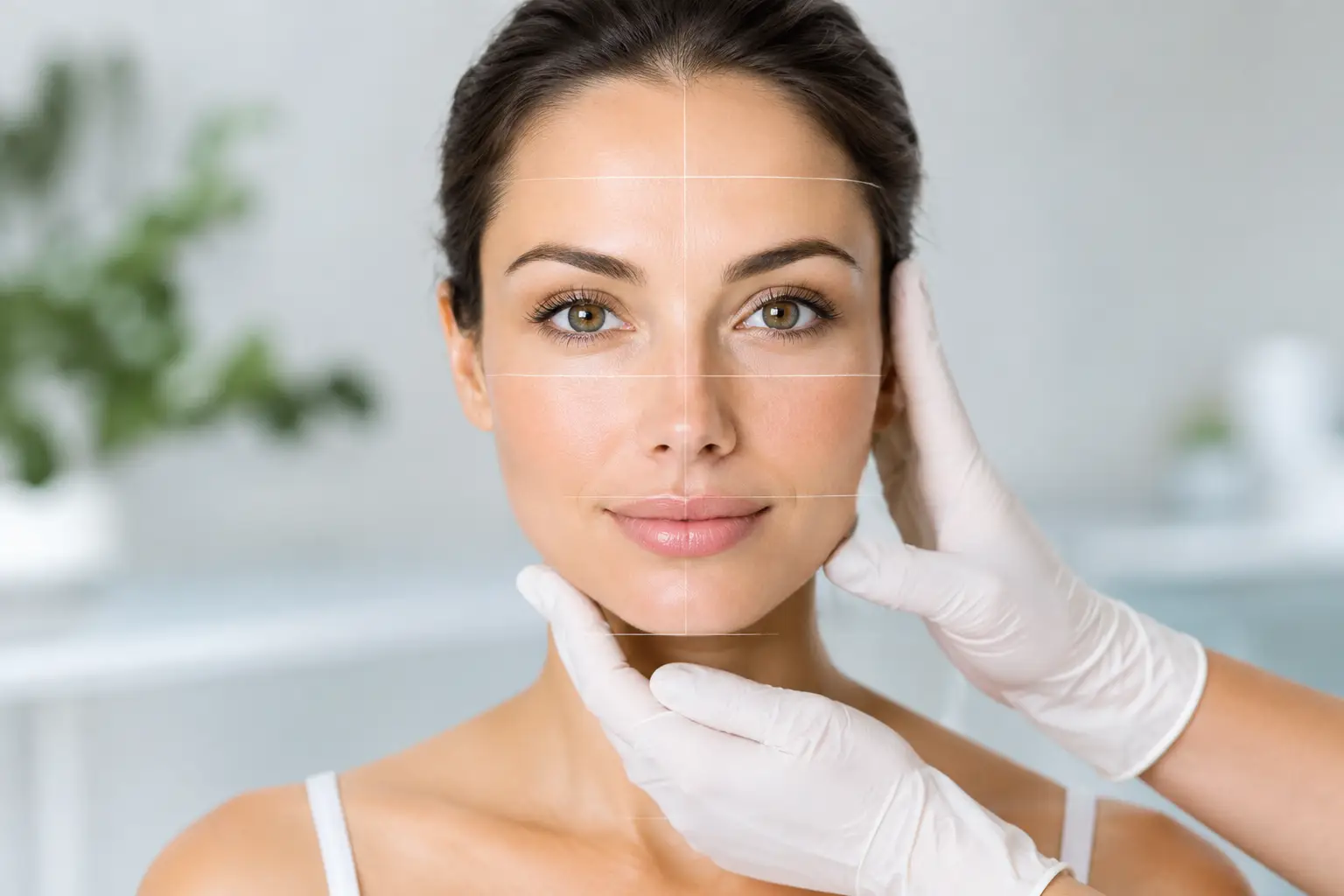
A face can look refreshed without looking dramatically different. That is the goal behind thoughtful facial balancing options: improving the relationship between your features rather than treating one line, hollow, or area in isolation. For many patients, a subtle adjustment to the cheeks, chin, jawline, lips, or skin quality can create a more rested, proportionate appearance while preserving what makes their face uniquely theirs.
At a physician-led medical aesthetics clinic, facial balancing begins with an in-person assessment. Your provider considers facial structure, volume distribution, skin condition, movement, profile, and the changes you would like to see. The result should never be a copied look. It should be a treatment plan designed around your natural anatomy and comfort level.
What Does Facial Balancing Mean?
Facial balancing is an individualized approach to non-surgical facial enhancement. Instead of asking only, “How do we fill this wrinkle?” it asks, “What would create better overall proportion and harmony?” A concern that appears to be under-eye hollowness, for example, may be influenced by volume loss in the midface. A weak-looking jawline may be more balanced by chin support than by adding excessive jawline filler.
This approach is especially valuable because the face changes as a whole. With age, collagen and elastin decline, fat pads shift, and bone support gradually changes. Sun exposure, genetics, weight fluctuations, and lifestyle can also affect volume, texture, and contour. Addressing these changes strategically can help results look refined rather than overdone.
There is no single “ideal” face or formula that suits everyone. Facial balancing is about respecting your proportions, ethnicity, expression, and aesthetic preferences. Some patients want a very subtle refresh; others want clearer contour or more profile definition. Both goals can be appropriate when treatment is planned carefully.
Facial Balancing Options to Consider
Dermal fillers for structure and volume
Dermal fillers are among the most versatile facial balancing options. Depending on the product and placement, filler can restore volume, support facial structure, soften folds, and improve the appearance of certain features. Hyaluronic acid fillers are commonly used because they can be selected in different consistencies for different areas of the face.
Cheek filler can restore midface support and gentle lift where age-related volume loss has created a tired or flattened appearance. Chin filler may improve profile balance and add projection for patients who feel their lower face lacks definition. Jawline filler can create a more refined transition from the chin to the neck, while carefully placed lip filler can improve shape, symmetry, or hydration without creating an exaggerated result.
Under-eye treatment requires particular caution. In some cases, filler may help, but puffiness, skin laxity, pigmentation, and cheek volume loss can all contribute to the concern. A skilled assessment matters because under-eye filler is not the right answer for every patient.
Neuromodulators for expressive lines and contour
Botox and similar neuromodulators relax targeted facial muscles. They are often known for smoothing forehead lines, frown lines, and crow’s feet, but they can also play a role in facial balance. Treatment may soften a strong masseter muscle for a slimmer lower-face appearance, reduce chin dimpling, gently lift the brow, or relax downward-pulling muscles around the mouth.
Neuromodulators do not replace lost volume, and fillers do not address muscle movement in the same way. Many balanced treatment plans use one or both, depending on your concerns. The right choice depends on whether a line or contour issue is caused primarily by movement, volume loss, anatomy, or a combination of factors.
Skin tightening for firmer facial contours
When mild to moderate skin laxity is part of the concern, RF face tightening and advanced skin-tightening treatments may support a more defined appearance. These treatments use controlled energy to encourage collagen remodeling over time. They are commonly considered for the lower face, jawline, cheeks, and neck.
Skin tightening is not a substitute for a surgical facelift, and results develop gradually. It can, however, be an excellent option for patients who prefer a non-surgical approach or who want to maintain their injectable results with improved skin firmness. The best candidates typically have realistic expectations and enough natural collagen response to benefit from gradual remodeling.
Microneedling, peels, and laser treatments for skin quality
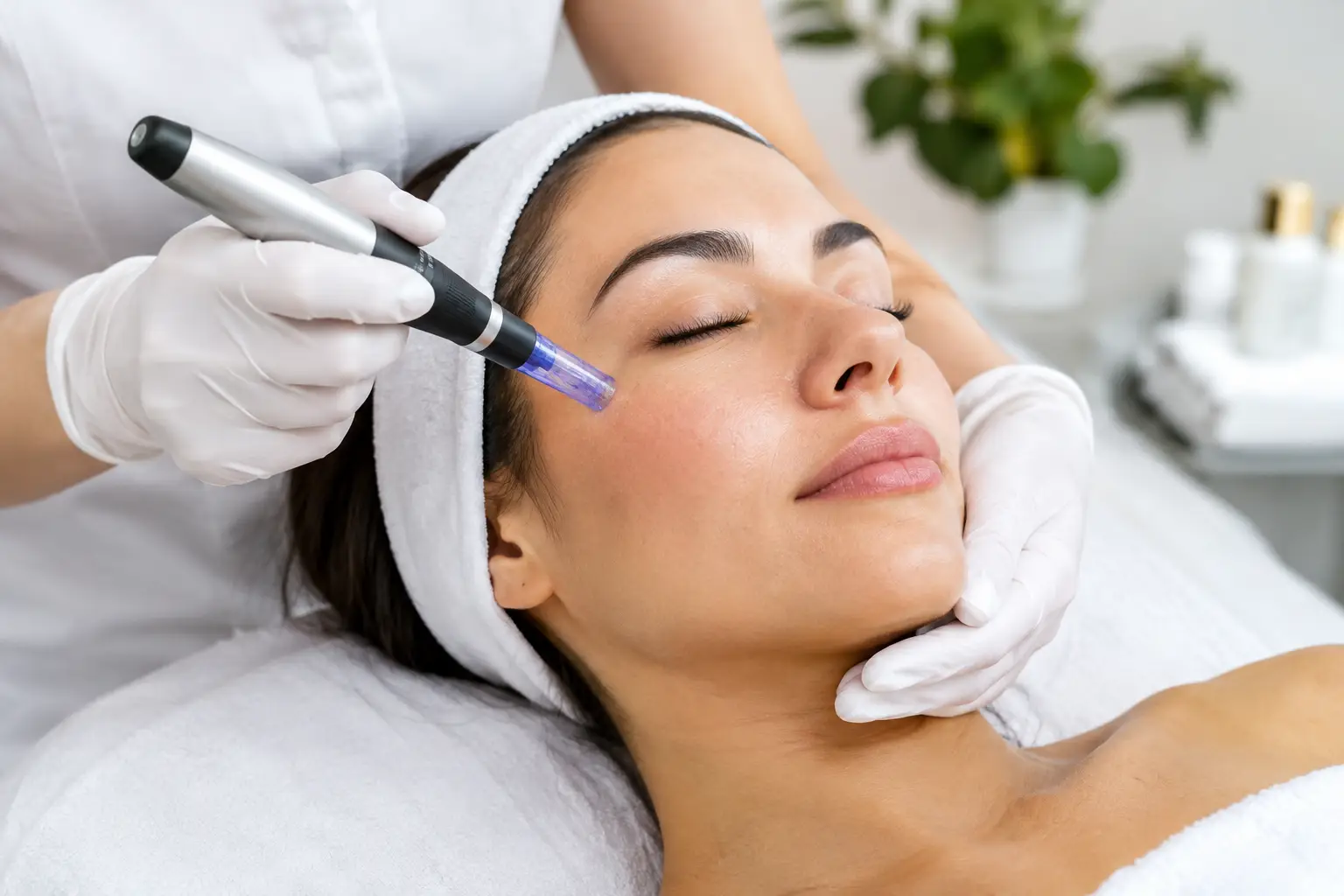
Facial harmony is not only about shape. Clearer, smoother, more even-toned skin often makes the entire face appear healthier and more youthful. Microneedling with exosome therapy may support collagen production and improve the look of texture, acne scars, and fine lines. Professional chemical peels can target dullness, uneven tone, and surface-level concerns, while laser treatments may help address brown spots, sun damage, redness, and visible vessels.
These treatments are often overlooked by patients focused only on filler. Yet beautiful skin can make subtle contour enhancements look even more natural. For someone with excellent facial proportions but significant pigment or textural concerns, skin rejuvenation may be the most meaningful first step.
Double chin reduction and lower-face refinement
Fullness beneath the chin can affect the profile even when the jawline itself has good structure. Non-surgical double chin reduction can be considered for suitable candidates who have localized submental fat. In other cases, chin filler, jawline contouring, skin tightening, or a combination of treatments may be more appropriate.
The distinction matters. Adding filler to a jawline without considering skin laxity or under-chin fullness may not create the definition a patient expects. A comprehensive assessment helps identify what is actually limiting the contour.
How a Personalized Plan Is Built
A good consultation should feel unhurried and specific. Your provider may assess you from the front, three-quarter view, and profile, both at rest and while speaking or smiling. Facial expressions reveal important details that are easy to miss in a single photograph.
You should also discuss your medical history, previous cosmetic treatments, allergies, medications, and timing. If you have an upcoming event, it is wise to plan ahead. Injectable treatments can involve temporary swelling or bruising, and skin treatments may require a period of visible recovery depending on their intensity.
At Clara Medical Spa, a personalized approach means recommending only what supports your goals. Some patients benefit from a phased plan, starting with skin quality or foundational cheek support before considering the lower face. Others may be ideal candidates for a focused treatment, such as chin enhancement or Botox for masseter slimming. More treatment is not always better. Precision is what creates elegant results.
What Natural-Looking Results Require
Natural-looking enhancement depends on thoughtful product selection, careful placement, and restraint. It also requires an honest conversation about what non-surgical treatments can and cannot achieve. Fillers can improve projection and soften shadows, but they cannot replicate every effect of surgery. Skin tightening can improve mild laxity, but substantial loose skin may require a different level of intervention.
Maintenance is another consideration. Some results appear quickly, while others build gradually. Neuromodulator effects typically need periodic maintenance, and filler longevity varies by product, treatment area, metabolism, and movement. Skin-quality treatments often deliver their best results as part of a series and with consistent home care, including daily sunscreen.
A reputable provider will explain the trade-offs before treatment. You should understand the expected result, recovery, cost, possible side effects, and when to return for follow-up. Feeling comfortable with the plan is just as important as liking the projected outcome.
Choosing the Right Starting Point
If you are new to aesthetics, begin with the concern that most affects your confidence rather than trying to address every feature at once. A patient bothered by tired-looking eyes may benefit most from midface support or skin rejuvenation. Someone focused on profile balance may find that a refined chin treatment creates a meaningful difference without changing the rest of the face.
Bring inspiration photos if they help communicate your preferences, but use them as a conversation starter rather than a template. Your facial structure, skin, and movement patterns are individual. The most satisfying outcome is one that looks like you on a very good day: refreshed, balanced, and confidently natural.