

A widening part, a ponytail that feels smaller, or more scalp showing beneath bright light can change the way you feel about your appearance long before others notice. The best treatments for hair thinning are not one-size-fits-all solutions. They begin with identifying why shedding or reduced density is happening, then choosing a plan that protects the hair you have while encouraging healthier growth.
Hair restoration is most successful when it is addressed early. In many cases, follicles are still active but producing progressively finer, shorter hairs. With the right medical guidance and consistent treatment, it may be possible to improve density, reduce shedding, and create a fuller, more youthful-looking result without surgery.
Why Hair Thinning Happens
Hair thinning is not always the same as sudden hair loss. It may develop gradually due to genetics, hormonal changes, stress, nutritional deficiencies, illness, medication changes, thyroid conditions, or inflammatory scalp concerns. For women, thinning commonly becomes more noticeable after pregnancy, during perimenopause, or after menopause. Men often see recession at the hairline or thinning at the crown related to hereditary pattern hair loss.
A consultation should look beyond the surface concern. The pattern of thinning, the timing of shedding, your health history, styling habits, and any recent physical or emotional stressors all matter. A personalized assessment helps distinguish a temporary shedding phase from progressive pattern thinning, which calls for a longer-term maintenance strategy.
If hair loss is sudden, patchy, painful, accompanied by scalp scaling, or associated with other changes in your health, seek medical evaluation promptly. These signs may require a different approach than cosmetic hair restoration alone.
Best Treatments for Hair Thinning: Start With a Diagnosis
The most effective treatment plan is based on the cause, your degree of thinning, and the outcome you want to see. Some clients need help calming active shedding. Others are focused on strengthening fragile, miniaturized hairs or improving the appearance of density in a specific area.
A physician-led consultation can help set realistic expectations. Hair grows slowly, and visible improvement usually takes months rather than weeks. The goal is not a dramatic overnight transformation. It is a measured plan that supports healthier follicles and helps your hair look naturally fuller over time.
Medical options for pattern-related thinning
Topical minoxidil is one of the most established options for hereditary hair thinning in both women and men. It works by helping extend the active growth phase of the hair cycle. Regular use is essential, and some people experience a temporary increase in shedding when they begin treatment as older hairs transition out.
Oral prescription options may also be appropriate for certain patients. Finasteride is commonly considered for men with androgen-related hair loss, while some women may be candidates for physician-prescribed hormonal therapies, depending on their history and health profile. These medications can be highly useful for the right person, but they are not appropriate for everyone. Pregnancy considerations, medical conditions, possible side effects, and personal goals should always be discussed with a qualified medical provider.
Medication can help preserve existing hair, but it does not replace a careful evaluation. For many clients, it is one part of a broader plan rather than the only answer.
PRP hair restoration
Platelet-rich plasma, often called PRP, is a non-surgical treatment that uses concentrated platelets from your own blood. After a small blood draw, the sample is processed to isolate platelet-rich plasma, which is then placed into targeted areas of the scalp through precise injections.
PRP is designed to support the follicle environment with naturally occurring growth factors. It is often considered for early to moderate thinning, especially when follicles remain present but hair strands have become finer. Many clients appreciate that the treatment uses their own biology and requires little downtime.
Results vary because hair thinning has many causes. A series of treatments is commonly recommended, followed by maintenance sessions based on your response and goals. PRP may be particularly valuable when paired with a medically appropriate home-care routine, rather than viewed as a standalone fix.
Microneedling and regenerative scalp support
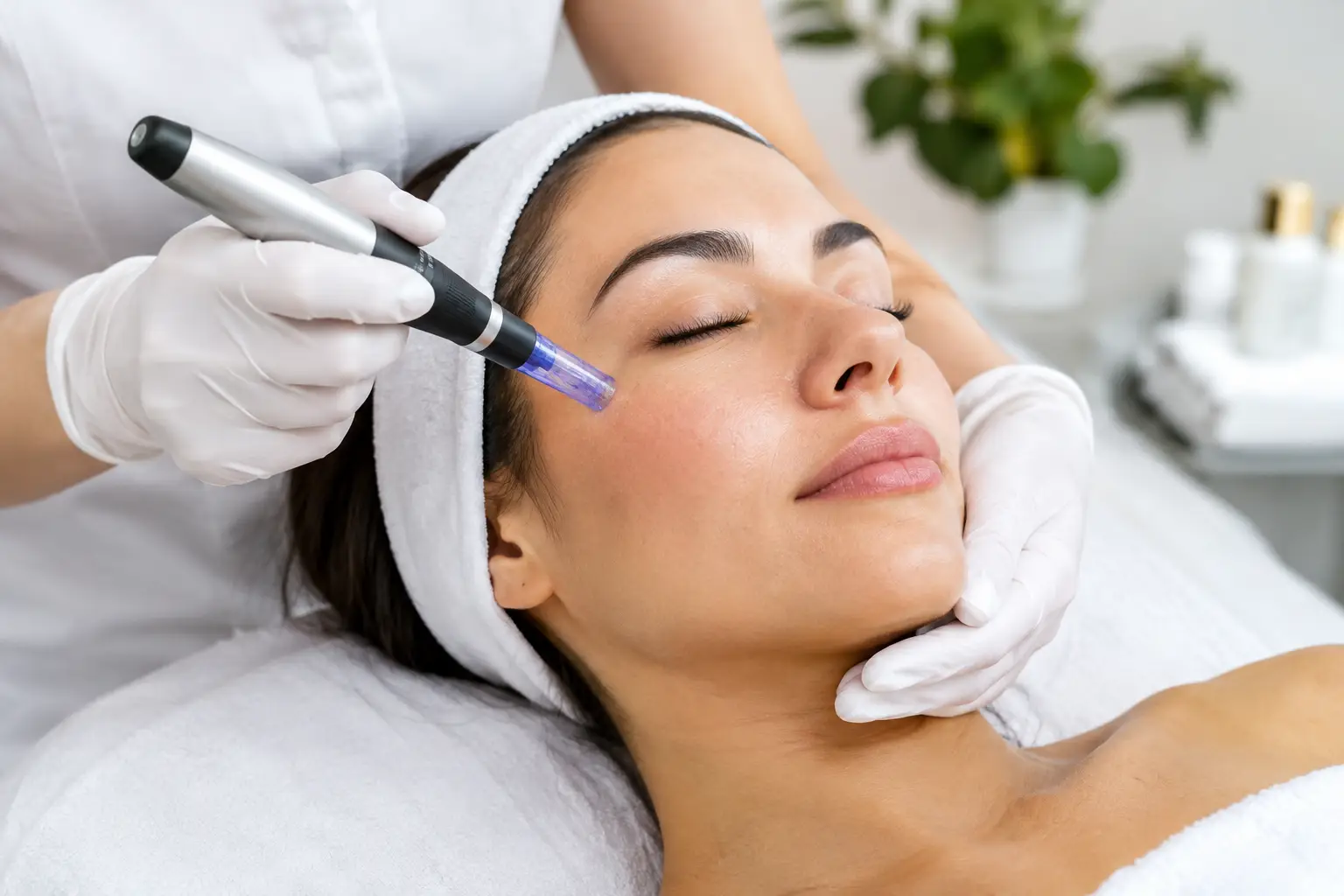
Microneedling creates controlled microchannels in the scalp to stimulate the skin’s natural repair response. When used appropriately in a clinical setting, it may support scalp health and complement other hair restoration treatments.
Some regenerative approaches use advanced topical solutions after microneedling to support the scalp environment. The quality of the protocol, the health of the scalp, and the provider’s judgment matter. Not every regenerative treatment has the same research behind it, and clients should be cautious of promises that guarantee new hair growth or claim to reverse long-standing baldness.
For suitable candidates, a personalized protocol may combine microneedling with PRP or medical treatment to address thinning from several angles. This approach is especially appealing for clients who want an in-clinic plan that feels thoughtful, natural, and tailored to their needs.
Supporting Results at Home
Professional treatments work best when the scalp and hair are cared for consistently between appointments. Avoid tight styles that pull at the roots, repeated bleaching, excessive heat, and harsh brushing when hair is wet. These habits can worsen breakage, which may make thinning look more pronounced even when the follicle itself is healthy.
Nutrition also deserves attention. Hair is not a priority tissue for the body, so periods of low protein intake, iron deficiency, restrictive dieting, or significant stress can show up in the hair. Supplements are not automatically the answer. Taking high doses without a confirmed need can be unhelpful or even counterproductive. A medical professional may recommend blood work or nutritional guidance when your history suggests an underlying deficiency.
Gentle scalp care, adequate protein, restorative sleep, and stress management will not override genetics, but they can support a healthier foundation for your treatment plan. Think of them as the conditions that allow clinical care to perform at its best.
What Results Can You Expect?
Hair growth is gradual. Most people need at least three to six months of consistent treatment before they can fairly evaluate a change, and fuller results may continue to develop over nine to 12 months. Early progress may look like less shedding, improved hair texture, or more coverage when styling rather than an immediately visible increase in volume.
Your starting point matters. Treatments tend to work better when thinning is recent and follicles are still viable. Areas that have been completely smooth for years may have limited potential for regrowth through non-surgical methods. In those cases, a provider can still help you understand whether maintenance, camouflage strategies, or a different type of hair restoration may be more appropriate.
Professional photographs can be valuable during treatment. Hair changes are subtle from month to month, and consistent photos taken in the same lighting and part placement provide a more honest view of progress than memory alone.
Choosing a Safe Hair Restoration Plan
A beautiful result should also be a responsible one. Be wary of anyone who recommends the same treatment to every client, minimizes the need for medical history, or promises guaranteed regrowth. Hair thinning is personal, but it is also biological. It deserves an approach grounded in safety, realistic expectations, and careful follow-through.
At Clara Medical Spa, hair restoration planning is designed around individualized concerns, scalp condition, lifestyle, and desired level of improvement. A consultation offers the space to discuss whether PRP, microneedling-based scalp support, medical referral, or a combined approach makes the most sense for you.
The right time to seek care is often earlier than people think. A thoughtful evaluation can replace guesswork with a clear plan, helping you protect your existing hair and feel more confident each time you look in the mirror.