

A widening part, more hair in the shower, or a hairline that no longer frames the face the way it once did can affect far more than a morning routine. Hair restoration is not about chasing an unrealistic version of yourself. It is about understanding why changes are happening and choosing thoughtful care that supports a fuller, healthier-looking appearance.
Hair thinning is common in both women and men, yet every experience is personal. Some people notice gradual changes over years. Others see increased shedding after a stressful season, illness, hormonal shift, or major life event. The right next step is not a one-size-fits-all product or a rushed treatment decision. It begins with a professional conversation about your history, your goals, and what is appropriate for your scalp and hair.
Why Hair Thinning Happens
Hair growth follows a natural cycle of active growth, transition, and rest. When that cycle is disrupted, hair can shed more than usual, grow in finer, or become less dense over time. Genetics are a leading factor, particularly in pattern hair loss, but they are not the only explanation.
Hormonal changes can play a meaningful role. Many women notice changes around pregnancy, postpartum recovery, perimenopause, or menopause. Men may experience a gradual recession at the temples or thinning through the crown. Thyroid conditions, iron deficiency, certain medications, restrictive diets, significant stress, and scalp inflammation may also contribute to visible shedding.
This is why a careful assessment matters. Treating every type of thinning the same way can lead to disappointment and delay the attention an underlying concern may require. A medical provider can help identify whether your hair changes appear consistent with a cosmetic or pattern-related concern, or whether further medical evaluation is warranted.
What Modern Hair Restoration Can Address
Non-surgical hair restoration may be a compelling option for people who want to support hair density without surgery or an extended recovery period. Depending on the cause and stage of hair loss, treatment may focus on encouraging a healthier scalp environment, supporting existing follicles, and helping hair appear stronger and denser over time.
The greatest opportunity is often early intervention. Once follicles have been inactive for a long period, it can be more difficult to create meaningful improvement. That does not mean later-stage concerns have no options, but it does mean expectations should be especially realistic. Some clients may see reduced shedding and improved hair quality, while others may pursue a plan designed to preserve the hair they have and slow further thinning.
Results also depend on consistency. Hair grows slowly, so visible changes rarely happen after a single appointment. Most treatment plans require a series of sessions and a maintenance approach tailored to your response. Photography, scalp assessment, and honest follow-up conversations can make progress easier to evaluate than relying on day-to-day mirror checks.
Injectable and regenerative-focused approaches
Some in-clinic treatments use carefully selected formulations or regenerative-focused techniques to support the scalp and follicles. These approaches are designed to be performed with precision and may be recommended as part of a broader treatment plan rather than as a stand-alone answer.
The appeal is understandable: there is little to no downtime for many non-surgical options, and appointments can fit comfortably into a busy schedule. Still, convenience should not replace clinical judgment. The ideal protocol, treatment intervals, and candidacy depend on your pattern of thinning, health history, and the condition of the scalp.
Medical and at-home support
For certain types of hair loss, a provider may discuss medical therapies or topical options that can support a clinical treatment plan. These are not suitable for everyone, particularly during pregnancy, breastfeeding, or with certain medical conditions. A qualified provider should review potential benefits, limitations, side effects, and the commitment involved before you begin.
At-home habits matter, too. Gentle hair care, adequate protein intake, avoiding aggressive traction styles, and treating scalp irritation promptly can support overall hair health. However, supplements and viral hair-growth products should be approached carefully. More is not always better, and a supplement cannot correct every cause of shedding.
Your Consultation Should Feel Personal
A quality consultation should feel more like a clear plan than a sales pitch. You should be asked when your shedding began, whether it is diffuse or concentrated in one area, whether you have experienced recent health or lifestyle changes, and what outcomes would make you feel more confident.
Your provider may examine the scalp, look at hair caliber and density, review medications, and discuss your family history. Be candid about prior treatments, coloring or chemical services, and any scalp sensitivity. Small details can change the recommendations.
At Clara Medical Spa, hair loss care is approached with the same physician-led attention used across aesthetic treatments: with precision, comfort, and respect for natural-looking results. The goal is not to promise a dramatic overnight transformation. It is to build a personalized plan that aligns with your hair concerns, timeline, and comfort level.
What to Expect From Treatment
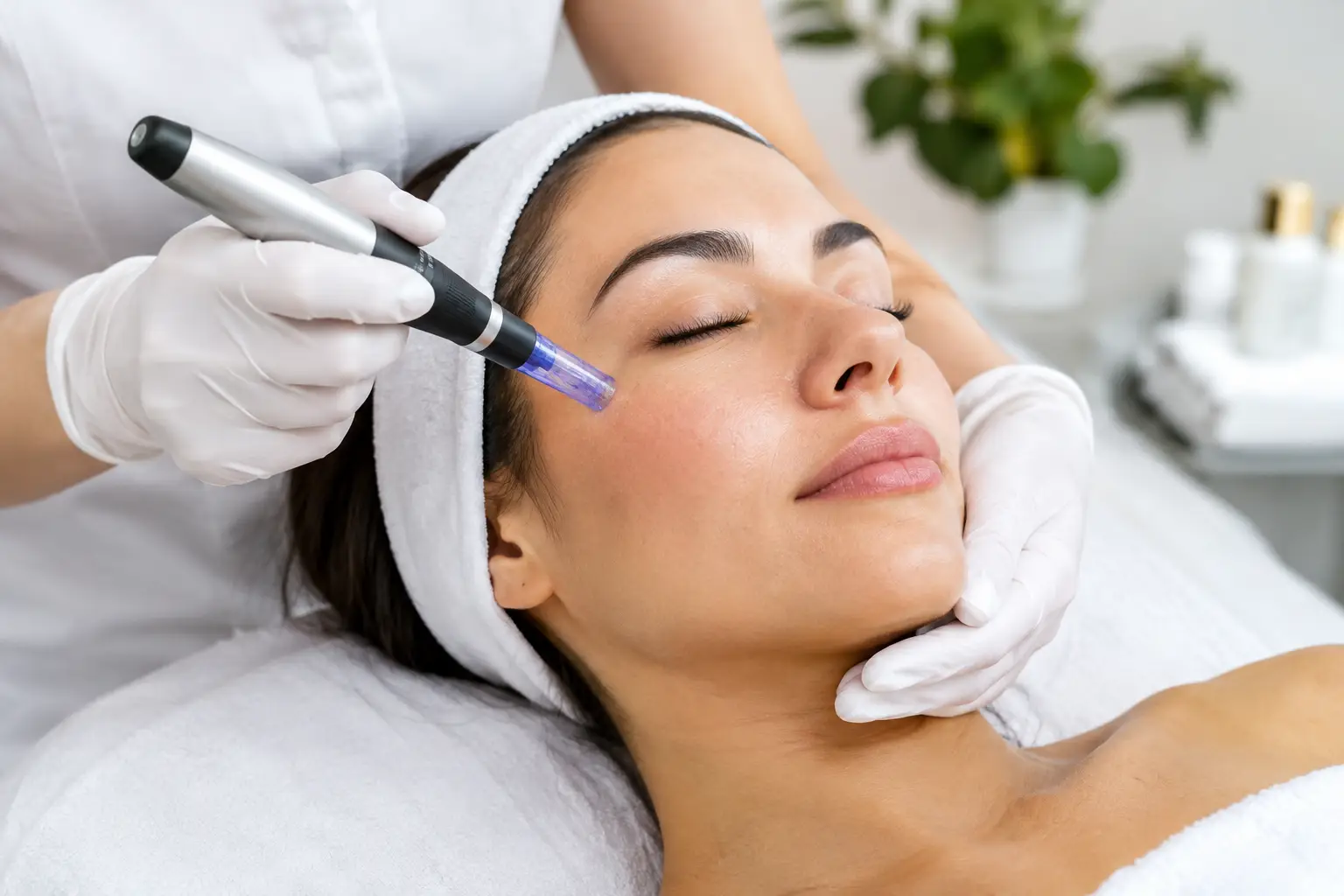
Most non-surgical treatments are performed in the clinic and involve limited disruption to your schedule. Before your appointment, you may receive instructions about washing your hair, avoiding certain products, or pausing medications or supplements when medically appropriate. Follow the instructions provided by your treatment team rather than relying on generic online advice.
During treatment, comfort measures may be used based on the approach selected. You may experience temporary tenderness, mild redness, or sensitivity in the treated area. Your provider will explain normal aftercare and signs that should prompt a call to the clinic.
Hair growth timelines require patience. In the first weeks, you may not see a visible difference. Improvements, when they occur, typically emerge gradually over several months because the hair cycle itself takes time. A plan may include a series of treatments followed by maintenance sessions, particularly if genetic hair thinning is a factor.
Choosing the Right Time to Start
Consider booking a consultation if you have persistent shedding, a widening part, reduced ponytail volume, a receding hairline, or thinning that is affecting your confidence. It is also wise to seek medical attention promptly if loss is sudden, patchy, accompanied by pain or scaling, or associated with other changes in your health.
Starting early can give you more options, but urgency should not lead to pressure. The right treatment is one you understand and can reasonably maintain. Ask what the plan is designed to improve, how long you should wait before assessing results, what ongoing care may be needed, and what alternatives are available if your response is limited.
A More Confident Relationship With Your Hair
Hair restoration works best when it is grounded in realistic expectations and a clear understanding of your individual pattern of hair change. It may help support thicker-looking hair, reduce the appearance of thinning, and restore confidence in how you present yourself. But it is not a substitute for investigating sudden or medically concerning hair loss, and no ethical provider should guarantee a specific outcome.
Your hair is part of how you recognize yourself, whether you wear it long, short, styled, natural, or somewhere in between. A personalized consultation offers a calm place to ask questions, explore your options, and choose care that feels right for you. The most meaningful next step is not simply doing more for your hair. It is choosing informed care with a plan you can trust.