


Medically reviewed by Dr. Mo Maghaddasi, Medical Director at Clara Med Spa.
Last updated: August 11, 2026
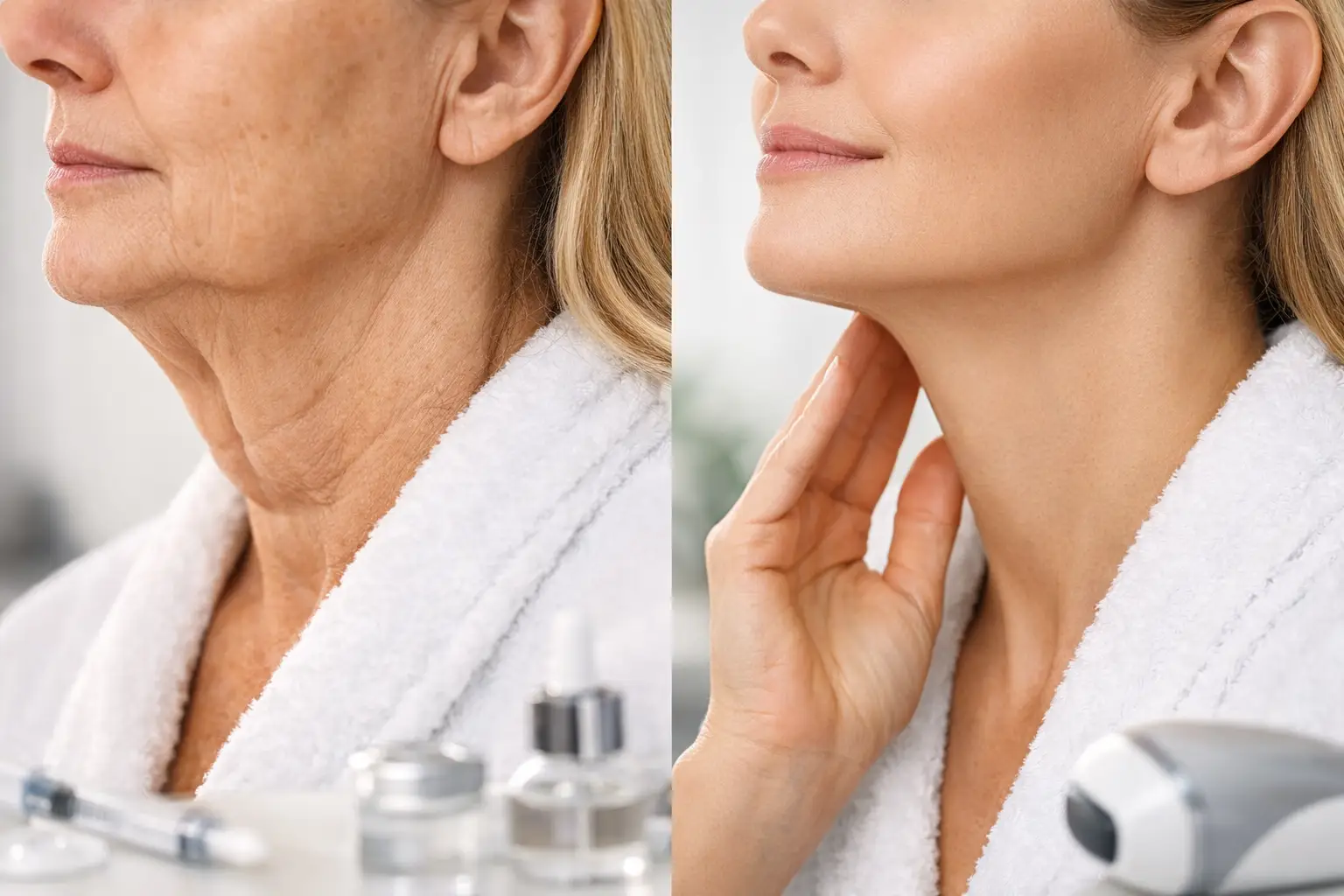
Neck lines often appear before people expect them. You may notice fine horizontal creases when you look down, deeper folds that remain at rest, or a softer, less defined neck contour in photos. The best treatments for neck lines depend on what is creating them: repeated muscle movement, collagen loss, sun exposure, dehydration, skin laxity, or a combination of all five.
A beautiful result is not about making the neck look unnaturally smooth. It is about restoring a fresher, firmer, more even appearance while preserving the way you naturally move and express yourself. That requires a thoughtful assessment, precise technique, and a treatment plan designed around your skin rather than a one-size-fits-all solution.
Why Neck Lines Develop
Horizontal neck lines, sometimes called necklace lines, can develop in the 20s and become more visible over time. Looking down at phones and laptops may make existing lines more noticeable, but it is not the only cause. The neck naturally folds with movement, and thinner skin in this area can show early signs of collagen and elastin loss.
Sun exposure is another major factor. Unlike facial skin, the neck is often skipped when sunscreen and skincare are applied. Over time, ultraviolet exposure can contribute to fine lines, uneven tone, crepiness, and loss of firmness. Genetics, weight changes, smoking, and normal aging can also influence how quickly lines deepen.
The first step is identifying whether your concern is mainly etched lines, active muscle bands, skin texture, laxity, or volume loss. Many patients have more than one concern, which is why combination care frequently provides the most refined result.
Best Treatments for Neck Lines by Concern
Botox for muscle movement and neck bands
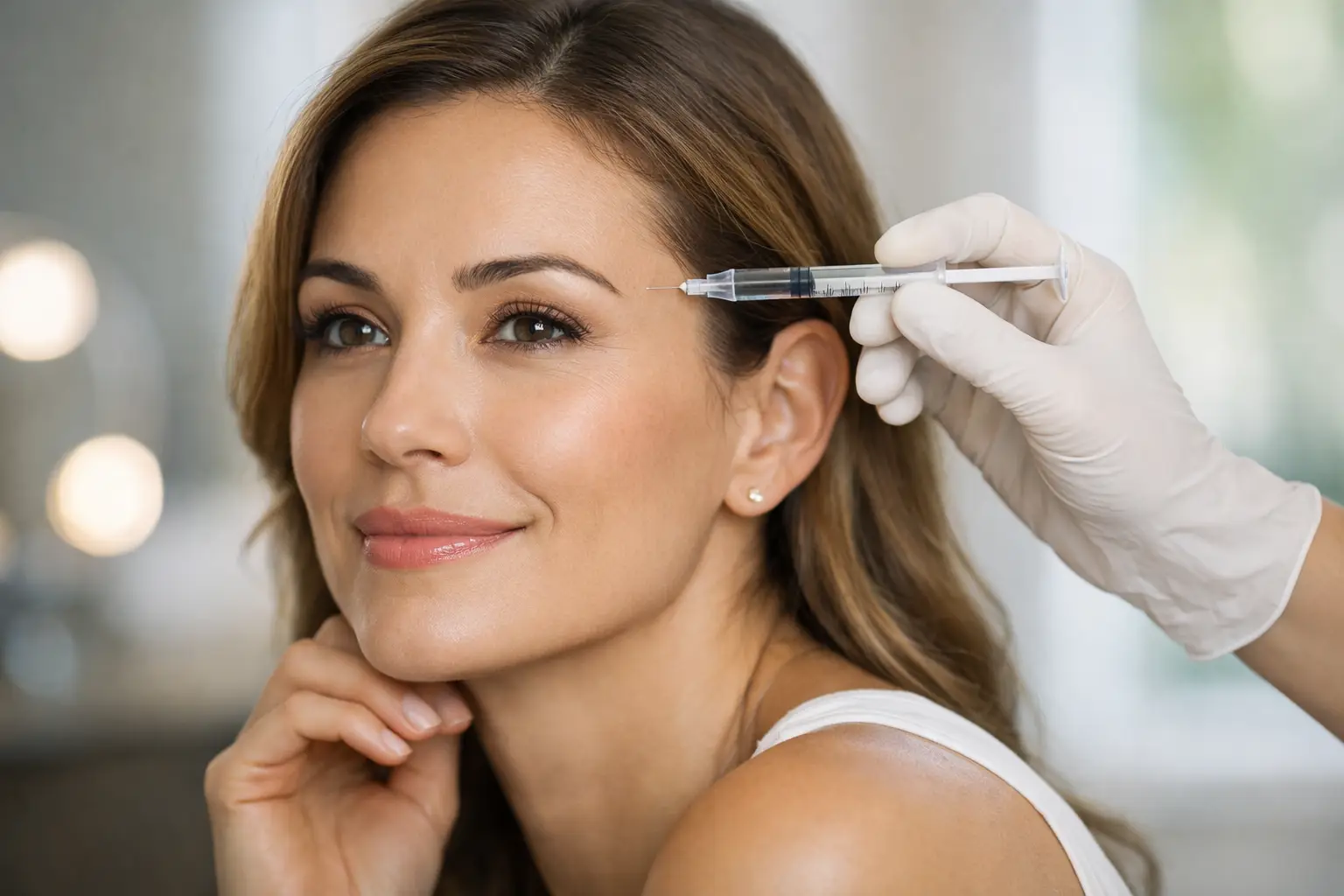
Botox and other neuromodulators can be an excellent option when muscle activity is contributing to visible neck lines or vertical platysmal bands. The platysma is a broad muscle that extends from the jawline down the neck. As it contracts, it can create pulling, banding, and a less smooth neck appearance.
With carefully placed injections, Botox can relax targeted muscle movement and soften the tension that contributes to lines. It may also be incorporated into a neck and jawline treatment approach when appropriate. Results typically begin to appear within several days and continue to settle over about two weeks.
Botox is not a filler, so it does not replace lost volume or erase deeply etched folds on its own. It is best suited to lines that become more pronounced with movement and to visible platysmal bands. The neck is an anatomically sophisticated area, making experienced, conservative injection technique especially important for comfort, safety, and natural-looking outcomes.
Dermal filler for deeper horizontal creases
When horizontal lines remain visible even at rest, a soft, carefully selected dermal filler may help smooth their appearance. Fine, flexible filler can be placed strategically beneath a crease to provide subtle support without making the neck look puffy or overcorrected.
This approach is often most effective for distinct, deeper necklace lines in patients with good overall skin quality. It can create an immediate improvement, although final results should be assessed after swelling has resolved. Depending on the product used, individual metabolism, and the treatment area, results may last several months to a year or longer.
Filler is not ideal for every neck. Very thin, crepey, or significantly lax skin may need collagen-stimulating treatments first or alongside filler. An in-person consultation helps determine whether filler will blend naturally with your skin texture and movement.
RF skin tightening for crepiness and mild laxity
Radiofrequency, or RF, skin tightening uses controlled heat to support collagen remodeling in the deeper layers of the skin. It is a valuable option for a neck that feels less firm, looks crepey, or has fine lines spread across a broader area rather than one or two defined folds.
RF treatments are often chosen by patients who want non-surgical rejuvenation with little disruption to their routine. The skin may look temporarily flushed after treatment, but many people return to normal activities quickly. Because collagen remodeling takes time, improvement develops gradually over the weeks and months following a treatment series.
The trade-off is patience. RF tightening produces a progressive, natural change rather than a dramatic overnight transformation. It is particularly appealing for early to moderate laxity and can help maintain the results of injectable treatments by improving the quality of the skin itself.
Microneedling with exosome therapy for texture and collagen support
Microneedling creates controlled microchannels in the skin to encourage the body’s natural repair response and collagen production. For neck lines associated with texture changes, early crepiness, and dullness, it can improve the overall look and feel of the skin over a series of treatments.
At Clara Medical Spa, microneedling may be paired with exosome therapy as part of a personalized skin-rejuvenation plan. Exosomes are used topically in this setting to support the skin’s recovery environment following treatment. Your provider can advise whether this option suits your skin goals, sensitivity, and schedule.
Microneedling is not intended to fill a deep crease immediately. Its strength is gradual refinement: smoother texture, improved radiance, and skin that appears more resilient over time. A few days of redness or sensitivity are common, so it is wise to schedule treatment away from major events.
Chemical peels and laser treatments for sun damage
If neck lines are accompanied by uneven pigment, rough texture, or visible sun damage, resurfacing treatments can make a meaningful difference. Chemical peels exfoliate damaged surface cells and can brighten the skin’s appearance, while laser-based treatments may address pigment and selected signs of photoaging more precisely.
The right choice depends on your skin tone, degree of pigmentation, sensitivity, and downtime preferences. The neck can be more reactive than the face, so treatment settings and post-care need to be selected with care. For some patients, a gentler series produces a more elegant result than one aggressive treatment.
Why Combination Treatment Often Works Best
A neck with deep horizontal folds, fine crepiness, and visible muscle activity rarely responds fully to one procedure. A tailored plan may use Botox to reduce pulling, filler to soften a persistent crease, and RF or microneedling to improve skin quality. When sun damage is present, a peel or laser treatment may be added at the right stage of the plan.
Combination treatment does not mean doing everything at once. In many cases, sequencing is more effective. Your provider may first improve skin quality, then reassess the need for filler. Or, if muscle movement is strongly contributing to lines, Botox may be performed before deciding how much correction remains necessary.
This measured approach helps avoid overtreatment. The goal is a neck that looks rested and refined from every angle, not a result that appears filled, stiff, or disconnected from the face and jawline.
Daily Care That Helps Preserve Your Results
Professional treatments create the most visible change, but daily habits influence how long your skin maintains that improvement. Apply broad-spectrum SPF 30 or higher to the neck and chest every morning, not just the face. A retinoid or retinol, introduced gradually under professional guidance, may support cell turnover and collagen maintenance, while moisturizer helps reduce the temporary appearance of fine dehydration lines.
Try to extend your face skincare down to the collarbone. Antioxidants in the morning and a gentle, consistent evening routine can support a brighter, more even look. Avoid aggressive scrubbing or strong at-home acids on the neck, especially after injectable, laser, peel, or microneedling treatments.
Choosing a Provider for Neck Rejuvenation
The neck deserves the same level of planning as the face. It has thinner skin, important underlying structures, and a different pattern of aging than the cheeks or forehead. Choosing a physician-led medical aesthetics clinic means your treatment can be selected with anatomy, skin health, and your long-term goals in mind.
During a consultation, a qualified provider should examine your skin at rest and in motion, discuss your medical history, and explain realistic expectations. Be candid about prior treatments, medications, pregnancy or breastfeeding, a history of cold sores, and any skin conditions. These details can affect which treatment is safest and most appropriate.
The most flattering neck rejuvenation is often subtle enough that others simply notice you look refreshed. A personalized consultation can turn that goal into a plan that respects your features, your comfort level, and the natural beauty of your skin.


[…] Best Treatments for Neck Lines That Look Natural […]
[…] Best Treatments for Neck Lines That Look Natural […]