
Joseph Ahmadi

Medically reviewed by Dr. Mo Maghaddasi, Medical Director at Clara Med Spa.
Last updated: August 11, 2026
If you are asking botox how long does it last, you are usually asking two things at once – when will I see the result, and when will I need it again? The short answer is that Botox typically lasts about 3 to 4 months for most people. The better answer is that your timeline can shift based on the treatment area, your facial movement, your dose, and how your body metabolizes the product.
At Clara Medical Spa in Thornhill, we offer Botox, Dysport, Xeomin, and Letybo to clients from Thornhill, Vaughan, Richmond Hill, and across the GTA, and we can tailor a touch-up schedule to how long your results last.
That is why two people can have Botox on the same day and still notice slightly different timelines. One may feel smooth and refreshed for four months, while another starts to see more movement return closer to the three-month mark. Neither result is unusual.
Botox how long does it last in most people?
In most cases, Botox begins to work within 3 to 5 days, with full results settling in around 10 to 14 days. Once the effect is established, many patients enjoy a smoother, softer look for roughly 3 to 4 months.
For some, especially those new to treatment or receiving Botox in areas with strong muscle movement, the result may wear off a little sooner. For others, particularly with consistent maintenance over time, results can seem to hold longer. This is one reason experienced providers focus on individualized treatment plans rather than promising one identical timeline for everyone.
It also helps to separate the visible result from the biological activity. You may notice movement gradually returning before all the effect is truly gone. Botox does not switch off overnight. It softens over time, which is why the return of lines often looks more gradual than patients expect.

What affects how long Botox lasts?
Several factors influence longevity, and this is where nuance matters. Botox is not just about the product itself. It is also about how it is placed, how much is used, and how your own muscles behave day to day.
Treatment area
Some areas naturally wear faster than others. Crow’s feet and forehead lines can respond beautifully, but people with very expressive faces may notice quicker return of movement there. Areas with stronger or more active muscles sometimes need careful dosing and regular maintenance to keep the result consistent.
The frown lines between the brows often hold well because the treatment targets a concentrated muscle group. Forehead Botox can be more variable, especially when the injector is balancing wrinkle reduction with a natural brow position. Good treatment is not about freezing everything. It is about creating a rested appearance while keeping expression believable.
Dosage and technique
Under-treatment can make Botox seem like it wore off early when the issue was really that the muscles were never fully relaxed to begin with. On the other hand, a thoughtful dose delivered with precision can give a longer, cleaner result while still looking natural.
This is one reason provider expertise matters so much. Botox is both medical and artistic. Placement affects movement, symmetry, and longevity. A physician-led clinic or highly experienced injector can assess muscle strength, facial anatomy, and your aesthetic goals so the outcome feels refined, not overdone.
Your metabolism and lifestyle
Some people naturally break down neuromodulators more quickly. Patients who exercise intensely and very frequently sometimes feel their Botox fades sooner, though this varies and should not be viewed as a rule. Strong facial expressiveness can also shorten the visible lifespan because the treated muscles are constantly being recruited.
Age, skin quality, and baseline wrinkle depth also play a role. Botox relaxes muscle activity, but if etched lines have been present for years, the skin may still show some residual creasing even after treatment. In that case, the Botox is working, but the skin itself may need additional rejuvenation support.
Consistency over time
Patients who keep up with regular appointments often feel their results become easier to maintain. That does not mean Botox permanently changes your muscles, but repeated treatment can help train overly active muscles to contract less forcefully. As a result, lines may appear softer even as movement starts to return.
This is where timing matters. Waiting until every bit of movement is back can make each session feel like starting over. A more consistent schedule often creates a smoother long-term result.
When does Botox start wearing off?
Most patients begin noticing subtle return of movement around the 8- to 12-week mark. This does not always mean the treatment is gone. It usually means the muscles are slowly becoming more active again.
By 3 to 4 months, many people are ready for another appointment if they want to maintain the same polished look. Some stretch treatments longer, especially if they prefer a little more natural movement or if their lines are mild. Others choose shorter intervals because they want the result to stay very consistent for work, events, or personal preference.
There is no single perfect schedule for everyone. The best rhythm is one that matches your facial anatomy, aesthetic goals, and comfort level.
Botox how long does it last by area?
The area treated can shape expectations quite a bit. While individual results vary, the general pattern is fairly consistent.
Frown lines between the brows often last about 3 to 4 months and sometimes a bit longer. Crow’s feet commonly last around 3 months, though strong smiling muscles can shorten that. Forehead lines are often in the 3-month range, but the exact result depends on muscle strength and how much movement you want to preserve.
Masseter Botox, used for jaw slimming or tension, can sometimes last longer than cosmetic Botox in the upper face, often around 4 to 6 months. Botox for excessive sweating may also follow a different timeline and can last several months depending on the area treated.
This is why a consultation matters. The question is not just botox how long does it last, but how long will it last for your specific concern.
How to make Botox last longer
There is no guaranteed trick that doubles your Botox, but a few practical habits can support better longevity. Choosing an experienced injector is the most important one. Precision from the start has more impact than any aftercare tip.
It also helps to stay on a regular treatment schedule rather than waiting too long between visits. Protecting skin quality with daily sunscreen and medical-grade skincare can improve the overall look of the treated area, even though it does not directly change how the toxin behaves in the muscle.
Managing expectations is part of this too. Botox is maintenance, not a permanent correction. Patients who do best with it usually think of it as part of an ongoing plan for natural-looking rejuvenation.
What Botox cannot do
Sometimes Botox gets blamed for not lasting when the real issue is that it was being asked to solve the wrong problem. Botox treats dynamic wrinkles caused by muscle movement. It does not replace lost volume, tighten significantly loose skin, or erase surface texture on its own.
If lines are present even when your face is fully at rest, or if skin quality is part of the concern, combination treatment may be more appropriate. Depending on the patient, that might include dermal fillers, skin resurfacing, microneedling, RF tightening, or other physician-guided options. The most elegant results usually come from treating the full picture, not chasing one wrinkle with one tool.
Is it bad if Botox wears off quickly?
Not necessarily. A slightly shorter duration does not always mean something went wrong. It may simply reflect stronger muscles, a fast metabolism, lighter dosing, or the fact that this is your first treatment. The more useful question is whether the result looked balanced, natural, and worth repeating.
If Botox seems to wear off much faster than expected, bring that up at your next visit. A skilled provider can reassess the dose, the placement, and the treatment plan. Sometimes small adjustments make a meaningful difference.
At Clara Medical Spa, this kind of customization is part of what creates refined, natural outcomes. Good Botox should not make you look different from yourself. It should make you look more rested, more polished, and more confident.
If you are considering treatment, the smartest place to start is not with a promise of a fixed number of months. It is with a personalized assessment of your face, your goals, and the result you want to maintain over time.
Explore our Botox in Thornhill and anti-wrinkle injection services, or see the price list.
Frequently Asked Questions
Where can I get Botox in Thornhill?
Clara Medical Spa is located at 1 Promenade Cir in Thornhill, inside the Promenade Shopping Centre, and treats clients from Thornhill, Vaughan, Richmond Hill, and the greater Toronto area.
How much does Botox cost at Clara Medical Spa?
Neuromodulators are priced per unit, from $7–$8 per unit depending on the brand. Your injector will estimate the units you need at a free consultation.
How long does Botox last?
Results typically last a few months and wear off gradually. Your injector can estimate your timeline at consultation.
Can I get Botox sooner than my results fade?
Your provider will advise on timing so treatments stay safe and natural-looking.
Related treatments & reading

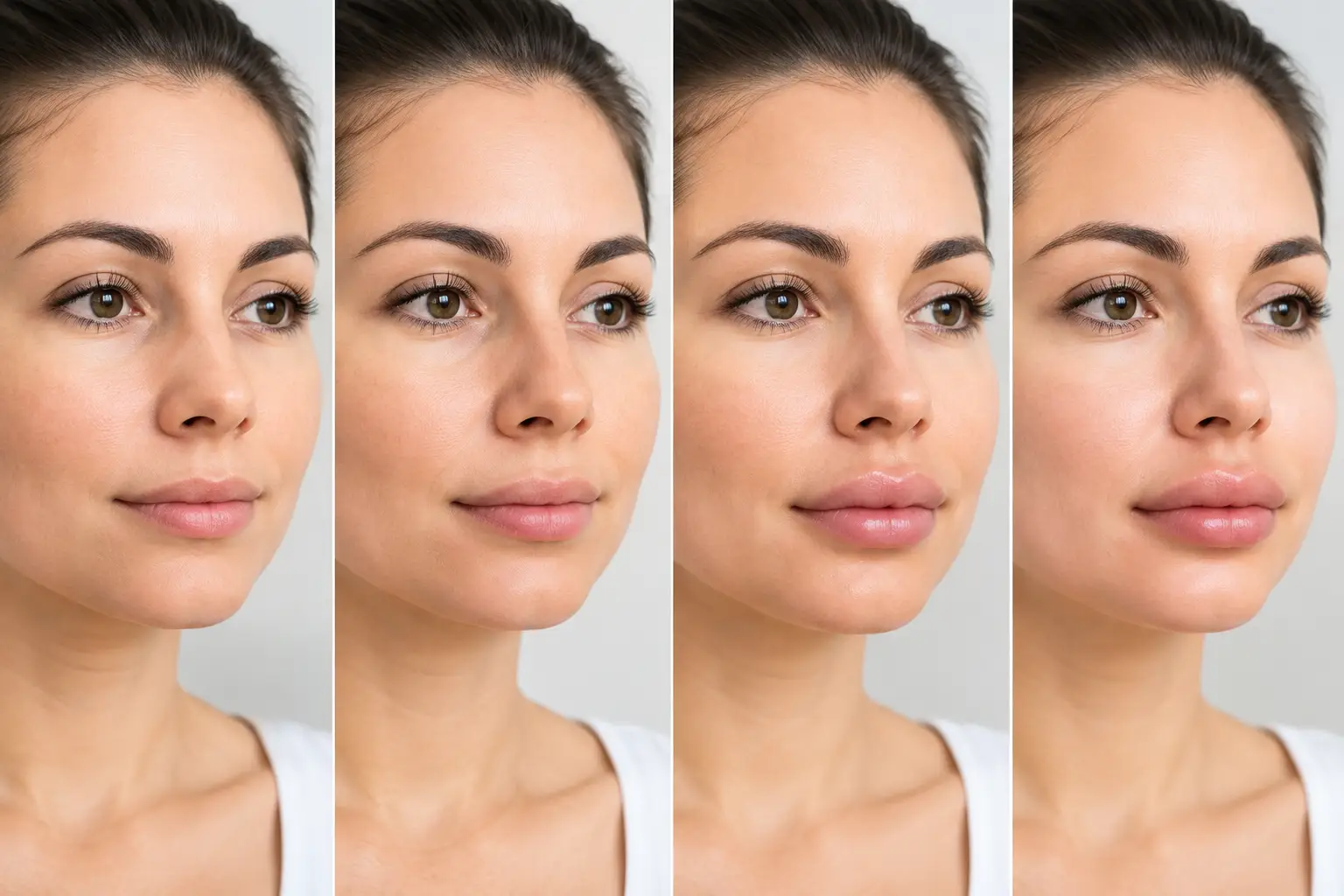
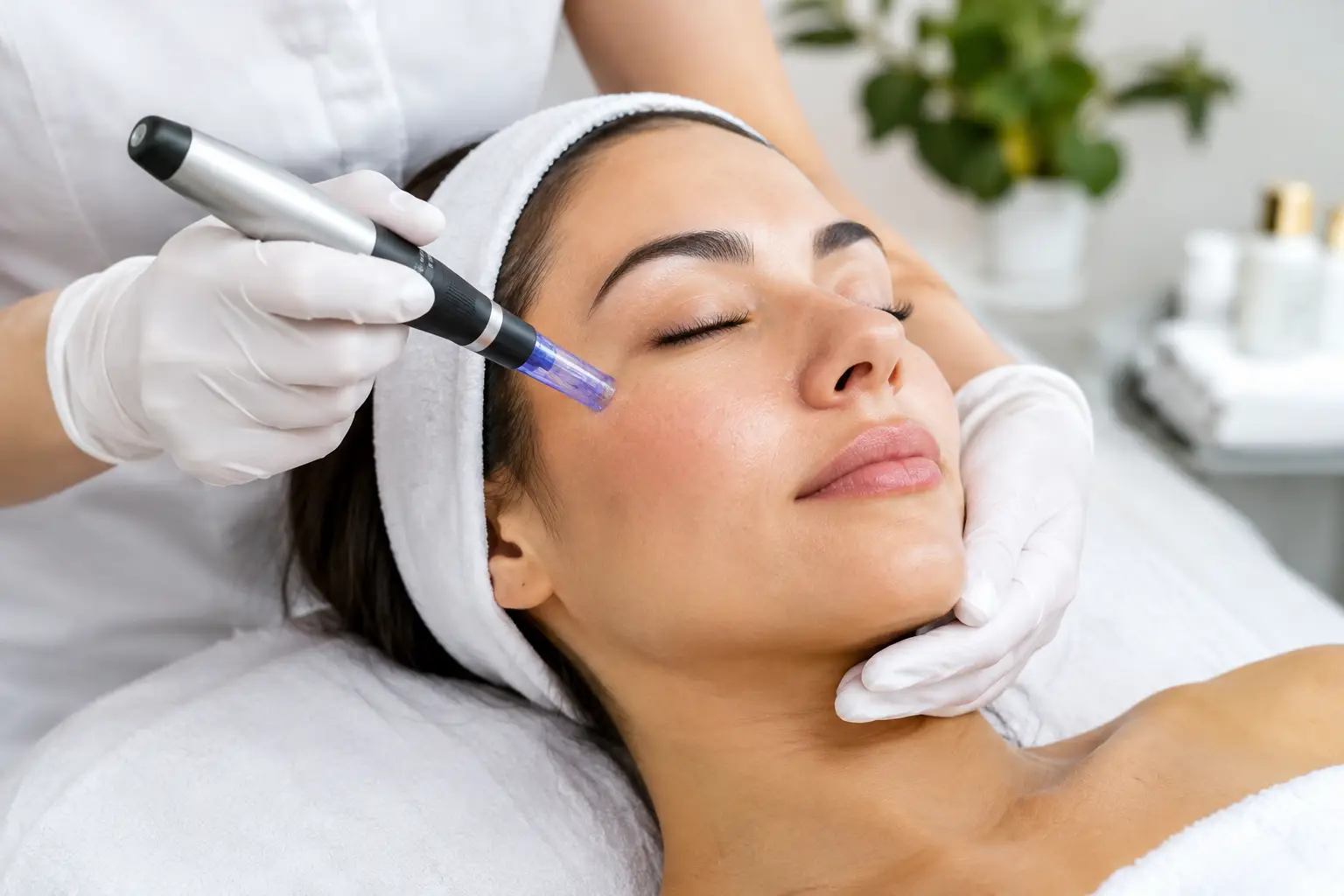
[…] With carefully placed injections, Botox can relax targeted muscle movement and soften the tension that contributes to lines. It may also be incorporated into a neck and jawline treatment approach when appropriate. Results typically begin to appear within several days and continue to settle over about two weeks. […]
[…] Botox How Long Does It Last? […]
[…] several days. Full results commonly develop around 10 to 14 days after treatment. Results often last about three to four months, although metabolism, treatment area, muscle strength, dosage, and regular treatment history can […]