
Joseph Ahmadi

Medically reviewed by Dr. Mo Maghaddasi, Medical Director at Clara Med Spa.
Last updated: August 11, 2026
Smile lines can make a face look warm and expressive, but when they start to linger at rest or deepen faster than expected, they often become one of the first features people want to soften. The best treatments for smile lines are not the same for everyone because these folds can come from different causes – volume loss, skin laxity, repeated movement, sun exposure, or a mix of all four.
At Clara Medical Spa in Thornhill, our dermal filler and facial contouring treatments serve clients from Thornhill, Vaughan, Richmond Hill, and across the GTA, including filler and Botox options for smile lines.
That is why a thoughtful treatment plan matters more than chasing a single trend. Some patients need support beneath the skin, some benefit most from collagen stimulation, and others see the best improvement with a combination approach designed to preserve natural facial movement while creating a fresher, smoother look.
What causes smile lines to deepen?
Smile lines, often called nasolabial folds, run from the sides of the nose toward the corners of the mouth. They become more noticeable with age, but aging is only part of the story. As the cheeks lose volume, the skin has less support. At the same time, collagen and elastin decline, making the skin thinner and less resilient.
Sun damage can speed up this process, especially if the skin has been exposed for years without consistent protection. Weight changes, genetics, and natural facial anatomy also play a role. Some people are simply more prone to stronger folds, even when they are relatively young.
This is why the mirror does not always tell the full story. Two people may both say they have smile lines, but one may need subtle filler in the midface while the other may respond better to skin tightening or resurfacing.
Best treatments for smile lines: what actually works?
The most effective options are usually non-surgical treatments that address the specific reason the lines have formed. A polished result comes from choosing the right tool, not the most aggressive one.
Dermal fillers for immediate softening
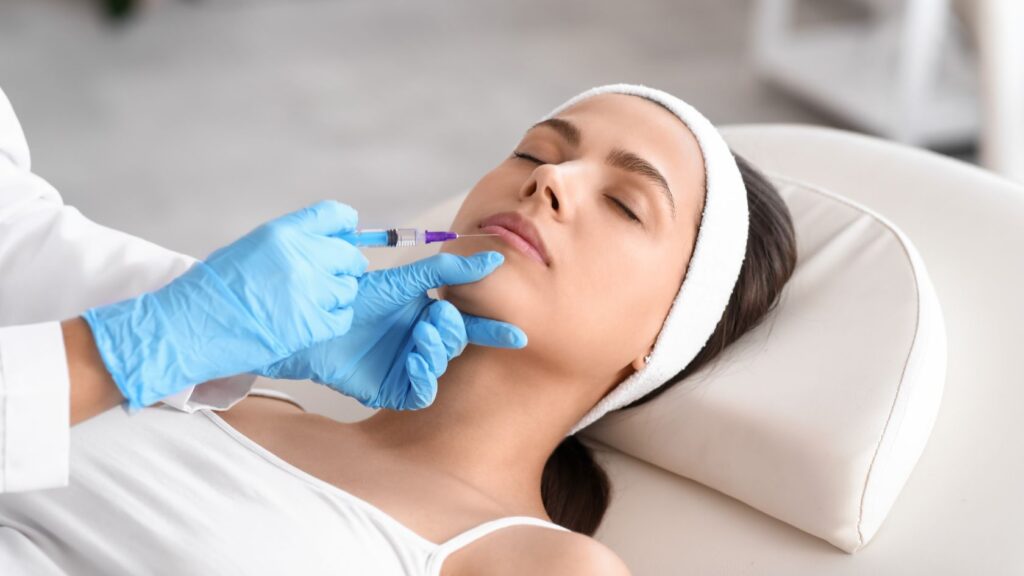
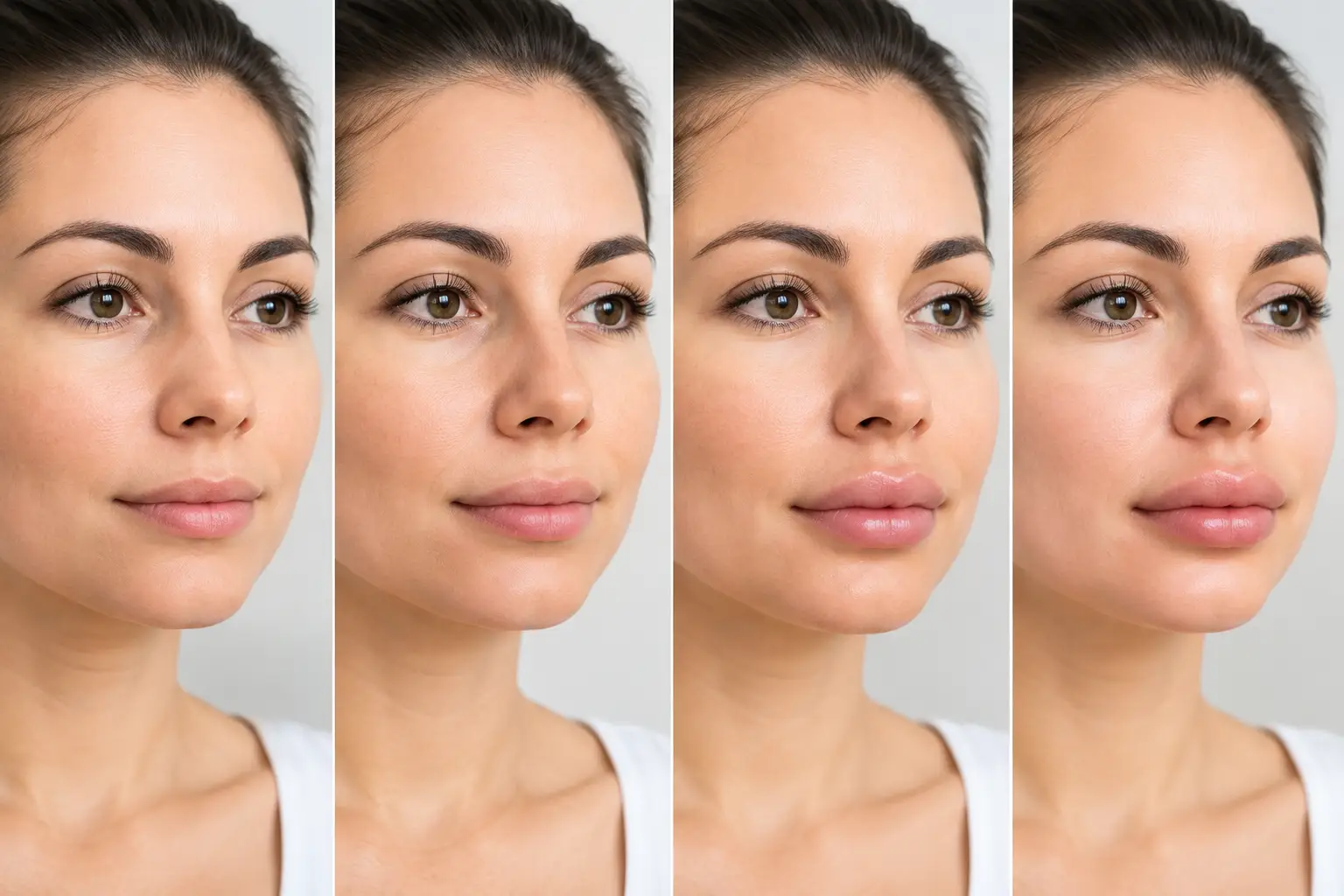
For many patients, dermal fillers are among the best treatments for smile lines because they can restore lost volume and soften folds with visible improvement right away. Hyaluronic acid fillers are often used to support the area around the smile lines directly or, in many cases, to lift the cheeks and reduce the heaviness that makes the folds look deeper.
This distinction matters. If too much filler is placed directly into the fold without addressing the surrounding structure, the result can look overdone. A more refined approach often treats the face as a whole, using careful placement to create support while maintaining natural expression.
Fillers are ideal for patients with moderate volume loss who want noticeable improvement without surgery. Results are temporary, but they can last many months depending on the product used, the treatment area, and the individual’s metabolism.
RF skin tightening for mild laxity
When smile lines are made worse by skin laxity, radiofrequency treatment can be an excellent option. RF face tightening works by delivering heat into the deeper layers of the skin to encourage collagen remodeling. Over time, this can improve firmness and help the skin sit more smoothly over the face.
This treatment is not an instant fix in the same way filler can be. It tends to work best for patients with early to moderate looseness who want gradual, natural-looking rejuvenation. It can also pair beautifully with injectables when both volume loss and skin laxity are contributing to the concern.
Microneedling for texture and collagen support
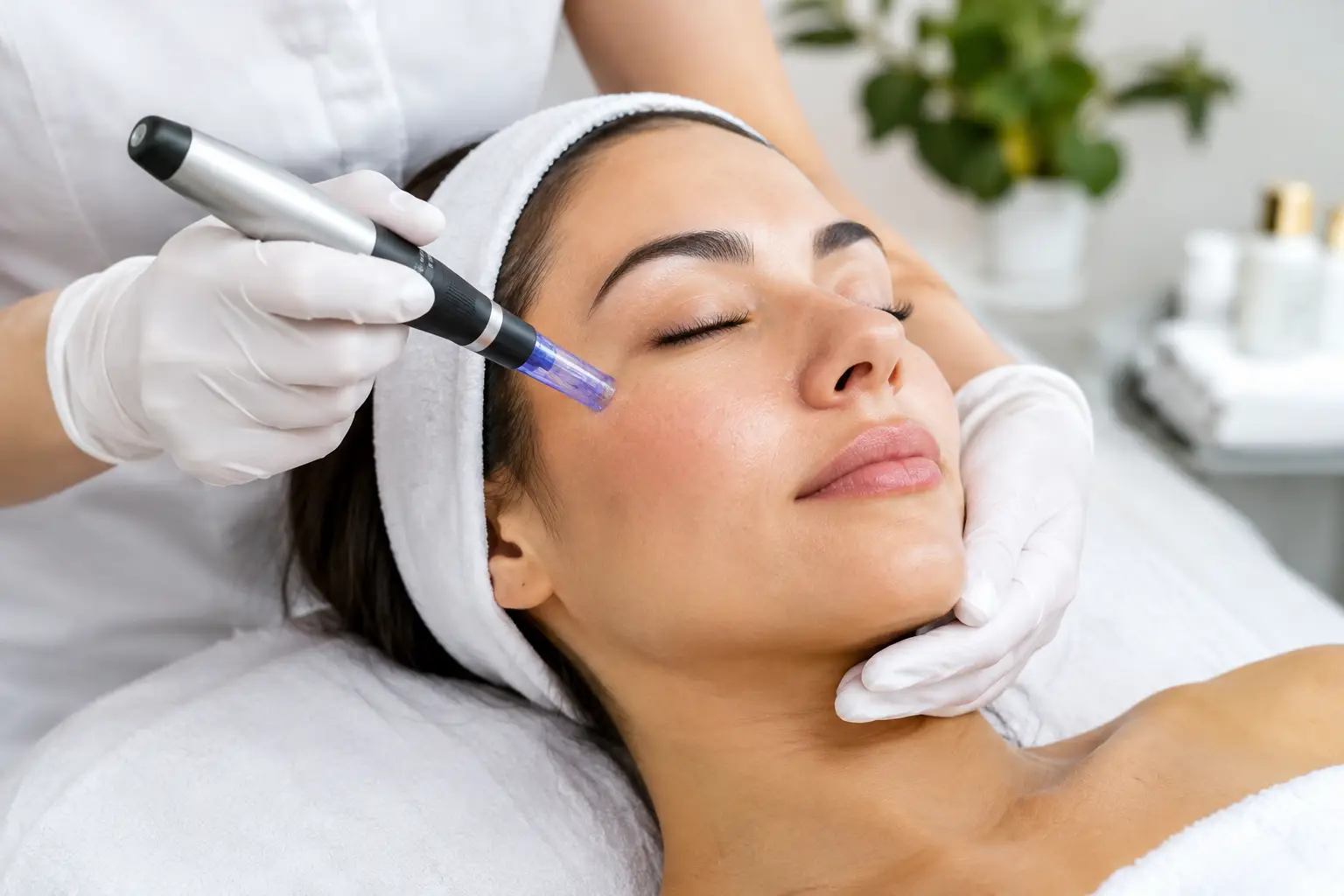
Microneedling, especially when combined with advanced regenerative add-ons such as exosome therapy, helps stimulate collagen and improve overall skin quality. If the skin around the smile lines looks crepey, thin, or sun-damaged, microneedling may help the area appear smoother and healthier.
This option will not replace volume the way filler does, so it is usually not the best standalone treatment for deep folds. Where it shines is in improving texture, supporting collagen production, and enhancing the overall finish of the skin. Patients who want a refreshed look rather than dramatic change often appreciate this approach.
Laser resurfacing for aging and sun damage
If smile lines are accompanied by visible sun damage, uneven tone, or more advanced textural aging, laser-based rejuvenation may be part of the plan. Resurfacing treatments can improve the skin’s surface and stimulate renewal, making lines appear softer and the complexion more youthful overall.
The trade-off is downtime. Depending on the technology and intensity used, lasers can require more recovery than filler or RF treatment. They are often best for patients who want broader skin correction, not just fold reduction alone.
Neuromodulators in select cases
Botox and similar wrinkle relaxers are not usually the primary treatment for classic smile lines. These folds are often caused more by structural aging than by muscle movement alone. Still, neuromodulators can be helpful in related areas, especially if dynamic movement around the mouth is contributing to a strained or downward appearance.
This is a more nuanced decision and should be handled carefully. Around-the-mouth treatment requires precision because too much relaxation can affect expression or function.
Combination treatment often gives the best result
One of the most common reasons patients feel disappointed is that they expect one treatment to solve a layered issue. Smile lines rarely happen for just one reason, so the most elegant outcome often comes from combining therapies.
A patient with cheek volume loss and mild skin laxity may do well with filler plus RF tightening. Someone with etched-in folds and sun damage may benefit from filler supported by microneedling or laser treatments. A younger patient with early lines may need only collagen-stimulating treatments and excellent skin maintenance.
This is where physician-led assessment makes a difference. The goal is not to erase expression. It is to soften heaviness, restore balance, and help the face look rested and naturally lifted.
How to choose the best treatment for your smile lines
The right choice depends on how your smile lines look at rest, how your skin quality has changed, and whether the issue is volume, laxity, or texture. If your folds appeared more quickly after weight loss or with cheek flattening, filler may be the most effective place to start. If the lower face feels less firm and the skin has started to descend, skin tightening may be a better investment.
Age matters less than anatomy. Some patients in their 30s already show clear fold development, while others in their 50s need only subtle refinement. The best plan is based on your face, not a generic age category.
Lifestyle and preference matter too. If you want immediate improvement for an event, filler is often the fastest route. If you prefer gradual change and lower maintenance, collagen-stimulating treatments may suit you better. If you want the most comprehensive improvement, a staged plan is often the smartest path.
What to expect from treatment
Natural-looking improvement is the standard most patients want, and for good reason. Overfilling smile lines can flatten the face and create an unnatural look, especially when the cheeks, jawline, and skin quality are ignored. The strongest results come from restraint, precision, and a full-face perspective.
Most non-surgical treatments involve little to moderate downtime. Fillers can cause temporary swelling or bruising. Microneedling may leave the skin pink for a short period. RF treatments are usually well tolerated with minimal interruption to daily life. Laser procedures vary more depending on the depth and intensity of treatment.
Results also have different timelines. Filler is typically visible quickly, while tightening and collagen-based treatments improve gradually over several weeks or months. That does not make one better than the other – it simply means they serve different purposes.
At a physician-led clinic such as Clara Medical Spa, this process starts with understanding what is causing the fold, what level of correction you want, and how to achieve it without making your face look treated. That balance is where good aesthetic medicine stands apart.
When surgery may be the better option
Non-surgical care can do a great deal, but there is a point where deeper folds are driven by advanced facial descent and tissue laxity. In those cases, a surgical consultation may be the more appropriate recommendation. A trustworthy provider should say so when needed.
That does not mean non-surgical treatments have no value. They can still improve skin quality and maintain results, but expectations should be realistic. The best treatment is not always the newest one. It is the one that fits the degree of aging you are actually seeing.
If smile lines are starting to make you look tired, stern, or older than you feel, there are effective ways to soften them without losing what makes your face yours. The most flattering results come from a personalized plan that respects your features, improves support where it is needed, and leaves you looking refreshed rather than changed.
Explore our dermal fillers in Thornhill and see the price list.
Frequently Asked Questions
Where can I get dermal fillers in Thornhill?
Clara Medical Spa is located at 1 Promenade Cir in Thornhill, inside the Promenade Shopping Centre, and treats clients from Thornhill, Vaughan, Richmond Hill, and the greater Toronto area.
How much do dermal fillers cost at Clara Medical Spa?
Fillers start at $300 per syringe. The number of syringes depends on your goals and anatomy, and your injector will give a clear estimate at your free consultation.
What is the best treatment for smile lines?
Dermal filler is commonly used for nasolabial folds, sometimes alongside other treatments. A consultation identifies the best fit.
Will smile line treatment look natural?
Conservative placement helps keep results soft and natural.
Related treatments & reading

[…] Best Treatments for Smile Lines […]
[…] Best Treatments for Smile Lines […]
[…] with an understanding of facial balance. A skilled provider can use them to restore cheeks, soften smile lines, improve chin projection, refine the jawline, reduce the appearance of under-eye hollows in […]
[…] gently restoring cheek support that has diminished over time. For another, it may mean softening deep smile lines, improving chin projection, or bringing subtle hydration and definition to the […]