
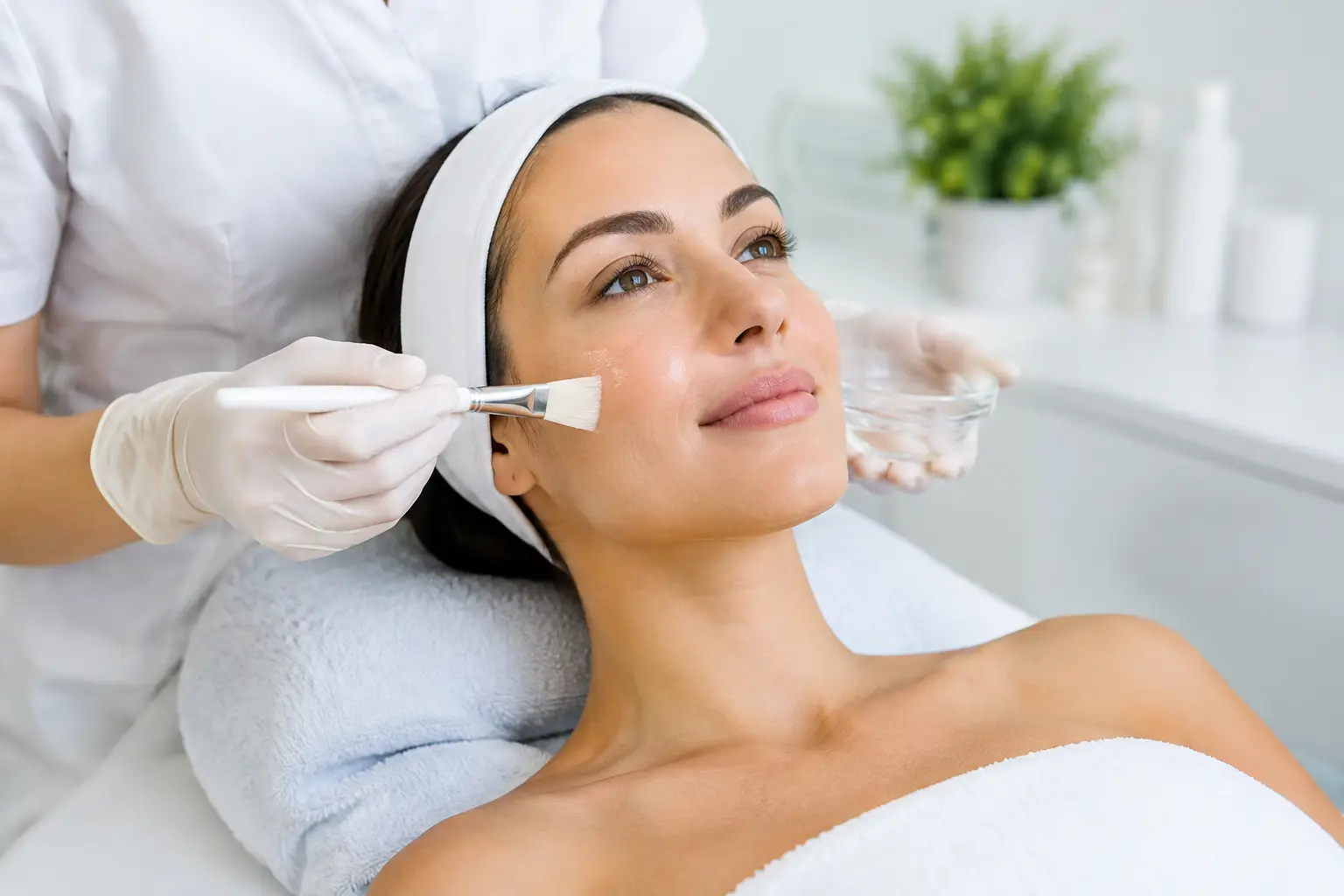
A chemical peel can bring renewed clarity, smoother texture, and a brighter-looking complexion, but the quality of your preparation matters as much as the treatment itself. Knowing how to prepare for chemical peels helps protect your skin barrier, reduce unnecessary irritation, and give your provider a clearer foundation for choosing the right peel for your goals.
At a physician-led medical spa, preparation is never one-size-fits-all. A light peel for dullness or mild congestion requires a different approach than a stronger peel designed to address visible sun damage, acne marks, or uneven pigmentation. Your skin type, current routine, recent treatments, and health history all shape the safest plan.
Start With a Personalized Skin Consultation
The best preparation begins before you adjust a single product. During your consultation, be open about what you would like to improve, whether that is fine lines, breakouts, dark spots, rough texture, or a tired-looking complexion. Your provider will assess your skin and recommend a peel that suits your concerns, complexion, and tolerance for downtime.
Bring up any history of cold sores, eczema, psoriasis, melasma, allergies, keloid scarring, or post-inflammatory hyperpigmentation. These details do not automatically rule out treatment, but they may affect the type, strength, and timing of your peel. People with deeper skin tones, for example, benefit from especially thoughtful peel selection and a careful pre- and post-treatment plan to help minimize pigmentation concerns.
You should also share whether you are pregnant, breastfeeding, prone to frequent facial irritation, or taking prescription medications. Do not stop a prescribed medication without guidance from the clinician who prescribed it. Your aesthetic provider can work with your medical history to determine whether treatment should be adjusted or postponed.
How to Prepare for Chemical Peels in the Week Before
Your goal in the days before a peel is simple: arrive with calm, intact skin. Avoid trying new skincare products, aggressive exfoliation, or a last-minute facial in the hope of enhancing your results. Overstimulating the skin before a peel can make it more reactive and can limit what your provider is able to do safely.
For most clients, this means pausing exfoliating ingredients several days before treatment. These may include retinoids or retinol, glycolic acid, salicylic acid, lactic acid, mandelic acid, exfoliating toners, facial scrubs, and at-home peel pads. The exact timing depends on the strength of your products and the peel you are receiving, so follow the instructions provided by your clinic rather than relying on a general schedule.
If you use prescription acne treatments or topical retinoids, ask specifically when to pause them. These products can be highly effective for skin renewal, but using them too close to a peel may increase dryness, redness, and sensitivity. The same applies to benzoyl peroxide, which can be irritating for some skin types.
Avoid waxing, depilatory creams, threading, dermaplaning, and electrolysis on the treatment area before your appointment. These methods can temporarily compromise the skin’s surface. Shaving is often fine for many clients, but confirm timing with your provider, especially if you are treating areas beyond the face.
Protect Your Skin From Sun Exposure
Sun exposure is one of the most common reasons a peel needs to be delayed. A recent tan, sunburn, or irritated skin barrier can raise the risk of an uneven response and unwanted pigmentation. Even when temperatures are cool, daily UV exposure can affect the skin.
Use a broad-spectrum sunscreen with SPF 30 or higher every morning, and reapply when you are outdoors for extended periods. A wide-brimmed hat and shade are worthwhile additions when possible. This is particularly important if you are preparing for a peel to improve brown spots or sun damage, since new UV exposure can work against the results you want to achieve.
Skip tanning beds completely before and after treatment. A peel is not the time to test how much sun your skin can tolerate. Protecting your complexion allows the treatment to focus on controlled renewal rather than recovery from avoidable damage.
Keep Your Routine Gentle and Consistent
A gentle routine is often the most elegant form of preparation. Use a mild cleanser, a simple moisturizer, and daily sunscreen. If your provider has recommended a specific pre-peel regimen, use it exactly as directed. Some clients may benefit from skin-conditioning products or pigment-supporting ingredients before treatment, while others need less activity in their routine.
Avoid picking at blemishes, squeezing blackheads, or using harsh spot treatments before your appointment. Inflamed or broken skin may need time to heal before it can be treated safely. If a new rash, cold sore, active infection, or significant breakout appears, contact the clinic before you arrive. Rescheduling may be the right choice, and it is far better than treating compromised skin.
Hydration also matters. Drinking water, moisturizing consistently, and avoiding excessive alcohol the evening before your appointment can help your skin feel more comfortable. These steps will not change your peel’s strength, but they support a healthier-looking skin barrier.
Plan Around Other Aesthetic Treatments
Chemical peels pair beautifully with a long-term skin rejuvenation plan, but timing matters. Let your provider know about recent or upcoming laser treatments, microneedling, injectables, facials, or skin-tightening procedures. Treatments that stimulate, exfoliate, or heat the skin may need to be spaced apart to avoid excessive sensitivity.
There is no universal calendar that applies to every treatment combination. A superficial peel may fit into your schedule differently than a medium-depth peel, and your provider will consider the area being treated, your skin condition, and your desired results. If you have an upcoming wedding, vacation, photo shoot, or major event, schedule your consultation early rather than booking a peel at the last minute.
Your provider can help you decide whether a series of gentle peels is better suited to your timeline than one more intensive treatment. Gradual progress can be an excellent choice when you want visible refinement with more predictable downtime.
What to Do on the Day of Your Peel
Come to your appointment with clean skin whenever possible. Skip makeup, self-tanner, heavy moisturizer, and active skincare products unless your clinic tells you otherwise. This gives your provider the clearest view of your skin and avoids unnecessary cleansing or product removal before treatment.
Wear comfortable clothing and plan for a relaxed evening afterward. Most superficial peels allow clients to return to normal activities quickly, but your skin may look pink or feel warm for a short period. Stronger peels can involve more noticeable peeling, tightness, or social downtime. Understanding this before your appointment makes the experience feel more comfortable and predictable.
It is also wise to have your post-peel essentials ready at home: a gentle cleanser, a bland moisturizer, and broad-spectrum sunscreen. Your provider may recommend additional recovery products based on your peel. Do not assume that your usual active serums can return immediately. Freshly treated skin needs patience.
Set Realistic Expectations for Results and Recovery
Chemical peels are highly customizable, but they are not a shortcut around good skin care. Some clients see an immediate glow after a light peel, while texture, discoloration, acne scarring, and fine lines often improve more gradually through a carefully planned series. Peeling itself is not the only sign that a treatment worked. Many effective superficial peels create subtle flaking or no visible peeling at all.
Recovery also varies. You may experience mild redness, dryness, tightness, or flaking, particularly around the nose and mouth. Resist the urge to pull or scrub peeling skin. Let it shed naturally, moisturize as instructed, and use sun protection faithfully. If you experience unusual swelling, blistering, increasing discomfort, or any concern that feels outside the instructions you received, contact your provider promptly.
Beautiful results come from thoughtful choices before and after treatment, not from pushing your skin too hard. At Clara Medical Spa, a personalized consultation can help you approach your peel with confidence, comfort, and a plan designed for naturally refreshed skin.