
A small bump, a low bridge, or a subtly drooping tip can change how the nose looks in photographs and profile views. A non surgical nose contouring guide begins with one essential point: dermal filler can refine selected proportions, but it does not make the nose smaller or replace surgical rhinoplasty. For the right candidate, however, precise treatment can create a straighter, more balanced appearance with no incisions and little downtime.
At Clara Medical Spa, nose contouring is approached as both a medical procedure and an aesthetic one. The goal is not to create a trendy or overfilled look. It is to assess your natural facial structure and make measured enhancements that look harmonious from every angle.
What Is Non Surgical Nose Contouring?
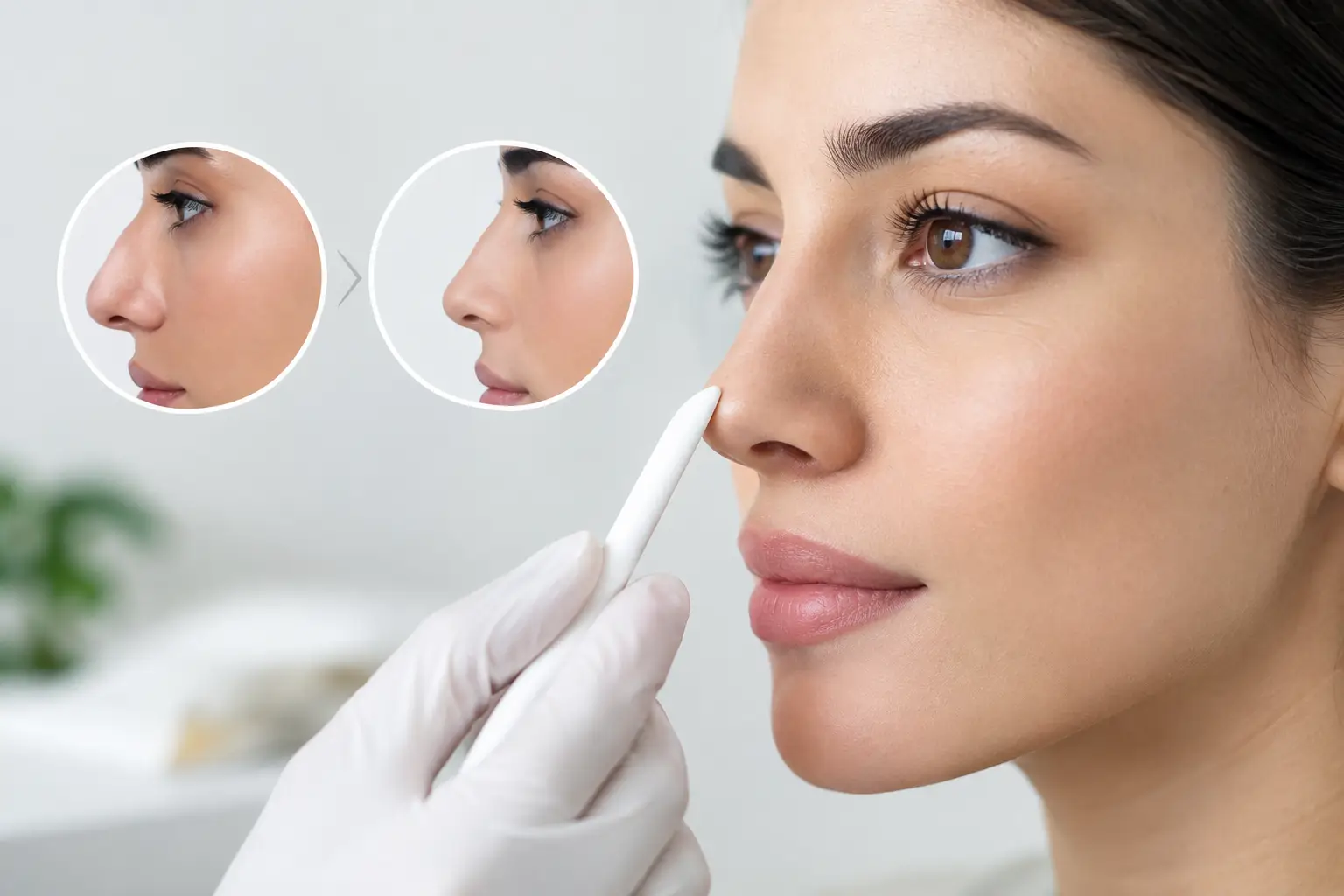
Non-surgical nose contouring, sometimes called a liquid rhinoplasty, uses a carefully selected hyaluronic acid dermal filler to add strategic volume to the nose. Although it may sound surprising, adding a small amount of volume can camouflage certain irregularities and improve the appearance of the nasal bridge, tip, or profile.
For example, filler placed above and below a mild dorsal hump may make the bridge appear smoother and straighter. Filler can also provide subtle support to a low bridge, improve the transition between the forehead and nose, or create a more refined-looking tip in appropriate cases.
This is a treatment of illusion and balance, not reduction. Because filler adds volume, it is usually not suitable for someone whose primary goal is a narrower or physically smaller nose. A thoughtful consultation is what separates a flattering refinement from a result that feels out of proportion.
Who Is a Good Candidate for Non Surgical Nose Contouring?
The best candidates generally have realistic expectations, are in good overall health, and want a temporary way to address a specific cosmetic concern. Many people choose this treatment before an event, after noticing profile asymmetry in photos, or because they want an alternative to surgery without a long recovery period.
You may be a candidate if you would like to soften the appearance of a small hump, add definition to a flat bridge, correct mild asymmetry, or gently elevate the look of the tip. Previous surgical rhinoplasty patients may also seek filler for minor irregularities, though this requires especially careful assessment.
Non-surgical contouring may not be the right option if you want to reduce nose size, correct substantial deviation, improve breathing, or make major structural changes. Active skin infections, certain medical conditions, pregnancy or breastfeeding, and a history of significant filler complications can also affect candidacy. Your provider should review your medical history, previous procedures, allergies, and aesthetic goals before recommending treatment.
The difference between correction and camouflage
This distinction matters. Surgical rhinoplasty changes the cartilage, bone, and internal structure of the nose. Dermal filler works externally by changing how light falls on the surface and how the nose relates to the rest of the face.
A skilled injector may make a hump less noticeable, but cannot remove it. They may improve the appearance of a low tip, but cannot correct a severe structural issue. Clear expectations protect both your safety and your satisfaction.
Why Provider Expertise Matters So Much
The nose is one of the highest-risk areas for cosmetic filler. It has a complex blood supply, and filler must be placed with exceptional knowledge of anatomy, depth, product behavior, and emergency protocols. This is not a treatment to choose based on a discount, a social-media trend, or before-and-after photographs alone.
Look for a qualified medical provider who has specific experience with nasal filler and who takes time to discuss risks honestly. An appropriate treatment plan includes a conservative approach, careful technique, and access to hyaluronidase, an enzyme that can dissolve hyaluronic acid filler when medically necessary or when an aesthetic adjustment is needed.
A responsible provider should never rush the appointment or pressure you to use more filler than your facial proportions require. In many cases, less produces the more elegant result.
Your Non Surgical Nose Contouring Consultation
A high-quality consultation should feel detailed and personalized. Your provider will assess the nose from the front, side, and three-quarter angles, as well as how it balances with your chin, lips, cheeks, and forehead. What appears to be a nasal concern may sometimes be influenced by facial proportions elsewhere.
You will discuss what you see in the mirror, what bothers you in photographs, and what outcome feels natural to you. It can help to bring reference images, but they should be used to communicate preferences rather than duplicate someone else’s anatomy.
Your provider may recommend treating the nose alone or may explain why another approach would better support your goal. For example, subtle chin balancing can sometimes improve profile harmony more effectively than adding extra filler to the nose. Personalized recommendations should always prioritize proportion and safety over a one-size-fits-all treatment plan.
What Happens During Treatment?
The appointment is typically brief, but precision matters more than speed. After cleansing the skin, your provider may apply topical numbing cream. Many modern fillers also contain lidocaine to improve comfort during injection.
Small amounts of filler are placed at carefully selected points. Your provider will assess the shape throughout the treatment, using gentle molding where appropriate. Most patients describe pressure or brief pinching rather than significant pain.
Visible changes are often immediate. There may be mild swelling, tenderness, redness, or bruising afterward, and these effects can temporarily affect the final appearance. It is wise to allow time for the area to settle before judging the outcome or scheduling photographs for an important occasion.
Recovery and Aftercare
One advantage of non-surgical nose contouring is the limited downtime. Most clients return to normal daily activities soon after their appointment. Still, the nose should be treated gently while the filler settles.
For the first 24 to 48 hours, avoid pressing on the nose, wearing heavy glasses if possible, intense exercise, excessive heat, and alcohol. Skip facials, massage, and any treatment that puts pressure on the area until your provider confirms it is appropriate. Sleep on your back if you can, and follow your individual aftercare instructions closely.
Do not try to massage, reshape, or correct the nose at home. If something feels unusual, contact your provider promptly rather than waiting for a follow-up appointment.
Symptoms that need immediate attention
Serious complications are uncommon, but they require urgent medical assessment. Contact your provider immediately if you experience severe or increasing pain, blanching or unusual discoloration of the skin, a net-like pattern of discoloration, coldness in the area, visual changes, or any symptom that concerns you. A reputable clinic will explain these warning signs before treatment and provide clear instructions for contacting the medical team.
How Long Do Results Last?
Results vary based on the filler used, the amount placed, your metabolism, and the movement of the area. Many clients enjoy their result for approximately 9 to 18 months, although this range is not a guarantee. Some people need a small maintenance treatment sooner, while others retain their contour longer.
Hyaluronic acid filler is often preferred for non-surgical nose contouring because it is temporary and can be dissolved if needed. That reversibility is a meaningful safety consideration, but it should not make the treatment seem casual. Every injection deserves careful planning.
Choosing a Natural-Looking Result
The most attractive result rarely announces itself. It simply makes the profile feel more balanced and the nose appear smoother, straighter, or more refined without changing your identity.
Natural outcomes come from restraint. Rather than chasing a perfectly straight line or an exaggerated lifted tip, choose a provider who respects the relationship between your nose and the rest of your features. Facial harmony is more enduring than a dramatic trend.
If you are considering non-surgical nose contouring, begin with a consultation where your questions are welcomed and your safety is treated as seriously as your aesthetic goals. The right plan should leave you feeling informed, comfortable, and confident in a result that still looks unmistakably like you.