
A face can look tired for very different reasons. Fine creasing around the mouth, softer cheeks, enlarged pores, acne scarring, and a less-defined jawline may appear at the same time, but they do not respond to the same treatment. That is why the choice between rf microneedling versus fillers should begin with the concern you want to correct, not with the procedure that happens to be trending.
Both treatments can create refreshed, natural-looking results when they are selected carefully. But they work in entirely different ways. RF microneedling focuses on skin quality and firmness over time. Dermal fillers restore or refine facial shape by replacing volume where it has been lost. For many patients, the most polished result comes from understanding where one treatment ends and the other begins.
RF Microneedling Versus Fillers: The Core Difference
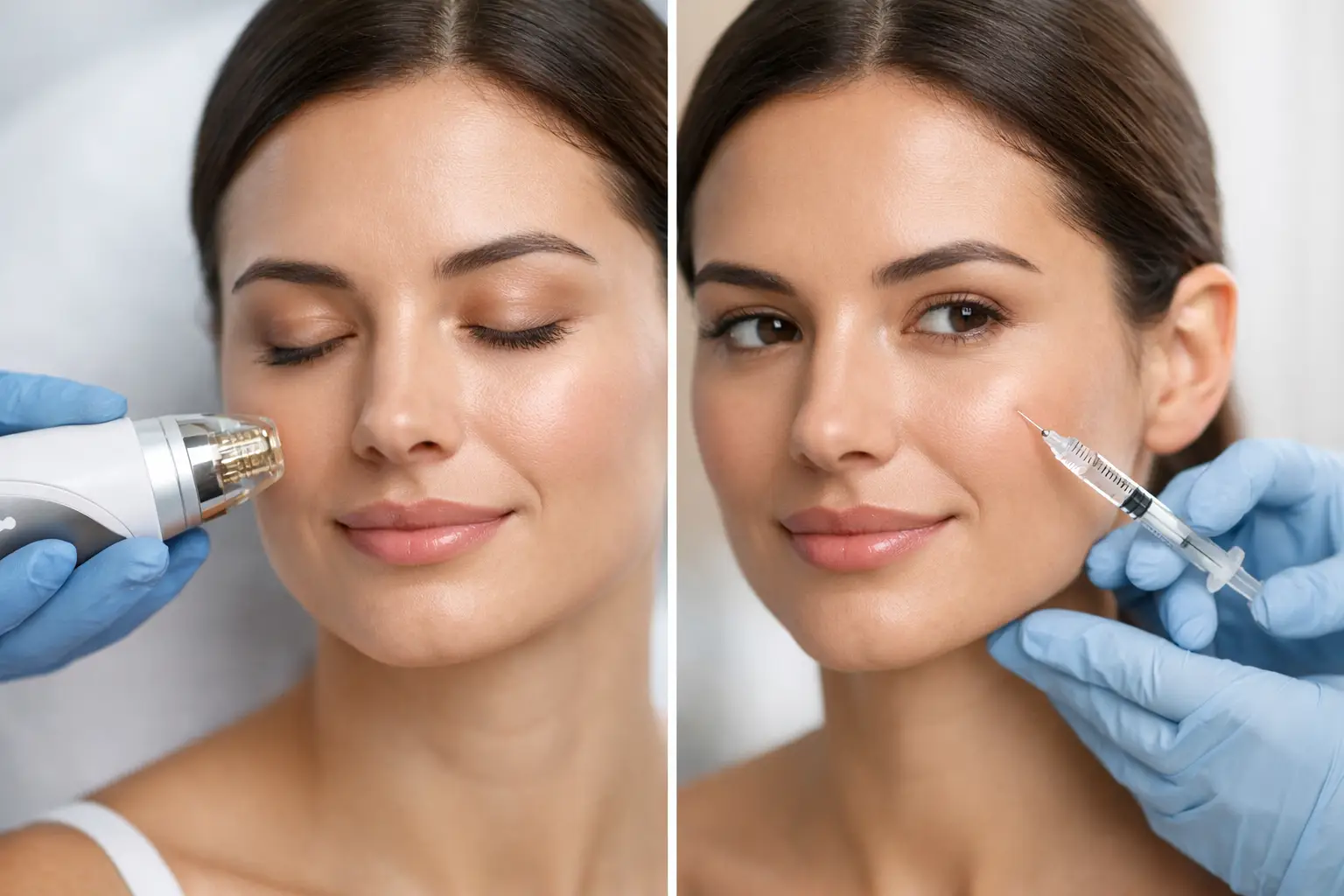
RF microneedling uses very fine needles to create controlled microchannels in the skin while delivering radiofrequency energy into deeper layers. This combination encourages the skin’s natural collagen and elastin response. The goal is not to add volume. It is to improve the structure and appearance of the skin itself.
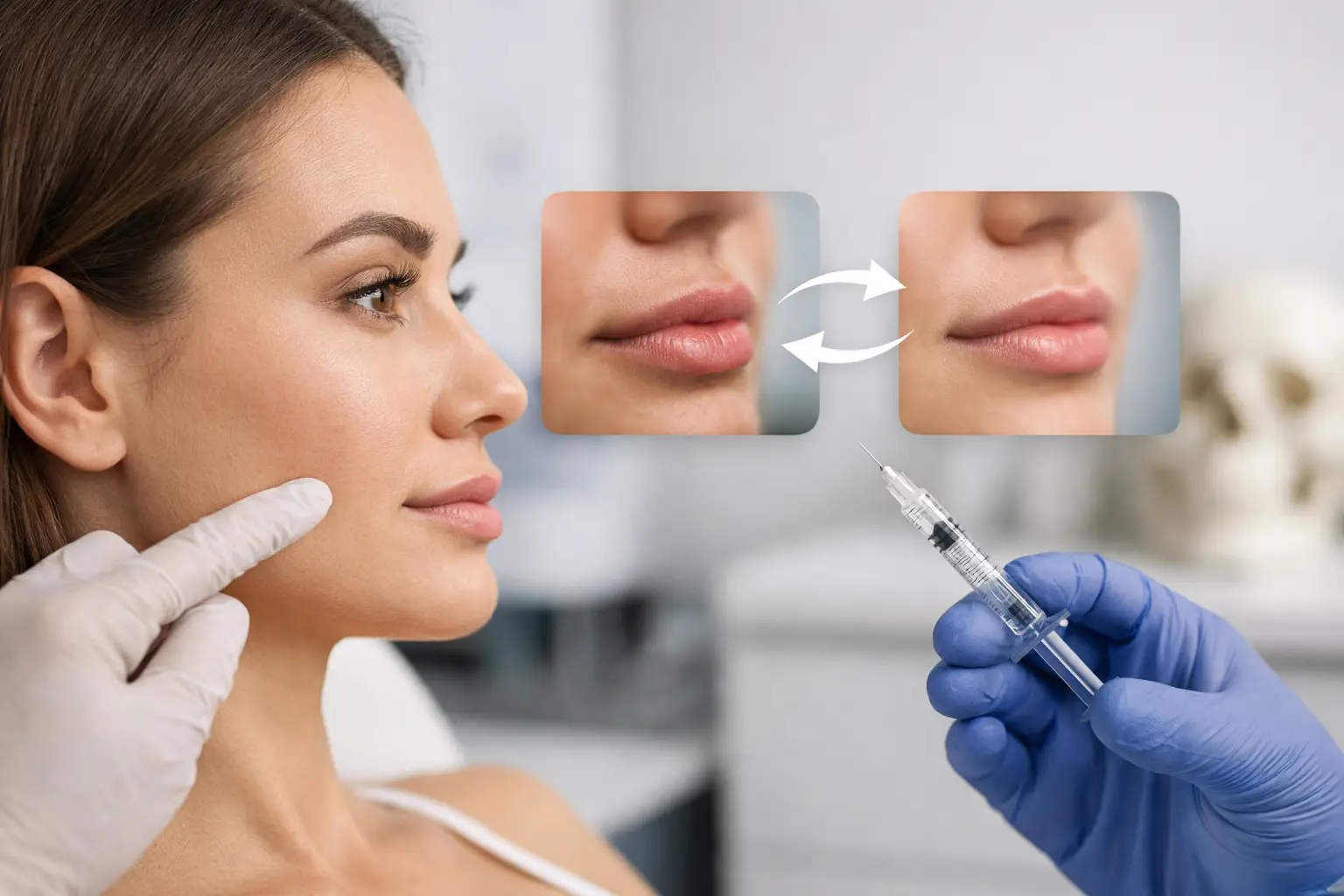
Dermal fillers are injectable gels, most commonly made with hyaluronic acid, that are placed beneath the skin to restore lost volume, soften folds, enhance contours, or improve balance in specific facial areas. A thoughtfully placed filler can support the cheeks, refine the chin, soften smile lines, or add subtle definition to the lips.
Put simply, RF microneedling improves the canvas. Fillers reshape or restore what sits beneath it. A patient concerned about crepey skin under the eyes may need a different approach than someone whose cheeks have flattened with age, even if both feel that their face looks less youthful.
When RF Microneedling May Be the Better Choice
RF microneedling is often a strong option when the main concern is texture rather than missing volume. It can be considered for enlarged pores, early skin laxity, fine lines, acne scars, uneven texture, and a dull or rough-looking complexion. Because radiofrequency energy reaches beneath the surface, it can offer more skin-tightening support than traditional microneedling alone.
This treatment is especially appealing for clients who want gradual, natural improvement without changing their facial features. Results develop as collagen remodeling takes place, typically over several weeks and months. A series of treatments is commonly recommended, since collagen-building is a process rather than an instant correction.
RF microneedling can be used in areas where fillers may not be the first answer, such as the lower face, neck, or areas affected by textural scarring. It does not replace lost cheek volume or fill a deep hollow, but it may help skin look smoother, firmer, and more refined.
Downtime is usually manageable but real. Redness, warmth, mild swelling, and a sunburn-like appearance can occur for a few days. Skin needs gentle care and diligent sun protection afterward. Your provider may also recommend pausing certain active skincare ingredients before and after treatment.
Who may need a different treatment plan
RF microneedling is not appropriate for every skin or health situation. Active acne, open lesions, certain infections, a history of problematic scarring, pregnancy, implanted electronic devices, and some medications or medical conditions may affect candidacy. A professional assessment is essential, particularly for clients with melasma, deeper skin tones, or a history of post-inflammatory pigmentation, where settings and preparation need to be selected with care.
When Fillers May Be the Better Choice
Fillers are designed for a concern that RF microneedling cannot directly solve: volume loss and structural change. With age, facial fat pads shift and diminish, bone support changes, and the skin has less underlying framework. The result may be hollow temples, flatter cheeks, shadows under the eyes, deeper folds, or a jawline that appears less defined.
In these cases, a precisely placed filler can create an immediate improvement. The best outcomes do not look overfilled or dramatically altered. They look rested, balanced, and proportionate to the individual face. This is where medical knowledge and aesthetic judgment matter as much as the product itself.
Fillers may be used to enhance the cheeks, chin, jawline, lips, and selected folds or hollows. The ideal placement depends on facial anatomy, skin thickness, movement, and your overall proportions. Treating a line directly is not always the most elegant approach. Sometimes restoring support higher in the face creates a softer, more natural improvement below.
Results can be visible immediately, although temporary swelling or bruising may occur. Depending on the filler type, treatment area, and individual metabolism, results may last from several months to well over a year. Fillers are temporary, but they should never be treated casually. They require skilled injection technique, appropriate product selection, and a provider who knows when less is more.
The safety conversation matters
As with any injectable treatment, fillers carry risks. These can include swelling, bruising, asymmetry, tenderness, lumps, infection, and, rarely, more serious vascular complications. Choosing a qualified medical provider with detailed knowledge of facial anatomy is central to safe care. During consultation, disclose medications, allergies, previous filler treatments, and any history of autoimmune conditions or cold sores when relevant.
Can You Combine RF Microneedling and Fillers?
Yes, in many cases, the treatments can complement one another beautifully. A filler treatment may restore facial support and contour, while RF microneedling addresses the fine lines, pores, laxity, or texture on the skin’s surface. One treatment enhances shape; the other helps improve skin quality.
Timing matters. The right sequence depends on the areas being treated, the type of filler used, and your treatment goals. Applying energy-based treatments over recently placed filler without appropriate planning may affect the filler or create unnecessary irritation. Your provider should create a schedule that protects your results rather than treating every concern at once.
A combined plan can be particularly helpful for patients who say, “I look tired, but I do not want to look different.” Rather than relying heavily on filler to compensate for thin, lax, or textured skin, a balanced approach can preserve natural expression while improving overall facial harmony.
How to Decide Between the Two
The most useful question is not, “Which treatment is better?” It is, “What is creating the change I see in the mirror?” If your skin looks rough, loose, scarred, or finely lined, RF microneedling may be a better starting point. If your face appears hollow, flat, or less supported, fillers may be more appropriate.
Age alone is not the deciding factor. Someone in their 30s may benefit from filler for genetically hollow under-eyes or a recessed chin, while someone in their 50s may prioritize RF microneedling for texture and creasing. Many clients have a combination of concerns, which is why a personalized evaluation is more valuable than choosing from a menu.
Consider your timeline as well. Fillers may suit an event-focused goal because results are visible quickly, though it is wise to allow time for swelling to settle. RF microneedling is better suited to someone willing to invest in a gradual collagen-building process. Budget, downtime tolerance, previous treatments, and comfort with maintenance also belong in the decision.
What a Personalized Consultation Should Include
At Clara Medical Spa, treatment planning begins with a close look at your skin, facial proportions, and goals. A meaningful consultation should go beyond identifying a wrinkle or hollow. It should assess skin elasticity, volume distribution, muscle movement, existing asymmetry, sun damage, and the way your concerns interact.
You should also leave with clear expectations. Ask how many RF microneedling sessions may be recommended, when you can expect to see changes, what recovery involves, and whether maintenance treatments are likely. For fillers, ask which areas are being treated, why that placement was chosen, what product is recommended, and what to do if you experience unexpected symptoms after your appointment.
The right plan should never make you feel pressured to do more than you need. Natural-looking aesthetic care is often a matter of precision, patience, and selecting the treatment that respects your features.
If you are deciding between RF microneedling and fillers, bring a few clear photos of yourself from years ago to your consultation. They can reveal whether the change is primarily skin quality, lost support, or both, and help guide a treatment plan that still looks unmistakably like you.