

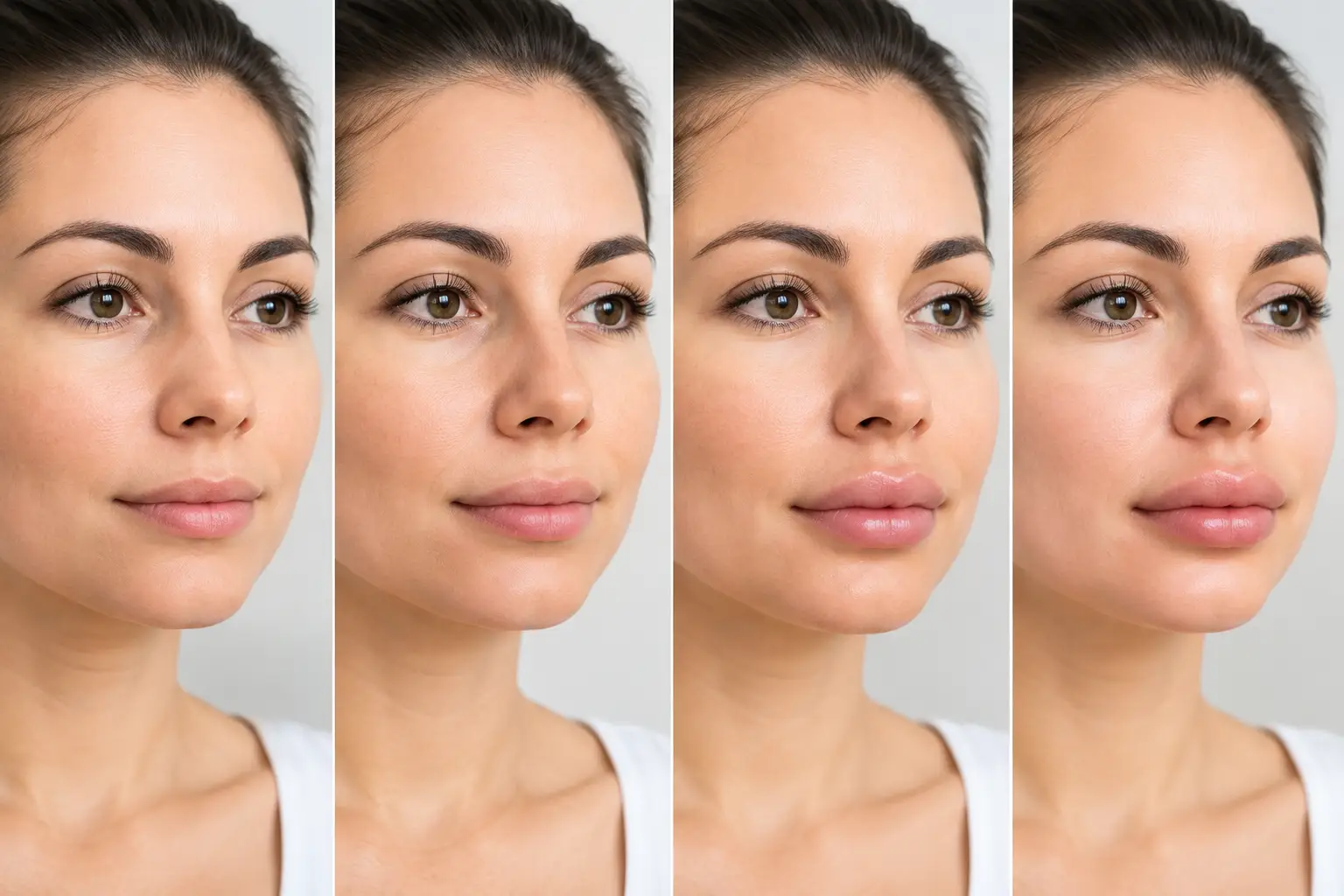
A face can look tired long before it looks wrinkled. Hollow cheeks, softer jawline definition, temples that have lost fullness, and a less supported mid-face can subtly change the way you see yourself in photos and the mirror. When considering Sculptra vs fillers, the best choice is not about choosing the newest treatment or the longest-lasting one. It is about choosing the right approach for your facial structure, concerns, timeline, and desired level of correction.
At Clara Medical Spa in Thornhill, we offer both Sculptra and dermal fillers, and an in-person consultation is the best way to decide which fits your face. We welcome clients from Thornhill, Vaughan, Richmond Hill, and across the GTA.
Both treatments can restore volume and create a refreshed, natural-looking appearance without surgery. They work very differently, however. Understanding those differences makes it easier to move forward with confidence.
Sculptra vs Fillers: The Main Difference
Dermal fillers provide immediate volume. Most commonly made with hyaluronic acid, they are carefully placed beneath the skin to soften folds, enhance contours, replace lost volume, or refine features such as the lips, chin, cheeks, and jawline. The result is often visible before you leave the clinic, although mild swelling can temporarily affect the final appearance.
Sculptra is a collagen-stimulating injectable made with poly-L-lactic acid. Rather than acting like a traditional gel filler that physically fills an area right away, it encourages your body to gradually rebuild collagen. The change develops over time, creating a more gradual restoration of facial support and volume.
In simple terms, fillers are often ideal when you want precise, visible enhancement now. Sculptra is better suited to patients who want a gradual, broader improvement in areas affected by age-related collagen loss.

What Dermal Fillers Can Treat
Fillers are remarkably versatile when selected and injected with an understanding of facial balance. A skilled provider can use them to restore cheeks, soften smile lines, improve chin projection, refine the jawline, reduce the appearance of under-eye hollows in appropriate candidates, and enhance lip shape or hydration.
Their greatest advantage is precision. If you are bothered by a specific feature or want to see a change for an upcoming event, filler can provide a controlled and targeted result. Different filler formulations are designed for different tissues. A soft, flexible filler may suit the lips, while a firmer product can provide structure in the chin or jawline.
Most hyaluronic acid fillers last from several months to roughly two years, depending on the formula, placement, metabolism, and amount used. Since hyaluronic acid fillers can generally be dissolved when medically appropriate, they may also appeal to first-time injectable patients who value flexibility.
That said, more filler is not always better. Repeatedly filling a face that needs broader structural support can eventually create a look that feels heavier or less natural. This is where a thoughtful assessment matters more than simply treating the line or hollow you notice first.
How Sculptra Creates Gradual Facial Rejuvenation
Sculptra is often chosen by patients who feel their face has become less full overall. It can be especially helpful for diffuse volume loss in the cheeks, temples, and lower face, where restoring collagen support may create a rested, healthier appearance without changing individual features dramatically.
Treatment usually involves a series of appointments spaced several weeks apart. The number of sessions depends on your starting point, facial anatomy, and treatment goals. Some patients notice an early fullness from the sterile water used to dilute the product, but this initial effect fades quickly. The meaningful result appears gradually as collagen production increases over the following weeks and months.
This slower timeline is a trade-off. Sculptra is not the right choice when you need a defined result by next weekend. But for someone who prefers a subtle evolution that friends may notice as “you look well” rather than “you had work done,” its gradual nature can be a major advantage.
Results may last two years or longer for many patients, though collagen aging continues and maintenance may eventually be recommended. Longevity should never be the only deciding factor. The right treatment is the one that fits the area being treated and the result you want to achieve.
Which Treatment Is Better for Your Concerns?
Neither option is universally better. The treatment plan should reflect what is changing in your face, not just what is popular online.
Fillers are often preferred for feature-focused enhancement and areas requiring immediate, exact shaping. Lip enhancement, chin contouring, jawline definition, and correction of a localized hollow are common examples. They can be an excellent choice for a patient who wants refinement with minimal downtime and a result that can be assessed right away.
Sculptra may be the stronger option when volume loss is widespread and the goal is to restore the facial foundation more gradually. It is generally not used for the lips and is not typically the first choice for delicate under-eye concerns. Its role is broader: helping rebuild the collagen framework that supports a youthful facial contour.
Many of the most elegant treatment plans use both. Sculptra can address overall support in the mid-face and temples, while filler can add precise definition to a chin, jawline, or lips. The result should look balanced, never overfilled.
Timing, Downtime, and Maintenance
Both treatments are minimally invasive, but planning matters. With fillers, temporary swelling, tenderness, redness, or bruising can occur. It is wise to schedule treatment at least two weeks before an important event, particularly if you are new to injectables or prone to bruising.
Sculptra can also cause temporary swelling, bruising, or soreness at injection sites. Because it works gradually, it is best started well before a wedding, milestone birthday, or major photo event. Patients are typically given aftercare instructions that may include massage guidance, depending on the treatment area and product protocol.
Maintenance looks different for each option. Fillers may need periodic touch-ups as the product naturally breaks down. Sculptra may involve an initial series followed by occasional maintenance based on how your skin and facial volume change over time.
Safety and the Importance of Provider Expertise
Injectables are medical treatments, not one-size-fits-all beauty services. Both fillers and Sculptra should be performed by an experienced medical injector who understands facial anatomy, product selection, and conservative technique.
Every injectable treatment has potential risks, including swelling, bruising, asymmetry, infection, and unsatisfactory cosmetic results. Filler also carries rare but serious vascular risks, which is why proper technique and prompt recognition of complications are essential. With Sculptra, careful placement and appropriate patient selection help reduce the chance of nodules or unevenness.
A detailed consultation should include your medical history, previous injectable treatments, allergies, medications, aesthetic goals, and timeline. Be open about any past filler, especially if you are unsure what product was used or where it was placed. A safe plan begins with complete information.
Frequently Asked Questions About Sculptra vs Fillers
Can Sculptra replace filler completely?
Not always. Sculptra is not designed for every facial area and does not provide the immediate, sculpted effect that filler can offer. It may reduce how much filler you need in certain areas by improving overall facial support, but the two treatments have different strengths.
Is Sculptra more natural-looking than filler?
Both can look natural when used well. Sculptra tends to create a gradual result because it stimulates collagen over time. Filler can also look exceptionally natural when the product, placement, and amount are tailored to the individual rather than overdone.
What if I am new to injectables?
First-time patients often benefit from a conservative plan. A small amount of filler may be appropriate for a specific concern, while Sculptra may appeal if your goal is gradual collagen renewal. The best starting point depends on your anatomy, not your experience level.
At Clara Medical Spa, a physician-led consultation can help you look beyond a single treatment and see the full picture: skin quality, facial proportions, volume loss, and the subtle details that make results feel like you. The most beautiful result is rarely the most dramatic one. It is the one that lets you look rested, confident, and naturally refreshed in every light.
Compare your options on our dermal filler and facial contouring page or read What Is Sculptra and How Does It Work? Hyaluronic acid fillers start at $300 per syringe; see the price list.
Frequently Asked Questions
Is Sculptra better than filler?
Neither is universally better. Fillers add volume immediately and suit precise areas like lips or chin, while Sculptra builds collagen gradually and suits broader volume loss. The right choice depends on your face and goals.
How long does Sculptra last compared with filler?
Sculptra results can last up to two years or longer, though response varies. Filler duration depends on the product and area treated.
Can Sculptra and filler be combined?
Often, yes. An experienced injector may recommend Sculptra for overall support and filler to fine-tune definition.
How much do fillers cost in Thornhill?
Fillers at Clara Medical Spa start at $300 per syringe. Sculptra and combination plans are quoted at your free consultation, since they depend on how much volume you need.
Related treatments & reading


[…] your options? Read Sculptra vs fillers, our guide to facial contouring fillers, or explore our dermal filler treatments in […]
[…] Sculptra vs Fillers: Which Is Better for Your Face? […]