
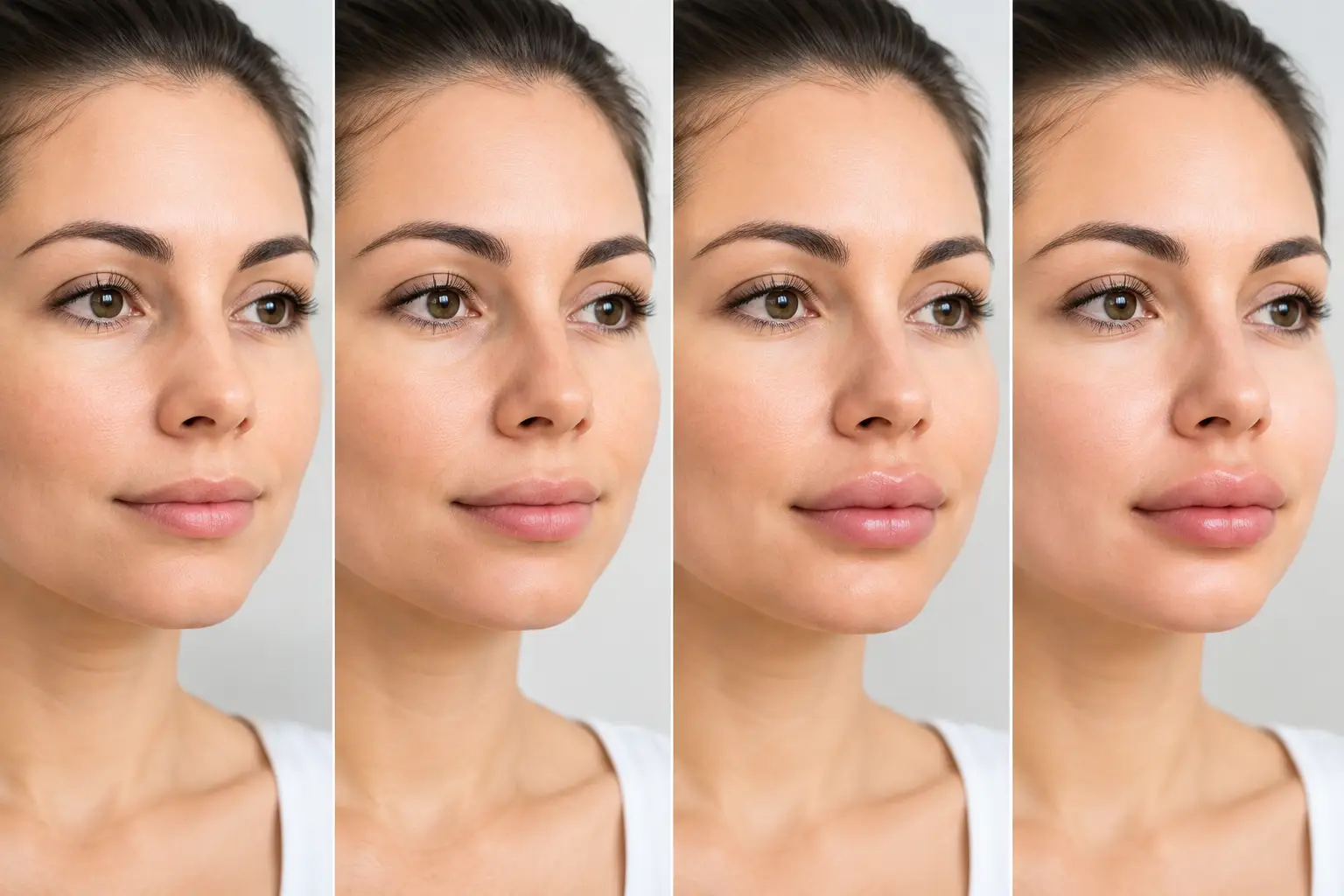
A beautifully placed dermal filler should enhance your features, not leave you guessing whether something is wrong. Yet filler swelling day by day can look different in the mirror, especially during the first 48 hours. Lips may appear fuller than planned, cheeks can feel firm, and the treated area may look slightly uneven before it settles.
This early phase is usually part of the healing process. Knowing what to expect helps you protect your results, avoid unnecessary worry, and recognize the few situations where prompt medical guidance matters.
Why Dermal Filler Causes Swelling
Most modern fillers are made with hyaluronic acid, a substance that naturally attracts water. That quality helps restore soft, youthful-looking volume, but it can also contribute to temporary puffiness after treatment. The injection process itself creates a small amount of controlled trauma in the skin and underlying tissue, which prompts a normal inflammatory response.
How much swelling you see depends on several factors: the area treated, the amount and type of filler used, your individual anatomy, and how your body heals. Lips tend to swell more noticeably than the cheeks, jawline, or chin because lip tissue is delicate and highly vascular. Under-eye filler can also appear puffy, as this area has thin skin and can hold fluid more visibly.
Your treatment plan matters, too. A thoughtful, conservative approach is often the best path to natural-looking results. At Clara Medical Spa, filler treatments are planned with facial balance, your starting anatomy, and the gradual settling process in mind, rather than judging the final result on treatment day.
Filler Swelling Day by Day: A Typical Timeline
Every patient heals differently, but most people follow a familiar pattern. The key is to evaluate your appearance over days, not hour by hour.
Treatment day
Immediately after your appointment, mild redness, tenderness, and pinpoint marks at the injection sites are common. Swelling may begin right away or build gradually over the evening. The area can feel firmer or slightly lumpy at first, particularly if you have had filler in the lips or around expression lines.
You may look more enhanced than expected on the first day. This is not the time to decide whether you need more filler or whether the result is too full. Avoid pressing, massaging, or trying to reshape the area unless your injector has specifically instructed you to do so.
Days 1 and 2
For many patients, swelling peaks during the first 24 to 48 hours. Lip filler may look especially pronounced in the morning, after lying flat overnight. Bruising can become more visible during this window, changing from pink or red to purple, blue, or yellow as it heals.
Mild asymmetry can also be more apparent while one side swells slightly more than the other. This can be unsettling, but it does not automatically mean the filler was placed unevenly. Give your body time to calm before assessing symmetry.
Days 3 through 5
By this point, swelling usually begins to improve. The treated area often feels less tender, and the filler starts to look more integrated with your natural contours. Small areas of firmness may remain, especially in the lips, cheeks, or smile lines.
Do not repeatedly check or manipulate the area. Constant touching can irritate the tissue and make it harder to tell whether swelling is genuinely improving. A single daily photo in consistent lighting is a more reliable way to track progress than close mirror inspections throughout the day.
Days 6 and 7
Most visible swelling should be significantly reduced within a week. Bruising may still be present, but it is usually easier to conceal. Your facial features should look softer and closer to the intended result.
Some patients are fully settled by this stage, while others need a little longer. Under-eye treatment, larger-volume cheek enhancement, and lip filler can take additional time to refine. If you have an important event, schedule filler at least two weeks ahead whenever possible.
Around two weeks
Two weeks is the usual milestone for evaluating dermal filler results. By then, residual swelling has generally resolved, the product has integrated, and your injector can assess whether the result is balanced and aligned with your goals. A follow-up is also the appropriate time to discuss a small adjustment, if one is needed.
How to Reduce Swelling Without Compromising Results
Gentle aftercare can make the recovery period more comfortable. Apply a cool compress wrapped in a clean cloth for short intervals during the first day. Do not place ice directly on the skin, and do not press firmly on the treated area.
Sleep with your head slightly elevated for the first night or two, particularly after lip, cheek, or under-eye filler. This can help reduce morning puffiness. Staying well hydrated, eating normally, and allowing your body time to recover are also beneficial.
For the first 24 to 48 hours, it is wise to avoid strenuous workouts, intense heat, saunas, hot tubs, and prolonged sun exposure. These can increase circulation and make redness or swelling more noticeable. Limit alcohol and very salty foods, which may contribute to fluid retention for some people.
Makeup can often be worn the next day if the skin is intact, but use clean brushes and a light hand. If you bruise easily, your provider may recommend discussing medications and supplements before future appointments. Never stop prescribed medication without direction from the clinician managing your care.
What Not to Do After Filler
The temptation to “fix” swelling at home is understandable, but it can interfere with healing. Do not massage the filler, use facial tools, schedule a deep facial massage, or apply aggressive skincare unless your injector has cleared it. Avoid dental work for approximately two weeks when possible, especially after filler around the mouth, jawline, or cheeks, because prolonged pressure and inflammation can be unhelpful during early healing.
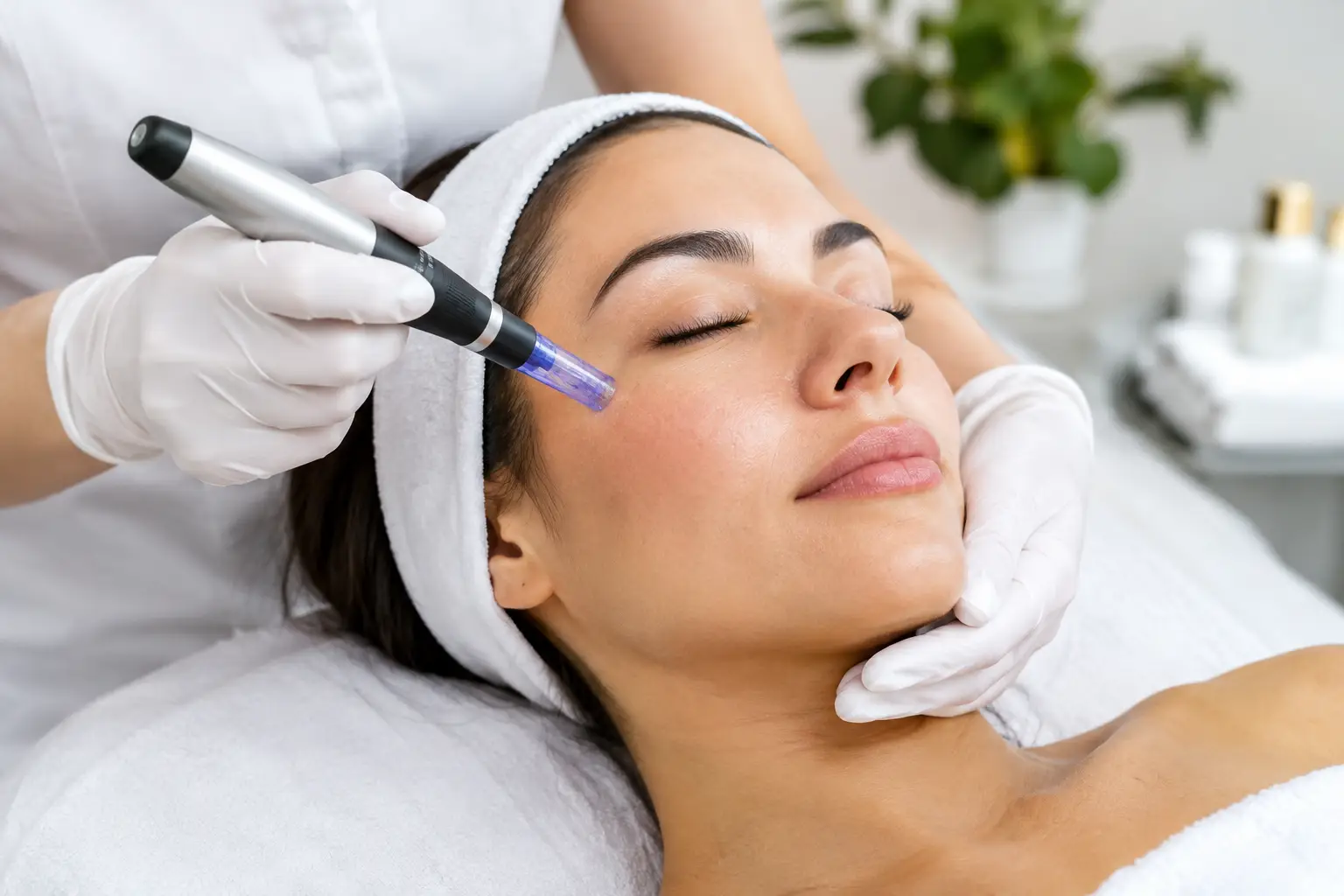
It is also best to postpone other facial treatments, including laser procedures, microneedling, chemical peels, and radiofrequency treatments, until your provider confirms the timing is appropriate. Your skin deserves a calm recovery period.
When Filler Swelling Needs Medical Attention
Most swelling is mild and temporary, but a reputable medical aesthetics provider will always take your concerns seriously. Contact your injector promptly if swelling is worsening rather than improving after the first few days, if you develop increasing warmth, redness, significant pain, discharge, or fever, or if you notice a new rash or persistent itching.
Severe pain, skin that turns pale, dusky, gray, blue, or mottled, blistering, or changes in vision require urgent medical evaluation. These symptoms are uncommon, but they can signal a rare vascular complication that needs immediate treatment. Do not wait for a scheduled follow-up or try to manage these symptoms on your own.
An allergic-type reaction can include significant swelling beyond the injection area, hives, trouble breathing, or swelling of the throat. Seek emergency care immediately if breathing or swallowing is affected.
Is It Swelling or Too Much Filler?
This is one of the most common questions after an injectable appointment. During the first week, it is often impossible to judge accurately. Swelling can mimic overfilling, particularly in the lips and under-eye area. Conversely, a result that looks subtle immediately after treatment may become more defined as initial redness fades and the filler settles.
Patience is part of refined aesthetic care. The goal is not simply volume. It is proportion, softness, and an outcome that still looks like you. Waiting until the two-week assessment window allows your provider to make decisions based on your true result rather than a temporary inflammatory response.
A More Comfortable Filler Experience Starts With Planning
The best way to feel confident after filler is to choose an experienced medical provider who discusses realistic healing, not just the treatment itself. Share any history of cold sores, allergies, easy bruising, previous filler, medications, supplements, or upcoming events during your consultation. Details like these help shape a treatment plan and aftercare guidance that fits you.
If your swelling is mild and gradually improving, give your features the grace period they need. If something feels unusual, reaching out early is always the right choice. Your provider should be a reassuring resource throughout the healing process, so you can focus on the result ahead: refreshed contours, natural balance, and confidence that still feels entirely your own.