

Joseph Ahmadi

Medically reviewed by Dr. Mo Maghaddasi, Medical Director at Clara Med Spa.
Last updated: August 11, 2026
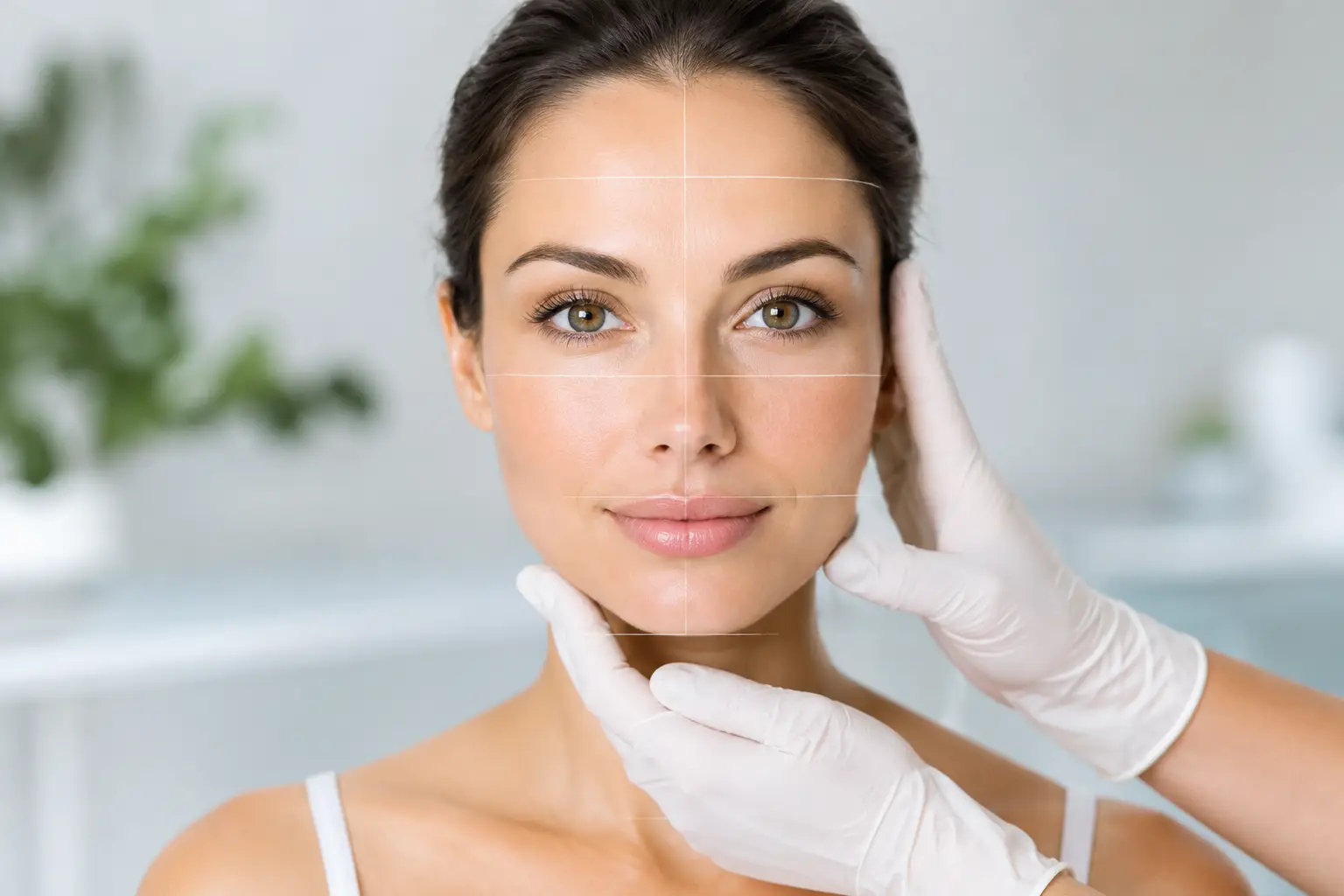
You usually notice facial volume loss in one place first – maybe under the eyes, around the mouth, or along the cheeks. But the most effective filler results rarely come from treating a single spot in isolation. When patients ask about dermal fillers areas on face, the real conversation is about proportion, support, and how each area affects the rest of the face.
At Clara Medical Spa in Thornhill, our dermal filler and facial contouring treatments serve clients from Thornhill, Vaughan, Richmond Hill, and across the GTA, including the areas of the face we treat most often with filler.
Dermal fillers are designed to restore volume, soften lines, and refine facial contours without surgery. That sounds simple, but placement matters more than most people realize. The same syringe can create a refreshed, natural result in the right hands, or an overfilled look when the face is treated without balance in mind. A thoughtful treatment plan looks at anatomy, movement, skin quality, and your goals rather than chasing every line.
Understanding dermal fillers areas on face
Different areas of the face age in different ways. The cheeks may flatten, the under-eyes can appear hollow, the lips may lose definition, and the jawline may soften. Fillers help replace lost structure or enhance shape, but not every area needs the same type of product or the same injection technique.
This is why consultation matters. A physician-led assessment can identify whether a concern is truly related to volume loss, skin laxity, muscle movement, or bone structure. In some cases, filler is the best answer. In others, combining filler with wrinkle relaxers, skin tightening, or collagen-stimulating treatments creates a better result with less product.

Cheeks and midface
The cheeks are one of the most important facial support zones. As we age, volume loss in the midface can make the nasolabial folds look deeper, the under-eye area appear more tired, and the lower face seem heavier. Restoring cheek structure often improves the entire face, even before any other area is treated.
Cheek filler is not just about making the face look fuller. In a refined treatment plan, it can lift the visual appearance of nearby features and recreate softer, more youthful contours. The trade-off is that too much volume placed too low or too forward can look unnatural. Good cheek enhancement should look elegant and quietly refreshed, not obvious.
Under-eyes
The tear trough area is one of the most requested and one of the most selective filler treatments. For the right patient, under-eye filler can reduce a hollow, shadowed appearance and help the face look more rested. For the wrong patient, especially someone with significant puffiness or poor skin quality, filler may not be the best option.
This area requires precision because the skin is thin and every small change shows. It also requires restraint. A natural result in the under-eyes should soften the transition between the lower eyelid and cheek, not erase all anatomy or create swelling.
Lips
Lip filler remains popular because it can do more than add volume. It can improve border definition, restore hydration, correct asymmetry, and support lips that have thinned with age. Younger patients often want shape and proportion, while mature patients may be more focused on subtle restoration.
Not every lip needs to be noticeably fuller to look better. Sometimes a conservative approach creates the most beautiful outcome, especially when the goal is refinement rather than drama. The best lip results respect the rest of the face. If the lips are treated without considering chin projection, lower face balance, or natural lip movement, they can quickly dominate the features.
Nasolabial folds and marionette lines
These are the lines that run from the nose to the corners of the mouth and from the corners of the mouth downward. They are common concerns, but treating them directly is not always the first step. In many patients, these folds deepen because of volume loss higher up in the cheeks.
That is why experienced injectors often assess the midface before placing filler into the folds themselves. Direct treatment can help, but overfilling this region can make the face look heavy. The goal is softening, not flattening every expression line. A face with natural movement still looks alive and attractive.
Chin and jawline
Lower face contouring has become one of the most transformative uses of filler. Chin filler can improve facial harmony, especially in profile, while jawline filler can create cleaner definition and reduce the appearance of jowling in some patients. For both women and men, this area can make the face look more structured and polished.
Results depend on anatomy. A patient with mild retrusion of the chin may benefit greatly from filler, while someone with significant skin laxity may need a different treatment strategy. Jawline filler can be striking, but it works best when the skin still has reasonable support. If laxity is advanced, combining contouring with skin tightening may be more appropriate than relying on filler alone.
Temples
Temple hollowing is often overlooked, yet it can contribute to a more skeletal or tired appearance. Replacing volume in the temples can soften the upper face and improve overall balance, particularly when paired with cheek restoration.
This is not the most talked-about area, but it can be one of the most elegant. Subtle temple treatment often helps the face look healthier without making it obvious that anything was done. Because of the anatomy in this area, it should only be treated by an experienced medical injector with a strong understanding of safety.
Nose and non-surgical refinement
In selected patients, filler can be used to improve the appearance of the nose by smoothing a bump, enhancing bridge definition, or subtly lifting the tip. This is often called a non-surgical rhinoplasty. It can create impressive visual improvement, but it is not a substitute for surgery in every case.
This area carries important safety considerations and is not appropriate for everyone. Patients considering nasal filler should understand both the aesthetic possibilities and the limitations. Precision and medical judgment are essential here.
Which dermal fillers areas on face should be treated first?
The answer depends on what is making the face look less rested or less balanced. For some patients, the under-eyes seem like the biggest issue, but the true starting point is the cheeks. For others, lip filler may be less impactful than improving chin projection or softening marionette lines. The face works as a whole.
A skilled provider looks for the area that creates the most positive change with the least product. That usually leads to more natural results and better long-term maintenance. It also protects against the common mistake of repeatedly filling the same visible line while ignoring the structural cause behind it.
Age also changes the strategy. Younger patients often seek enhancement – lips, chin shape, jawline refinement. Mature patients are more often looking for restoration – replacing lost volume, softening shadows, and rebuilding support. Neither approach is better. They simply require different planning and a different eye for proportion.
What natural-looking filler really means
Natural-looking filler does not mean invisible treatment. It means the face still looks like you, just fresher, smoother, or more balanced. People may comment that you look well-rested or polished, not that your cheeks or lips look injected.
That kind of result depends on more than product choice. It comes from conservative dosing, appropriate area selection, and knowing when not to treat. Sometimes the best plan is staged over more than one visit. This gives the injector a chance to assess how the filler settles and helps avoid overcorrection.
At a physician-led clinic like Clara Medical Spa, conveniently located at the Promenade Shopping Centre, that approach matters. Patients want visible improvement, but they also want to feel safe and confident that their face is being treated with care, precision, and aesthetic judgment.
Before deciding on facial filler
It helps to go into a consultation with goals rather than a fixed menu of areas. Saying “I look tired” or “my face looks heavier than it used to” is often more useful than requesting filler in a specific line or fold. A strong injector can translate those concerns into a plan that actually fits your anatomy.
You should also expect an honest conversation about what filler can and cannot do. Fillers can restore contour and volume beautifully, but they do not replace surgery when laxity is advanced, and they do not improve every skin issue. If texture, pigmentation, acne scarring, or crepey skin are part of the concern, other treatments may need to be part of the plan.
The best facial rejuvenation is rarely about doing more. It is about choosing the right areas, the right amount, and the right timing. When filler is used with restraint and expertise, it can bring softness, structure, and confidence back to the face in a way that feels effortless.
If you are visiting our clinic near the Promenade Shopping Centre for a consultation, it helps to go in with goals rather than a fixed menu of areas.
Explore our dermal fillers in Thornhill and see the price list.
Frequently Asked Questions
Where can I get dermal fillers in Thornhill?
Clara Medical Spa is located at 1 Promenade Cir in Thornhill, inside the Promenade Shopping Centre, and treats clients from Thornhill, Vaughan, Richmond Hill, and the greater Toronto area.
How much do dermal fillers cost at Clara Medical Spa?
Fillers start at $300 per syringe. The number of syringes depends on your goals and anatomy, and your injector will give a clear estimate at your free consultation.
Where can dermal filler be used on the face?
Common areas include lips, cheeks, chin, jawline and under-eyes.
How do I know which areas I need?
Your injector will assess your face and recommend a plan.
Related treatments & reading



[…] by movement respond well to neuromodulators. Static lines, deeper etched lines, skin laxity, or volume loss may need a different approach, such as skin rejuvenation, resurfacing, or filler. A polished result […]
[…] patients who are hesitant about a treatment that looks too soft or overly plush. Compared with some hyaluronic acid fillers, Radiesse generally has a firmer quality, which can be an advantage in areas that need lift and […]
[…] Dermal filler may also have a role in selected clients. Strategic support along the chin or jawline can improve the balance between the face and neck, creating the appearance of a cleaner transition. Filler does not tighten loose neck skin, and it should never be used simply to add volume without a clear structural plan. Natural-looking results come from restraint, proportion, and an understanding of facial anatomy. […]