
Joseph Ahmadi
Medically reviewed by Dr. Mo Maghaddasi, Medical Director at Clara Med Spa.
Last updated: August 11, 2026
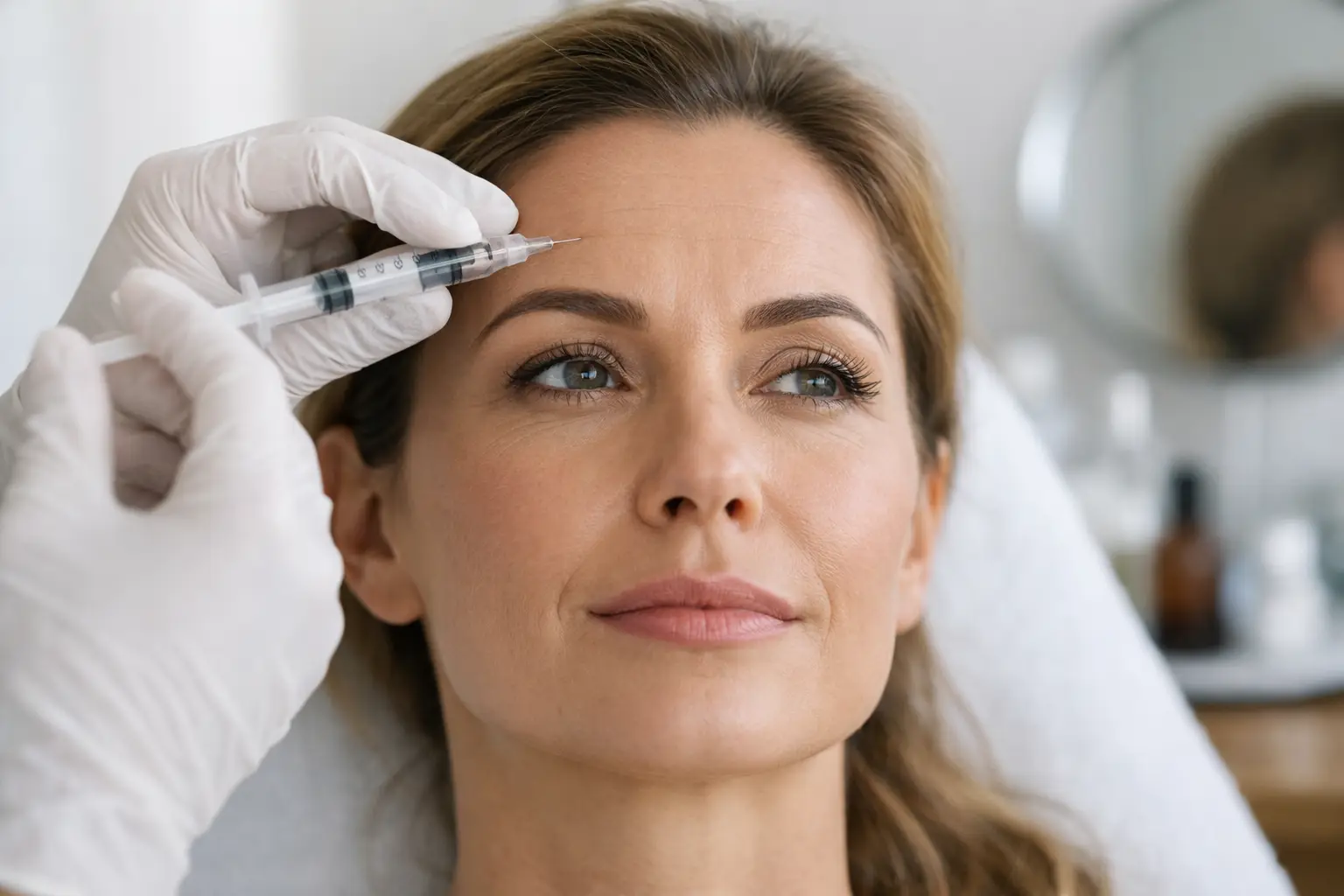
Forehead lines rarely appear all at once. For most people, they start as faint expression marks that show up when you raise your brows, then gradually linger longer than they used to. That is usually the moment interest in botox for forehead lines begins for many of our Vaughan and Thornhill patients – not from a desire to look different, but from wanting to look more rested, polished, and like yourself again.
At Clara Medical Spa in Thornhill, we offer Botox, Dysport, Xeomin, and Letybo to clients from Thornhill, Vaughan, Richmond Hill, and across the GTA, including Botox for forehead lines.
For the right candidate, Botox can soften horizontal forehead creases with impressive precision. The treatment is quick, minimally invasive, and widely trusted, but the best results come from a thoughtful approach. Forehead anatomy is nuanced, and treating this area well is not simply about relaxing every line. It is about preserving natural expression while reducing the etched look that can make the upper face appear tense or tired.
How botox for forehead lines works
Forehead lines are dynamic wrinkles, which means they form from repeated muscle movement over time. Every time you lift your brows, the frontalis muscle contracts. Over the years, that repeated motion starts to crease the skin. As collagen and elasticity decline with age, those lines can become more noticeable and eventually remain visible even when your face is at rest.
Botox works by temporarily relaxing the muscle activity responsible for those creases. When the frontalis muscle is treated carefully, the skin above it has a chance to smooth out, and repeated folding becomes less intense. This does not erase every line in every case. If lines are deeply set, treatment may soften them significantly without making them disappear completely. That is why expectations matter just as much as the injections themselves.
A skilled injector also considers the relationship between the forehead and the brows. The forehead is not treated in isolation. Too much relaxation in the wrong pattern can lower the brows or make the upper face feel heavy. A customized plan is what creates a refined result – smoother skin, balanced brow position, and movement that still feels natural.
Who is a good candidate?
Most healthy adults with visible horizontal forehead lines can be candidates for Botox, especially if those lines are caused by expression rather than skin laxity alone. Some patients start in their late 20s or 30s when lines first begin to set in. Others choose treatment later, once wrinkles become more noticeable in photos or at rest.
The best candidate is not defined by age as much as by goals. If you want softer forehead lines without surgery and prefer a result that looks refreshed rather than obvious, Botox may be a strong option. It can also appeal to people who want preventive treatment. In younger patients, small amounts may help reduce repetitive creasing before deeper lines fully settle into the skin.
That said, not every forehead should be treated the same way. If your brow position is already low, or if you rely heavily on your forehead muscles to lift the upper eyelids, your injector needs to be especially conservative. This is where physician-led assessment matters. A personalized evaluation helps determine how much product is appropriate, where it should be placed, and whether other treatments may be worth considering alongside Botox.
What results look like
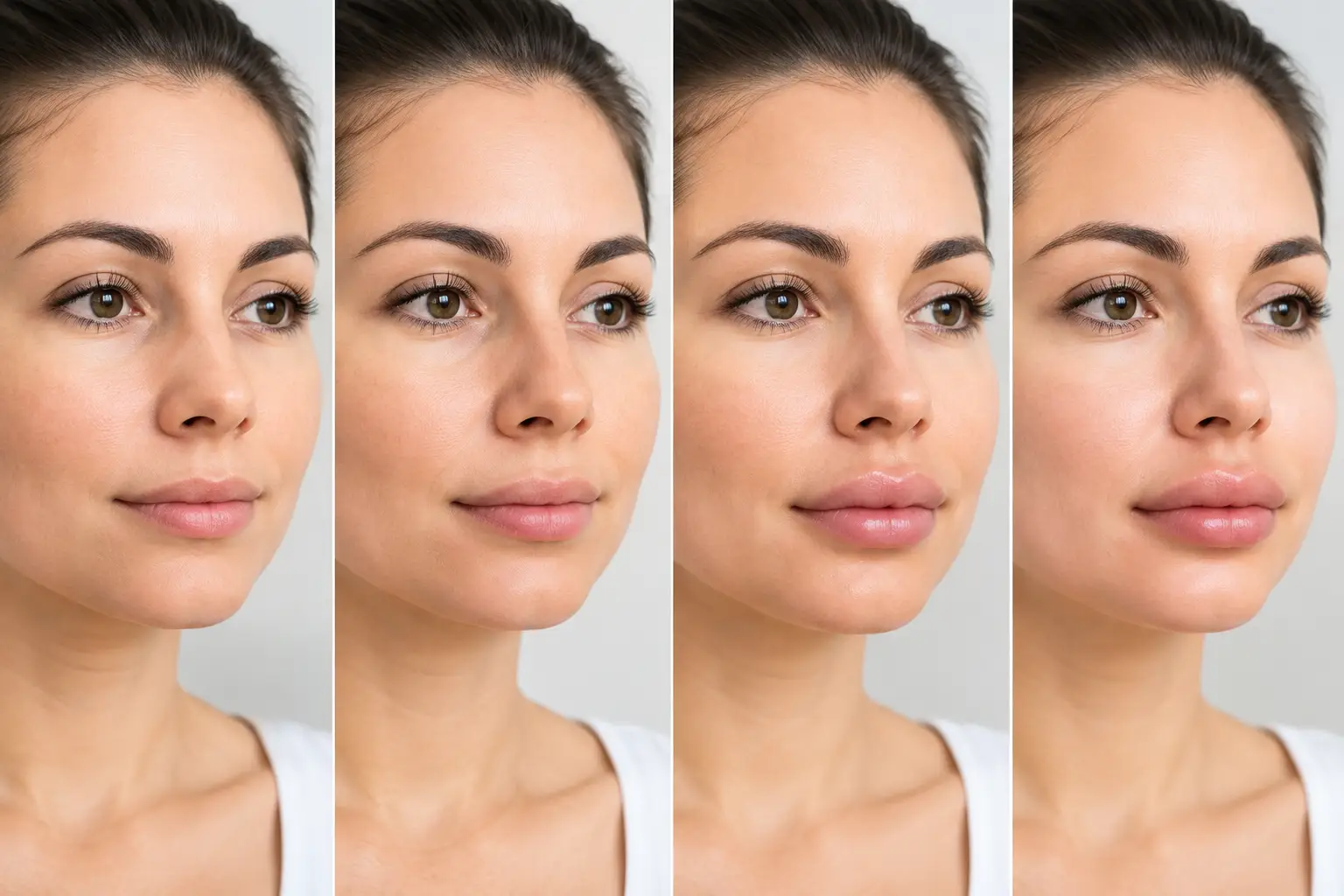
Natural-looking Botox does not make the forehead look frozen. It softens movement rather than removing your ability to express yourself. You should still look like you, just more relaxed and less lined.
Most patients begin to notice a change within a few days, with full results developing in about 10 to 14 days. The forehead appears smoother, makeup sits better on the skin, and expression lines are less pronounced. For some, the biggest change is subtle but meaningful – they no longer see a worried or stressed look when their face is resting.
Results typically last around three to four months, although this varies. Metabolism, muscle strength, treatment history, and dosage all play a role. Patients who maintain treatment consistently often find that lines stay softer over time because the skin is not being repeatedly folded as strongly.
If forehead lines are very deep, Botox may be part of the solution rather than the whole answer. In some cases, combining neuromodulators with skin-rejuvenating treatments can improve texture and etched-in lines more effectively. The right plan depends on your skin quality, age, and how your forehead behaves at rest and in motion.
What to expect at your appointment
A consultation should come first. This is where your provider evaluates facial movement, forehead height, brow shape, skin condition, and your aesthetic goals. Good treatment starts with good planning. The goal is not to chase lines in a mirror. It is to understand how your face functions and how to improve it in a balanced way.
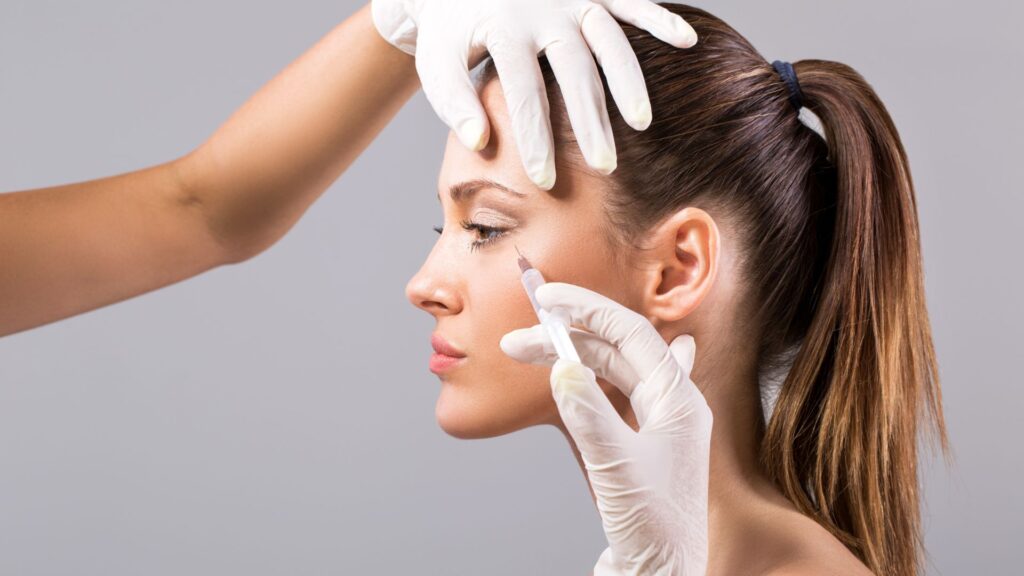
The treatment itself is brief. After the area is assessed and cleansed, a series of small injections are placed into carefully selected points across the forehead. Most patients tolerate the procedure well. The sensation is often described as a quick pinch and is over within minutes.
After treatment, you can usually return to normal daily activities right away. Your provider may recommend avoiding intense exercise, lying flat, or rubbing the area for several hours. These instructions are simple, but they matter. Following aftercare helps support precise product placement and optimal results.
A follow-up may be recommended, especially for first-time patients. Small refinements can sometimes be useful once the treatment settles. This is another sign of quality care – results are monitored, not rushed.
Common concerns about Botox for forehead lines
One of the most common worries is looking unnatural. This concern is valid, and it usually comes down to technique. Overdone Botox is not the inevitable result of treatment. It is the result of poor planning or an approach that ignores facial balance. Experienced injectors know that preserving some motion often creates the most elegant outcome.
Another concern is whether starting Botox too early is unnecessary. The answer depends on the person. Preventive treatment can be helpful for patients with strong forehead movement and early visible creasing, but it is not mandatory. Some people benefit from starting early with light treatment, while others are better served by waiting or focusing first on skin care and sun protection.
Patients also ask whether Botox is safe. When administered by a qualified medical professional, it has a long track record of safety and effectiveness. As with any injectable treatment, side effects are possible. Mild swelling, redness, tenderness, or temporary bruising can occur. More significant issues are uncommon, but choosing a reputable medical setting is essential.
Botox vs. other options for forehead wrinkles
Not every forehead line responds the same way, so the best treatment is not always one-size-fits-all. Botox is ideal for dynamic lines caused by movement. If the main issue is volume loss, skin laxity, or texture damage from sun exposure, other treatments may also be discussed.
Dermal fillers are generally not the first choice for horizontal forehead lines because the area requires caution and advanced anatomical knowledge. Skin treatments such as microneedling, laser resurfacing, or medical-grade peels may help improve crepey texture and deeper static lines. In many cases, the most refined result comes from combining muscle relaxation with skin rejuvenation rather than relying on one treatment alone.
This is where a comprehensive aesthetic clinic can make a difference. Instead of forcing every concern into one category, the provider can assess whether your forehead lines are mainly muscular, structural, or skin-related, then recommend a plan that fits your face.
Choosing the right provider
Forehead Botox may look simple from the outside, but artistry and anatomy matter. The injector needs to understand muscle strength, brow support, gender differences in aesthetic goals, and the subtle ways product placement changes expression. A conservative, customized approach tends to age better than aggressive treatment.
For patients in Thornhill, Vaughan, and the Greater Toronto Area, choosing a physician-led clinic offers added reassurance. Conveniently located near the Promenade Shopping Centre, Clara Medical Spa centers its treatment planning on natural-looking results, safety, and an individualized assessment of your facial structure and goals. That level of attention is especially valuable in areas like the forehead, where a few millimeters can influence the final result.
Price alone should never be the deciding factor. A lower upfront cost can be less appealing if the outcome feels heavy, uneven, or overtreated. Expertise is part of the result.
Is it worth it?
For many patients, yes. Botox for forehead lines can create a fresher, smoother upper face without changing the features that make you look like yourself. It is quick, effective, and adaptable, whether you want a subtle preventive treatment or a more visible softening of established lines.
The key is approaching it with clarity. Good Botox is not about chasing perfection. It is about treating the right muscles, using the right amount, and respecting natural expression. When that happens, the result tends to feel less like “getting something done” and more like seeing a well-rested version of your own reflection again.
If forehead lines have started to bother you, the most useful next step is not guessing how many units you need. If you are in the Vaughan or Thornhill area, visit us at the Promenade Shopping Centre to have your face assessed properly, because the most beautiful results are built on precision, not approximation.
Explore our Botox in Thornhill and anti-wrinkle injection services, or see the price list.
Frequently Asked Questions
Where can I get Botox in Thornhill?
Clara Medical Spa is located at 1 Promenade Cir in Thornhill, inside the Promenade Shopping Centre, and treats clients from Thornhill, Vaughan, Richmond Hill, and the greater Toronto area.
How much does Botox cost at Clara Medical Spa?
Neuromodulators are priced per unit, from $7–$8 per unit depending on the brand. Your injector will estimate the units you need at a free consultation.
What can I expect after forehead Botox?
Results build gradually over days. Mild bruising can occur.
Will my forehead look natural?
Careful dosing helps keep natural movement.
Related treatments & reading

[…] Botox for Forehead Lines: What to Expect […]
[…] muscle movement, wrinkle relaxer injections are often the most effective non-surgical option. Treatments such as Botox use a purified neuromodulator to temporarily reduce the muscle activity that creases the skin. When […]
[…] Botox for Forehead Lines: What to Expect […]