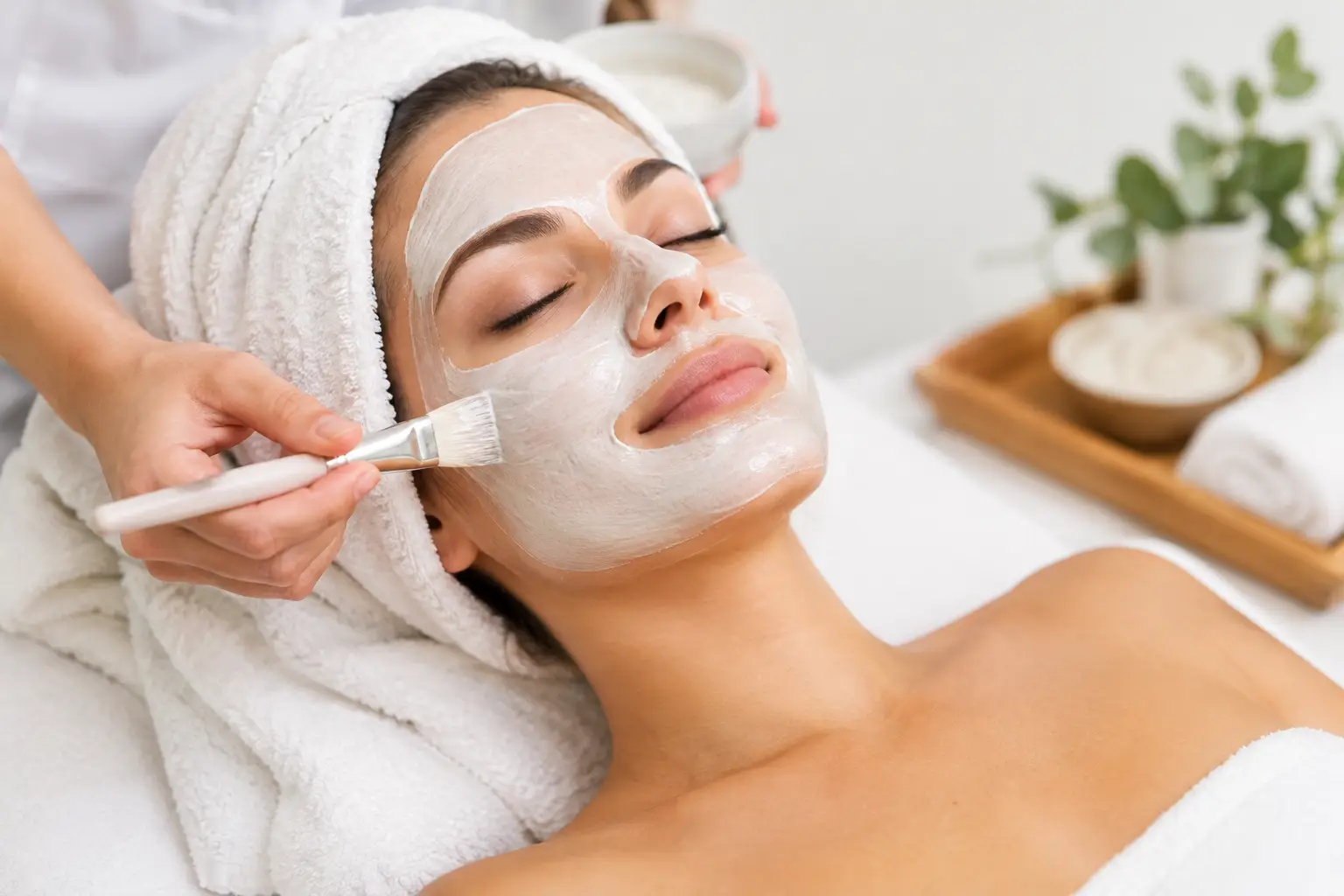

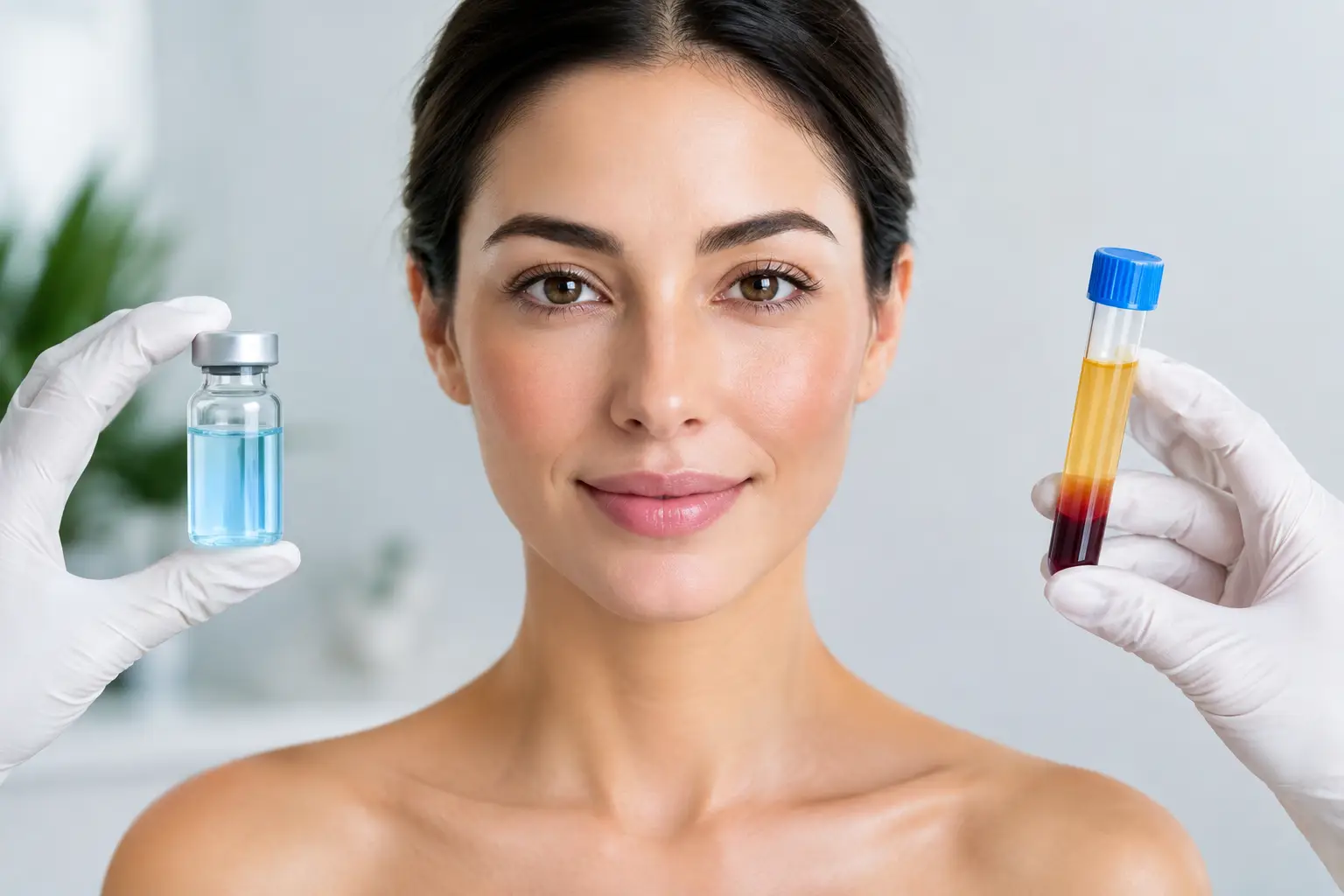
A microneedling treatment can be an excellent way to refresh dull texture, soften the look of acne scars, and support firmer-looking skin. But when clients compare exosome therapy versus PRP, the choice is rarely as simple as choosing the newest option. Both treatments are often paired with microneedling, yet they differ in their source, research, treatment experience, and regulatory considerations.
The most flattering outcome is not necessarily the most aggressive treatment. It is the plan that respects your skin’s condition, your comfort level, and the results you want to see over time.
Exosome Therapy Versus PRP: The Core Difference
PRP, or platelet-rich plasma, is created from a small sample of your own blood. After the blood is processed in a centrifuge, the provider separates plasma with a concentrated level of platelets. Platelets contain growth factors and signaling proteins that play a role in the body’s natural healing response. During a skin rejuvenation treatment, PRP may be applied topically after microneedling or used in carefully selected medical applications by a qualified provider.
Exosomes are microscopic extracellular vesicles. They are involved in cell-to-cell communication and carry proteins, lipids, and genetic material. In aesthetic settings, exosome products are typically applied topically after microneedling to support the skin’s recovery environment. Unlike PRP, they are not collected from your body. Products vary considerably in their source, processing, concentration, storage, and quality controls.
That distinction matters. PRP is personalized because it comes from you. Exosome therapy relies on a prepared product, so the quality and clinical protocol of the provider are especially important.
What PRP Can Offer for Skin Rejuvenation
PRP has a longer history in regenerative medicine and aesthetics than commercially marketed exosome treatments. When paired with microneedling, it is often chosen by clients who want to support gradual improvement in skin texture, radiance, fine lines, and the visible appearance of certain scars.
Because PRP is autologous, meaning it comes from your own body, the risk of an allergic reaction to the plasma itself is low. This can be reassuring for clients with sensitive skin or those who prefer a treatment based on their own biological material. However, PRP quality can vary from person to person. Hydration, age, overall health, medications, platelet count, and how the sample is prepared may all affect the final preparation.
PRP is not a replacement for dermal filler when volume has been lost, nor does it create the immediate smoothing effect of Botox for expression lines. Its appeal is more subtle: skin that appears healthier, more refined, and better supported after a series of treatments.
The PRP appointment experience
A PRP appointment begins with a blood draw. The sample is processed while the skin is cleansed and numbed for microneedling. Following the treatment, the prepared PRP is applied to the skin according to the provider’s protocol.
Most clients experience redness and a warm, tight feeling similar to a moderate sunburn for one to three days. Mild swelling, pinpoint bleeding during treatment, or temporary flaking can occur. Results develop gradually as the skin moves through its natural renewal process, with many clients benefiting from a personalized series rather than a single session.
What Exosome Therapy May Add
Exosome therapy is often discussed as an advanced add-on for microneedling because of its potential role in skin recovery and cellular signaling. Clients may be interested in it when they want to minimize the dry, irritated feeling that can follow a rejuvenation treatment or when they are focused on improving overall skin quality.
The interest is understandable. Exosomes are biologically active messengers, and early research in regenerative medicine is promising. Still, promising is not the same as proven. Research on exosome products for cosmetic skin rejuvenation is still evolving, and there is not one universal type of exosome or one standardized aesthetic protocol.
For US readers, an especially important point is that exosome products have not been approved by the FDA for aesthetic use. The FDA has also raised concerns about unapproved exosome products and reports of serious adverse events in other settings. That does not mean every product or treatment protocol carries the same risk, but it does mean clients should be cautious about dramatic claims and choose a medically supervised practice that is transparent about its products and procedures.
The exosome appointment experience
In many aesthetic protocols, an exosome serum is applied after microneedling rather than injected. The freshly created microchannels may help topical products contact the skin more effectively during the immediate post-treatment period. Some clients report that their skin feels calmer or recovers comfortably, but individual experiences vary.
Downtime from the microneedling itself remains similar: temporary redness, sensitivity, and possible dryness are common. The recovery experience will depend on needle depth, the area treated, your baseline skin sensitivity, aftercare, and whether other treatments are performed at the same visit.
Which Treatment Is Better for You?
There is no universal winner in exosome therapy versus PRP. The better choice depends on what makes sense for your skin, your medical history, and your level of comfort with the available evidence.
PRP may be a strong fit if you prefer using your own plasma, want a treatment with a more established presence in aesthetic practice, or have concerns about topical product sourcing. It can be particularly appealing for clients who value a naturally derived, personalized approach and do not mind a brief blood draw.
An exosome-based topical protocol may appeal to someone interested in newer regenerative-skincare technology and a curated post-microneedling recovery approach. In that case, the discussion should go beyond marketing language. Ask what product is being used, how it is sourced and handled, whether it is being applied topically or injected, and what safety protocols the practice follows.
Neither option is ideal if active acne, an open skin infection, a cold sore outbreak, uncontrolled inflammatory skin disease, or certain medical conditions are present. PRP may also require added consideration for people with blood disorders, low platelet counts, active cancer treatment, or medications that affect clotting. A qualified provider should review your health history before recommending treatment.
Why Microneedling Technique Matters as Much as the Add-On
It is easy to focus on the serum or plasma and overlook the treatment itself. Yet microneedling technique often plays a major role in both results and recovery. Needle depth should be selected thoughtfully for the treatment area and concern. A deeper setting is not automatically better, particularly for delicate skin or clients prone to post-inflammatory hyperpigmentation.
The practitioner’s assessment also matters. Acne scars may require a different strategy from enlarged pores, early laxity, melasma, or fine lines around the mouth. Some concerns respond best to combining treatments over time, such as professional skincare, chemical peels, laser procedures, radiofrequency tightening, or injectables. A personalized plan avoids treating every concern with the same tool.
At Clara Medical Spa, treatment planning is guided by the goal of refreshed, natural-looking skin rather than a one-size-fits-all protocol. A consultation is the right place to discuss whether PRP, an exosome-focused aftercare approach, or another treatment better supports your goals.
Questions Worth Asking Before You Book
Before choosing either option, ask who will perform the treatment, what their training and oversight involve, and what results are realistic for your concern. You should also understand the expected downtime, aftercare instructions, total number of sessions recommended, and how progress will be evaluated.
For exosome therapy, ask direct questions about the exact product, whether it is intended for topical use, and the practice’s approach to safety and informed consent. For PRP, ask whether a blood draw is appropriate for your health history and what preparation is recommended before your appointment.
Beautiful skin rarely comes from chasing the most talked-about treatment. It comes from choosing care that is precise, clinically thoughtful, and tailored to how your skin needs to be treated now.