
Joseph Ahmadi
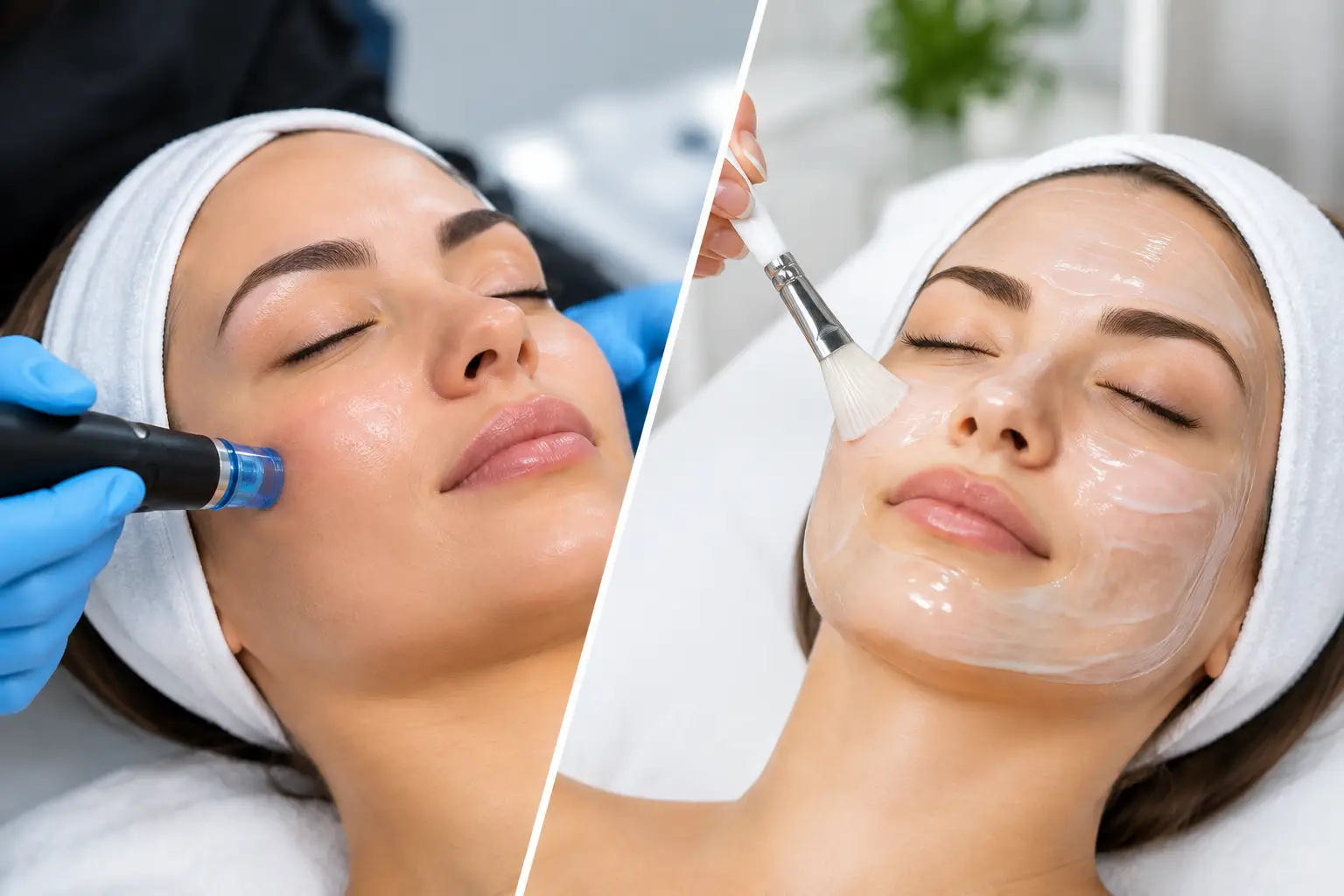
A treatment menu can make glowing skin look like a simple choice, yet Hydrafacial versus peel is a decision best made around your skin’s current needs, your schedule, and the level of correction you want. Both treatments exfoliate and refresh the complexion, but they do so in very different ways. One is typically a gentle, immediately polished experience; the other can be tailored from light refreshing exfoliation to more intensive resurfacing.
For patients in the Greater Toronto Area who want natural-looking improvement without unnecessary downtime, the right answer is rarely about which treatment is “better.” It is about selecting the treatment that suits your concerns – whether that means congestion before an event, dullness after a long season, persistent discoloration, acne, fine lines, or uneven texture.
Hydrafacial Versus Peel: The Essential Difference
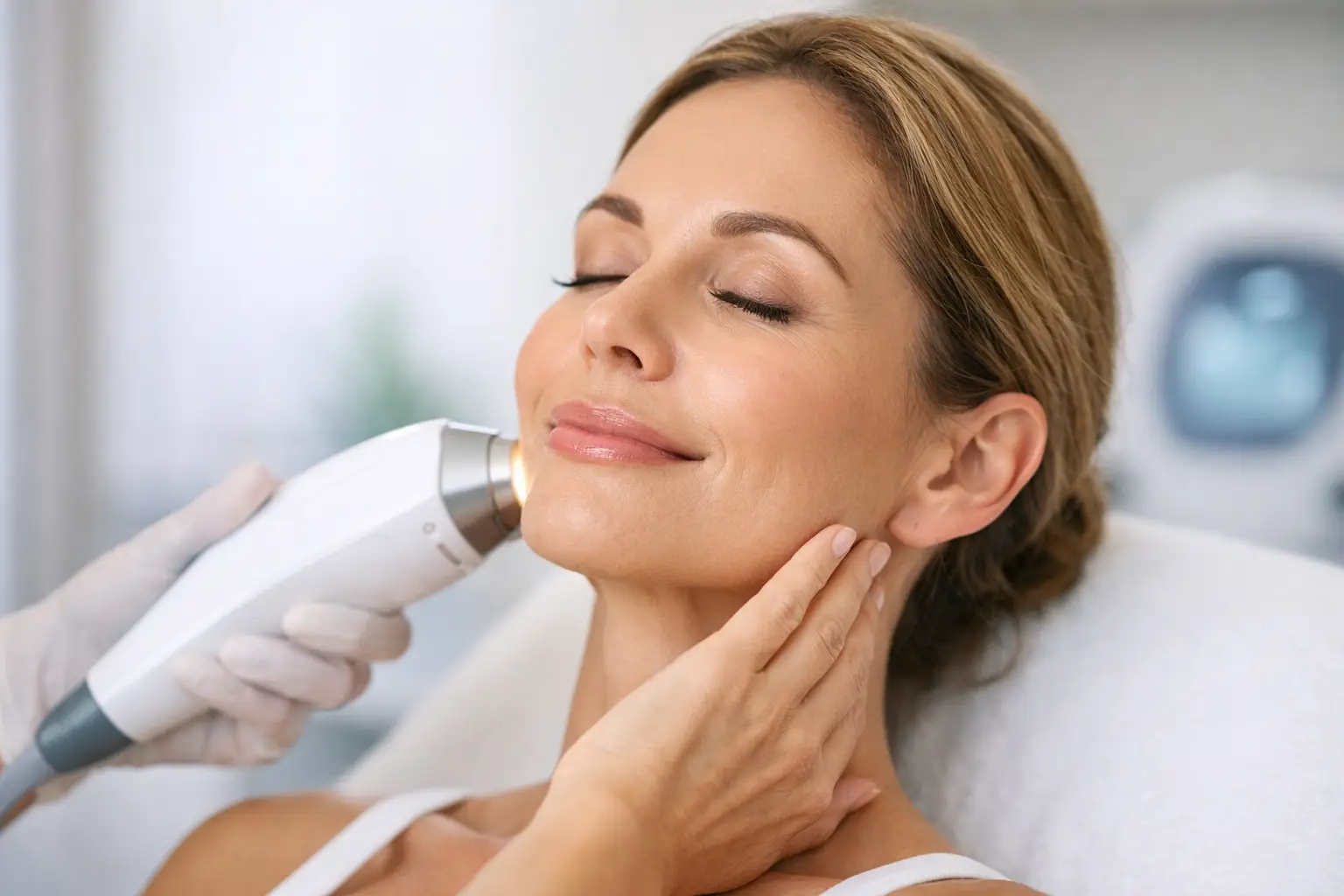
A Hydrafacial is a multi-step, noninvasive facial treatment that cleanses, exfoliates, extracts impurities, and delivers hydrating serums. Rather than relying primarily on a chemical solution to create controlled exfoliation, it uses a specialized device and vortex-style suction to lift debris from pores while replenishing the skin. The result is often skin that looks clearer, smoother, and more hydrated immediately after the appointment.
A chemical peel uses carefully selected acids or other exfoliating agents to encourage the shedding of damaged surface cells. The strength, formula, and number of passes determine how deeply the peel works. A light peel may create a fresh, radiant appearance with minimal visible peeling, while a stronger professional peel may target more established discoloration, rough texture, acne-related concerns, and fine lines with a longer recovery period.
In simple terms, a Hydrafacial focuses on cleansing, hydration, and surface renewal in one comfortable session. A peel is a more customizable resurfacing treatment, with the potential for deeper correction depending on the formula and treatment plan.
When a Hydrafacial May Be the Better Choice
A Hydrafacial is particularly appealing when your skin feels congested, dehydrated, or lackluster and you want to return to your usual routine quickly. The treatment can be an excellent option before a special occasion, professional photos, or a vacation, especially for patients who want a smoother makeup application and a well-rested appearance without planning around peeling.
It is also well suited to people who are newer to professional skin treatments. The experience is generally comfortable, and the process offers visible cleaning and hydration without the uncertainty some patients associate with a chemical peel. Those with oily or combination skin often appreciate the extraction component, while dry or dull skin may benefit from the infusion of moisture-supporting serums.
That said, Hydrafacial treatments are not only for dry skin or first-time patients. When scheduled as part of a consistent skin-health routine, they can help maintain clarity and radiance between more corrective treatments. Your provider may adjust the treatment approach based on sensitivity, breakouts, dehydration, and seasonal changes.
When a Chemical Peel May Deliver More Correction
A chemical peel may be the more strategic choice when your goal goes beyond a short-term glow. Professional peels can be selected to address acne, post-acne marks, sun-related discoloration, uneven tone, visible pores, rough texture, and early signs of aging. Because there are different peel types and depths, the treatment can be customized more precisely than a one-size-fits-all facial.
Light peels are often a practical starting point for patients seeking brighter, smoother skin with little to no social downtime. You may experience mild dryness, tightness, or light flaking over the following days. Medium-depth options can create more noticeable peeling and require greater attention to aftercare, but they may offer stronger results for certain pigmentation and texture concerns.
A peel should never be chosen solely by its strength. A deeper peel is not automatically a better peel. Skin tone, sensitivity, active acne, history of hyperpigmentation, current skincare products, and upcoming plans all matter. The most beautiful results come from matching the peel to your skin rather than pushing it beyond what it needs.
Downtime Is a Meaningful Difference
Downtime is one of the clearest distinctions in the Hydrafacial versus peel comparison. Many patients leave a Hydrafacial looking slightly pink but visibly refreshed, with redness typically settling quickly. Makeup can often be applied later that day if recommended by your provider, although allowing the skin to remain makeup-free can be beneficial.
After a peel, the skin may look temporarily red, feel warm or tight, and then begin to flake or peel. The degree varies widely by formulation. It is essential not to pick or manually remove peeling skin, as this can interfere with healing and increase the risk of irritation or uneven pigmentation. If you have an important event within the next week, a Hydrafacial or a very light peel may be more appropriate than a corrective peel that requires recovery time.
Results: Instant Radiance or Progressive Renewal?
A Hydrafacial is known for immediate cosmetic improvement. Skin often feels softer and looks more hydrated, refined, and luminous right away. Those results can be especially gratifying when dehydration, surface buildup, and clogged pores are the primary issues. For lasting skin improvement, regular treatments and a thoughtful home skincare routine are usually more meaningful than a single appointment.
With a chemical peel, the most noticeable improvement may appear after the skin completes its renewal process. As old cells shed, patients may see a brighter tone, smoother texture, and a more even overall complexion. A series of appropriately spaced light peels can produce gradual, elegant changes with less downtime per visit. More intensive peels may be used less often and only when clinically appropriate.
Neither treatment replaces daily sunscreen. This is particularly important after chemical exfoliation, when fresh skin is more vulnerable to sun exposure. Broad-spectrum SPF, gentle cleansing, moisturizer, and provider-recommended active ingredients help protect your investment and reduce the chance of new discoloration.
Safety and Skin Type Considerations
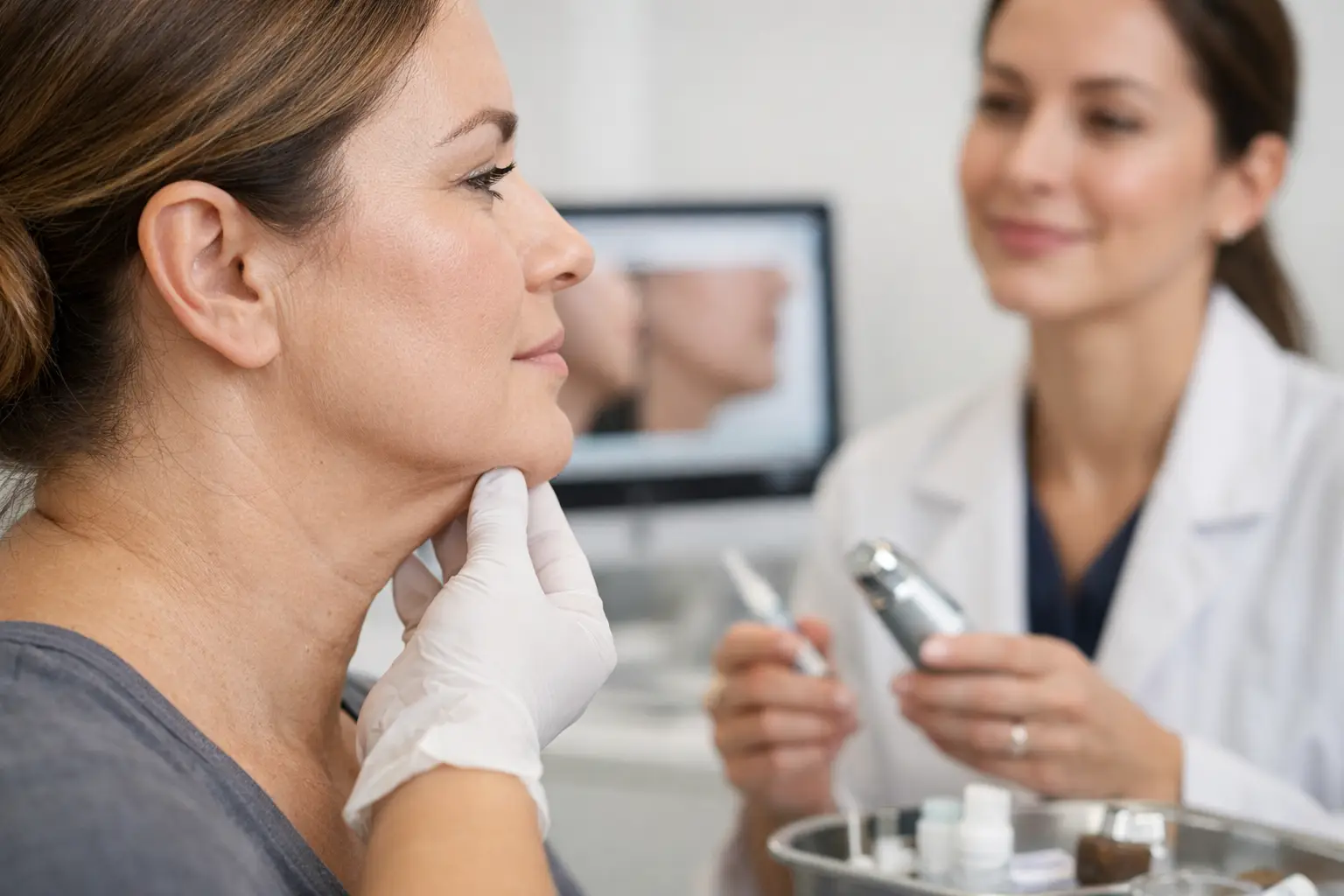
Both treatments should begin with a professional skin assessment, not a guess based on social media before-and-after photos. Patients with rosacea, eczema, active cold sores, very sensitive skin, recent sunburn, or certain medical conditions may need a modified approach or a different treatment altogether. Pregnancy and breastfeeding can also affect which ingredients are appropriate.
For deeper skin tones or anyone prone to post-inflammatory hyperpigmentation, careful peel selection is especially important. Improperly matched exfoliation can trigger unwanted darkening rather than the even tone you want. A qualified provider considers pigment risk, treatment history, skincare use, and lifestyle before recommending a peel strength or series.
Tell your provider about prescription retinoids, acne medications, recent waxing, laser treatments, injectable appointments, and any history of prolonged redness or scarring. These details help determine whether you are a candidate now, whether your treatment should be modified, or whether it is wiser to wait.
Can You Combine Hydrafacials and Peels?
Often, yes – but not necessarily on the same day. Hydrafacials and chemical peels can complement one another in a well-designed plan. For example, a patient may schedule Hydrafacial treatments to maintain hydration and clear congestion, then incorporate a series of peels when focusing on pigment or texture correction. Timing matters because over-exfoliation can compromise the skin barrier and create sensitivity.
At Clara Medical Spa, a personalized consultation can help clarify whether your skin would benefit from gentle ongoing maintenance, targeted resurfacing, or a combination approach. The objective is not to make your skin look treated. It is to help it look healthy, even, and naturally radiant.
Your best next step is to choose based on your skin’s condition today and the result you want to see weeks from now. A thoughtful evaluation allows you to enjoy the confidence of a polished complexion while giving your skin the precision, comfort, and care it deserves.