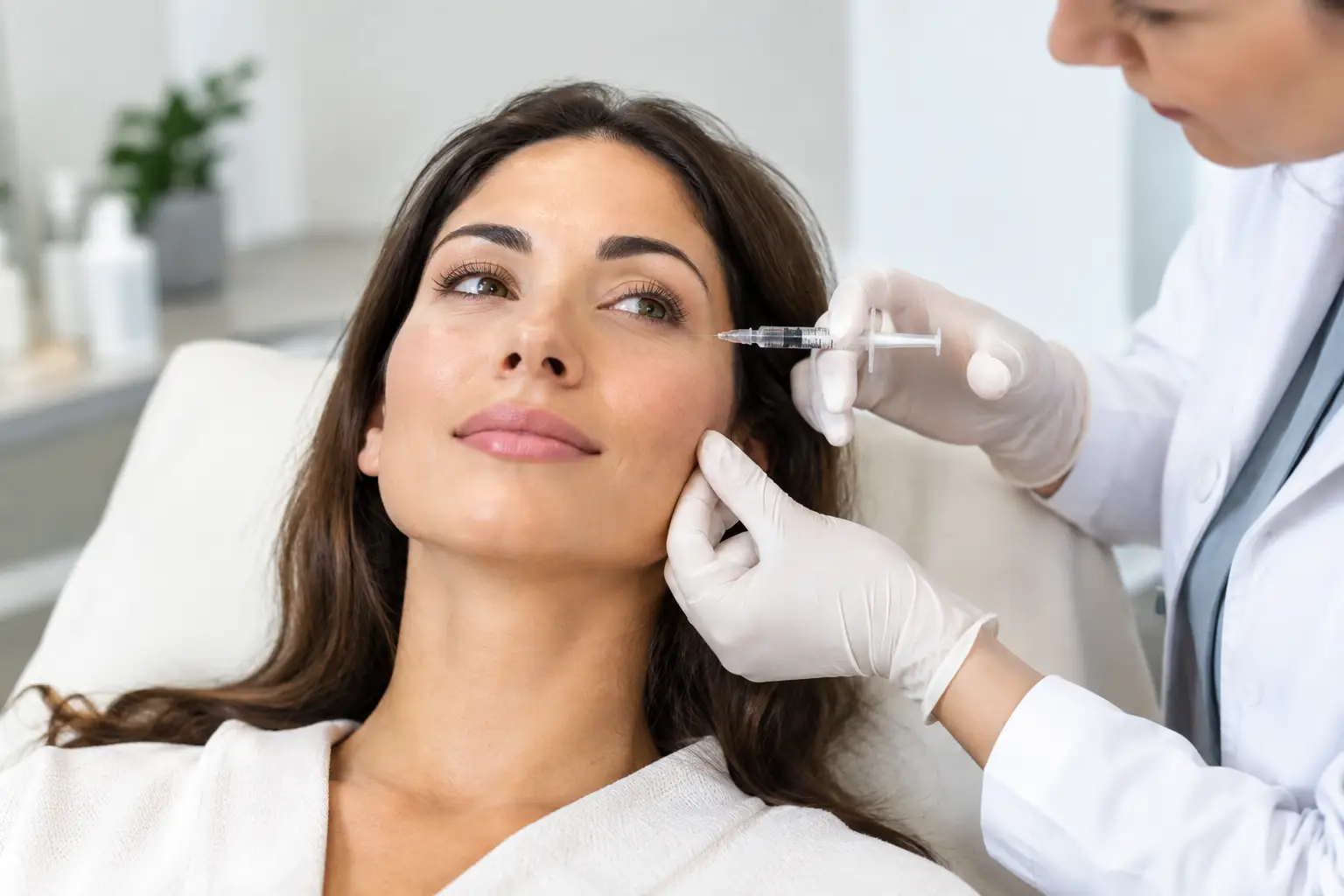

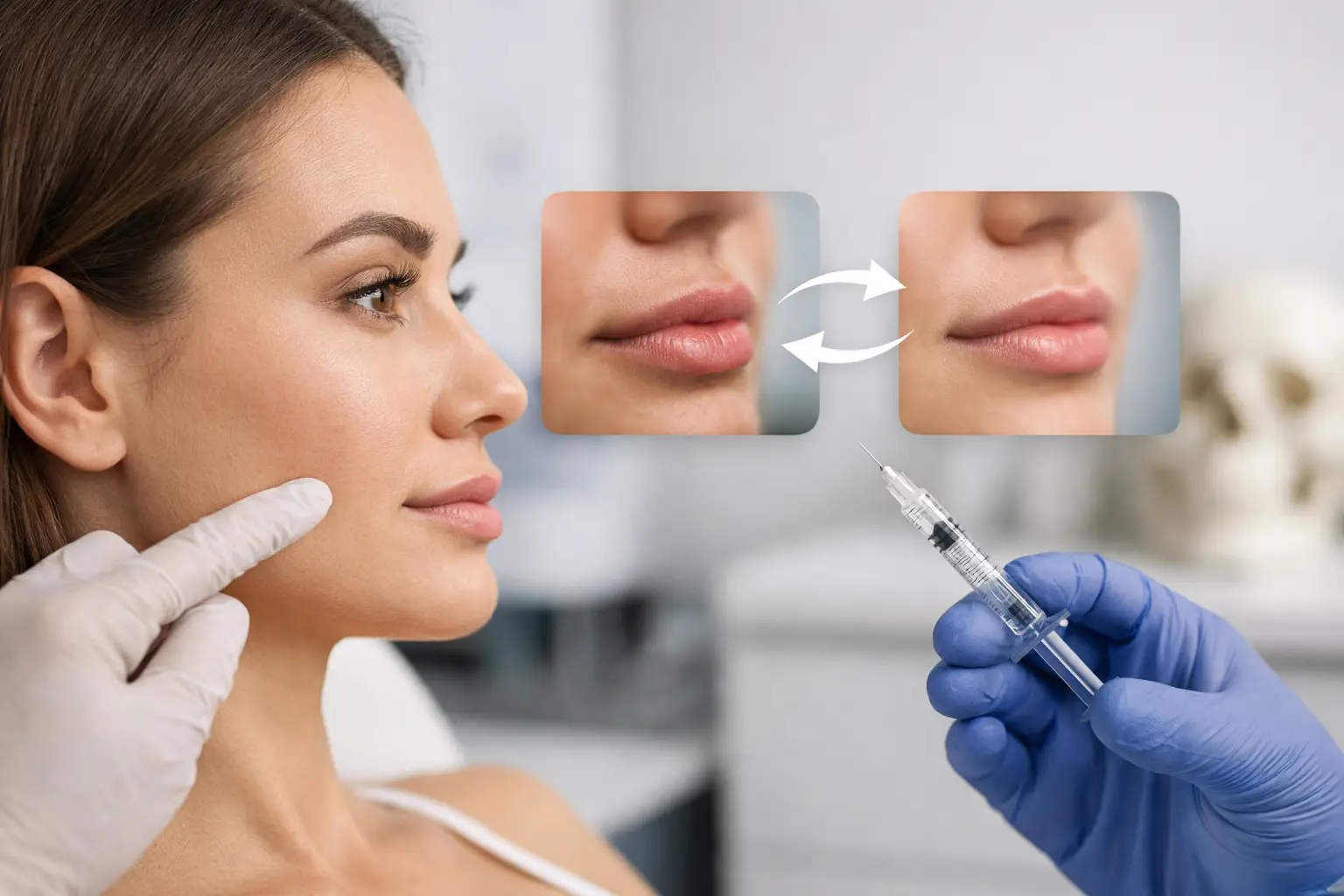
A change around the lips, under-eyes, cheeks, or jawline can feel unsettling when you expected a refined, natural enhancement. The question, is filler migration reversible, has a reassuring but nuanced answer: in many cases, yes. The right approach depends on the filler used, where it sits, how long it has been present, and whether the concern is truly migration rather than swelling, normal settling, or another issue.
At Clara Medical Spa in Thornhill, our dermal filler and facial contouring treatments serve clients from Thornhill, Vaughan, Richmond Hill, and across the GTA, and your injector can assess and address any filler concerns.
Filler concerns deserve a careful clinical assessment, not a quick guess in the mirror. With skilled evaluation and a personalized plan, many people can restore softer contours and feel confident in their appearance again.
What Is Filler Migration?
Filler migration refers to dermal filler moving beyond the area where it was originally placed. It is most often discussed in the lips, where product can sometimes appear above the upper lip and create a persistent fullness or blurred lip border. It may also be seen around the under-eyes, chin, or cheeks.
True migration is not always dramatic. It can present as puffiness, a ridge, unevenness, or a result that gradually looks less defined than it did shortly after treatment. In some cases, filler may have been placed a little too superficially or in a location that does not support the facial structure as intended. That can resemble migration even when the product has not traveled very far.
This distinction matters. A qualified injector considers your facial anatomy, the original treatment area, the type and amount of filler used, the timing of the change, and how the tissue feels on examination. Photos from before and after treatment can also be very helpful.
Is Filler Migration Reversible With Dissolving?
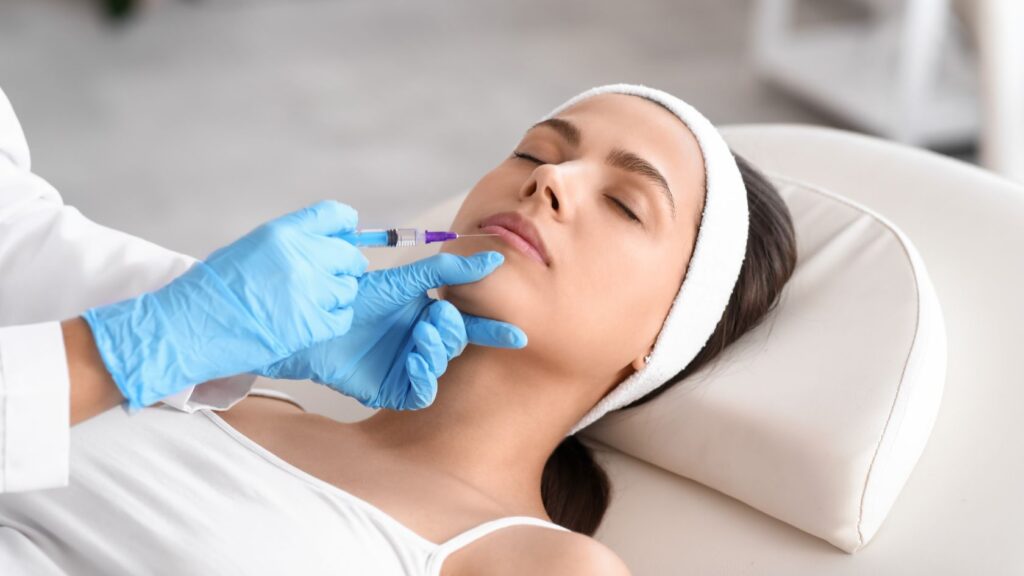
For hyaluronic acid fillers, migration is often reversible or substantially correctable with hyaluronidase. This prescription enzyme breaks down hyaluronic acid, the material found in many popular temporary fillers. A provider may dissolve all of the affected filler or take a more conservative, staged approach to preserve a natural amount of volume where appropriate.
Hyaluronidase can work quickly, but the visible outcome is not always immediate. Swelling after injection may temporarily obscure the result, and the area needs time to settle. Some people need more than one session, especially if filler has been placed repeatedly over time or sits in different tissue planes.
Dissolving filler is not a casual cosmetic adjustment. The enzyme may also affect naturally occurring hyaluronic acid in the tissue, which is why accurate placement, conservative dosing, and experienced medical judgment are essential. Your provider should review your medical history, discuss the possibility of bruising or swelling, and explain what degree of correction is realistic.
Not every filler is hyaluronic acid based. Products such as calcium hydroxylapatite, poly-L-lactic acid, and permanent fillers cannot be dissolved with hyaluronidase. These materials may gradually improve as the product naturally breaks down, depending on the formulation, but treatment is more complex. In selected cases, an experienced medical provider may recommend observation, camouflage with a different technique, or referral for further evaluation.
When It May Be Better to Wait
Not every early change after filler means migration. In the first days or weeks following treatment, swelling, bruising, fluid retention, and normal healing can create temporary asymmetry. The lips and under-eye area are particularly prone to swelling because their tissues are delicate.
If the treatment was recent and there are no warning signs, your injector may recommend allowing the area to settle before making another decision. Adding more filler too soon can compound the problem. Patience can be part of a precise treatment plan.
However, waiting is not the right answer for every concern. Persistent fullness, a visible shelf above the lip, under-eye puffiness that does not improve, or a distorted contour should be assessed in person. A provider can determine whether correction is appropriate and prevent a cycle of repeated injections that may further blur the facial architecture.
Why Does Filler Migration Happen?
Migration is usually multifactorial. It is not automatically a sign that someone has done something wrong, but technique and treatment planning play a meaningful role. Areas with frequent movement, thin skin, and limited space, such as the lips, require particular precision.
Potential contributing factors include placing too much product, using a filler that is not ideal for the treatment area, injecting too superficially, or retreating too frequently before previous filler has fully settled or broken down. Individual anatomy, tissue laxity, previous filler treatments, and the natural movement of the face can also influence the result.
The safest aesthetic approach is not always more volume. Beautiful results come from respecting proportion, tissue capacity, and the way the face changes with expression. Sometimes a subtle treatment in a supporting area, such as the chin or cheeks, creates better balance than repeatedly adding product directly to the lips or folds.
How a Provider Evaluates a Possible Migration
A thoughtful consultation begins with listening. When did you first notice the change? What filler was used, how much was injected, and where? Have you had previous filler in the same area? These details help guide the assessment.
Your provider will then evaluate the area at rest and in motion, looking at symmetry, tissue quality, skin thickness, and the relationship between nearby facial features. They may gently palpate the area to identify firmness, superficial product, or swelling. In more complicated cases, ultrasound can help experienced practitioners visualize filler placement and distinguish product from fluid or other tissue changes.
At Clara Medical Spa, physician-led planning centers on natural-looking results rather than a one-size-fits-all correction. That means recommending observation when healing is still underway, dissolving when it is the safest choice, or creating a carefully timed plan for refinement.
What Happens After Filler Is Dissolved?
Many clients worry that dissolving migrated filler will leave them looking deflated. That concern is understandable, especially if filler has been supporting an area for months or years. Immediately after correction, the face may look different simply because you have become accustomed to the added volume.
The goal is not to erase expression or leave the face flat. It is to remove misplaced product and restore cleaner, more harmonious contours. After the area has healed, some patients choose to have filler placed again with a more conservative technique and an appropriate product. Others find that they prefer their natural shape once the excess fullness is gone.
Timing for reinjection varies. Your provider may recommend waiting until swelling resolves and the tissue has stabilized before considering new filler. A staged approach allows each decision to be based on what your face actually needs, rather than reacting to a temporary change.
Red Flags That Need Prompt Medical Care
Migration usually develops gradually and is primarily an aesthetic concern, but severe symptoms after any filler injection require urgent medical attention. Intense or worsening pain, blanching or unusual discoloration of the skin, a net-like purple pattern, cold skin, visual changes, or increasing swelling should never be dismissed as normal healing.
These symptoms may indicate a vascular complication, which is different from migration and needs immediate assessment by a qualified medical professional. Do not try to massage, dissolve, or treat a serious reaction on your own.
Reducing the Risk of Migration in Future Treatments
No injectable treatment is entirely without risk, but careful provider selection and conservative planning can lower the chance of unwanted movement. Choose a medically qualified injector who understands facial anatomy, uses products suited to the treatment area, and is prepared to manage complications.
Be transparent about every filler treatment you have received, including treatments performed elsewhere and years ago. Filler can sometimes remain longer than expected, and an accurate history helps your provider avoid overfilling. It is also wise to avoid chasing small asymmetries immediately after treatment, when swelling can make the area appear uneven.
A natural result is built over time. Small, intentional adjustments usually age more gracefully than frequent, high-volume treatments.
If a filler result no longer feels like you, you do not have to keep adding product to hide it. A calm, in-person assessment can clarify what is happening and create a path back to balanced features, comfortable movement, and confidence in your reflection.
Explore our dermal fillers in Thornhill and see the price list.
Frequently Asked Questions
Where can I get dermal fillers in Thornhill?
Clara Medical Spa is located at 1 Promenade Cir in Thornhill, inside the Promenade Shopping Centre, and treats clients from Thornhill, Vaughan, Richmond Hill, and the greater Toronto area.
How much do dermal fillers cost at Clara Medical Spa?
Fillers start at $300 per syringe. The number of syringes depends on your goals and anatomy, and your injector will give a clear estimate at your free consultation.
Can filler migration be reversed?
Hyaluronic acid filler can often be dissolved, which is how migration is commonly corrected. An in-person assessment is needed to confirm.
What causes filler to migrate?
Placement, product choice, amount, and facial movement can all play a role.
Related treatments & reading