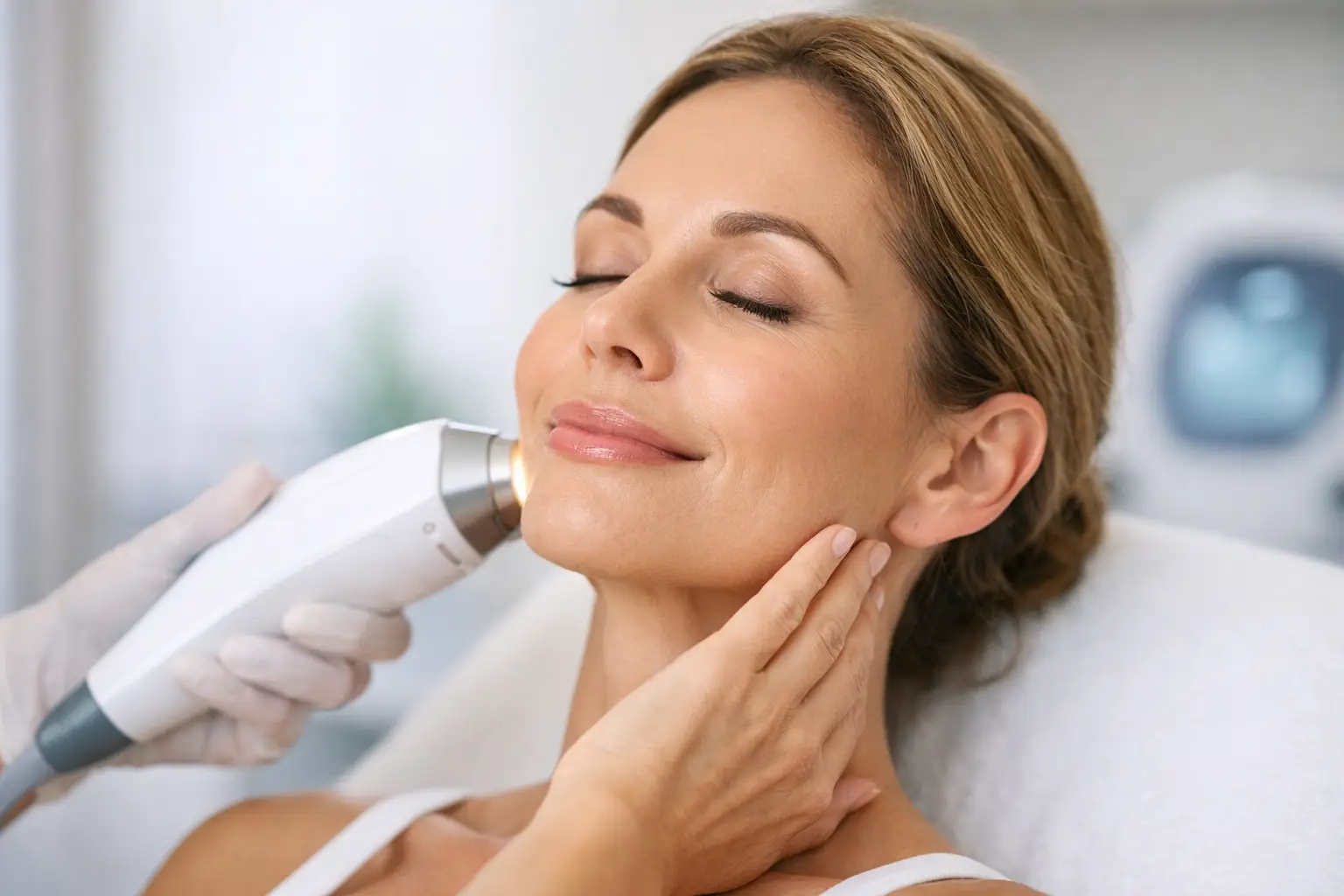


The neck often reveals changes in skin quality before the face feels noticeably different. Fine horizontal lines, crepey texture, reduced definition beneath the chin, and skin that no longer appears as firm can affect how polished you feel in photos, video calls, and everyday life. A personalized neck laxity treatment plan can address these concerns without assuming that every patient needs surgery or the same procedure.
At Clara Medical Spa, treatment begins with a close look at the skin, underlying tissue, facial balance, and the degree of laxity present. The goal is not to create an overdone result. It is to refine the neck and jawline in a way that looks rested, smooth, and naturally aligned with your features.
Why the Neck Loses Firmness
Neck laxity is rarely caused by one issue alone. With time, collagen and elastin production decline, leaving skin less able to rebound. Sun exposure can accelerate this process, particularly on the neck and chest, where sunscreen is often overlooked. Genetics, weight fluctuations, posture, and natural changes in facial fat distribution may also contribute.
For some people, the main concern is thin, crepey skin and fine lines. For others, it is soft fullness below the chin that blurs the jawline. Some have stronger neck bands or a combination of loose skin, volume changes, and loss of lower-face support. This is why a treatment that works beautifully for a friend may not be the best choice for you.
A professional consultation separates these concerns and builds a plan around what will make the most visible difference. In many cases, combining treatments thoughtfully produces a more refined result than relying on a single modality.
Neck Laxity Treatment Options
RF skin tightening for gradual collagen renewal
Radiofrequency, or RF, skin tightening uses controlled heat to encourage collagen remodeling within the deeper layers of the skin. It is a popular choice for mild to moderate laxity, especially when the goal is improved firmness without needles, incisions, or significant downtime.
Results develop gradually as the skin’s support structure responds. Patients may notice an early healthy-looking glow, while firmer texture and subtle tightening continue to emerge over the following weeks and months. A series of treatments is often recommended, depending on skin quality and the technology used.
RF treatments can be particularly helpful for patients who feel their neck looks less crisp than it once did but are not seeking a surgical neck lift. They do have limits, however. When there is substantial excess skin or pronounced muscle banding, energy-based treatments alone may not deliver the degree of correction desired.
Microneedling with exosome therapy for texture concerns
When fine lines, crepey texture, and uneven skin quality are central concerns, microneedling may be part of a neck rejuvenation plan. Microneedling creates controlled microchannels in the skin to support collagen production. When paired with exosome therapy, it can enhance the skin-rejuvenation focus of the treatment plan.
This approach is often selected for patients whose skin feels thinner, looks less smooth, or has developed a weathered appearance from cumulative sun exposure. It can improve the quality of the skin, but it is not designed to remove significant loose skin or reduce deeper fat beneath the chin.
A clinician may recommend a series for best results, with proper timing between appointments to allow the skin to recover and remodel. Consistent sun protection afterward is essential, since the neck remains highly exposed to environmental damage.
Injectables for neck bands and facial balance
Certain neck concerns respond well to injectable treatment. Neuromodulators can be used selectively to soften the pull of prominent vertical neck bands in appropriate candidates. This may create a smoother appearance and, in some cases, help improve the transition between the neck and jawline.
Dermal filler may also have a role when lower-face volume loss is contributing to a less defined profile. Restoring structural support in carefully chosen areas of the chin or jawline can improve balance from the front and side. The neck itself is not always the only area that needs attention.
Injectable treatment requires careful technique, a strong understanding of anatomy, and a restrained aesthetic eye. The best result should not announce itself. It should simply make the profile appear more supported and harmonious.
Double chin reduction when fullness is the issue
Not every soft neck is primarily a skin-laxity concern. A small pocket of fullness beneath the chin can obscure an otherwise youthful jawline, even in patients at a stable weight. When submental fat is the main factor, double chin reduction may be considered as part of the overall plan.
Reducing fullness can reveal more definition, but it must be approached carefully. In a patient with very thin or loose skin, removing volume without supporting skin quality may make laxity more noticeable. This is one reason an in-person assessment matters: treatment should account for what is being reduced and what needs to be strengthened.
Skincare and sun protection as ongoing support
In-clinic procedures do more when they are paired with good daily habits. Broad-spectrum sunscreen applied to the neck and upper chest helps preserve collagen and protect against discoloration. A medical-grade skincare routine may also support hydration, surface texture, and long-term skin health.
Retinoids, antioxidants, peptides, and moisturizers can be valuable depending on your skin’s needs and tolerance. These products will not replace professional treatment for established laxity, but they can help maintain results and make the skin look healthier between appointments.
Choosing the Right Approach for Your Neck
The best neck laxity treatment depends on the concern you see, the result you want, and how much downtime you are comfortable with. Mild crepiness may respond well to RF tightening and microneedling. More visible bands may benefit from expertly placed neuromodulator injections. A blurred profile may call for a combination of double chin reduction, chin support, and skin-tightening treatments.
Your timeline matters as well. If you are preparing for a wedding, milestone birthday, or professional event, plan ahead. Collagen-building treatments are gradual by nature, and the most elegant improvements are often built over a series of appointments rather than achieved in one visit.
It is equally valuable to be realistic about what non-surgical care can accomplish. Advanced aesthetic treatments can improve texture, firmness, contour, and confidence, but they do not replicate the dramatic correction of surgery in cases of significant skin excess. A qualified provider will be clear about expected outcomes instead of promising a result that your anatomy cannot support.
What to Expect at Your Consultation
A neck rejuvenation consultation should feel detailed, comfortable, and unhurried. Your provider will assess skin elasticity, sun damage, fat distribution, neck bands, jawline structure, and the relationship between your face and neck. They should also ask about medical history, prior cosmetic treatments, medications, and your preferences for downtime and maintenance.
Photos may be used to evaluate your profile and track changes over time. From there, your provider can recommend whether a single treatment or a layered approach is most appropriate. You should leave understanding the expected treatment schedule, aftercare, potential side effects, cost considerations, and when results are likely to appear.
Natural-looking rejuvenation is built on precision. A carefully designed plan can soften the signs of aging while preserving the expression and profile that make you look like yourself.
If your neck no longer reflects the vitality you feel, a personalized consultation is a practical place to start. With physician-led guidance and treatments selected for your specific anatomy, you can pursue a smoother, firmer, more defined profile at a pace that feels right for you.