

Medically reviewed by Dr. Mo Maghaddasi, Medical Director at Clara Med Spa.
At Clara Medical Spa in Thornhill, our dermal filler and facial contouring treatments serve clients from Thornhill, Vaughan, Richmond Hill, and across the GTA, including tear trough filler for under-eye hollows.
Last updated: August 11, 2026
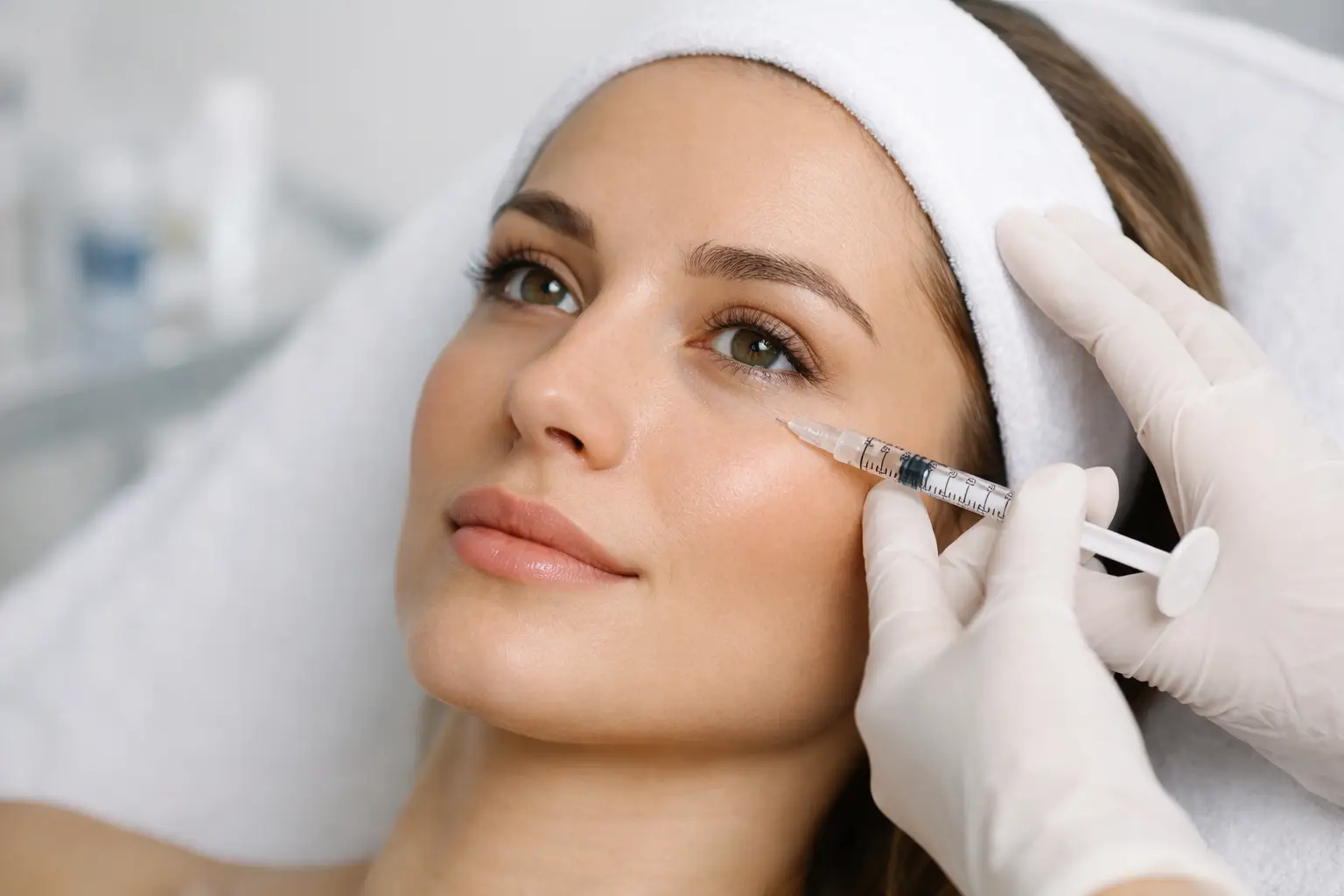
The under-eye area can make someone look tired long before they feel tired. A filler tear trough treatment is designed to soften the hollow that runs from the inner corner of the eye toward the cheek, helping restore a smoother, more rested transition without changing the character of the face.
For the right candidate, this small adjustment can make a meaningful difference. But under-eye filler is not a one-size-fits-all solution. The skin is thin, the anatomy is complex, and the most beautiful results come from careful assessment, conservative technique, and a plan tailored to what is actually causing the tired appearance.
What Is Filler Tear Trough Treatment?
The tear trough is the natural indentation beneath the lower eyelid. It may become more noticeable with age as facial volume shifts and skin quality changes, but genetics can make it visible even in younger adults. Shadows in this area can create a fatigued or hollow look, especially in certain lighting or after a busy week.
Tear trough filler typically uses a smooth hyaluronic acid gel placed strategically beneath the skin to support the hollow and blend the lower eyelid into the upper cheek. Hyaluronic acid is a substance naturally found in the body and is commonly selected because it can be adjusted or dissolved if medically necessary.
The goal is not to erase every line or create puffiness beneath the eyes. It is to reduce the abrupt shadow between the eye and cheek so the face appears refreshed, balanced, and naturally youthful. A skilled injector often treats less than a patient expects, because precision matters far more than volume in this delicate area.
Why Under-Eye Hollows Are Not Always a Filler Problem
A hollow is only one possible reason the under-eye area appears tired. Dark circles may be related to pigment, visible blood vessels, thin skin, allergies, sleep patterns, facial structure, or shadows cast by volume loss in the cheek. Puffiness may come from fluid retention or prominent fat pads. Loose skin can be a separate concern altogether.
This distinction matters because filler placed in the wrong situation can make the under-eye area look heavier rather than brighter. If the lower lids are already puffy, if there is significant skin laxity, or if fluid tends to collect beneath the eyes, filler may not be the best first choice. In some cases, improving cheek support, addressing skin quality, or referring a patient for surgical evaluation may produce a more appropriate outcome.
At Clara Medical Spa, a consultation should begin with a full-face assessment rather than a close look at the under-eye area alone. The cheek, temple, lower eyelid, skin thickness, and facial movement all influence the treatment plan. Treating the face as a whole helps preserve expression and avoid an overfilled appearance.
Who May Be a Good Candidate for Tear Trough Filler?
Ideal candidates generally have a true hollow beneath the eyes, relatively good skin elasticity, and little to no persistent under-eye puffiness. They want a rested look rather than a dramatic transformation, and they understand that subtle correction is often the safest and most elegant approach.
A consultation is particularly valuable for people who have tried concealer, eye creams, or facials without seeing a change in the shadow created by facial structure. Those treatments can support skin health, but they cannot replace lost structural support under the eye.
Tear trough filler may be less suitable for someone with pronounced bags, severe laxity, chronic swelling, active irritation, or certain medical conditions. Pregnancy and breastfeeding are also times when elective injectable treatments are generally postponed. An experienced medical provider will review health history, previous filler, medications, and expectations before recommending treatment.
What Happens During the Appointment?
A thoughtful under-eye filler appointment is not rushed. Your provider evaluates your facial anatomy in different positions and lighting, discusses what you see in the mirror, and explains whether filler is likely to improve the concern. Photographs may be taken to support accurate treatment planning and result tracking.
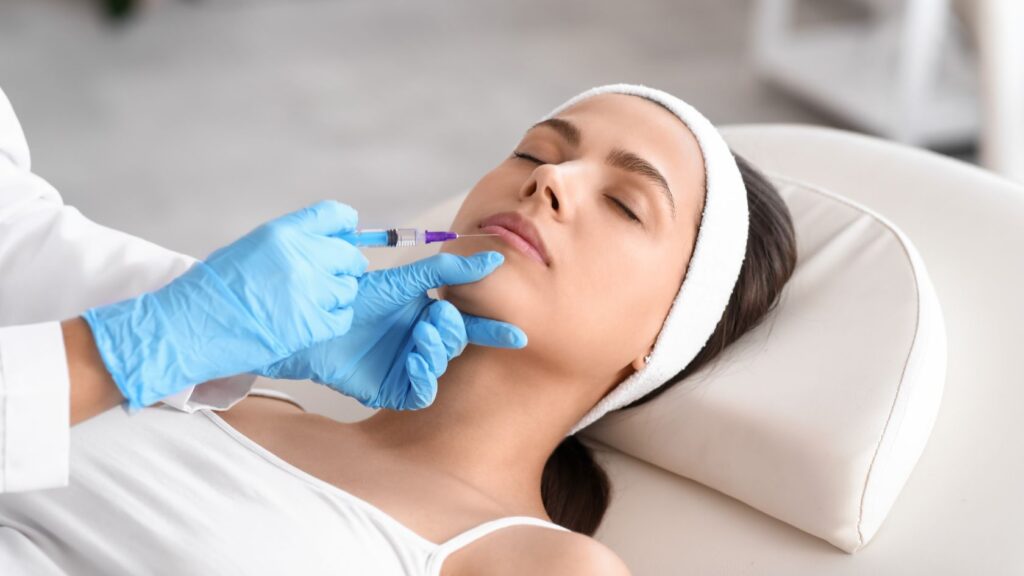
The skin is cleansed, and a topical numbing agent may be used when appropriate. Depending on anatomy and provider preference, filler may be placed with a fine needle or a blunt-tip cannula. A cannula can allow access through a small entry point and may reduce bruising for some patients, though no technique removes risk entirely.
The filler is introduced gradually and assessed as the treatment progresses. Gentle molding may be performed to ensure smooth integration. Most appointments are relatively brief, but the care taken before and during injection is what supports a polished result.
Patients may see an improvement immediately, although mild swelling can temporarily affect the appearance. Final results are best judged after the area has settled, typically over the following days to two weeks.
How Long Does Under-Eye Filler Last?
Results vary based on product choice, metabolism, anatomy, and the amount of correction needed. Many patients enjoy their result for roughly 9 to 18 months. The under-eye area can retain filler longer than more mobile areas of the face, which is another reason a conservative approach is preferred.
Maintenance should never be automatic. At a follow-up appointment, the provider should evaluate whether additional product is truly needed. Sometimes the best choice is to wait, especially when the result remains balanced and natural.
Safety, Risks, and Why Provider Expertise Matters
All injectable treatments carry risk, and tear trough filler deserves particular respect because of the delicate anatomy around the eyes. Temporary swelling, tenderness, bruising, and mild unevenness can occur. Some patients are more prone to prolonged swelling, particularly if they have a history of under-eye bags or fluid retention.
Less common concerns include visible filler, a bluish cast beneath thin skin, lumps, infection, or asymmetry. Very rare but serious vascular complications can occur with dermal filler and require immediate medical attention. This is why treatment should be performed by a qualified, medically trained professional who understands facial anatomy, uses appropriate products and techniques, and has a clear safety protocol.
Choose a provider based on expertise and judgment, not simply the lowest price or the number of syringes offered. Under-eye treatment is an area where restraint and the ability to say no are signs of excellent care.
Preparing for Treatment and Recovery
Your provider will give instructions based on your medical history and treatment plan. In general, patients should arrive with clean skin and disclose all medications, supplements, allergies, and prior cosmetic procedures. Do not stop prescribed medication without guidance from the clinician who manages it.
After treatment, avoid pressing or massaging the area unless specifically instructed. It is often wise to postpone strenuous exercise, excessive heat, alcohol, and anything that may increase swelling for the first day or two. A cool compress can be soothing, but it should be used gently without pressure.
Bruising is possible, so it can help to schedule treatment away from a major event when possible. Contact your provider promptly if you experience significant pain, unusual discoloration, changes in vision, or symptoms that feel concerning. Early communication is always the right choice.
Treatments That May Complement or Replace Filler
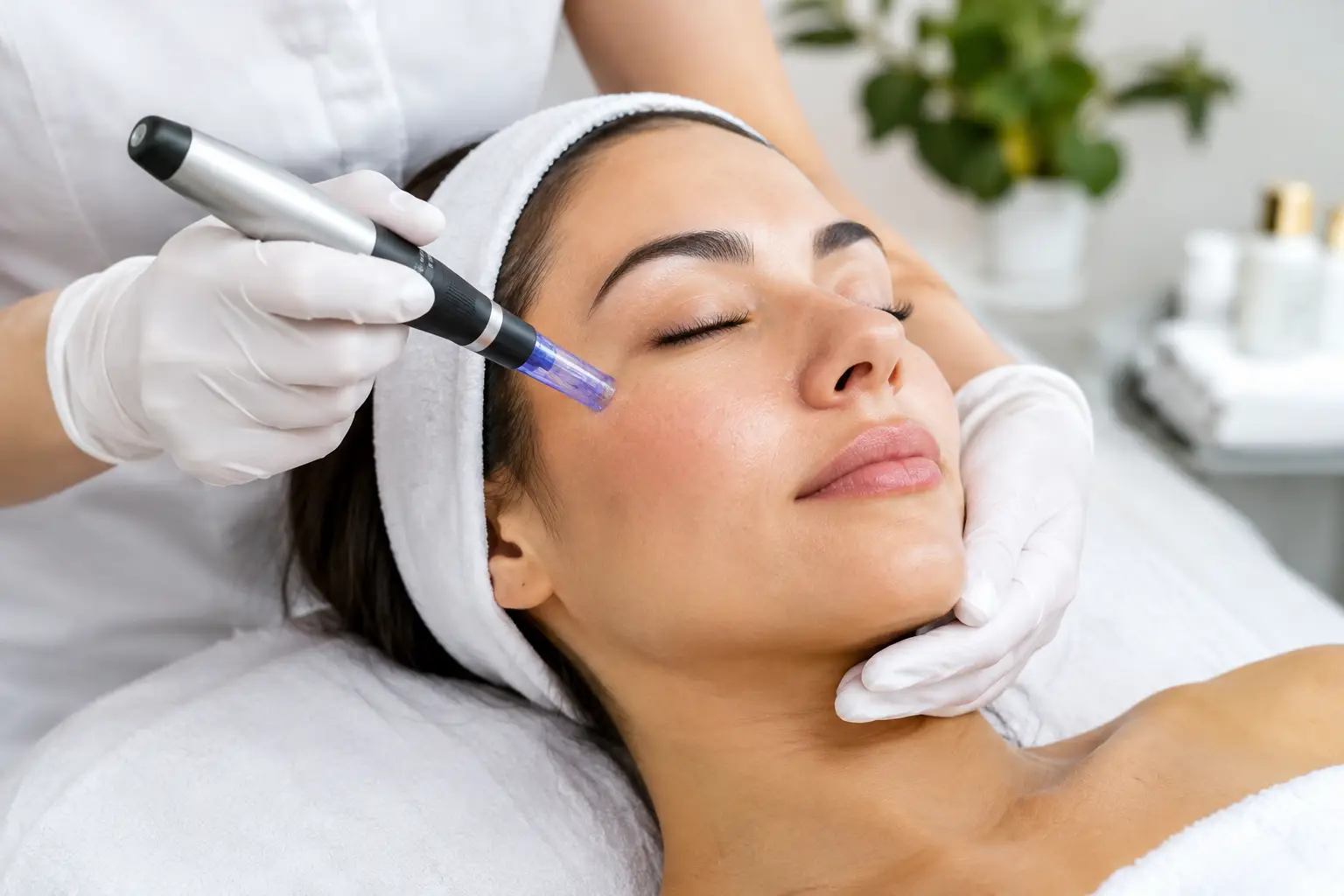
When under-eye shadows are tied to skin texture, fine lines, or crepey skin, collagen-stimulating treatments may be considered as part of a broader plan. Microneedling, selected laser treatments, and medical-grade skincare can support smoother, healthier-looking skin over time. These options do not replace volume in the same way filler does, but they may improve the quality of the tissue around it.
For patients with a flattened midface, subtle cheek support can sometimes improve the under-eye transition without placing product directly in the tear trough. For prominent bags or excess skin, surgical consultation may offer the most durable and appropriate solution. The best plan is the one that addresses the cause, not just the visible shadow.
A rested appearance should still look like you. If under-eye hollows are affecting how you feel when you look in the mirror, a personalized consultation can clarify whether tear trough filler, skin rejuvenation, or another approach will give you the most natural path forward.
Related treatments & reading
Explore our dermal fillers in Thornhill and see the price list.
Frequently Asked Questions
Where can I get dermal fillers in Thornhill?
Clara Medical Spa is located at 1 Promenade Cir in Thornhill, inside the Promenade Shopping Centre, and treats clients from Thornhill, Vaughan, Richmond Hill, and the greater Toronto area.
How much do dermal fillers cost at Clara Medical Spa?
Fillers start at $300 per syringe. The number of syringes depends on your goals and anatomy, and your injector will give a clear estimate at your free consultation.
Is tear trough filler right for everyone?
Not always. Candidacy depends on your under-eye anatomy, skin quality and the cause of the hollows, so an in-person assessment is essential.
How long does tear trough filler last?
Duration varies by product and individual. Your injector can give an estimate at your consultation.
Related treatments & reading



[…] Filler Tear Trough: Is It Right for Under-Eye Hollows? […]