
Joseph Ahmadi
Medically reviewed by Dr. Mo Maghaddasi, Medical Director at Clara Med Spa.
Last updated: August 11, 2026
Cheek volume rarely disappears all at once. Most people notice it in small ways first – makeup does not sit the same, the face looks a little more tired, or the under-eye area starts to seem heavier even after good sleep. That is often where the question begins: how dermal filler restores cheeks and why this treatment can make the whole face look fresher without changing what makes you look like you.
At Clara Medical Spa in Thornhill, our dermal filler and facial contouring treatments serve clients from Thornhill, Vaughan, Richmond Hill, and across the GTA, including cheek filler to restore volume naturally.
Cheeks do more than create definition. They support the midface, frame the eyes, and help maintain a smooth transition from the under-eye area to the lower face. When volume shifts or declines with age, weight changes, or natural facial anatomy, the face can look flatter, less lifted, or more shadowed. Restoring the cheeks is not simply about adding fullness. In the right hands, it is about rebalancing structure.
How dermal filler restores cheeks
Dermal filler for the cheeks is usually used to replace volume that has been lost or to enhance volume that was never very prominent to begin with. Most cheek fillers are made with hyaluronic acid, a substance that already exists in the body and attracts water. When placed strategically, filler can create support in the midface, soften hollowness, and improve facial contour.
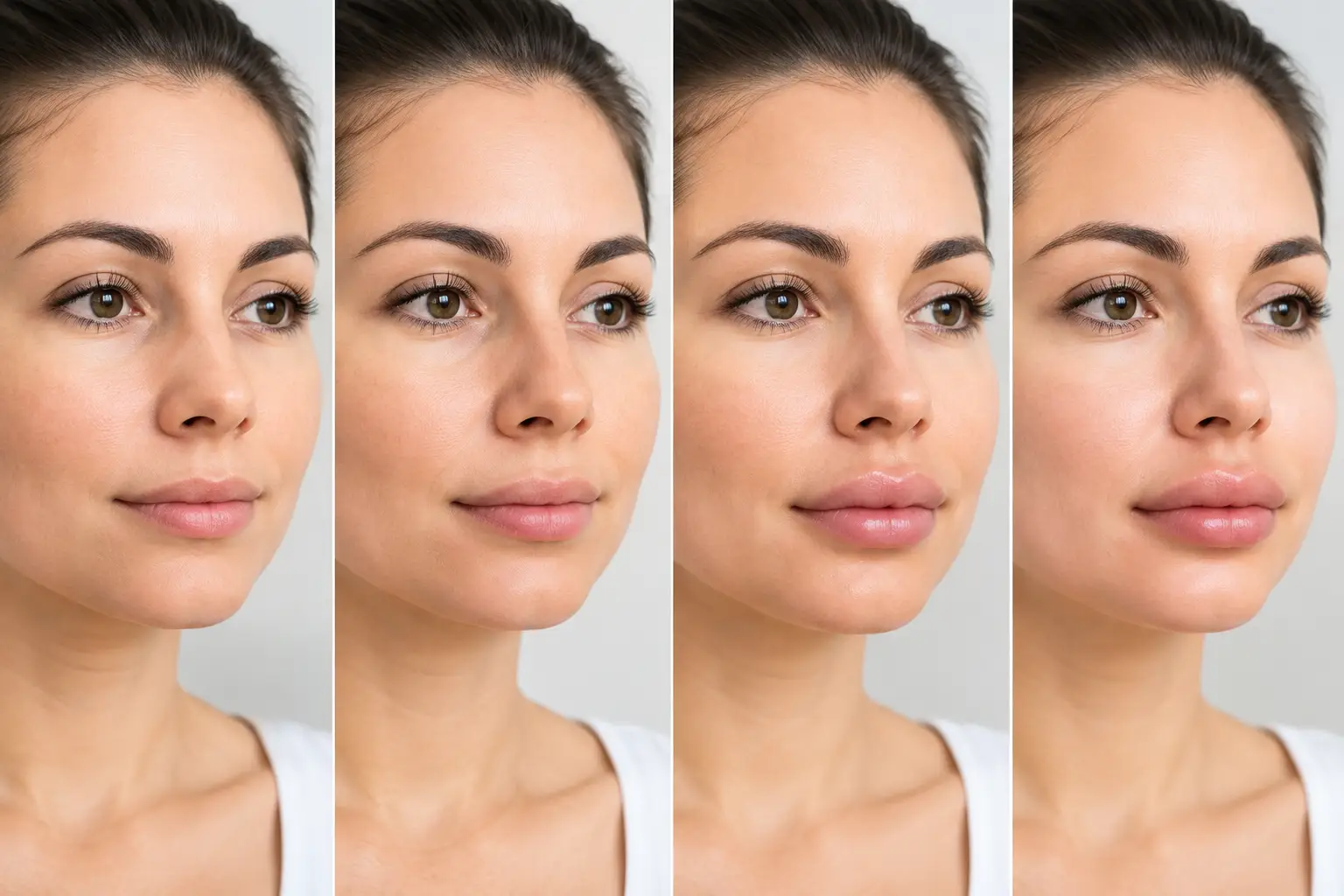
The effect is often more architectural than people expect. Rather than puffing the face, a well-planned cheek treatment can restore gentle projection at the cheekbone and improve the way light reflects across the face. That is why patients often say they look less tired or more refreshed, even when the change is subtle.
There is also a secondary benefit. Because the cheeks help support surrounding tissues, restoring volume in this area may soften the appearance of nasolabial folds or reduce heaviness in the lower midface. It does not replace every other treatment, but it can improve more than one concern at once.

Why cheeks lose volume over time
Facial aging is not just about skin. The skin becomes thinner, collagen declines, fat pads shift, and bone structure changes gradually over the years. In the cheeks, this can lead to flattening, descent, and less support through the middle of the face.
Genetics also play a role. Some people develop volume loss early, while others naturally have a flatter cheek structure and want more definition long before aging becomes the main concern. Weight loss can make this even more noticeable. A slimmer face can look elegant, but if cheek volume drops too much, it may also create a drawn or fatigued appearance.
This is why treatment should never be one-size-fits-all. The goal for one patient may be lift and contour. For another, it may be restoring softness and balance without visible augmentation.
What good cheek filler should look like
The best cheek filler does not announce itself. It should look like you are well rested, healthy, and naturally defined. In a clinical aesthetic setting, that means respecting facial proportions, skin quality, and age.
A younger patient may want a little more contour across the cheekbone. A patient in their 40s, 50s, or 60s may be better served by replacing support that has faded over time. These are very different plans, even if the treatment area is technically the same.
Product choice matters too. Some fillers are firmer and better for structure, while others are softer and more suitable for blending or refining transitions. Injection depth, placement, and quantity all affect the outcome. Too little may not create enough support. Too much, or product placed too superficially, can look heavy or unnatural.
That balance is where medical expertise and aesthetic judgment matter most.
The consultation matters as much as the filler
If you are considering cheek filler, the consultation should feel detailed, not rushed. A qualified provider will assess your facial anatomy, symmetry, skin quality, movement, and treatment goals before deciding whether filler is the right option.
They should also explain what filler can and cannot do. For example, if skin laxity is more advanced, filler alone may not create the result you want. If under-eye hollowness is your biggest concern, the cheeks may still need to be treated first because midface support often affects how the under-eye area looks. In other cases, combining cheek filler with skin tightening, neuromodulators, or another facial rejuvenation treatment may produce a more balanced result.
This is one reason physician-led aesthetic planning tends to produce more refined outcomes. The treatment is not based on a trend or a standard syringe count. It is based on your face.
What treatment feels like
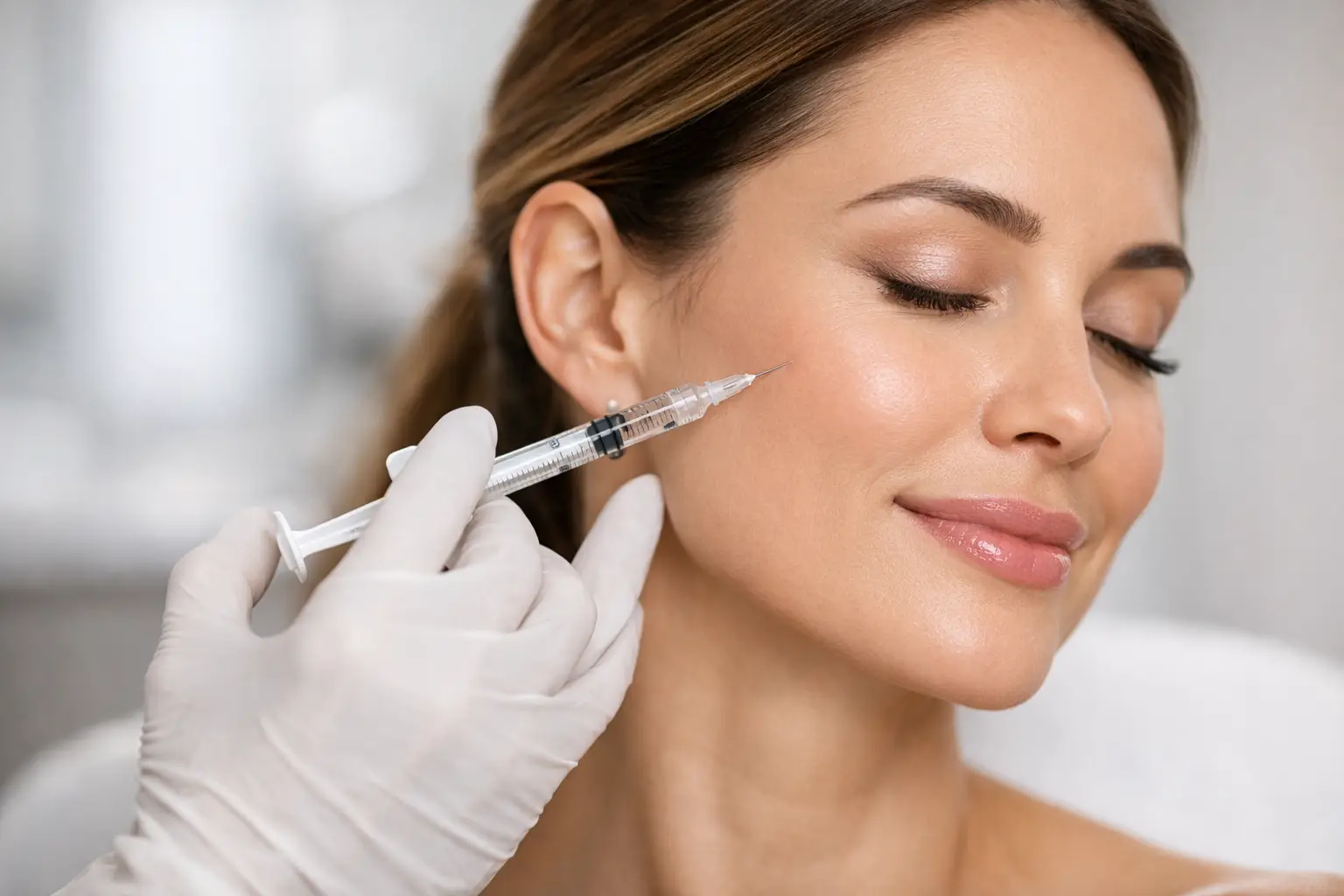
Cheek filler appointments are typically straightforward. After the treatment plan is confirmed, the area is cleansed and marked. Many fillers contain lidocaine to improve comfort, and a topical numbing option may also be used depending on the approach.
The product may be placed with a needle or cannula. Both methods can be appropriate. The choice depends on anatomy, provider technique, and the treatment goals. Patients usually describe the procedure as very tolerable – more pressure than pain.
There can be mild swelling, tenderness, or bruising afterward. Some people return to normal activities the same day, while others prefer a little social downtime, especially if they bruise easily. Final results are not always immediate because the filler settles and any swelling needs time to resolve.
How long cheek filler lasts
Longevity depends on the filler used, your metabolism, and how much movement the area gets. In the cheeks, results often last longer than they do in more mobile areas such as the lips. Many patients enjoy improvement for several months to well over a year.
That said, maintenance is personal. Some patients prefer small touch-ups to keep the result consistent. Others wait until they notice a meaningful change before retreating. More product is not always better. Often, a conservative refresh is what keeps the outcome looking elegant.
Who is a good candidate
Cheek filler can be an excellent option for adults who want to restore midface volume, improve contour, or soften a tired appearance without surgery. It suits many patients who want visible change with relatively little downtime.
It may be especially appealing if you want natural rejuvenation rather than dramatic transformation. Men and women can both benefit, although the treatment plan should account for different aesthetic preferences and facial structures. A feminine cheek shape is not the same as a masculine one, and experienced injectors adjust accordingly.
Not everyone is an ideal candidate at every moment. Active skin infection, certain medical conditions, pregnancy, or unrealistic expectations may mean treatment should be delayed or reconsidered. A careful medical review is part of safe care.
Common concerns about looking overdone
This is usually the biggest fear, and it is a fair one. Overfilled cheeks can widen the face, blur natural contours, and create a look that feels artificial. The good news is that this is not an inevitable result of filler – it is usually a result of poor planning, wrong product choice, too much volume, or repeated treatment without enough restraint.
Natural-looking cheek filler starts with respecting anatomy and knowing when to stop. In a practice focused on personalized aesthetic care, the aim is not to chase volume for its own sake. It is to create harmony, support, and softness.
At Clara Medical Spa, that physician-led approach is central to achieving results that feel polished rather than obvious.
How dermal filler restores cheeks compared with other options
Cheek filler is not the only way to improve the midface, but it is one of the most efficient for volume loss. Skin tightening treatments can improve firmness and texture, yet they do not replace lost volume. Fat transfer can restore volume more permanently, but it is more invasive and not the right fit for everyone. Surgical lifting addresses deeper tissue descent, though it comes with more downtime and a very different treatment process.
Filler sits in a useful middle ground. It is non-surgical, customizable, and immediately visible, but it still requires judgment. If the issue is primarily laxity, not volume, filler may have limits. The right recommendation depends on what your face actually needs, not just what treatment is popular.
Beautiful cheek restoration is rarely about adding more. It is about restoring support where it has faded and doing it with enough precision that your features still feel completely your own. If your face looks tired, flat, or less defined than it used to, the cheeks may be the place to start – and the most elegant results are often the ones no one can quite identify, only admire.
Explore our dermal fillers in Thornhill and see the price list.
Frequently Asked Questions
Where can I get dermal fillers in Thornhill?
Clara Medical Spa is located at 1 Promenade Cir in Thornhill, inside the Promenade Shopping Centre, and treats clients from Thornhill, Vaughan, Richmond Hill, and the greater Toronto area.
How much do dermal fillers cost at Clara Medical Spa?
Fillers start at $300 per syringe. The number of syringes depends on your goals and anatomy, and your injector will give a clear estimate at your free consultation.
How does cheek filler restore volume?
Filler adds support to the mid-face, which can lift and refresh the look of the cheeks.
How long does cheek filler last?
Duration varies by product and individual. Ask your injector at consultation.
Related treatments & reading

Great content! Keep up the good work!
[…] complementary treatments for a more complete refresh. Depending on your concerns, that may include dermal filler for temple or cheek support, skin tightening treatments, or skin rejuvenation to improve texture and brightness around the […]
[…] skin laxity, or a facial proportion issue that would be better addressed elsewhere. In some cases, supporting the cheeks, treating the chin, improving skin quality, or using a combination approach creates a more […]
Все детали в одно клик: кредит займ
[…] How Dermal Filler Restores Cheeks Naturally […]