
Medically reviewed by Dr. Mo Maghaddasi, Medical Director at Clara Med Spa.
At Clara Medical Spa in Thornhill, our medical microneedling and exosome therapy serve clients from Thornhill, Vaughan, Richmond Hill, and across the GTA, so you can compare microneedling with chemical peels.
Last updated: August 11, 2026
A lingering acne scar, early fine lines around the mouth, sun spots that makeup cannot fully cover – these concerns can make choosing a skin treatment feel more complicated than it should. When comparing microneedling vs chemical peel, the best option is rarely about which treatment is “better.” It is about what your skin needs now, how much downtime fits your life, and the kind of improvement you want to see.
Both treatments can refresh dull skin, soften visible signs of aging, and support a smoother, more even-looking complexion. Yet they work in distinctly different ways. A thoughtful consultation helps identify the approach that aligns with your skin type, sensitivity level, lifestyle, and aesthetic goals.
Microneedling vs Chemical Peel: The Core Difference
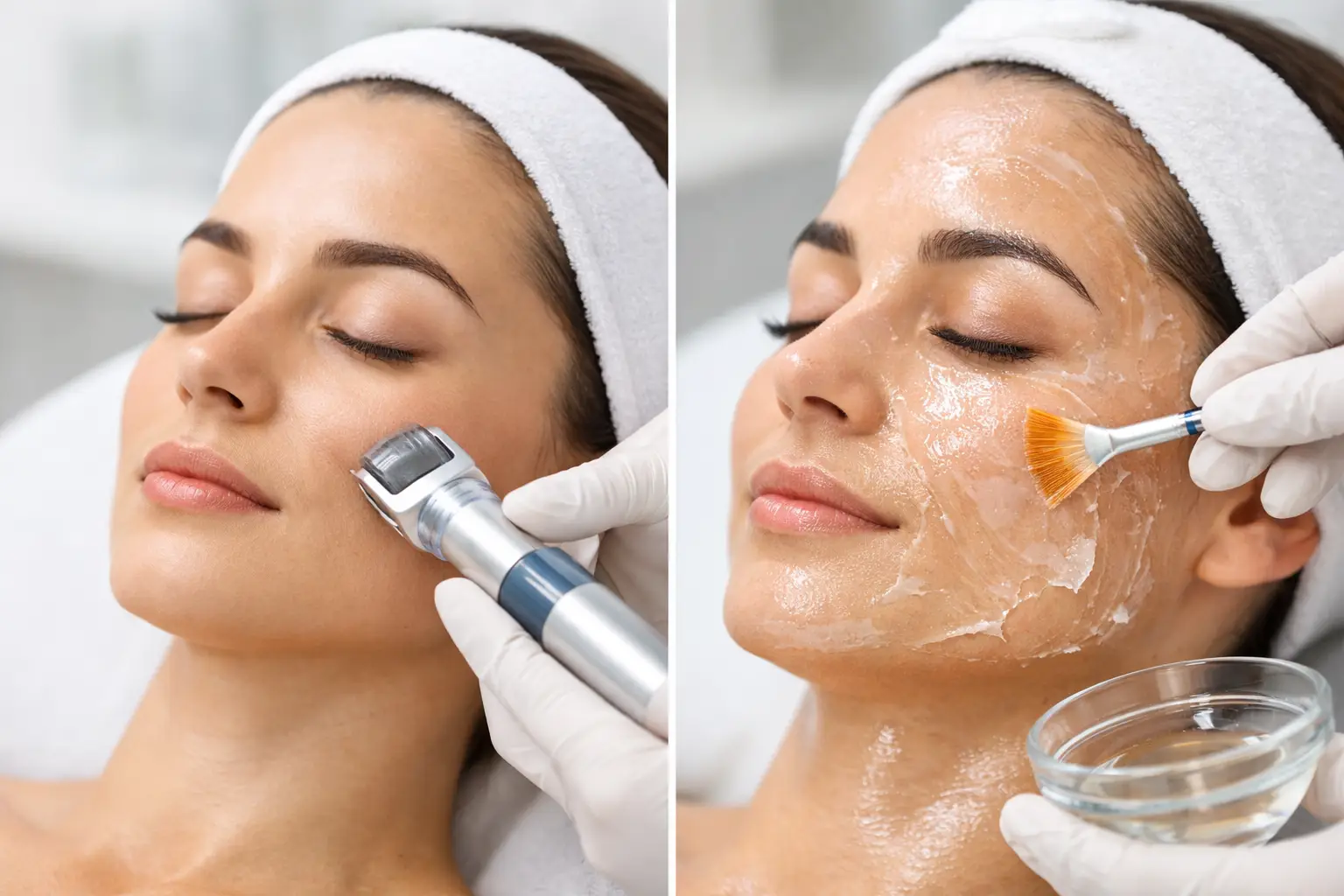
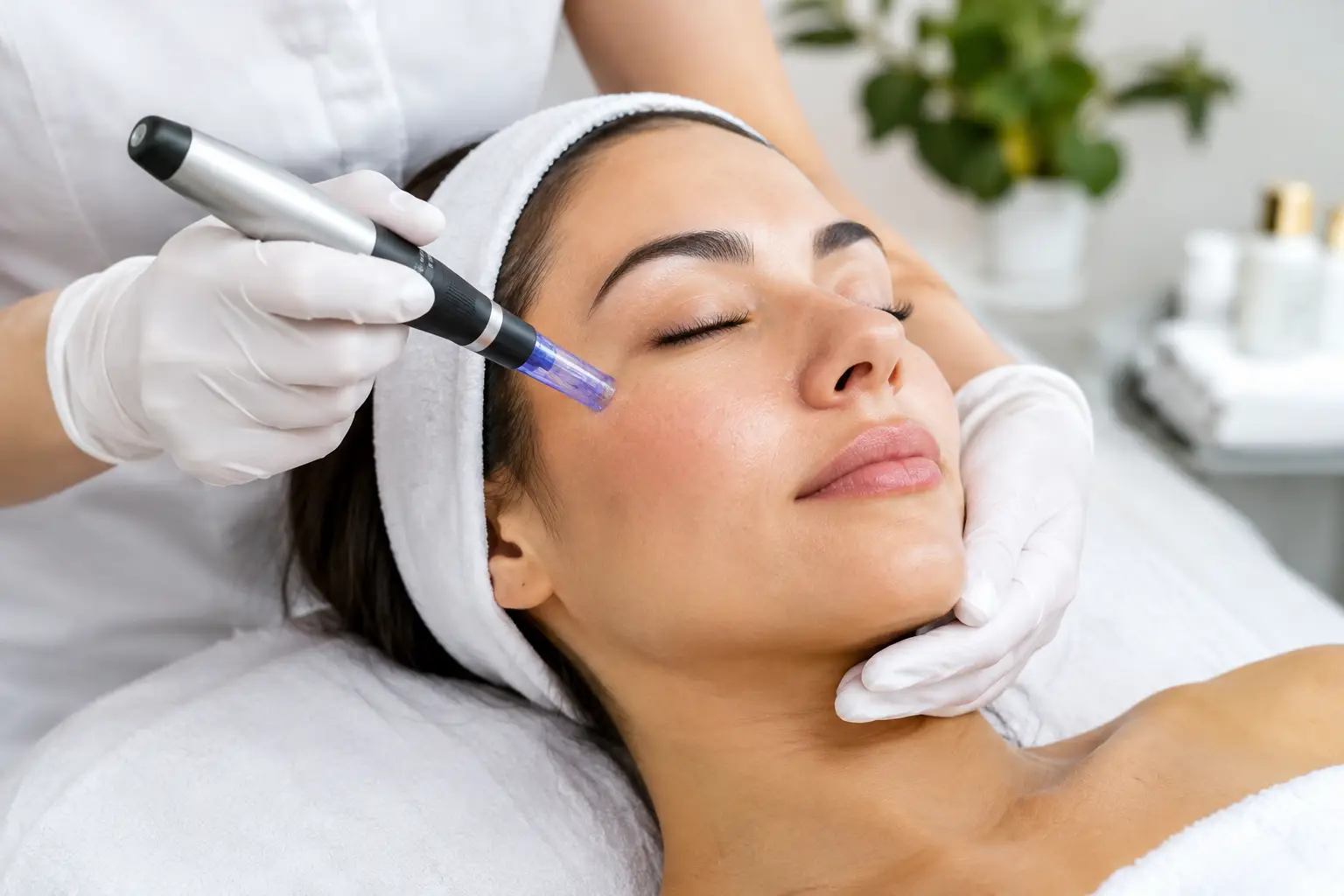
Microneedling creates controlled microchannels in the skin using a professional device with very fine sterile needles. This process triggers the skin’s natural repair response and encourages collagen and elastin production over time. It is especially valued for improving texture, the appearance of acne scars, enlarged pores, fine lines, and mild skin laxity.
A chemical peel uses a carefully selected topical solution to exfoliate layers of the skin. Depending on the type and strength of peel, it can address surface-level dullness, uneven tone, acne, pigmentation, and fine lines. As old skin cells shed, fresher-looking skin becomes more visible.
The simplest distinction is this: microneedling primarily works by stimulating collagen through controlled skin renewal, while a chemical peel primarily works by exfoliating and accelerating cell turnover. Both may be part of a comprehensive skin-rejuvenation plan, but they are not interchangeable.

When Microneedling May Be the Better Choice
Microneedling is often an excellent option when texture is the central concern. If your skin looks uneven in certain lighting, makeup settles into shallow scars, or pores appear more noticeable around the nose and cheeks, collagen-focused treatment can provide meaningful improvement over a series of sessions.
It is also a popular choice for clients who want gradual, natural-looking rejuvenation. Results do not typically appear overnight because the skin needs time to build new collagen. Many clients begin to notice a healthier glow within weeks, with continued improvement in firmness and texture over the following months.
Microneedling can be customized according to treatment depth, skin condition, and the area being treated. Professional treatment may also be paired with specialized topical support, such as exosome therapy, when appropriate for the individual treatment plan. The goal is never to over-treat the skin. Precision matters, particularly for delicate areas and for clients prone to sensitivity or post-inflammatory discoloration.
Downtime is generally manageable. Skin may look pink or feel warm for one to several days, similar to a mild sunburn. Some dryness or light flaking can occur as the skin recovers. Most clients can return to normal routines quickly, although makeup, exercise, heat exposure, and active skincare ingredients may need to be paused briefly.
Microneedling may be less suitable if you have active acne lesions, an active skin infection, certain inflammatory skin conditions, or a history that requires additional caution. A qualified provider should assess these factors before treatment.
When a Chemical Peel May Be the Better Choice
A chemical peel can be especially helpful when the concern is concentrated at the surface of the skin. Think of a complexion that appears dull, congested, uneven, or affected by visible sun damage. The right peel can brighten the appearance of the skin, refine tone, and create a smoother canvas for skincare and makeup.
For acne-prone skin, certain professional peels may help reduce congestion and support clearer-looking pores. For pigmentation concerns, carefully chosen peel formulations can improve the appearance of dark spots and uneven tone. The key word is carefully. Pigmentation is not treated well by a one-size-fits-all approach, particularly in deeper skin tones or skin that is prone to discoloration after irritation.
Peels range from light to deeper treatments. A light peel may cause mild tightness, dryness, and subtle flaking, with little interruption to your schedule. Medium or more intensive peels can involve more visible peeling and a longer recovery period, but may be appropriate for more advanced concerns when performed under qualified medical guidance.
Clients sometimes expect every chemical peel to produce dramatic sheets of peeling skin. That is not necessarily the sign of a successful treatment. Some of the most elegant results come from gentle, well-planned treatments that improve skin quality gradually without excessive inflammation or prolonged downtime.
Results, Recovery, and Treatment Frequency
Both options can deliver beautiful results, but their timelines are different. A chemical peel may offer a relatively quick improvement in radiance and surface smoothness, particularly after a light peel. It can be a compelling choice before a special event when scheduled with enough time for the skin to settle.
Microneedling is more of a collagen-building investment. It is often recommended as a series, with appointments spaced several weeks apart to allow the skin to respond and repair. This makes it especially valuable for concerns that cannot be exfoliated away, such as textural acne scars or early loss of firmness.
Recovery also depends on intensity. A light peel may be easier to fit into a busy schedule than a deeper peel, while microneedling commonly involves a few days of visible redness. Neither choice should be booked immediately before a major event without discussing your timing with a provider. Skin can be unpredictable, and allowing a comfortable buffer is always wise.
Sun protection is essential after either treatment. Freshly treated skin is more vulnerable to sun exposure, and consistent use of broad-spectrum sunscreen helps protect your results while reducing the risk of unwanted pigmentation.
Can You Combine Microneedling and Chemical Peels?
Yes, but not usually on the same day and not without a strategic plan. Microneedling and chemical peels can complement one another when used at appropriate intervals. For example, a treatment plan may use peels to improve surface tone and congestion while using microneedling to target acne scarring, fine lines, and textural concerns.
The sequence matters. Applying too many corrective treatments too close together can compromise the skin barrier, leading to irritation, prolonged redness, breakouts, or pigmentation issues. Healthy skin responds better than stressed skin. A personalized schedule allows your provider to pursue visible change while respecting your skin’s recovery process.
How to Choose Based on Your Main Concern
If your primary goal is smoother skin texture, softer acne scars, reduced pore visibility, or collagen support, microneedling is often the stronger starting point. If you are most concerned with dullness, uneven tone, surface pigmentation, or congestion, a chemical peel may be the more direct option.
For fine lines, either treatment may be beneficial. The deciding factors are usually whether those lines are accompanied by textural changes or sun-related discoloration. For acne, a peel may help with active congestion, while microneedling is generally reserved for scars after active breakouts are controlled.
Skin sensitivity and skin tone deserve equal consideration. A treatment that is effective for one person may be too aggressive for another. This is why choosing treatment based solely on an online before-and-after photo, a friend’s experience, or a seasonal promotion can lead to disappointment. Your skin’s history matters, including previous reactions, current skincare products, medications, sun exposure, and any tendency toward dark marks or scarring.
The Value of a Personalized Skin Assessment
At Clara Medical Spa, treatment planning begins with looking beyond a single concern. A client may arrive focused on dark spots, for example, but benefit most from a plan that also addresses dehydration, barrier health, texture, and sun protection habits. A physician-led, individualized approach helps determine whether microneedling, a chemical peel, or a carefully timed combination is the safest and most effective path.
The best aesthetic results still look like you. They do not rely on aggressive treatment or unnecessary downtime. They come from skilled assessment, appropriate technique, and a plan that gives your skin time to respond beautifully.
If you are deciding between microneedling and a chemical peel, bring your goals, schedule, and current skincare routine to a consultation. The right recommendation should feel clear, comfortable, and tailored to the healthy, confident-looking skin you want to maintain.
Related treatments & reading
Explore our microneedling in Thornhill and see the price list.
Frequently Asked Questions
Where can I get microneedling in Thornhill?
Clara Medical Spa is located at 1 Promenade Cir in Thornhill, inside the Promenade Shopping Centre, and treats clients from Thornhill, Vaughan, Richmond Hill, and the greater Toronto area.
How much does microneedling cost at Clara Medical Spa?
Pricing depends on the treatment and add-ons such as exosomes, and is confirmed at your free consultation. RF (face) sessions start at $150.
Is microneedling or a chemical peel better?
Microneedling builds collagen for texture and scarring, while peels refresh tone and surface irregularities. Many plans use both.
Which has more downtime?
Downtime varies by depth and strength. Your provider will explain what to expect for your choice.
Related treatments & reading

[…] Microneedling vs Chemical Peel: Which Fits You? […]