
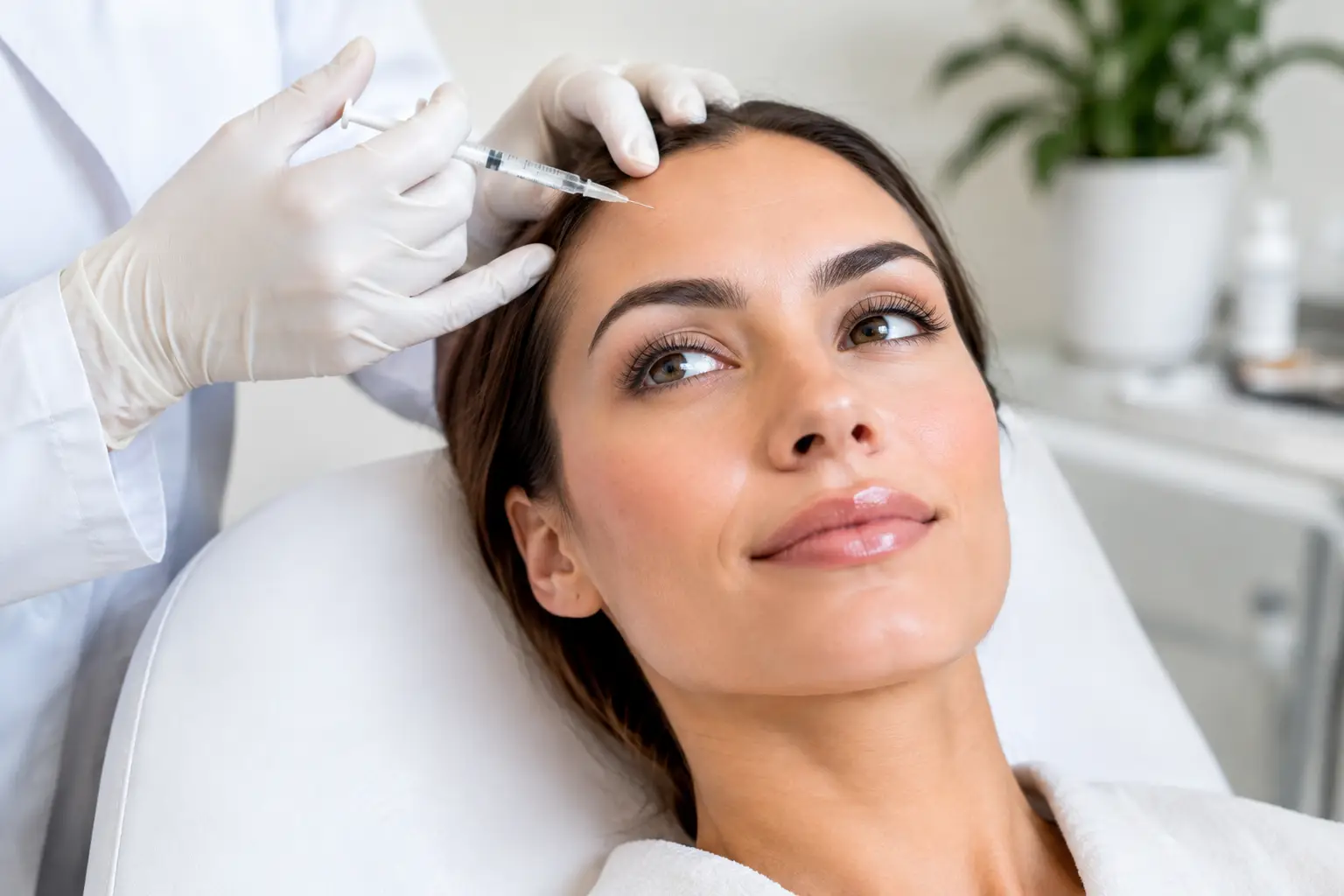
A raised brow in a photo, makeup settling into a forehead line, or a crease that lingers after an expressive conversation can prompt the same question: is it time to start Botox? Preventative Botox trends 2026 are moving the conversation beyond age and toward a more thoughtful question: what does your face actually need right now?
For many adults, the appeal is not looking different or chasing a perfectly smooth appearance. It is preserving a rested, polished look while remaining expressive and recognizable. That requires a personalized approach, careful dosing, and an experienced medical provider who understands that the best injectable result is often the one no one can identify.
Preventative Botox Trends 2026: Less Product, More Precision
The most significant trend is a move away from the idea that more units create better results. Preventative Botox, often called prejuvenation, uses neuromodulators to soften repetitive muscle movement before etched-in lines become more established. The goal is not to stop facial expression. It is to reduce the force of movements that repeatedly fold the skin in the same places.
In 2026, clients are asking for treatment plans that respect facial movement. They want to look alert, relaxed, and natural at work, in photos, and in person. This has made conservative, strategic placement more valuable than a standard treatment map.
A skilled injector considers the strength of your muscles, your natural brow position, skin quality, facial symmetry, and the way you express emotion. Someone with strong forehead movement may need a different approach than someone whose lines are primarily visible between the brows. A person with naturally low brows also needs particular care, since excessive forehead relaxation can create a heavy appearance.
The trend is not simply “baby Botox,” a term often used for lower-dose treatment. For the right person, a small dose can be beautiful. For another, under-treating may lead to a result that fades quickly or does not adequately address the concern. Precision matters more than a label.
Starting Earlier Is Not Always Better
Preventative Botox has become increasingly common among people in their late 20s and 30s, but age alone is not a reason to begin. Genetics, sun exposure, skin tone, collagen production, stress, and facial habits all influence when dynamic lines begin to linger at rest.
A client in their late 20s with faint lines that disappear completely when the face is relaxed may decide to focus first on sunscreen, skincare, hydration, and periodic skin rejuvenation treatments. Another person of the same age may have deep frown lines that remain visible even without expression and may benefit from a conservative injectable plan.
This distinction matters because Botox does not improve every sign of aging. It relaxes targeted muscles. It does not replace lost facial volume, erase sun damage, tighten loose skin, or correct texture on its own. When those concerns are present, an honest consultation may include options such as microneedling, laser-based skin treatments, RF tightening, or carefully selected dermal filler. A balanced plan often creates a fresher result than relying on one treatment for every concern.
The Natural Movement Standard
The frozen look has become less desirable, and thankfully, less necessary. Modern preventative treatment often prioritizes preserving some movement in the forehead and around the eyes while softening the tension that makes a face appear tired, worried, or stern.
This is particularly relevant for clients who speak publicly, work on camera, or simply value an animated face. A little movement can feel like you. The appropriate degree of softening is personal, and it should be discussed before treatment rather than judged only after the injection.
Photos can help communicate your preferences. Some clients want their forehead nearly smooth, while others want a softer version of their usual expression. Mention whether you have had Botox before, how long it lasted, what you loved, and what you would change. These details give your provider a much stronger starting point than requesting a certain number of units.
Skin Quality Is Joining the Conversation
One of the more refined preventative Botox trends 2026 is treating injectables as part of a broader skin-health strategy. Smooth muscle movement is only one component of youthful-looking skin. Luminosity, even tone, hydration, elasticity, and texture all shape how refreshed the face appears.
That is why clients are pairing Botox with treatments that support the skin itself. Microneedling with exosome therapy may be considered for texture and overall rejuvenation. Laser treatments can address visible sun damage, brown spots, redness, or small vessels when clinically appropriate. Facials and peels may help maintain clarity and glow between more intensive treatments.
The right sequence depends on your skin, your schedule, and your goals. If you are preparing for a wedding or major event, timing matters. Botox generally takes several days to begin working and can take up to two weeks for the full effect. Skin treatments also need appropriate recovery time, especially if they create temporary redness or flaking. Planning early protects you from making rushed choices close to an important date.
Preventative Treatment Is Becoming More Personal
Social media has made aesthetic treatments more visible, but a trending facial template does not account for individual anatomy. The same injection pattern can create very different results from one face to another. That is why a consultation should feel like an assessment, not a transaction.
A physician-led approach considers medical history, current medications, allergies, prior cosmetic procedures, and realistic expectations. Botox may not be appropriate during pregnancy or breastfeeding, and some neuromuscular conditions or medications require additional evaluation. A qualified medical provider will review these factors and explain potential side effects, including temporary bruising, swelling, headache, asymmetry, eyelid or brow heaviness, and the possibility that adjustments may be needed.
This attention to safety should not feel intimidating. It is part of receiving thoughtful care. Aesthetic medicine is most rewarding when you feel informed and comfortable before treatment, not pressured into a decision.
Maintenance Without Overdoing It
For many people, Botox results last roughly three to four months, though metabolism, muscle strength, dose, and treatment area all affect longevity. Preventative treatment does not require chasing every trace of movement as it returns. Some clients prefer a consistent maintenance schedule, while others book only before events or when lines begin to bother them again.
Trying to extend results with increasingly frequent treatment is not always the answer. Your provider can help you decide when to return based on how your face moves and how your results are wearing off. Over time, some muscles may become less active with regular treatment, but this varies from person to person.
At Clara Medical Spa, the focus is on a treatment plan designed around your features, not a one-size-fits-all formula. Whether you are new to injectables or refining an established routine, the objective is a result that complements your natural beauty and fits comfortably into your life.
What to Ask Before Your First Appointment
Before committing to preventative Botox, ask who will perform the injections and what qualifications they hold. Ask how they assess facial anatomy, how they handle follow-up concerns, and what outcome is realistic for your particular lines. You should also ask about pre-treatment instructions, aftercare, and when you can expect to see the final result.
Be candid about your desired look. If you are worried about appearing frozen, say so. If you have an upcoming event, share the date. If you have experienced brow heaviness, unevenness, or short-lived results elsewhere, bring it up during your consultation. The more clearly you communicate, the more precisely your treatment can be planned.
The best time to consider preventative Botox is not when a trend tells you to start. It is when you understand your options, feel confident in your provider, and can choose a plan that lets you look beautifully like yourself.