
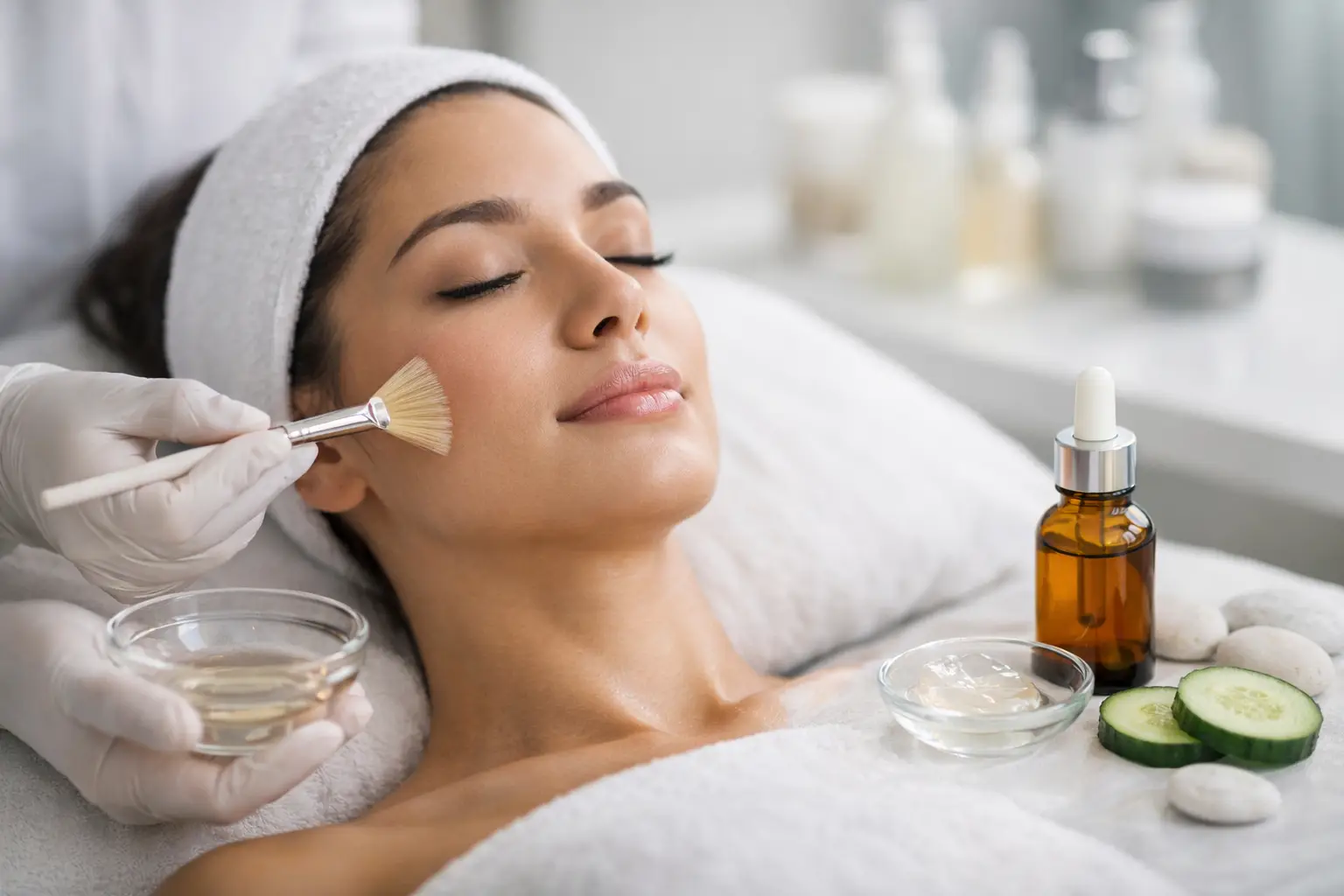
A chemical peel can make dull skin look clearer, soften the appearance of fine lines, and help fade visible sun damage or post-acne marks. But are chemical peels safe? For the right candidate, with the right formula and professional guidance, they can be a safe, effective way to refresh the skin. The key is not choosing the strongest peel available. It is choosing the peel that matches your skin concern, skin tone, lifestyle, and ability to follow aftercare.
At Clara Medical Spa in Thornhill, our facials and chemical peels serve clients from Thornhill, Vaughan, Richmond Hill, and across the GTA, and your esthetician will assess your skin before recommending any peel.
At a physician-led medical spa, a peel should never be treated as a one-size-fits-all facial. Your skin deserves a careful assessment before any solution touches it.
Are Chemical Peels Safe for Every Skin Type?
Chemical peels use carefully selected acids or enzymes to loosen and remove damaged cells from the skin’s surface. This controlled exfoliation encourages cell renewal, which can leave skin smoother, brighter, and more even-looking over time.
Safety depends on several factors: the type and strength of the peel, where it is applied, how long it remains on the skin, your current skin condition, and the experience of the provider. A superficial peel used appropriately is very different from a medium-depth or deep peel. More intensity does not automatically mean better results.
Most people begin with superficial peels. These treatments work primarily on the outermost layer of skin and may include alpha hydroxy acids, beta hydroxy acids, or other gentle exfoliating blends. They are often chosen for mild congestion, uneven texture, early signs of aging, and a lackluster complexion. Some flaking or temporary dryness may occur, but downtime is usually limited.
Medium-depth peels reach further into the skin and can be useful for more noticeable pigmentation, acne scarring, and textural concerns. They also require more recovery time and more disciplined aftercare. Deep peels are not a casual cosmetic treatment. They involve a greater level of risk, healing, and medical oversight, and are appropriate only for select patients.
Skin tone matters, too. Clients with medium to deep skin tones can absolutely benefit from chemical peels, but they need a thoughtful approach. Aggressive exfoliation can trigger post-inflammatory hyperpigmentation, meaning the skin may develop dark marks after irritation. Selecting the right peel, preparing the skin when necessary, and avoiding excessive treatment are all part of safer, more beautiful outcomes.

What Can Make a Chemical Peel Riskier?
A peel is designed to create a controlled response in the skin. Problems arise when that response becomes too intense, when the skin barrier is already compromised, or when aftercare is ignored.
Expected short-term effects can include warmth during treatment, redness, tightness, dryness, light swelling, and visible peeling. Depending on the peel, these effects may last from a day or two to about a week. They are not necessarily a sign that something has gone wrong.
More serious complications are less common but possible. They can include prolonged redness, infection, cold sore reactivation, scarring, changes in pigmentation, or a chemical burn. These risks are why a professional consultation matters, particularly for stronger peels or anyone with a history of sensitive or reactive skin.
A treatment may need to be postponed or modified if you have an active rash, open acne lesions, sunburn, eczema flare, psoriasis flare, skin infection, or a current cold sore near the treatment area. Certain medications and skin care products can also affect the plan. Retinoids, exfoliating acids, benzoyl peroxide, and recent hair removal or laser procedures may make the skin more vulnerable to irritation.
If you have used isotretinoin, are pregnant or breastfeeding, have a history of keloid scarring, experience frequent cold sores, or have a medical condition that affects healing, disclose this during your consultation. That does not always mean a peel is off the table. It means your provider should determine whether treatment is appropriate now, what type is suitable, and what precautions are needed.
At-Home Peels and Professional Peels Are Not Equal
At-home exfoliating products can have a place in a well-designed skin care routine. However, they are not a substitute for a professionally selected peel. The challenge with stronger at-home products is not just the formula. It is the lack of assessment, precise application, neutralization when required, and real-time clinical judgment.
Layering an at-home peel onto already sensitized skin can lead to irritation, dark marks, or a damaged skin barrier. If your skin stings when you apply simple moisturizer, feels unusually tight, or is visibly inflamed, more exfoliation is rarely the answer. Restoring the barrier comes first.
How a Professional Peel Is Made Safer
A quality treatment begins before the appointment itself. Your provider should ask about your goals, medical history, medications, previous cosmetic treatments, allergies, and daily skin care products. They should also examine your skin for dehydration, active inflammation, pigmentation patterns, acne, and signs that a peel should be delayed.
The treatment plan should be specific. Someone hoping to brighten mild sun spots may need a very different peel from someone managing active acne or trying to improve acne scars. A series of gentle treatments may deliver a more refined result than one aggressive peel, especially when preserving an even skin tone is a priority.
At Clara Medical Spa, personalized aesthetic care is built around this principle: healthy-looking results should never come at the expense of skin safety. A professional provider can adjust the peel’s strength, application time, and treatment frequency while considering complementary options such as facials, microneedling, or targeted skin care when they better suit your concern.
Communication is part of safety as well. You should know what you may feel during treatment, what recovery will look like, which products to pause, and when to contact the clinic. Be cautious of anyone promising dramatic resurfacing with no downtime, no screening, and no discussion of risks.
Chemical Peel Aftercare Protects Your Results
The hours and days after a peel matter as much as the treatment itself. Newly exfoliated skin is more sensitive to heat, friction, active ingredients, and ultraviolet exposure. Gentle care gives the skin time to recover beautifully.
For the first several days, use a mild cleanser, a simple hydrating moisturizer, and broad-spectrum sunscreen as directed by your provider. Avoid picking, pulling, scrubbing, or trying to speed up peeling. Removing flakes prematurely can cause irritation and increase the risk of discoloration.
You may also be advised to pause retinoids, exfoliating acids, scrubs, and other active products until the skin has recovered. Skip hot yoga, steam rooms, saunas, swimming pools, and intense workouts for the period recommended for your particular peel. Heat and sweat can aggravate already sensitive skin.
Sun protection is non-negotiable. Even brief unprotected exposure can worsen pigmentation after a peel. A wide-brimmed hat, shade, and consistent sunscreen use help protect both your comfort and your results.
When to Call Your Provider
Mild redness and flaking can be normal. Contact your provider promptly if you develop severe or increasing pain, substantial swelling, blistering, oozing, spreading redness, fever, or signs of an allergic reaction. Early advice can prevent a small issue from becoming a longer recovery.
Choosing the Right Time for a Peel
Consider your calendar before booking. Even a light peel can leave you temporarily dry or flaky, while a stronger treatment may require visible downtime. Avoid scheduling a first-time or medium-depth peel immediately before a wedding, vacation, professional photo session, or other major event.
Fall and winter are popular times for corrective peel programs because people tend to have less sun exposure. Still, peels can be performed in other seasons when sun precautions are realistic and consistent. The best timing is the time when you can protect your skin, follow instructions, and allow healing to happen without pressure.
A chemical peel should feel like a considered investment in skin quality, not a rushed fix before an event. With a qualified provider, honest discussion of your history, and attentive aftercare, it can be a polished way to support clearer, smoother, more luminous-looking skin. The safest next step is a personalized consultation that puts your skin’s long-term health first.
Explore our facials and peels in Thornhill and see the price list.
Frequently Asked Questions
Where can I get a facial or chemical peel in Thornhill?
Clara Medical Spa is located at 1 Promenade Cir in Thornhill, inside the Promenade Shopping Centre, and treats clients from Thornhill, Vaughan, Richmond Hill, and the greater Toronto area.
How much do facials and peels cost at Clara Medical Spa?
Chemical peel facials are $90, anti-aging and brightening facials are $120, and Hydra Facials are $150 on our price list.
Are chemical peels safe for all skin tones?
Peels can be suitable for many skin tones when the peel type and strength are chosen carefully. Your esthetician assesses your skin first.
Who should avoid a chemical peel?
Recent sun exposure, active skin infections, certain medications, and pregnancy may affect eligibility. Share your history at your consultation.
Related treatments & reading
[…] infection, or have recently had another aesthetic treatment. Recent injectables, laser procedures, chemical peels, waxing, dermaplaning, or facial treatments may affect the ideal schedule. A polished result is […]
[…] Are Chemical Peels Safe? What to Know First […]
[…] Are Chemical Peels Safe? What to Know First […]