
Joseph Ahmadi
Medically reviewed by Dr. Mo Maghaddasi, Medical Director at Clara Med Spa.
Last updated: August 11, 2026
Sun spots tend to show up at the worst time – after years of diligent skincare, just when you want your complexion to look brighter, smoother, and more even. Brown spot laser treatment is designed for exactly this concern, helping reduce visible pigmentation caused by sun exposure, aging, and certain benign skin changes without surgery or lengthy recovery.
At Clara Medical Spa in Thornhill, our sun damage and brown spot laser treatments serve clients from Thornhill, Vaughan, Richmond Hill, and across the GTA, including laser treatment for brown spots.
For many patients, the frustration is not only the spots themselves. It is the way uneven pigmentation can make skin look older, tired, or less refined, even when the texture is otherwise healthy. A well-chosen laser treatment can restore clarity to the skin, but the right plan depends on your skin tone, the type of pigmentation present, and how your skin responds to light-based technology.
What brown spot laser treatment actually treats
Brown spot laser treatment is used to target excess pigment in the skin. Most commonly, that includes sun spots, age spots, freckles, and certain superficial pigmented lesions that appear on the face, chest, shoulders, arms, and hands. These spots often become more visible over time because of cumulative UV exposure.
Not every dark mark is a good candidate for laser treatment. Some pigmentation sits deeper in the skin. Some marks are related to melasma, which can be more complex and may worsen with heat if the wrong device is used. Post-inflammatory hyperpigmentation from acne or irritation also needs a more tailored approach. This is why a proper assessment matters before any treatment begins.
An experienced provider will look at the color, depth, pattern, and cause of the pigmentation rather than treating every spot the same way. That distinction is what helps produce cleaner, safer, and more natural-looking results.
How brown spot laser treatment works
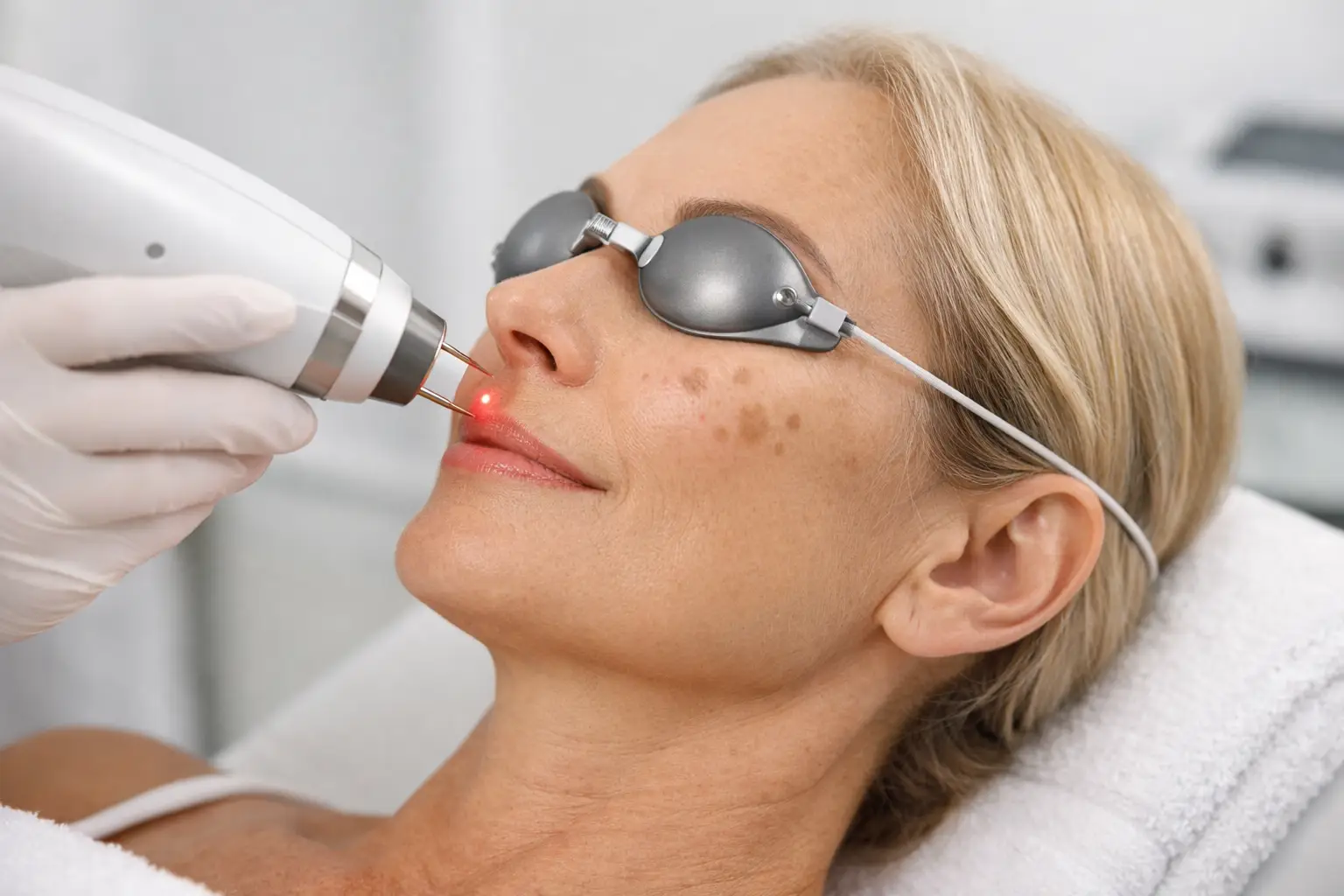
Laser energy is attracted to pigment in the targeted lesion. The device delivers controlled light into the spot, breaking up concentrated melanin so the body can gradually clear it away. In many cases, the treated pigment darkens temporarily before it flakes off or fades over the following days.
The process sounds simple, but precision matters. Settings must be chosen carefully based on your skin type and the kind of pigmentation being treated. A setting that works beautifully for one patient may be too aggressive or not effective enough for another.
This is where physician-led treatment planning makes a visible difference. The goal is not just to remove pigment. The goal is to improve overall skin clarity while protecting the surrounding tissue and respecting the skin’s natural balance.
Who is a good candidate?
If you have discrete brown spots caused by sun damage or aging, you may be an excellent candidate for treatment. Patients often seek care when makeup no longer covers the spots well, when the skin starts to look uneven in photos, or when pigmentation creates a rougher, less youthful appearance.
Good candidates usually have stable skin, realistic expectations, and a commitment to sun protection after treatment. This last point matters more than many people realize. If ongoing UV exposure continues unchecked, new pigmentation can develop even after successful laser sessions.
There are also cases where treatment should be approached more cautiously. Patients with deeper skin tones can absolutely benefit from pigmentation correction, but they may require more conservative settings or a different treatment strategy to reduce the risk of unwanted discoloration. Patients with melasma, active inflammation, recent tanning, or certain medical conditions may need to postpone laser treatment or choose another option.
What a consultation should cover
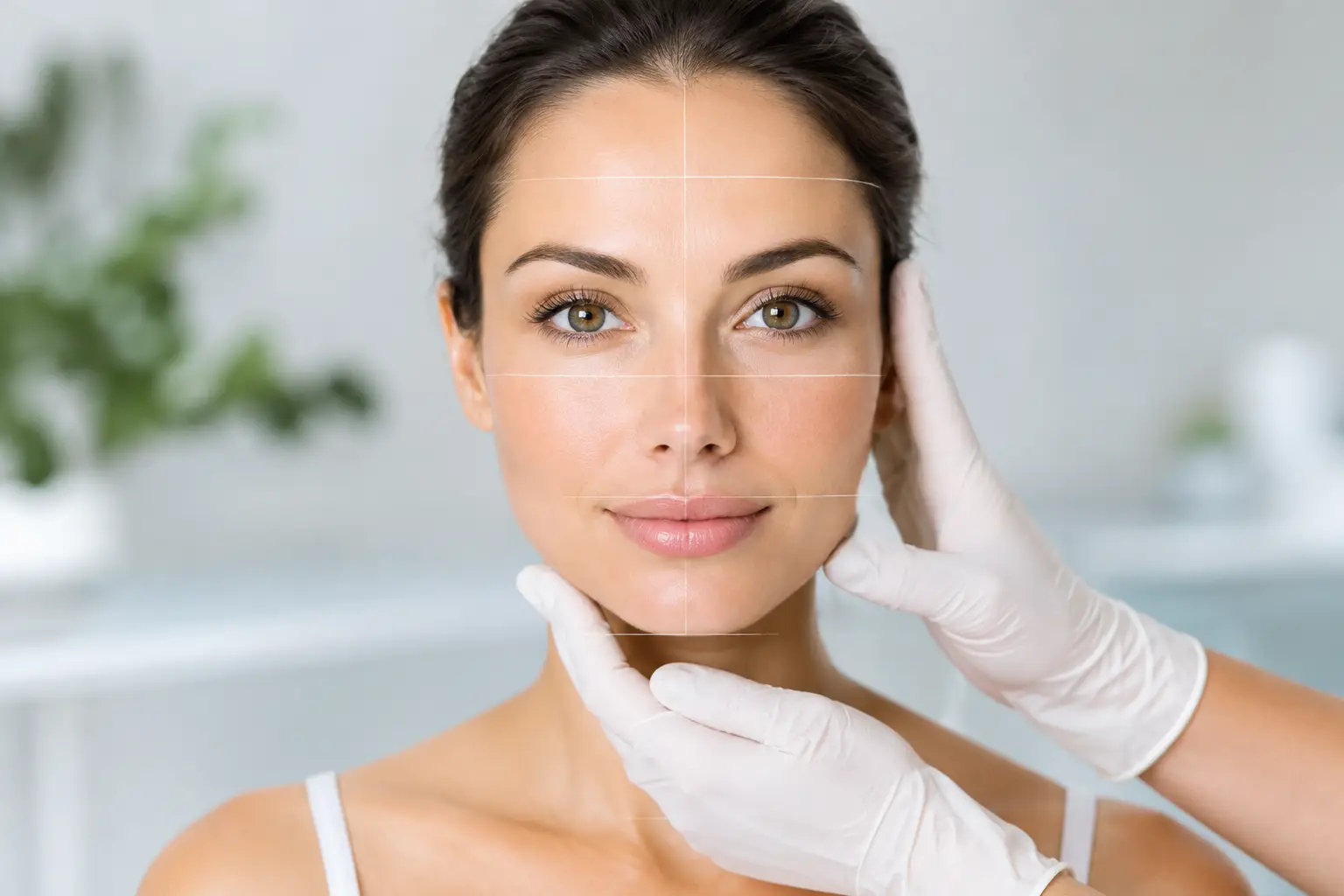
A quality consultation is not a formality. It is where safety and results begin. Your provider should examine the areas of concern, review your medical history, ask about prior treatments, and discuss your skincare routine, sun habits, and goals.
You should also be told whether your pigmentation is likely to respond well to laser treatment, how many sessions may be needed, and what kind of improvement is realistic. Some brown spots clear quickly. Others lighten in stages. Some patients need a combination approach that includes skincare, chemical peels, or broader skin rejuvenation treatments for the most polished result.
At Clara Medical Spa, treatment planning is built around personalization because pigmentation is rarely one-size-fits-all. A refined result comes from choosing the right technology for the right skin concern, not from treating every brown mark with the same protocol.
What treatment feels like
Most patients describe the sensation as a quick snapping or warm prickling feeling on the skin. Discomfort is generally brief and manageable, especially since many pigmented spots are treated quickly. Depending on the treatment area and device used, cooling measures may be applied to improve comfort.
Appointments are often relatively short, which makes this a practical option for busy patients who want meaningful improvement without a major interruption to their schedule. The skin may look mildly pink afterward, and the pigmented spots often darken before they shed or fade.
That temporary darkening can be surprising if you are not expecting it, but it is often part of the normal response. In many cases, the skin looks worse before it looks better. Then, as the pigment clears, the complexion appears brighter and more even.
Brown spot laser treatment recovery and downtime
One of the reasons this treatment is so popular is that downtime is usually limited. Most patients return to normal routines quickly, though they do need to follow aftercare instructions carefully. The skin may feel slightly warm or appear pink for a short period. Treated spots can darken, form a dry texture, and then gradually slough away.
You will want to avoid picking, scrubbing, or exfoliating the treated areas too soon. Sun protection is essential. Freshly treated skin is more vulnerable, and unprotected exposure can interfere with healing or trigger more pigmentation.
Gentle skincare is usually recommended for several days. Your provider may advise you to pause strong active ingredients such as retinoids or exfoliating acids until the skin has settled. The exact aftercare plan depends on the device used and your skin’s response.
How many sessions are needed?
It depends on what is being treated. Some superficial sun spots respond dramatically after one session. More diffuse pigmentation or multiple areas of damage may require a series of treatments. Skin on the hands, chest, and shoulders can also behave differently from facial skin.
This is where realistic expectations matter. Laser treatment can produce impressive improvement, but it does not stop the natural aging process or erase years of sun exposure overnight. For many patients, the best results come from a treatment plan that includes both correction and maintenance.
Maintenance may involve periodic touch-up sessions, medical-grade skincare, and consistent sunscreen use. That combination helps preserve the clarity achieved with treatment and reduces the likelihood of future discoloration.
Risks, trade-offs, and why provider selection matters
Brown spot laser treatment is effective, but it is still a medical aesthetic procedure. Possible side effects can include redness, temporary swelling, crusting, and changes in pigmentation. In rare cases, the skin can become lighter or darker than intended, especially if aftercare is not followed or if the wrong settings are used.
There is also the issue of diagnosis. Not every brown lesion should be treated cosmetically without proper evaluation. A medically trained provider understands when a spot appears benign and when further assessment may be appropriate before proceeding.
This is one of the key trade-offs patients should understand. A bargain treatment may look attractive at first, but pigment correction is not the place to cut corners. Skill, technology, and clinical judgment all influence the final result.
How to protect your results
Once pigmentation has improved, protecting that investment becomes part of your routine. Daily sunscreen is the foundation. Wide-brimmed hats, shade, and avoiding peak sun exposure also help, especially if you are prone to developing new spots.
A brightening skincare plan may further support the results. Depending on your skin, ingredients that help regulate pigment production can be useful between treatments. The best plan is one that fits your lifestyle and is realistic enough to maintain.
There is also value in treating pigmentation early. Smaller, more superficial spots are often easier to manage than extensive, accumulated sun damage. If you have noticed that your skin looks less even than it used to, addressing it sooner can help restore a fresher, more refined appearance.
Brown spot laser treatment is not about changing your face. It is about removing visual distractions that keep your skin from looking as healthy and luminous as it can. When performed thoughtfully, it can make the complexion look cleaner, brighter, and more elegant – the kind of result that still looks like you, just more refreshed.
Explore our sun damage treatment in Thornhill and brown spot laser.
Frequently Asked Questions
Where can I get sun damage or brown spot treatment in Thornhill?
Clara Medical Spa is located at 1 Promenade Cir in Thornhill, inside the Promenade Shopping Centre, and treats clients from Thornhill, Vaughan, Richmond Hill, and the greater Toronto area.
How much does sun damage or brown spot treatment cost?
Brown spot and sun damage laser treatments require a free consultation, where we provide a personalized quote.
Does laser remove brown spots?
Laser can target pigment so spots fade over a series of treatments.
Is there downtime after brown spot laser?
Treated spots may darken then flake. Your provider will explain aftercare.
Related treatments & reading



[…] Brown Spot Laser Treatment: What to Expect […]
[…] the best option. Sometimes a wrinkle-relaxing treatment is ideal. Other times, skin rejuvenation, laser treatment, microneedling, or a combination approach may better support the result you […]