
Medically reviewed by Dr. Mo Maghaddasi, Medical Director at Clara Med Spa.
Last updated: August 11, 2026
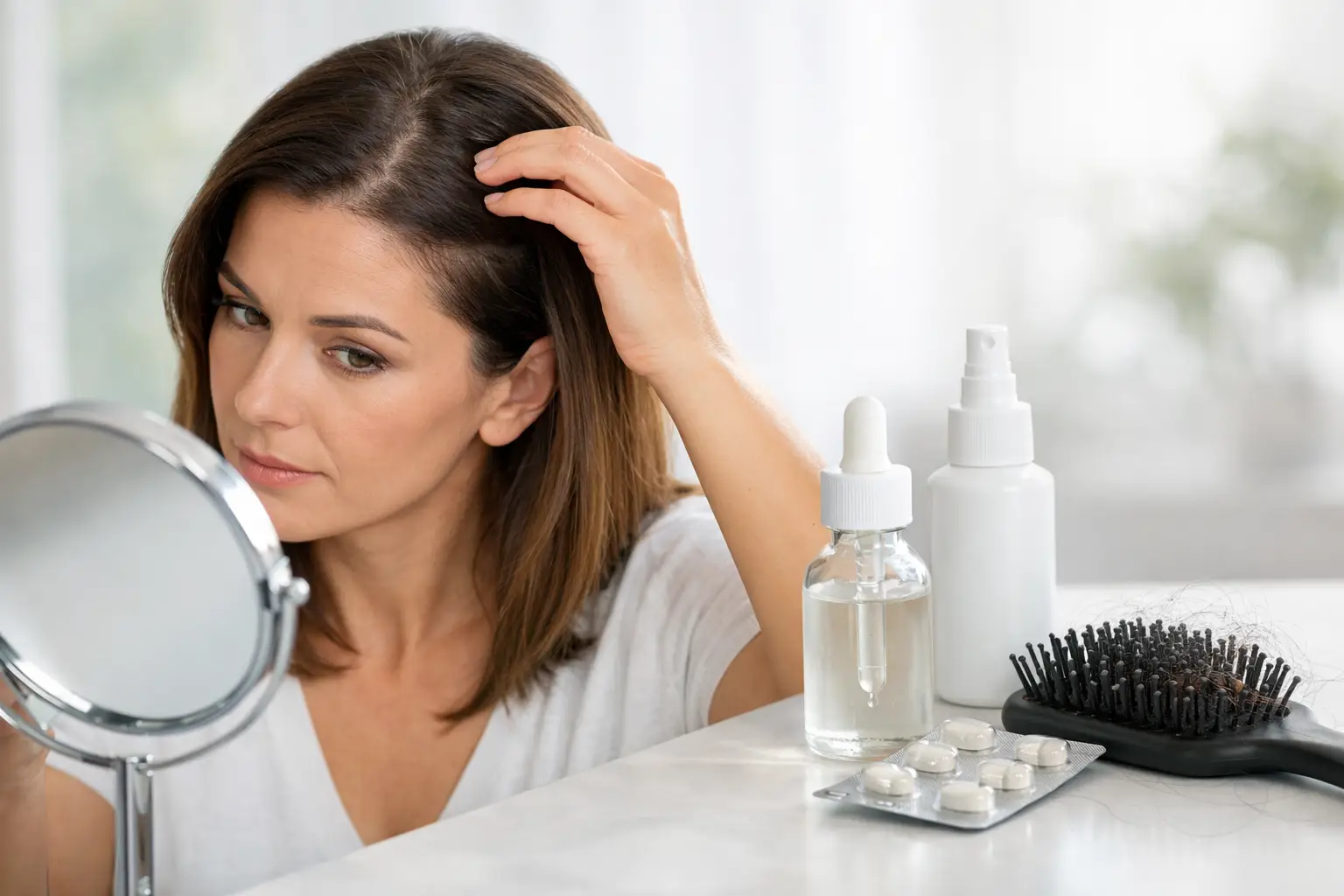
A widening part, extra hair in the shower, or a ponytail that suddenly feels less full can be deeply personal. The right hair loss treatment for women starts with understanding why shedding or thinning is happening, rather than choosing a one-size-fits-all solution. With a thoughtful medical assessment and a personalized plan, many women can support healthier growth and a fuller-looking appearance.
Why Hair Loss in Women Deserves a Closer Look
Hair loss is common, but it is not always simple. Some women notice gradual thinning around the part line or crown over several years. Others experience rapid shedding after illness, stress, childbirth, surgery, significant weight loss, or a change in medication. Hormonal shifts around perimenopause and menopause can also affect the density, texture, and growth cycle of the hair.
Female pattern hair loss is one of the most common causes. It is often influenced by genetics and hormones, and it typically appears as diffuse thinning rather than a sharply receding hairline. Because follicles become progressively smaller over time, earlier care can make a meaningful difference.
Other causes may need a different approach. Low iron stores, thyroid changes, nutritional deficiencies, scalp inflammation, autoimmune conditions, traction from tight styles, and certain medications can all contribute to shedding. This is why a careful consultation matters. Treating the visible symptom without considering the underlying trigger can lead to disappointing results.
What a Hair Loss Consultation Should Include
A high-quality hair restoration plan begins with a detailed conversation. Your provider should ask when the shedding started, whether it followed a major life event, how quickly it is progressing, and whether close relatives have experienced thinning. Hair care practices, styling habits, supplements, medications, diet, menstrual history, and recent health changes can all offer useful clues.
The scalp and pattern of hair loss should also be examined. Is the thinning concentrated at the crown? Is there breakage along the hairline? Are there signs of redness, scaling, tenderness, or scarring? These details help distinguish between common shedding patterns and conditions that may require evaluation by a dermatologist or another medical specialist.
Blood work may be appropriate when symptoms or history suggest a medical contributor. A physician-led approach provides reassurance that your treatment plan is based on your individual needs, not a generic promise of overnight growth.
Hair Loss Treatment for Women: Options That May Help
The most effective plan depends on the cause of hair loss, the condition of the scalp, and how long the thinning has been present. Results also take patience. Hair grows in cycles, so visible changes are typically measured in months, not days.
Medical therapies
For some women with pattern thinning, a provider may recommend topical or oral medical therapies that support the hair growth cycle. These options can be effective, but they are not right for everyone. Pregnancy plans, medical history, blood pressure, hormone sensitivity, and possible side effects should all be considered before treatment begins.
Consistency is essential. Stopping a treatment that is helping may allow shedding to return over time, so it is helpful to discuss what ongoing maintenance could look like before starting.
PRP and regenerative hair treatments
Platelet-rich plasma, often called PRP, uses concentrated platelets from your own blood. After a simple blood draw and preparation process, the PRP is carefully placed into targeted areas of the scalp. Platelets contain growth factors that may help support follicle activity and improve the environment around thinning hair.
PRP is often considered for early-to-moderate thinning, particularly when follicles are still present but producing finer, weaker strands. A series of treatments is usually recommended, followed by maintenance visits based on your response. It may be used on its own or alongside medical therapies for a more comprehensive plan.
Regenerative approaches are not an instant solution and cannot restore follicles that are no longer active. They can, however, be a valuable non-surgical option for women who want to address thinning with a treatment tailored to their scalp and goals.
Scalp care and supportive treatments
A healthy scalp supports healthy-looking hair. When inflammation, excess buildup, dryness, or irritation is present, addressing those concerns may improve comfort and help create better conditions for growth. Your provider may recommend specific scalp care, gentler cleansing habits, or changes to products that aggravate sensitivity.
This is also where realistic expectations matter. Shampoos and serums can support a healthy routine, but they rarely correct hormone-driven or genetic hair thinning on their own. If a product promises dramatic regrowth in a few weeks, approach the claim with caution.
Lifestyle and nutritional support
Hair is sensitive to major physical changes. Restrictive dieting, low protein intake, rapid weight loss, chronic stress, and poor sleep can all contribute to shedding or make existing thinning more noticeable. Nutrition should support overall health, not become another source of pressure.
Supplements are useful only when they address a genuine need. Taking high doses of vitamins without guidance is not always harmless, and certain supplements can interfere with medications or lab results. A provider can help determine whether nutritional support belongs in your plan.
When to Seek Care Sooner
Gradual thinning is common, but some signs deserve prompt attention. Book an assessment if you notice sudden heavy shedding, round bald patches, scalp pain or burning, persistent scaling, eyebrow loss, or hair loss accompanied by fatigue, weight changes, irregular periods, or other new symptoms. These signs do not automatically indicate a serious condition, but they are worth evaluating.
It is also wise to seek professional guidance before trying multiple treatments at once. Layering strong topical products, supplements, and at-home devices can irritate the scalp, complicate the picture, and make it harder to know what is actually helping.
Setting Realistic Expectations for Results
A successful treatment plan is not only about regrowth. For many women, the first goals are to reduce active shedding, preserve existing density, and improve the thickness and quality of the hair that remains. These changes can make the part line look less visible and make styling feel easier, even before dramatic new growth appears.
Progress should be tracked with consistent photos and follow-up assessments. This is more reliable than judging your hair day to day, when lighting, humidity, styling, and stress can all change how full it appears. Most patients need several months to evaluate whether a treatment is working, and some need a combination approach.
At Clara Medical Spa, hair loss care is approached with the same precision used across every aesthetic treatment: careful assessment, physician-guided recommendations, and a focus on results that look naturally beautiful. The right plan should feel clear, comfortable, and realistic for your lifestyle.
Hair thinning can affect how you feel when you look in the mirror, but it does not have to be something you simply accept without answers. A professional consultation can help you move from guesswork to a plan that respects both your health and your confidence.

[…] Hair Loss Treatment for Women That Works […]
[…] Hair Loss Treatment for Women That Works […]