
Joseph Ahmadi
Medically reviewed by Dr. Mo Maghaddasi, Medical Director at Clara Med Spa.
Last updated: August 11, 2026
If you are tired of shaving every few days, dealing with ingrown hairs, or planning wax appointments around your schedule, understanding how laser hair removal works can make the decision feel much clearer. This treatment is popular for a reason – it is precise, efficient, and designed to reduce unwanted hair over time without the constant upkeep of traditional methods.
At Clara Medical Spa in Thornhill, our laser hair removal uses the Cynosure Elite+ dual-wavelength system and the Alma Soprano ICE Platinum for clients from Thornhill, Vaughan, Richmond Hill, and across the GTA, and we can explain how laser hair removal works for your skin and hair.
For many clients, the appeal is not just convenience. It is the confidence that comes with smoother skin, less irritation, and a long-term approach that fits a polished lifestyle. The real value of laser hair removal is that it treats the source of hair growth rather than simply removing hair at the surface.
How laser hair removal works at the follicle level
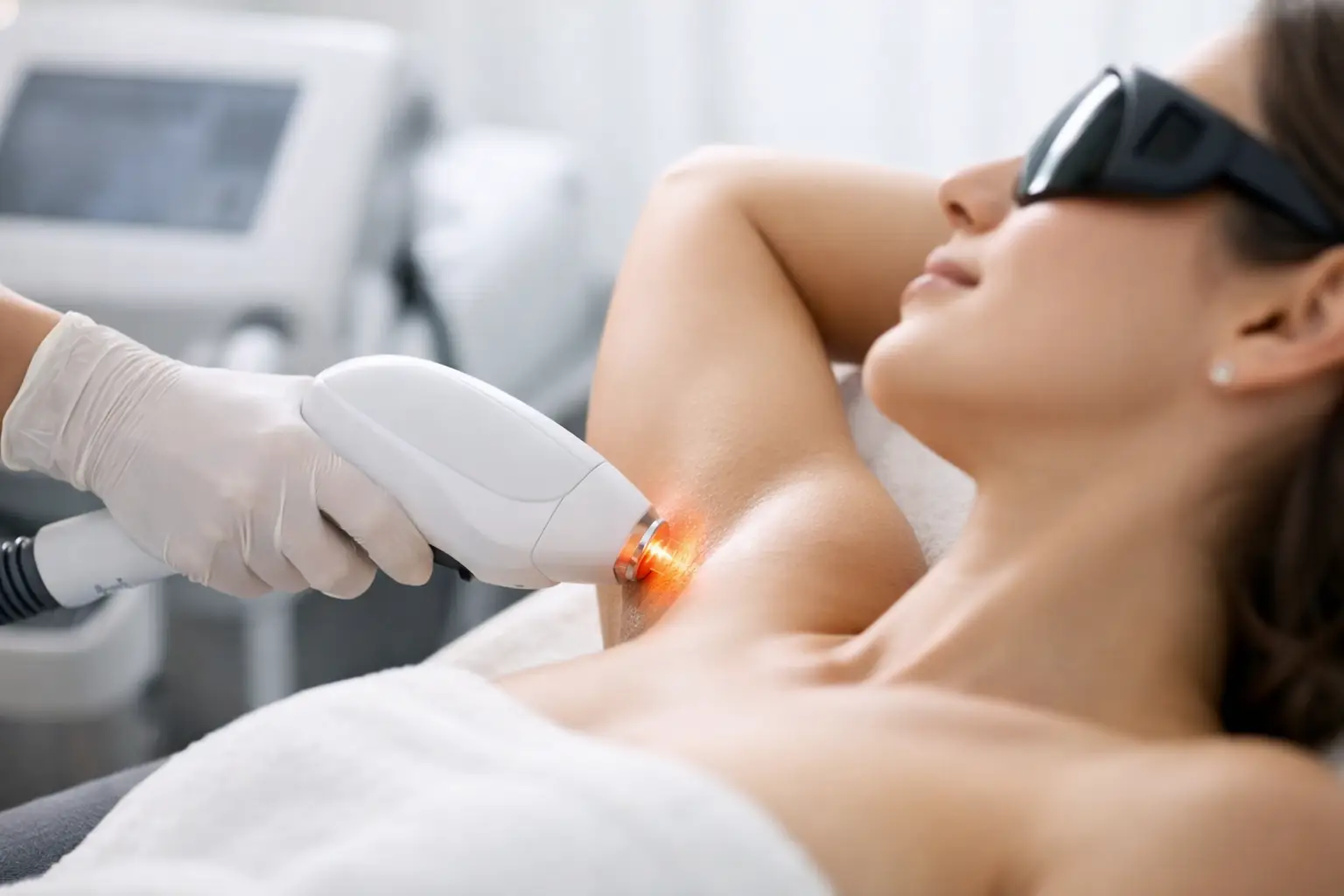
Laser hair removal uses concentrated light energy to target pigment in the hair. That pigment, called melanin, absorbs the laser’s energy and converts it into heat. The heat then travels down the hair shaft into the follicle, where it damages the structures responsible for future hair growth.
The goal is not to burn the skin or remove every visible hair instantly. The goal is selective damage. A well-chosen laser setting focuses on the hair follicle while protecting the surrounding skin as much as possible. That is why professional treatment matters. The right device, paired with an experienced provider, helps balance effectiveness with safety.
Hair grows in cycles, and this is one of the most important details people often miss. At any given time, only some hairs are in the active growth phase, known as anagen. Laser treatment is most effective during this stage because the hair is still connected to the follicle. Hairs that are resting or shedding are less responsive. That is why multiple sessions are needed. Each visit targets a new group of follicles as they enter the right phase.
Why multiple sessions are part of how laser hair removal works
A single treatment can reduce some active hairs, but it will not catch every follicle at the ideal time. Most people need a series of sessions spaced several weeks apart. The exact schedule depends on the area treated, hair density, hormone patterns, and how your body responds.
Facial hair, for example, may require more frequent appointments because it can cycle faster. Areas like the legs or back may be treated at longer intervals. Maintenance sessions may also be recommended later on, especially for clients with hormonal hair growth or finer residual hair.
This does not mean the treatment is ineffective. It means the process is working with biology rather than against it. Gradual reduction is what produces the best long-term result. Over time, many clients notice that hair grows back more slowly, appears finer, and becomes much less noticeable.
What the laser actually targets
The laser is attracted to melanin in the hair, which is why darker hair tends to respond best. Thick, coarse hair usually absorbs more energy than fine, light hair, making it easier to treat. Blonde, gray, white, and red hair can be more difficult because there is less pigment for the laser to identify.
Skin tone also matters, but not in the simplistic way many people assume. Modern laser technologies can treat a wider range of skin tones than older systems could. The key is matching the right wavelength and settings to the individual. Darker skin contains more melanin in the surrounding tissue, so treatment requires precision and provider expertise to reduce the risk of burns or discoloration.
This is where a personalized consultation becomes essential. A proper assessment looks at your skin tone, hair color, treatment area, medical history, and recent sun exposure. It is not a one-size-fits-all procedure, even though it is often marketed that way.
What treatment feels like
Most clients describe laser hair removal as a quick snapping sensation, similar to a rubber band against the skin, followed by warmth. Some areas are more sensitive than others. The upper lip, bikini line, and underarms can feel stronger than the arms or lower legs.
The good news is that treatments are usually fast. Small areas may take only a few minutes, while larger areas such as the legs or back naturally take longer. Many modern systems also include cooling features that improve comfort during the session.
You do not need to grow your hair out for treatment the way you would for waxing. In fact, the area is usually shaved beforehand so the laser can focus its energy below the skin rather than singeing long surface hair. Avoiding plucking or waxing before treatment is important because the follicle needs to be present for the laser to target it.
What to expect after a session
Immediately after treatment, the skin may look slightly pink or feel warm, similar to a mild sun reaction. This usually settles within hours to a day or two, depending on the area and your skin sensitivity. Some hairs may appear to remain in place at first, but that does not mean the session failed. Often, these treated hairs begin to shed over the following one to three weeks.
That shedding phase can be surprising if you were expecting instant smoothness. It is part of the process. The follicle has been treated, and the damaged hair is gradually pushed out. Gentle exfoliation, when recommended by your provider, can help the skin feel smoother as this happens.
Sun protection is especially important after laser treatment. Freshly treated skin can be more reactive, and recent tanning can make treatment less safe and less predictable. This is one reason many clients start laser hair removal when they are ready to commit to a treatment plan rather than just a single visit.
Areas that respond well to laser hair removal
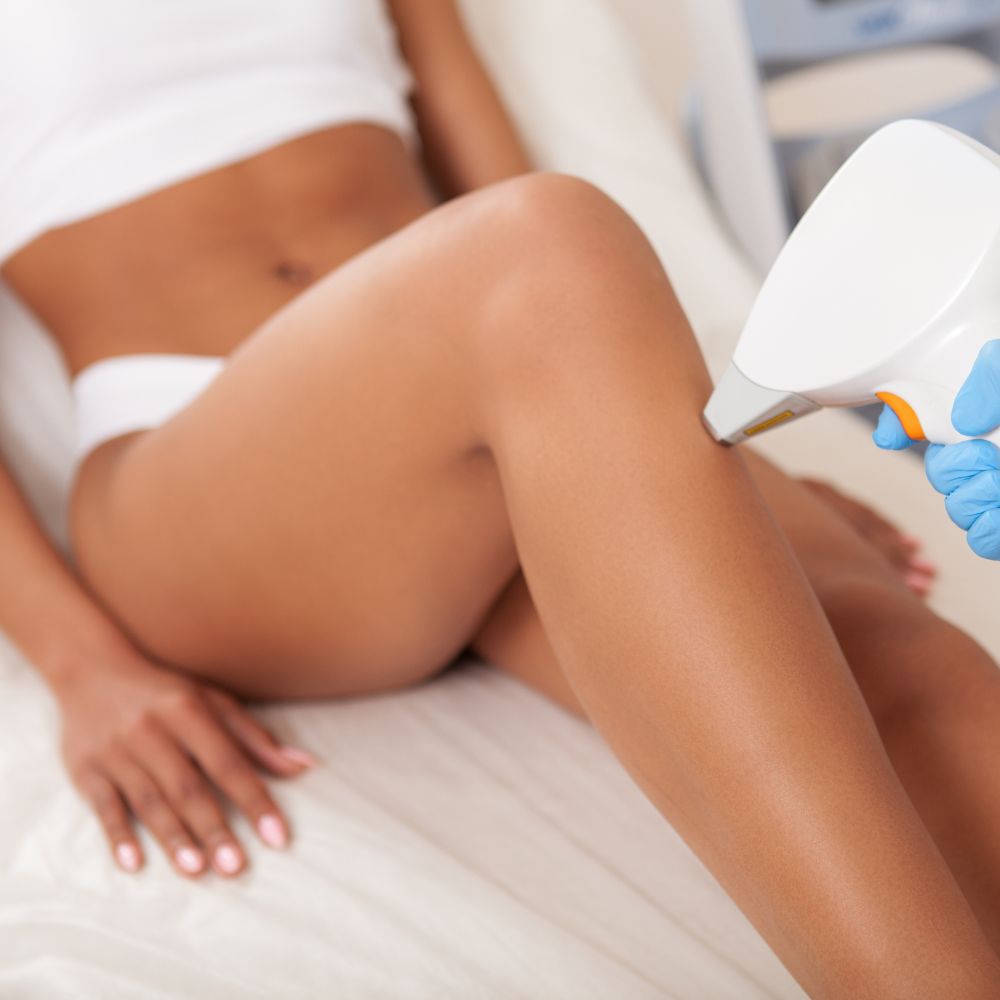
Laser hair removal can be used on many parts of the body, including the face, underarms, arms, legs, bikini area, chest, abdomen, and back. Some of the most satisfying results come from areas where shaving leads to frequent irritation or where hair growth feels particularly stubborn.
Underarms and bikini treatments are especially popular because they often reduce ingrown hairs and daily maintenance. Facial treatment can also be a major confidence boost, although facial hair can be more hormonally influenced and may require closer monitoring or maintenance over time.
For men, common treatment areas include the back, chest, shoulders, and neckline. The goal does not always have to be complete hair removal. In some cases, clients want to reduce density, improve grooming ease, or clean up specific areas for a more refined look.
Who is a good candidate and when results vary
The best candidates usually have contrast between their hair color and skin tone, but candidacy has become much broader with advanced laser systems and professional evaluation. What matters most is choosing a provider who understands device selection, skin safety, and treatment planning.
Results can vary for several reasons. Hormones play a major role, especially with facial hair and areas affected by conditions like PCOS. Some clients achieve dramatic reduction quickly, while others need a longer series or occasional maintenance. Fine hair can also be more resistant than coarse hair.
There are also times when laser hair removal may need to be postponed. Recent sun exposure, certain medications, active skin irritation, or specific medical conditions can affect timing. A reputable clinic will tell you when it is better to wait rather than rush into treatment.
Why provider expertise matters
Because laser hair removal uses heat and light energy, treatment should never be treated as casual or purely cosmetic in the sense of being risk-free. Good outcomes depend on more than having a machine. They depend on skin assessment, correct settings, careful technique, and honest communication about expectations.
In a physician-led setting like Clara Medical Spa, that level of oversight matters. Clients often want visible results, but they also want reassurance that their skin is being treated with precision and care. That combination of comfort, customization, and clinical judgment is what elevates the experience.
The most successful laser hair removal plans are not built around promises of perfection. They are built around consistent improvement, thoughtful scheduling, and treatment tailored to your skin and hair profile. If you are considering laser hair removal, the smartest first step is a professional consultation that looks at your goals as closely as it looks at the technology. Smooth skin is part of the outcome, but so is the ease of knowing your treatment plan was designed for you.
Explore our laser hair removal in Thornhill for women and men and see the price list.
Frequently Asked Questions
Where can I get laser hair removal in Thornhill?
Clara Medical Spa is located at 1 Promenade Cir in Thornhill, inside the Promenade Shopping Centre, and treats clients from Thornhill, Vaughan, Richmond Hill, and the greater Toronto area.
How much does laser hair removal cost in Thornhill?
Pricing depends on the area. For women, small areas such as the chin or upper lip start at $30, underarms are $50, full legs $160, and full body $290 per session. See the price list or book a free consultation.
How does laser hair removal work?
The laser emits light energy that is absorbed by the pigment in hair follicles, disabling them and preventing future hair growth.
How many laser hair removal sessions are needed?
Most clients need 6 to 8 sessions spaced 4 to 6 weeks apart, depending on skin tone, hair type and the area treated.
Related treatments & reading

[…] How Laser Hair Removal Works […]
[…] How Laser Hair Removal Works […]
[…] How Laser Hair Removal Works […]