
Joseph Ahmadi
Medically reviewed by Dr. Mo Maghaddasi, Medical Director at Clara Med Spa.
Last updated: August 11, 2026
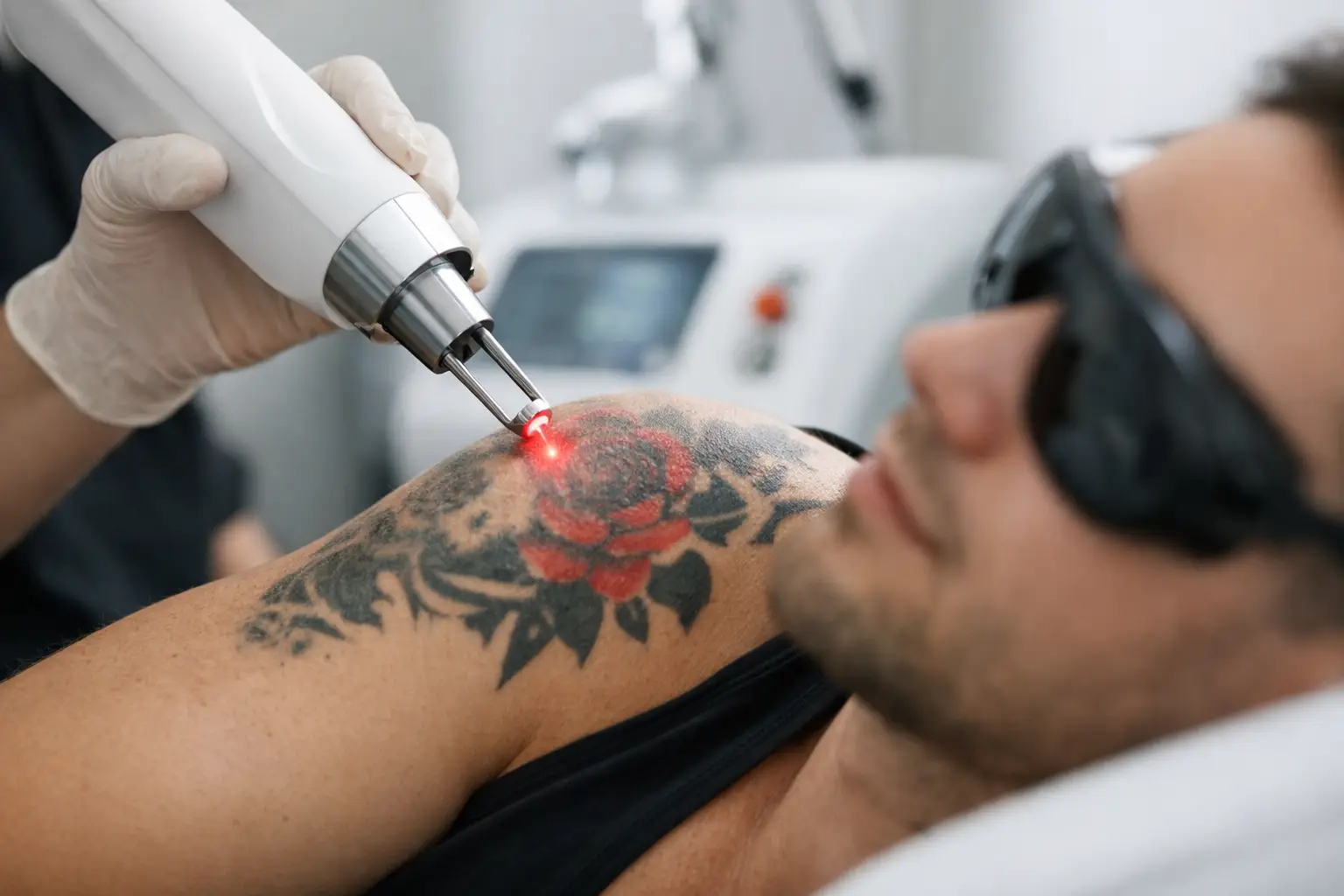
A tattoo that once felt right can start to feel out of step with who you are now. For some people, it is a name, a symbol, or old body art that no longer fits their style. For others, it is simply ink that has faded unevenly or aged poorly. If you are wondering how does tattoo removal work, the short answer is this: advanced laser technology targets tattoo pigment beneath the skin, breaks it into smaller particles, and allows your body to gradually clear it away.
At Clara Medical Spa in Thornhill, we use the Picosure and Alma Harmony XL Pro for laser tattoo removal, serving clients from Thornhill, Vaughan, Richmond Hill, and the wider GTA.
That explanation is simple. The real process is more nuanced, and understanding it can help you set realistic expectations before treatment begins.
How does tattoo removal work with laser treatment?
Laser tattoo removal works by delivering highly concentrated pulses of light into the skin. Those pulses are absorbed by the tattoo ink rather than the surrounding tissue. When the ink absorbs that energy, it shatters into much smaller fragments.
Once the pigment is broken apart, your body takes over. Your immune system clears those tiny ink particles through natural metabolic processes over the following weeks. This is why tattoo removal is not instant. The laser starts the process, but your body completes it gradually.
Different ink colors respond differently to laser energy. Black ink is usually the easiest to treat because it absorbs a broad range of wavelengths. Dark blue and some red tones often respond well too. Lighter shades such as green, teal, yellow, and white can be more stubborn and may require more sessions, different laser settings, or a longer treatment plan.
The laser does not simply erase the tattoo in one pass. Each session reduces more pigment, layer by layer, while protecting the surrounding skin as much as possible.
Why multiple sessions are usually necessary
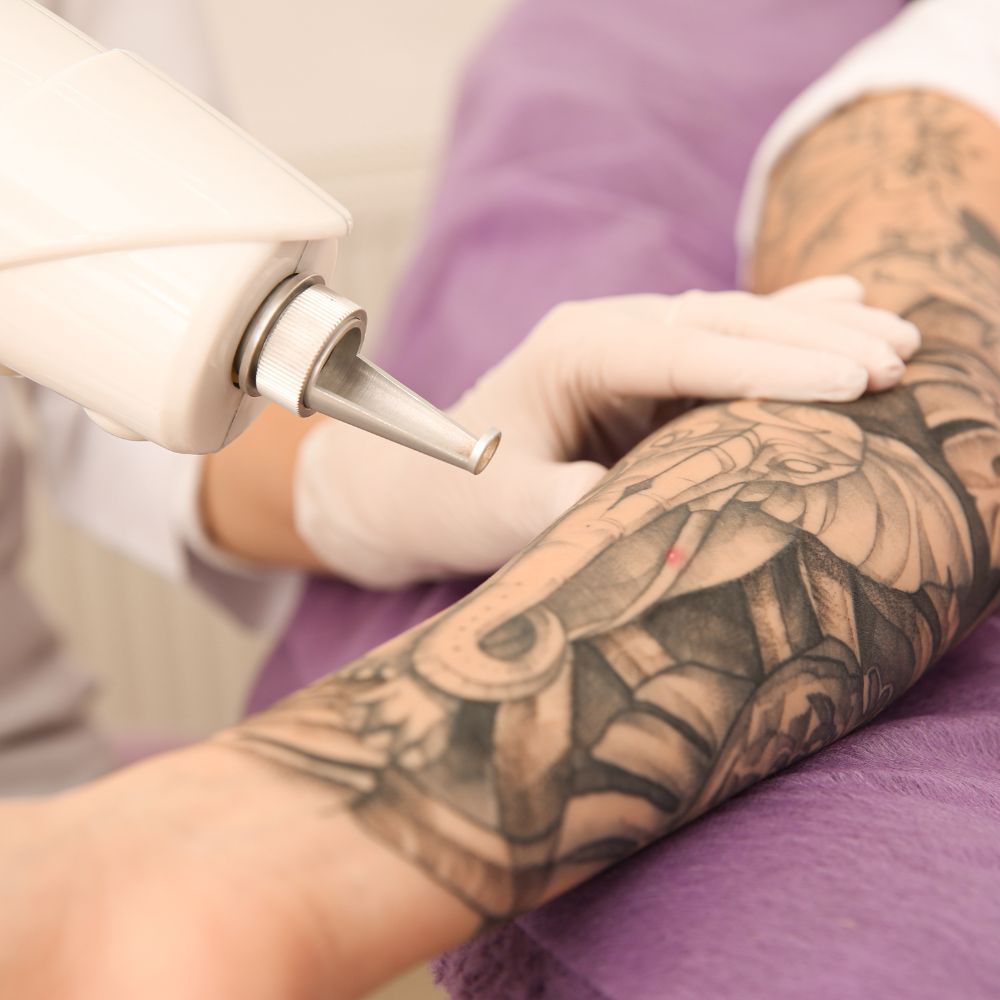
One of the most common misconceptions is that tattoo removal should happen quickly. In reality, most tattoos need a series of treatments spaced several weeks apart.
There are a few reasons for this. First, tattoos are placed at different depths in the skin, and ink is not always evenly distributed. Second, your body needs time to flush out the fragmented pigment after each appointment. Third, treating too aggressively or too frequently can increase irritation and raise the risk of unwanted skin changes.
Professional tattoos often take longer to remove than amateur tattoos because the ink is usually denser and placed more consistently. Larger tattoos also require more sessions than small, lightly inked ones. Age matters as well. An older tattoo may already have some natural fading, which can make removal easier.
Most patients need patience more than anything else. Visible fading often begins after the first few treatments, but full clearance, or near-full clearance, usually takes time.
What affects your tattoo removal results?
No two tattoos respond exactly the same way. A careful consultation matters because several factors influence how efficiently a tattoo can be treated.
Ink color is one of the biggest variables. Black and darker pigments tend to respond best, while bright and pastel tones can be slower. The age of the tattoo, the amount of ink used, and whether it was done professionally all play a role. Tattoo location matters too. Areas with better circulation, such as the upper body, may fade faster than lower legs or ankles.
Skin tone is another important consideration. Safe treatment requires selecting the right laser settings for your skin type to target pigment while minimizing unnecessary heat in the surrounding skin. This is one reason physician-led oversight and experienced clinical judgment are so valuable.
Your overall health can also influence progress. Because your body clears the ink fragments after the laser breaks them apart, immune function, lifestyle, and aftercare all affect the pace of fading.
What does tattoo removal feel like?
Most patients describe laser tattoo removal as quick but intense. People often compare the sensation to a rubber band snapping against the skin, combined with heat. Certain areas, especially where the skin is thinner or closer to bone, can feel more sensitive.
The good news is that treatment sessions are usually brief, especially for smaller tattoos. Comfort measures such as cooling systems or topical numbing may be used to make the experience more tolerable.
After treatment, the area may look white or frosted for a short time. Redness, mild swelling, and a sunburn-like feeling are also common in the early stage. These reactions are expected and typically temporary.
What happens after each session?
Healing is a major part of the process. Right after treatment, your skin needs time to recover while your body begins clearing the fragmented ink.
You may notice redness, tenderness, mild blistering, or crusting depending on the intensity of treatment and the characteristics of the tattoo. These responses can be normal. Proper aftercare helps protect the skin and supports better cosmetic outcomes.
That usually means keeping the area clean, avoiding picking or scratching, limiting friction, and protecting the skin from sun exposure. Sun protection matters because recently treated skin can be more vulnerable to pigmentation changes.
Spacing between sessions is just as important as the session itself. Many patients are eager to move faster, but allowing enough healing time often leads to better, safer results.
Does tattoo removal leave a scar?
This is one of the biggest concerns, and understandably so. Modern laser tattoo removal is designed to target ink while preserving the surrounding skin, which makes scarring far less likely than older removal methods such as excision or dermabrasion.
That said, skin response depends on several factors. Some people already have scar tissue from the original tattoo application. Others may be more prone to textural changes, post-inflammatory pigmentation, or delayed healing. Aggressive treatment, poor aftercare, or picking at blisters can also increase risk.
A skilled provider will balance effectiveness with skin safety. The goal is not only fading the tattoo but doing so in a way that respects the health and appearance of your skin.
How does tattoo removal work on different skin tones?
Laser tattoo removal can be performed on a range of skin tones, but treatment planning should never be one-size-fits-all. The challenge is that lasers target pigment, and natural skin pigment must be taken into account along with tattoo ink.
For deeper skin tones, the right device selection, settings, and timing are especially important to reduce the risk of hyperpigmentation or hypopigmentation. This is where clinical experience makes a meaningful difference. A personalized approach helps protect skin quality while still moving toward visible fading.
For patients who value polished, natural-looking results, this matters. Tattoo removal is not just about taking away ink. It is also about preserving the skin as beautifully as possible throughout the process.
Who is a good candidate for treatment?
Many healthy adults are candidates for laser tattoo removal, but the best approach starts with an in-person assessment. A provider will look at the tattoo itself, your skin type, your medical history, and your goals.
Some patients want complete removal. Others are preparing for a cover-up and only need significant fading. That distinction changes the treatment plan. If your goal is to make room for new artwork, you may not need to chase every last trace of pigment.
A thoughtful consultation should also cover expectations, timeline, potential side effects, and the likely number of sessions. At a physician-led clinic such as Clara Medical Spa, that personalized planning is part of what makes the experience feel both elevated and reassuring.
Setting realistic expectations
Tattoo removal can deliver impressive results, but it is still a process, not a magic trick. Some tattoos clear almost completely. Others fade substantially but leave behind a faint ghost image or traces of resistant pigment.
That does not mean treatment failed. It means biology, ink composition, and skin response all matter. The most satisfying outcomes usually happen when patients begin with clear expectations and a provider creates a treatment plan tailored to the tattoo rather than promising an unrealistic shortcut.
If you have been looking at old ink and wondering whether it is finally time to let it go, the next step is not guessing. It is getting an expert assessment, understanding your options, and choosing a plan that puts both results and skin health first.
Ready to start? Explore our tattoo removal in Thornhill or read our complete guide to laser tattoo removal covering sessions, healing, and cost.
Frequently Asked Questions
Does laser tattoo removal hurt?
Most clients describe quick snaps against the skin, similar to a small rubber band. Cooling or numbing options may be available depending on the area treated.
How many sessions does tattoo removal take?
It depends on the tattoo’s size, colors, ink density, placement, and age. Sessions are often spaced roughly six to eight weeks apart, and your provider can estimate a plan after examining the tattoo.
Can a tattoo be removed completely?
Many tattoos fade significantly and some clear fully, but results vary with ink depth, color, age, and your skin.
How much does tattoo removal cost in Thornhill?
Every tattoo is different, so we provide a personalized quote at your free consultation.
Related treatments & reading


[…] Once the ink is fragmented, your immune system gradually carries those particles away. This is why fading continues between appointments and why treatment sessions need to be spaced apart. Want the science in more detail? Read our explainer on how tattoo removal works. […]