
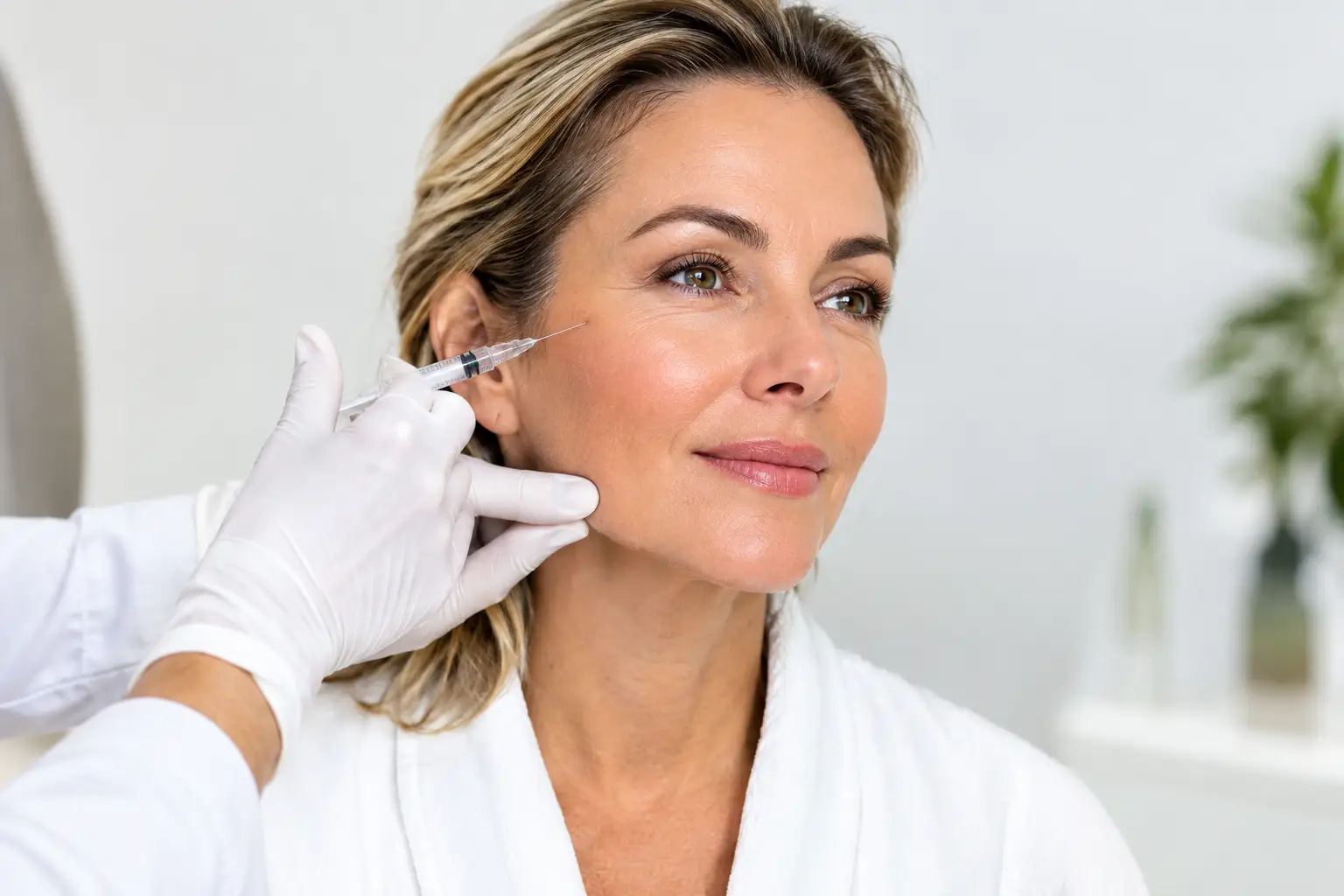
A face can look less refreshed long before it looks dramatically aged. A softer jawline, cheeks that seem flatter in photographs, fine lines around the eyes, or skin that no longer reflects light evenly can all change how you feel when you look in the mirror. That is why today’s non surgical facelift trends are moving away from one-treatment fixes and toward thoughtful plans that restore balance, definition, and healthy-looking skin.
The goal is not to create a different face. It is to help you look rested, polished, and naturally youthful while respecting your features. For many patients, that means combining carefully selected treatments over time rather than relying on an overly dramatic change in a single appointment.
Non Surgical Facelift Trends: A More Natural Direction
The most noticeable shift in facial aesthetics is a preference for restraint. Patients are asking for results that look like they have been sleeping better, managing stress well, and taking excellent care of their skin. They do not want friends or colleagues to immediately identify what was done.
This approach requires clinical judgment. Facial aging is not caused by wrinkles alone. It can involve volume loss in the cheeks and temples, changes in muscle movement, reduced collagen, skin laxity, sun damage, and shifting facial proportions. Addressing only one concern may help, but a personalized approach can create a more harmonious result.
A modern non-surgical facelift may include injectables, collagen-stimulating treatments, radiofrequency skin tightening, and advanced skincare. The right combination depends on your anatomy, goals, skin quality, lifestyle, and comfort with maintenance treatments.
Trend 1: Facial Balancing Instead of Overfilling
Dermal filler remains an important option for restoring support and softening age-related hollowing. However, the trend has shifted from adding volume everywhere to placing small, strategic amounts where the face has lost structural support.
For some patients, subtle cheek enhancement can improve the appearance of the lower face without placing filler directly in the folds around the mouth. For others, carefully placed filler in the chin or jawline can improve profile balance and definition. The lips may also be enhanced, but the best results still preserve natural shape and movement.
This is where aesthetic artistry matters. More filler does not automatically create a better result. In fact, too much product or poorly placed product can make the face appear heavy or puffy. A skilled provider evaluates how each area relates to the whole face, including your natural bone structure, tissue quality, and expressions.
Trend 2: Botox for Lift Through Precision
Botox and other neuromodulators are no longer viewed only as wrinkle treatments. When used with precision, they can soften dynamic lines while creating a subtle opening or lifting effect in specific areas of the face.
Treatment around the forehead and brow can help create a more rested appearance when it is carefully balanced. Strategic placement may also soften the downward pull of certain muscles around the mouth and jawline. The objective is not to freeze expression. It is to preserve natural movement while reducing the lines and tension that can make the face look tired or tense.
The trade-off is that Botox is temporary. Most patients need maintenance treatment several times per year, and results vary according to metabolism, muscle strength, and treatment area. Still, its predictable recovery and refined results make it a cornerstone of many non-surgical rejuvenation plans.
Trend 3: Collagen Stimulation for Firmer-Looking Skin
Volume restoration alone cannot fully address thinning, crepey, or loose-looking skin. This is why treatments that encourage collagen production are becoming central to non surgical facelift trends.
Radiofrequency face tightening uses controlled energy to heat deeper layers of the skin, supporting collagen remodeling over time. It can be especially appealing for patients who notice early laxity along the jawline, lower cheeks, or neck but are not ready for surgery. Results develop gradually, which often makes the change feel discreet and natural.
Microneedling with exosome therapy is another option for patients focused on skin texture, fine lines, acne scarring, and overall radiance. By supporting the skin’s repair process, this treatment can help improve how smooth, even, and luminous the complexion appears. Healthy skin does not replace facial structure, but it can make every other treatment look more refined.
Collagen-focused treatments require patience. They are not an instant replacement for a surgical facelift, and several sessions may be recommended depending on the concern. Their strength lies in gradual improvement with little disruption to daily life.
Trend 4: Treating the Jawline and Double Chin Together
The lower face has become a major focus because it strongly influences facial definition. Even patients with minimal wrinkles may feel that a softer jawline makes them look older or less photogenic.
Today, a lower-face plan may combine chin or jawline filler with double chin reduction and skin-tightening treatments. The best approach depends on what is actually creating the concern. Under-chin fullness may be related to fat, loose skin, facial structure, or a combination of all three. Treating it as though it were only one issue can lead to underwhelming results.
A consultation helps distinguish between these factors. Patients with significant skin laxity or pronounced jowling should also understand the limits of non-surgical treatment. A surgical facelift may offer a more substantial result in certain cases. Non-surgical options are often ideal for early to moderate concerns, maintenance, or those who prefer less downtime.
Trend 5: Skin Quality Is Part of the Facelift Effect
A lifted contour can still look incomplete if the skin has visible pigmentation, enlarged pores, uneven texture, or sun-related damage. For this reason, modern rejuvenation plans increasingly include treatments that improve the surface of the skin as well as the facial framework beneath it.
Laser treatments can address selected concerns such as brown spots, redness, and signs of sun damage. Medical-grade facials and chemical peels can support clearer, smoother-looking skin. The best choice depends on skin tone, sensitivity, current skincare, and the specific concern being treated.
This focus on skin quality is particularly valuable for patients in their late 20s and 30s. At this stage, prevention and collagen support may be more appropriate than significant volume restoration. For patients in their 40s, 50s, and beyond, skin treatments can complement fillers, Botox, and tightening procedures for a more complete result.
Why Personalized Treatment Plans Matter
Social media can make facial rejuvenation look simple: choose a treatment, schedule an appointment, and expect a transformation. In reality, beautiful results begin with understanding what your face needs, not following someone else’s plan.
A physician-led consultation should consider your facial proportions, skin elasticity, medical history, previous aesthetic treatments, and desired level of change. It should also include an honest discussion about timing, cost, maintenance, and realistic outcomes. Some patients benefit from starting with skin tightening and Botox, then reassessing filler later. Others may need structural support first before addressing texture and brightness.
At Clara Medical Spa, personalized planning is designed to balance medical expertise with aesthetic artistry, helping patients pursue refreshed results that still feel like their own.
The most successful non-surgical facelift is rarely about one dramatic treatment. It is about choosing the right treatments for your face, allowing results to develop naturally, and working with a qualified provider who knows when subtlety will create the most beautiful change. If you are considering facial rejuvenation, a professional consultation can turn a broad concern like “looking tired” into a clear, comfortable plan built around your goals.