
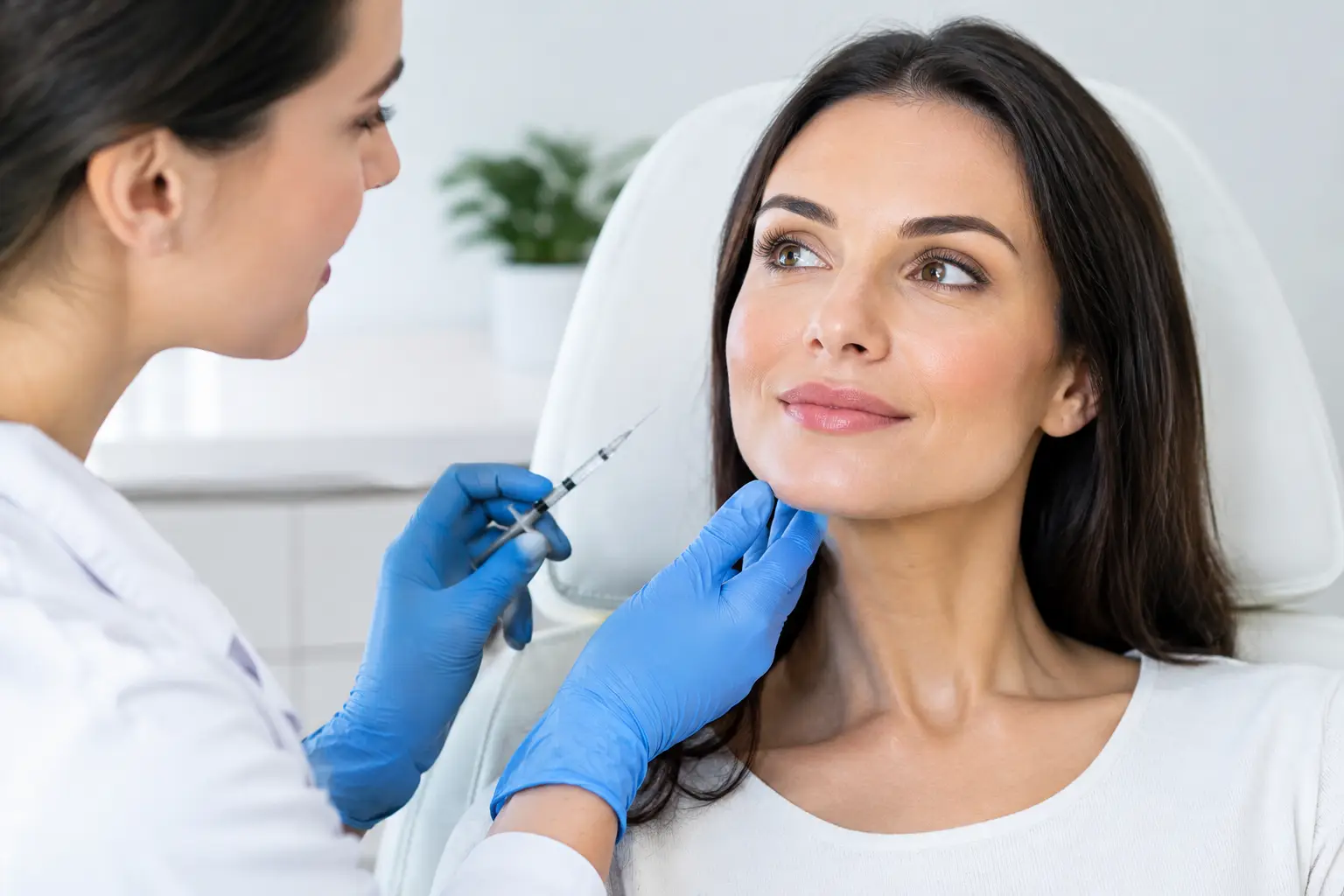
A smooth forehead or softened frown line should never come at the expense of feeling uncertain about your care. The most useful Botox safety questions are not only about the product itself. They are about who is treating you, whether the plan fits your facial anatomy, and how your provider will support you before and after your appointment.
Botox Cosmetic has a long clinical history and is widely used for cosmetic wrinkle treatment. Still, it is a prescription medication, and every injectable treatment deserves a thoughtful, individualized approach. Asking clear questions helps you choose a provider and treatment plan that feel right for you.
Botox Safety Questions About Your Provider
The first conversation should focus on qualifications. A beautiful, natural-looking result requires more than knowing where facial lines appear. Your provider should understand facial anatomy, muscle movement, appropriate dosing, contraindications, and how to respond if a concern arises.
Ask who will perform your injections and what medical training, licensure, and experience they have with Botox Cosmetic. In a medical aesthetics setting, you should also feel comfortable asking whether a physician is involved in treatment oversight and available for clinical guidance. Credentials matter, but so does an artistic eye. The goal is not simply to weaken a muscle. It is to preserve expression while refining the lines that bother you.
It can also be helpful to ask how your provider approaches first-time patients. A careful injector may recommend a conservative starting dose, especially if you are concerned about looking frozen or have a highly expressive face. More product is not automatically better. The right amount depends on your muscle strength, facial balance, prior treatment history, and desired result.
Questions worth asking during your consultation
Ask how often the provider treats your specific concerns, whether they can explain the proposed injection areas, and what result is realistically expected. If you have had Botox elsewhere, share what you liked and what you would change. A skilled provider uses that information to refine your plan rather than repeating a generic pattern.
You should also ask whether the product is sourced through authorized medical channels and stored according to manufacturer guidance. Reputable practices are transparent about the products they use and never make you feel rushed for seeking clarity.
Is Botox Right for Your Health History?
A proper consultation includes more than a discussion of wrinkles. Your provider should review your medical history, current medications, supplements, allergies, and previous cosmetic treatments. Be candid, even if something seems unrelated. Information about blood-thinning medications, certain antibiotics, muscle relaxants, or supplements that may increase bruising can affect treatment planning.
Tell your provider if you have a history of neuromuscular conditions, difficulty swallowing or breathing, prior facial surgery, facial weakness, or an infection or irritation at the intended injection site. Botox Cosmetic may not be appropriate in every situation, and postponing treatment can sometimes be the safest decision.
Pregnancy and breastfeeding deserve a direct conversation as well. Cosmetic Botox is generally postponed during pregnancy and breastfeeding because there is limited safety data in these situations. This is not a detail to minimize or work around. A patient-centered practice puts your well-being before the timing of a cosmetic appointment.
If you are receiving other aesthetic services, such as dermal filler, laser treatments, microneedling, or RF skin tightening, ask how to schedule them around Botox. Many treatments can complement each other beautifully, but timing should be personalized to your skin, treatment areas, and goals.
What Side Effects Should You Expect?
One of the most practical Botox safety questions is simple: what is normal afterward, and what is not? Most patients return to their usual routines quickly. Temporary redness, small bumps at the injection sites, tenderness, mild swelling, headache, or bruising can occur. These effects typically resolve without intervention.
Bruising is particularly variable. It can happen even with precise technique, especially around delicate areas or in patients who bruise easily. If you have an important event, schedule your appointment with enough time for any visible bruising or swelling to settle. Botox results also take time to develop. Many people begin to notice a change within several days, with the full effect commonly visible around two weeks.
Less common effects may include temporary asymmetry, a feeling of heaviness, or eyelid or brow drooping. These outcomes are usually temporary, but they are a meaningful reason to choose an experienced medical injector who plans injections carefully and reviews your anatomy in person.
Your provider should explain when and how to contact the practice after treatment. Seek urgent medical care for symptoms such as trouble breathing, swallowing, or speaking, widespread muscle weakness, or signs of a severe allergic reaction. These reactions are uncommon, but patients should always know what requires immediate attention.
How Can You Reduce Bruising and Protect Your Results?
Aftercare instructions should be clear, realistic, and specific to your appointment. Your provider may advise you to avoid rubbing or pressing on the treated areas immediately afterward. You may also be asked to postpone strenuous exercise, excessive heat exposure, and certain facial treatments for a short period. Follow the instructions you receive rather than relying on social media advice, since recommendations can vary based on your injection sites and medical history.
Before treatment, ask whether any medications or supplements should be discussed with your prescribing clinician. Never stop a prescribed medication on your own for a cosmetic procedure. Your injector can help you understand which factors may raise the chance of bruising and how to plan responsibly.
Avoid booking Botox immediately before a major wedding, professional photo shoot, or vacation if it is your first treatment or you are trying a new provider. Giving yourself a two-week window allows time for the result to settle and for a follow-up assessment if one is recommended.
How Long Does Botox Last, and Can It Look Natural?
For many patients, cosmetic Botox results last about three to four months. The timeline varies with dosage, treatment area, muscle activity, metabolism, and individual response. Some patients notice movement returning sooner, while others enjoy results longer. Regular treatments may help maintain a consistent appearance, but there is no need to over-treat simply because movement has begun to return.
Natural-looking Botox is a matter of balance. The best outcome may mean softening a strong frown line while leaving enough movement for a warm smile, raised brows, and normal expression. It may also mean treating fewer areas than you initially expected. A trusted provider will tell you when Botox is unlikely to solve a concern on its own, such as volume loss, significant skin laxity, or deeper static lines that remain visible at rest.
In those cases, a personalized plan may include skincare, resurfacing, collagen-stimulating treatments, filler, or no treatment at all. Honest recommendations are part of safe, refined aesthetic care.
Botox Safety Questions About Price and Follow-Up
Price should be transparent, but it should not be the only deciding factor. Very low pricing can be tempting, yet it may not reflect the provider’s expertise, product sourcing, appointment time, or follow-up support. Ask whether pricing is based on units or treatment area, what is included, and whether a follow-up appointment is offered when appropriate.
A quality consultation should leave you with a clear understanding of the plan, expected result, cost, aftercare, and next steps. You should never feel pressured to add units, combine services, or proceed that day. At Clara Medical Spa, the focus is on physician-led care and treatment plans designed around natural facial balance, not a one-size-fits-all injection approach.
The right Botox appointment feels calm, informed, and tailored to you. Bring your questions, share your goals honestly, and choose a provider who treats your safety and confidence as equally essential parts of the result.