
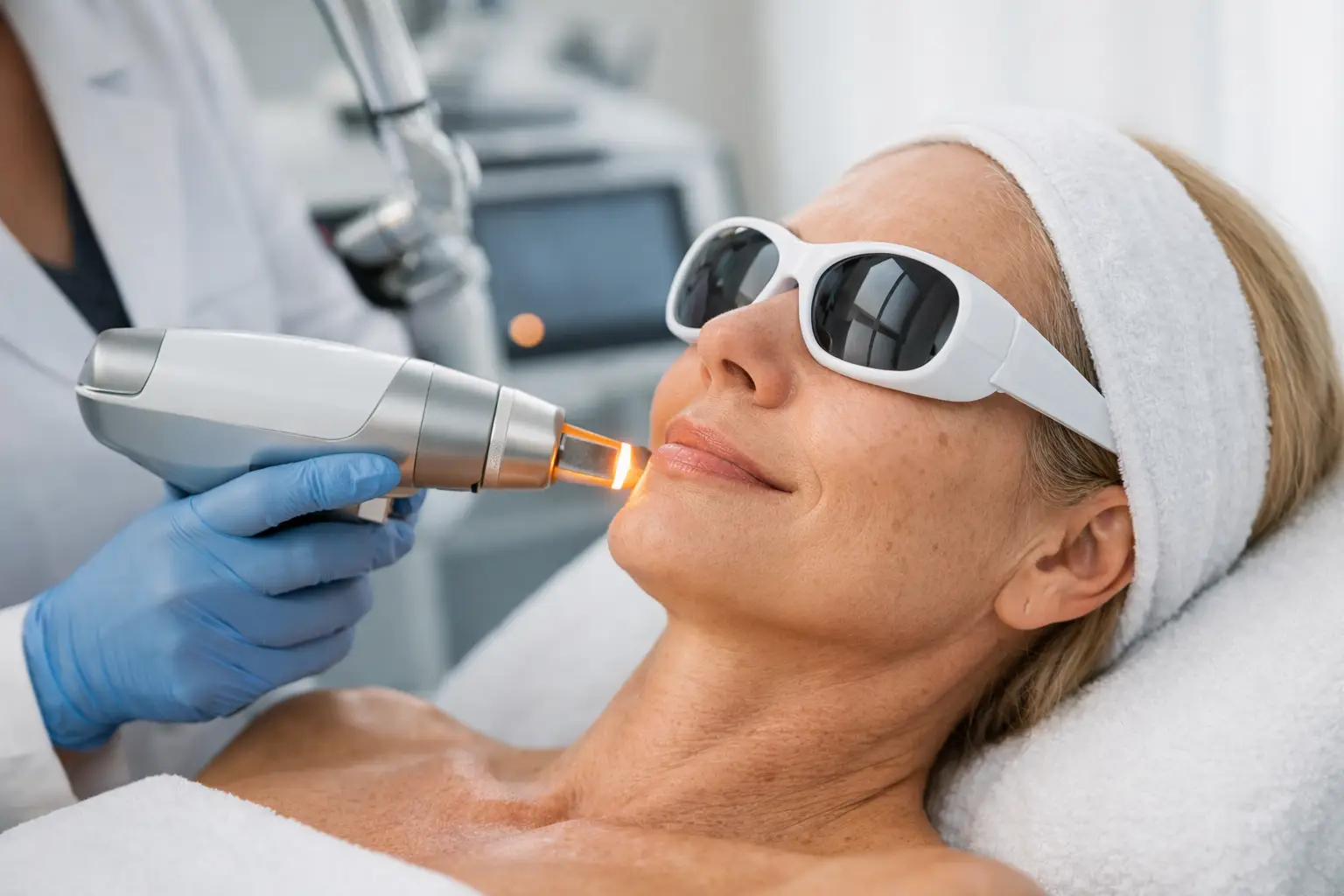
Brown spots on the cheeks, a scattered patch of pigmentation across the chest, and skin that no longer reflects light evenly are often signs of accumulated sun exposure, not simply age. Sun damage laser treatment is designed to address these visible changes with targeted energy, helping the skin look clearer, brighter, and more even without surgery.
At Clara Medical Spa in Thornhill, our sun damage and brown spot laser treatments serve clients from Thornhill, Vaughan, Richmond Hill, and across the GTA, and we will explain what to expect before your first session.
For many people, the concern is not one dramatic mark. It is the overall feeling that their complexion looks dull, weathered, or less polished than it once did. A thoughtful laser plan can improve that picture, but the right treatment depends on the type of pigmentation, your skin tone, your lifestyle, and how much downtime you are comfortable with.
What Sun Damage Looks Like on the Skin
Years of incidental sun exposure can leave a lasting imprint. Driving, walking outdoors, sitting near windows, and enjoying vacations all contribute to cumulative ultraviolet exposure. The result may appear as brown spots, freckles that have become more pronounced, uneven tone, redness, fine lines, or a rougher skin texture.
Not every dark spot is the same. Some are superficial sun spots, often called age spots or solar lentigines. Others may be melasma, post-inflammatory pigmentation from acne or irritation, or a lesion that needs medical evaluation before any cosmetic procedure is considered. This distinction matters because the wrong approach can lead to disappointing results or, in some cases, make pigmentation more noticeable.
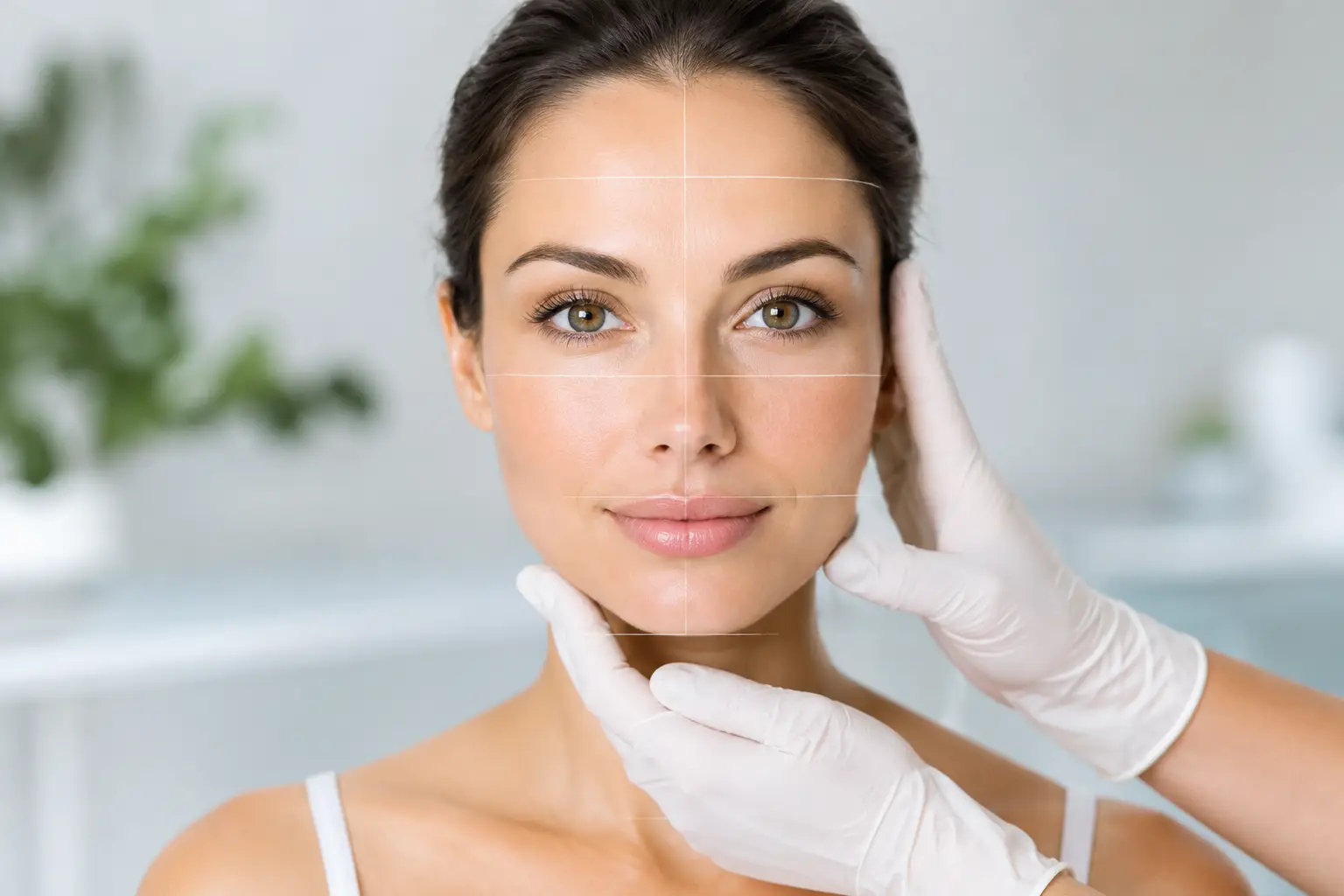
A professional consultation is the first step in determining whether laser treatment is appropriate. At Clara Medical Spa, treatment planning is approached with physician-led attention to skin health, safety, and natural-looking improvement.
How Sun Damage Laser Treatment Works
Laser treatments use controlled light energy to target pigment within the skin. The pigment absorbs the energy, which breaks it into smaller particles the body can gradually clear. Depending on the technology and settings used, laser energy may also encourage collagen renewal, supporting smoother-looking texture and a more refreshed appearance over time.
After treatment, targeted brown spots may temporarily darken before they flake away or fade. This is a normal part of the response for many patients and can be encouraging evidence that pigment is being addressed. The exact healing pattern varies from person to person.
The goal is not to erase every sign of life outdoors or create an artificial finish. The best outcomes typically look like healthy, even, radiant skin that still looks like you.
Why the right laser and settings matter
There is no single “best” laser for every case of sun damage. Superficial brown spots may respond well to one type of wavelength, while diffuse redness, textural concerns, or deeper pigmentation may require a different approach. In some cases, a chemical peel, microneedling, medical-grade skincare, or a combination plan may be more suitable than laser treatment alone.
Your provider should consider your Fitzpatrick skin type, history of hyperpigmentation, current skincare products, recent tanning, medications, and any history of cold sores. Patients with deeper skin tones can absolutely be candidates for certain laser procedures, but treatment selection and conservative settings are particularly important to reduce the risk of post-treatment discoloration.
What Happens During Your Appointment
Your appointment begins with an assessment of the areas you would like to improve, commonly the face, neck, chest, hands, shoulders, or arms. Your provider will review your goals and determine whether the spots appear appropriate for cosmetic laser treatment. If a lesion looks irregular, newly changed, or otherwise concerning, it should be evaluated by a medical professional before proceeding.
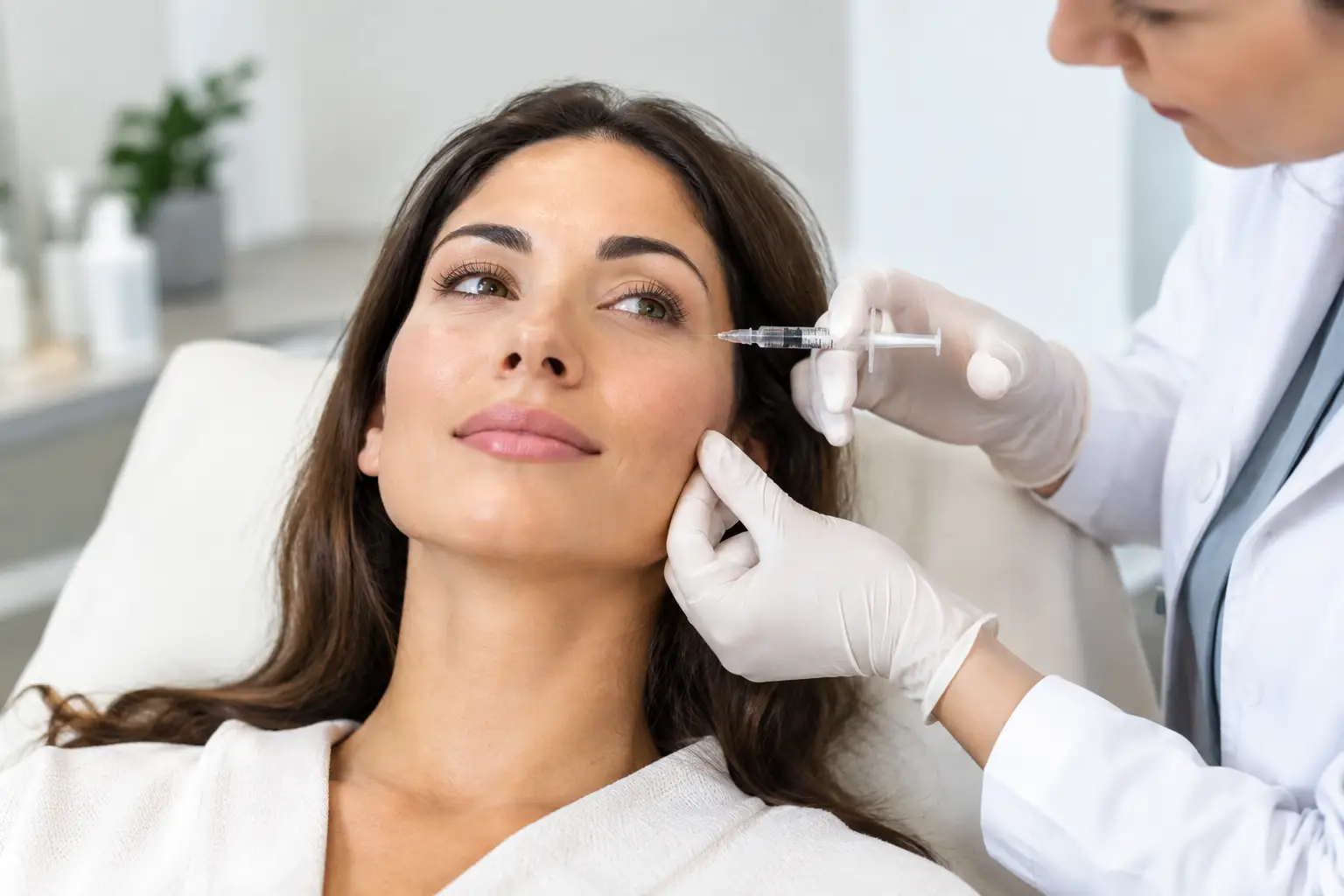
The skin is cleansed, and protective eyewear is worn throughout the procedure. Depending on the laser used and your comfort level, a topical numbing cream may be applied. Many patients describe the sensation as quick warmth or a light snap against the skin. Treatments are typically efficient, especially when addressing isolated spots.
Immediately afterward, the skin may feel warm and appear pink or mildly swollen. Some patients return to regular activities the same day, while others prefer to schedule treatment before a quieter few days. Your provider will explain the expected response for the specific procedure selected rather than promising a one-size-fits-all recovery timeline.
Recovery: What to Expect After Treatment
Proper aftercare protects your investment and supports a smooth recovery. In the first days after treatment, you may notice darkening of pigment, mild redness, dryness, or a fine, sandpaper-like texture. Avoid picking or exfoliating treated areas. Let the skin shed naturally.
Sun protection is essential. Use a broad-spectrum sunscreen with SPF 30 or higher every day, reapply when outdoors, and pair it with practical protection such as a hat and shade. Laser treatment can clear existing visible damage, but it cannot prevent new sun exposure from creating fresh pigmentation.
Your provider may ask you to pause retinoids, exfoliating acids, or other active products for a period before and after treatment. Keep the routine gentle: mild cleanser, moisturizer, sunscreen, and only the products recommended for your skin. If you experience unusual blistering, significant swelling, or worsening discomfort, contact your treatment provider promptly.
How Many Treatments Will You Need?
A single session may noticeably improve isolated brown spots, but many patients benefit from a series of treatments for more widespread sun damage or uneven tone. The number of sessions depends on the depth and extent of pigmentation, how your skin responds, and whether texture, redness, or fine lines are also part of the concern.
It is also worth being realistic about maintenance. Skin continues to age, and everyday light exposure continues to affect pigment production. Consistent sunscreen, a thoughtful home skincare routine, and occasional maintenance treatments can help preserve a clear, luminous result.
For patients preparing for an event, timing matters. While some treatments have minimal downtime, visible darkening or flaking can occur before the skin looks its best. Plan ahead rather than scheduling your first laser session immediately before photographs, travel, or an important celebration.
Who May Need a Different Approach?
Laser treatment is not ideal for every dark spot or every moment in a patient’s skincare journey. Active tanning, a recent sunburn, certain medications, active skin infections, pregnancy-related pigmentation concerns, and a tendency toward post-inflammatory hyperpigmentation may call for postponement or an alternative plan.
Melasma deserves particular care. Because it is influenced by hormones, heat, visible light, and inflammation as well as UV exposure, aggressive laser treatment may sometimes trigger recurrence or worsening. A personalized plan may focus first on pigment-calming skincare, sun protection, and carefully selected in-office treatments.
The same principle applies to realistic expectations. Lasers can significantly improve the appearance of sun damage, but they do not change your genetics, stop aging, or replace diligent daily sun protection. The most satisfying results come from pairing advanced treatment with consistent skin care habits.
Choosing a Provider You Can Trust
Laser technology is only one part of the experience. Safe, beautiful results depend on accurate skin assessment, appropriate device selection, careful settings, and knowledgeable follow-up care. A reputable medical aesthetics clinic should take time to understand your goals, explain possible side effects, and make recommendations based on your individual skin rather than a standard package.
Ask how the provider evaluates pigmentation, what recovery is likely for your specific treatment, and what results are realistic after one session versus a series. You should leave a consultation feeling informed, never pressured.
Clearer, more even skin often begins with a careful assessment rather than a quick fix. If sun spots, uneven tone, or visible photoaging are affecting how you feel when you look in the mirror, a personalized consultation can help you choose a treatment path that respects both your skin and your confidence.
Explore our sun damage treatment in Thornhill and brown spot laser.
Frequently Asked Questions
Where can I get sun damage or brown spot treatment in Thornhill?
Clara Medical Spa is located at 1 Promenade Cir in Thornhill, inside the Promenade Shopping Centre, and treats clients from Thornhill, Vaughan, Richmond Hill, and the greater Toronto area.
How much does sun damage or brown spot treatment cost?
Brown spot and sun damage laser treatments require a free consultation, where we provide a personalized quote.
Is there downtime after sun damage laser treatment?
Downtime is typically minimal, though mild redness may occur. Avoid sun exposure and follow your aftercare instructions.
How many sun damage laser sessions will I need?
It depends on the severity of pigmentation and your skin. Your provider will outline a plan.
Related treatments & reading

[…] What to Expect From Sun Damage Laser Treatment […]