
Medically reviewed by Dr. Mo Maghaddasi, Medical Director at Clara Med Spa.
At Clara Medical Spa in Thornhill, our medical microneedling and exosome therapy serve clients from Thornhill, Vaughan, Richmond Hill, and across the GTA, including microneedling for textured acne scars.
Last updated: August 11, 2026
Acne may be temporary, but the texture it leaves behind can feel much more lasting. Depressed scars can catch the light, make makeup sit unevenly, and keep skin from looking as smooth as it feels. Understanding how microneedling improves acne scars can help you decide whether this physician-guided treatment belongs in your personalized skin renewal plan.
Microneedling does not erase every scar in a single appointment, and it is not the right solution for every type of acne scarring. What it can do is encourage the skin to rebuild support beneath certain scars, gradually improving texture, softness, and overall tone. For many patients, that means skin that looks fresher, more even, and more confident without changing the natural character of their face.
How Microneedling Improves Acne Scars Beneath the Surface
Acne scars develop when inflammation from a breakout damages collagen and other supportive structures in the skin. As the skin heals, it may produce too little collagen in some areas, leaving indentations such as rolling scars or boxcar scars. These changes are not simply surface-level discoloration. They are structural changes within the skin.
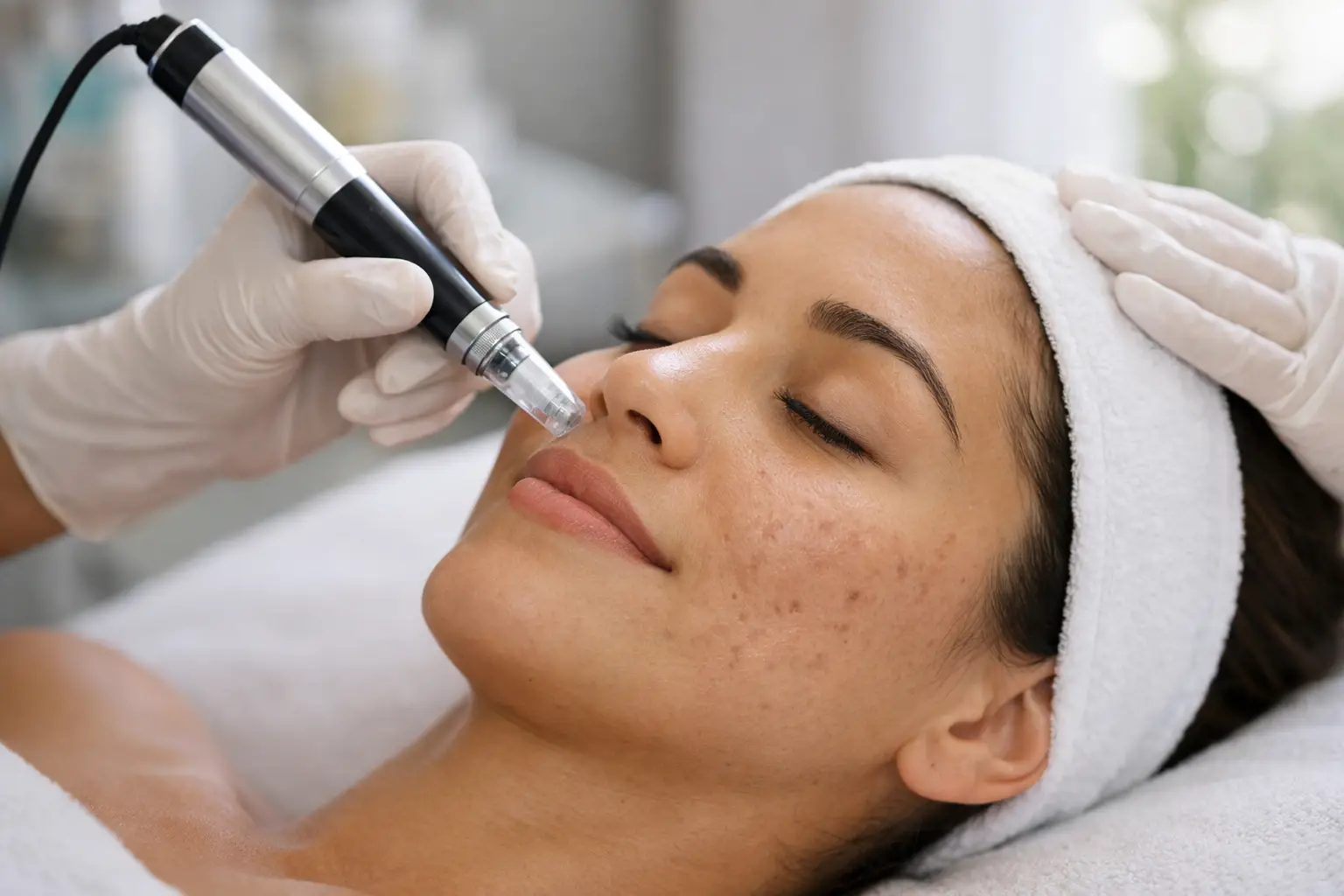
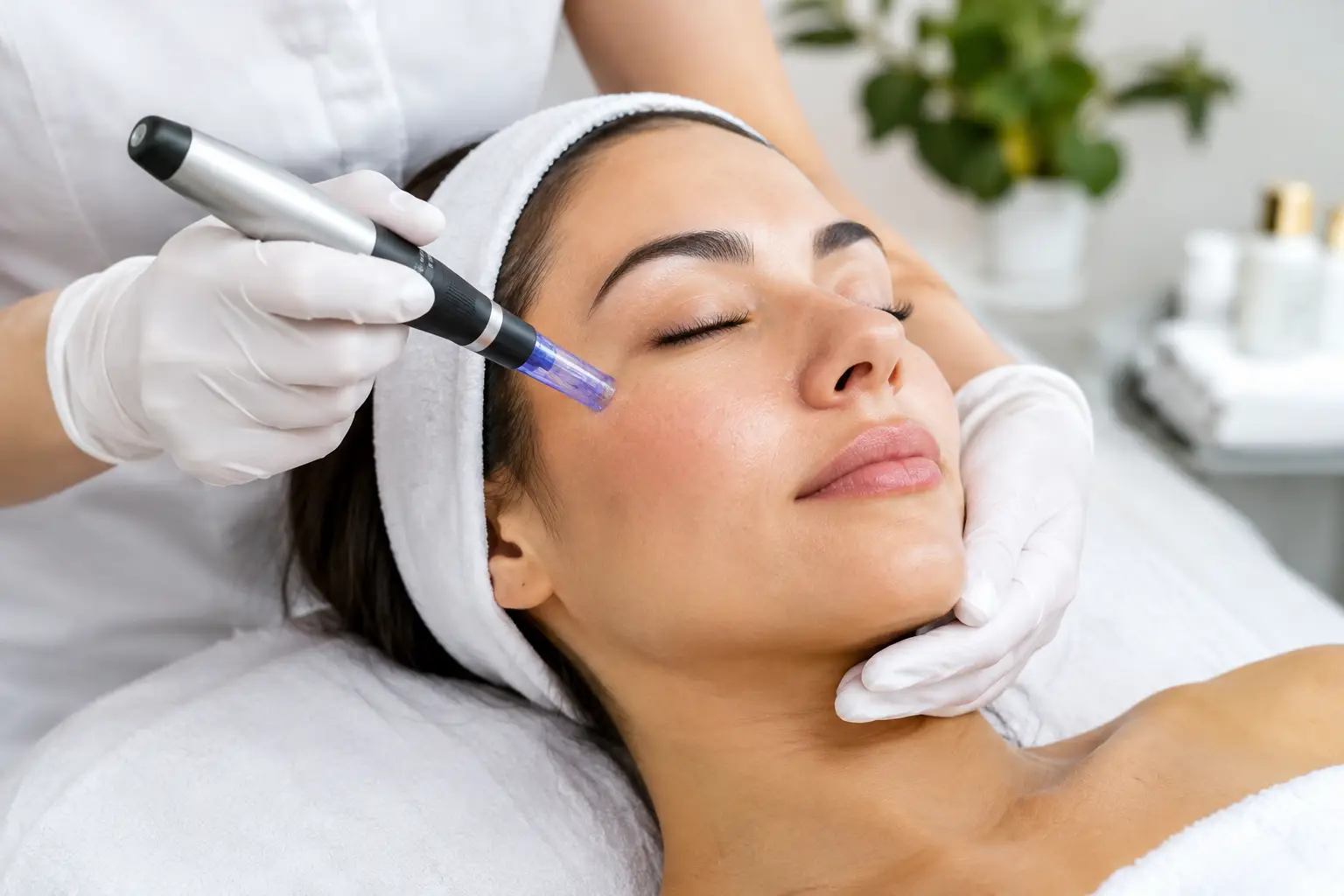
Microneedling uses a medical-grade device with very fine, controlled needles to create tiny channels in the skin. This precise process activates the body’s natural wound-healing response. In the weeks after treatment, the skin begins producing new collagen and elastin, the proteins that help keep it firm, resilient, and smooth.
As collagen remodeling occurs, shallow indented scars may become less noticeable because the surrounding skin gains stronger internal support. The result is usually gradual rather than dramatic overnight. Many patients see a progressive refinement in texture over a series of treatments, especially when their acne is under control and their treatment plan is tailored to their skin.

Which Acne Scars Respond Best?
Microneedling is most often recommended for atrophic acne scars, which are scars that sit below the surrounding skin. Rolling scars, with their gentle wave-like appearance, often respond well because collagen stimulation can help soften the tethered, uneven texture. Shallow boxcar scars may also improve with a carefully planned series.
Results depend on the scar’s depth, shape, location, and age, as well as your skin’s natural healing response. Very narrow, deep ice-pick scars generally need a different or combined approach because microneedling alone may not reach the scar structure in the most effective way. Raised scars, including hypertrophic scars and keloids, require particularly thoughtful medical assessment before treatment.
Active acne should also be addressed before microneedling begins. Treating inflamed breakouts can irritate the skin and may spread bacteria across the treatment area. A clinician can help determine when acne is calm enough to focus on scar revision and whether an acne-management plan should come first.
Texture, Not Just Dark Marks
It is common to call any lingering mark an acne scar, but post-acne discoloration is different from a true textural scar. Red, pink, brown, or gray marks may fade with time and respond well to treatments focused on pigment, vascular redness, or skin renewal. Microneedling can support overall skin quality, but it is designed primarily to address texture and collagen loss.
When both discoloration and indented scars are present, a customized plan may combine microneedling with other appropriate treatments. This is why a professional skin assessment matters. Treating the correct concern is the first step toward a more satisfying result.
What a Professional Microneedling Treatment Feels Like
At a medical aesthetics clinic, microneedling begins with a review of your skin history, scar pattern, current products, medications, and treatment goals. Your provider will also consider factors such as sensitivity, recent sun exposure, a history of cold sores, and your tendency to develop pigment changes after inflammation.
A topical numbing cream is usually applied before treatment to maximize comfort. During the procedure, the device is moved methodically over the skin at depths selected for the treatment area and the severity of scarring. Professional technique matters because depth, pressure, needle selection, and skin preparation all influence both safety and results.
Afterward, the skin commonly looks pink to red and may feel warm or tight, similar to a mild sunburn. Some pinpoint bleeding can occur during deeper scar-focused treatment, which is expected when performed appropriately. Most visible redness settles within a few days, although each person’s recovery is different.
For patients seeking enhanced skin recovery, some clinics may pair microneedling with advanced topical therapies such as exosome-based treatments. These products are intended to support the skin’s post-treatment environment, but they do not replace collagen remodeling or guarantee faster scar correction. Your provider should explain the purpose, expected benefits, and evidence behind every element of your plan.
Why a Series Produces Better Results
Collagen takes time to form and reorganize. One microneedling treatment can give the skin a renewed glow, but acne scars usually require a series of appointments for meaningful improvement. Many treatment plans involve three to six sessions, spaced roughly four to six weeks apart. Deeper scars or more extensive scarring may require additional care.
Improvement often becomes easier to see several weeks after the first appointment and continues as collagen matures over the following months. This slower timeline is part of what makes the outcome look natural. The skin is rebuilding from within rather than being covered up or artificially altered.
It is also wise to set realistic goals. Microneedling can soften scars and create a more refined surface, but it may not make severe acne scarring disappear completely. Good treatment planning focuses on visible improvement, healthier-looking skin, and a result that helps you feel comfortable in your own complexion.
Preparation and Aftercare Protect Your Investment
The days around treatment influence how comfortably your skin heals. Your provider may ask you to pause potentially irritating products, including retinoids and exfoliating acids, for a period before and after your appointment. Avoid tanning, excessive heat, and unprotected sun exposure, as recently sun-exposed skin may be more prone to irritation and uneven pigmentation.
After microneedling, keep your routine gentle. Use only the products recommended for your recovery period, avoid makeup until your provider says it is appropriate, and do not pick or exfoliate flaking skin. Daily broad-spectrum sunscreen is essential, particularly for patients prone to dark marks after inflammation.
You should also share your full medical history. Certain medications, active skin infections, pregnancy considerations, bleeding conditions, and a history of keloid scarring can affect whether microneedling is appropriate or how it should be performed. Professional screening is not a formality – it is part of creating a safer, more personalized experience.
The Value of a Customized Scar Plan
Microneedling is often most effective when it is one part of a carefully chosen acne-scar strategy. Some scars benefit from combining collagen induction with treatments that release scar tethering, target pigment, improve redness, or resurface the skin. The best option depends on what your scars need, not on a one-size-fits-all package.
At Clara Medical Spa, a consultation can clarify the differences between scar types and identify a plan that respects your skin tone, lifestyle, comfort level, and desired downtime. Physician-led guidance is especially valuable when scars are complex, when pigmentation is a concern, or when you have tried treatments without seeing the improvement you hoped for.
Clearer-looking skin is rarely about perfection. It is about making texture less distracting, helping makeup apply more smoothly if you wear it, and feeling less compelled to hide behind filters or angles. With patience, sun protection, and an expertly designed treatment plan, microneedling can be a meaningful step toward skin that reflects how confident you want to feel.
Related treatments & reading
Explore our microneedling in Thornhill and see the price list.
Frequently Asked Questions
Where can I get microneedling in Thornhill?
Clara Medical Spa is located at 1 Promenade Cir in Thornhill, inside the Promenade Shopping Centre, and treats clients from Thornhill, Vaughan, Richmond Hill, and the greater Toronto area.
How much does microneedling cost at Clara Medical Spa?
Pricing depends on the treatment and add-ons such as exosomes, and is confirmed at your free consultation. RF (face) sessions start at $150.
Does microneedling work for acne scars?
Microneedling stimulates collagen and can soften shallow boxcar and some rolling scars over a series of treatments.
How many microneedling sessions are needed for acne scars?
A series usually delivers better improvement than a single visit. Your provider will estimate the number after assessing your scars.
Related treatments & reading



[…] How Microneedling Improves Acne Scars Safely […]
[…] How Microneedling Improves Acne Scars Safely […]