

Medically reviewed by Dr. Mo Maghaddasi, Medical Director at Clara Med Spa.
At Clara Medical Spa in Thornhill, we offer Botox, Dysport, Xeomin, and Letybo to clients from Thornhill, Vaughan, Richmond Hill, and across the GTA, and we explain what to expect before and after treatment.
Last updated: August 11, 2026
A smoother forehead or softer frown lines should never come with uncertainty. Understanding Botox side effects before treatment helps you make a confident, informed choice and recognize what is normal during the days that follow. When Botox is thoughtfully planned and precisely placed by a qualified medical injector, most side effects are mild, temporary, and manageable.
Botox Cosmetic is a neuromodulator that relaxes selected facial muscles. It does not add volume or change your facial structure. Instead, it reduces the muscle movement that creates expression lines, particularly around the forehead, between the brows, and at the outer corners of the eyes. The outcome depends on much more than the product itself: your facial anatomy, muscle strength, treatment history, dose, injection technique, and aftercare all matter.
Common Botox Side Effects
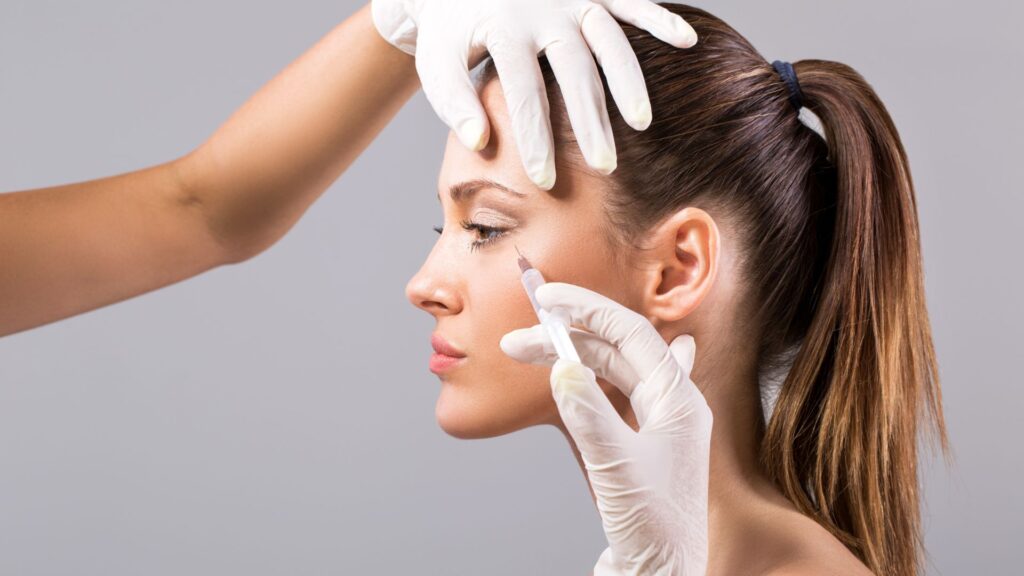
The most common effects happen at the injection sites and tend to resolve quickly. You may notice pinpoint redness, slight swelling, tenderness, or small bumps immediately after your appointment. These are usually related to the needle entering the skin and often settle within minutes to a few hours.
Mild bruising is also possible, especially around delicate areas such as the eyes. Bruises may take several days to fade and can usually be covered with makeup once the skin is no longer tender or broken. Some people are more prone to bruising because of naturally fragile blood vessels, certain medications, supplements, or recent alcohol intake.
A temporary headache can occur after forehead or glabellar treatment, although it is generally short-lived. Some clients also describe a feeling of tightness or unusual awareness in the treated area as the product begins to work. This does not necessarily mean the result will look stiff. It is often simply a new sensation while the muscle activity is changing.
Most people return to their usual routine shortly after treatment. However, every face responds differently. A careful consultation should include questions about medical history, prior injectable experiences, medications, and the look you want to achieve, whether that is a polished reduction in lines or a softer, more expressive result.
When Do Botox Side Effects Appear?
Injection-site redness and swelling are usually immediate. Bruising may become more noticeable over the first day or two. Botox itself typically begins to take effect within several days, with results continuing to develop over roughly two weeks.
This timeline matters because some concerns cannot be judged on day one. For example, a brow may look slightly different while the forehead muscles are adjusting, but the final balance should be assessed only after the product has had time to settle. Scheduling a follow-up when recommended gives your provider the opportunity to evaluate the result carefully rather than making premature changes.
Less Common Side Effects of Botox
Less common Botox side effects are usually connected to how the product interacts with nearby muscles. The best-known example is temporary eyelid drooping, also called ptosis. This can happen when Botox affects a muscle involved in lifting the eyelid. A lowered brow or uneven brow position can also occur if the forehead is treated without accounting for the way a person naturally uses their brow muscles.
These effects are temporary, but they can be frustrating while present. They are also one reason why injector experience is so valuable. A beautiful result is not just about placing product where lines appear. It requires an understanding of facial movement, symmetry, muscle compensation, and the features that make each face distinctive.
Other possible effects include temporary asymmetry, an overly relaxed appearance, or a result that does not meet your expectations. These are not always medical complications, but they deserve a thoughtful response. Sometimes a small adjustment after the appropriate waiting period can improve balance. In other cases, the best approach is allowing the product to wear off naturally.
Rare but Serious Reactions Need Prompt Care
Serious reactions are uncommon with cosmetic Botox injections, but they should never be ignored. Botox carries a warning that effects can, in rare circumstances, spread beyond the injection area. Contact a medical professional immediately or seek emergency care if you experience:
- Trouble breathing, swallowing, or speaking
- Significant muscle weakness away from the treated area
- Vision changes, severe eyelid swelling, or symptoms of an allergic reaction
- Hives, widespread rash, dizziness, or facial and throat swelling
Tell your provider about any unexpected symptoms, even if they seem minor. Prompt communication allows your care team to determine whether reassurance, an in-person assessment, or urgent medical attention is appropriate.
What Increases the Chance of Side Effects?
No injector can promise a completely risk-free treatment, but thoughtful screening and technique can reduce avoidable risk. The dose and placement must fit the individual. More units do not automatically create a better result, and treating every line aggressively can compromise the natural movement that keeps an expression warm and recognizable.
Your provider should know if you have a history of eyelid drooping, facial surgery, neuromuscular conditions, allergies, active skin infections, or previous reactions to botulinum toxin products. Pregnancy and breastfeeding are also situations in which cosmetic Botox is generally postponed because safety data are limited.
Medications and supplements deserve the same attention. Blood-thinning medications, anti-inflammatory drugs, fish oil, vitamin E, and certain herbal supplements can increase bruising risk for some people. Never stop a prescribed medication solely for a cosmetic appointment without guidance from the clinician who prescribed it. A medical injector can advise on how to prepare safely based on your individual situation.
Choosing a qualified provider is equally important. Botox should be prescribed, stored, prepared, and injected within an appropriate medical setting. Bargain pricing, unclear product sourcing, and treatment without a proper consultation are not details to overlook. Your face deserves clinical judgment, not a one-size-fits-all approach.
Aftercare That Supports a Smooth Recovery
Aftercare is simple, but it is worth following. Keep the treatment area clean, avoid pressing or massaging it unless your provider specifically tells you otherwise, and remain upright for several hours after your appointment. Many providers also recommend avoiding strenuous exercise, intense heat, and alcohol until the next day, particularly if you are prone to redness or bruising.
Do not schedule Botox immediately before a major event if you have never had it before. Even a perfectly routine appointment can leave a small bruise, and it takes time for results to appear. Planning two to four weeks ahead gives you room for the product to settle and for any follow-up assessment if needed.
If you develop a small bruise, a cool compress may help in the first day. Avoid applying significant pressure. For discomfort, follow your provider’s recommendations and check before taking any medication that could affect bruising.
How to Keep Results Natural
The goal of cosmetic Botox is not to erase every sign of expression. For many people, the most elegant outcome is refreshed, rested, and still recognizably you. That requires a conversation about your preferences before treatment begins.
Some clients want movement preserved in the forehead but softened frown lines. Others are comfortable with a smoother finish for a special occasion. Men may need a different approach because of stronger facial musculature, while clients with hooded eyelids or naturally low brows require particular care around the forehead. There is no universal Botox map, and that is exactly why personalized planning matters.
At Clara Medical Spa, treatment planning is guided by physician-led expertise, detailed facial assessment, and a commitment to natural-looking enhancement. A skilled injector considers not only what you want to soften today, but also how each area works with the rest of your face over time.
When to Contact Your Injector
Call your injector if swelling, pain, redness, or bruising worsens instead of improving, if you are concerned about asymmetry, or if you notice a change in eyelid or brow position. A reputable practice welcomes these questions and will tell you whether your experience falls within the expected healing process.
For aesthetic concerns, avoid rushing into additional injections before the full effect is visible. Botox is gradual, and the most refined decisions are made after your muscles have had adequate time to respond. Patience can be part of a beautiful result.
The right Botox experience begins with a provider who listens closely, treats conservatively when appropriate, and gives you clear guidance before and after your appointment. Feeling informed is not separate from feeling beautiful – it is part of the confidence that makes the result truly yours.
Related treatments & reading
Explore our Botox in Thornhill and anti-wrinkle injection services, or see the price list.
Frequently Asked Questions
Where can I get Botox in Thornhill?
Clara Medical Spa is located at 1 Promenade Cir in Thornhill, inside the Promenade Shopping Centre, and treats clients from Thornhill, Vaughan, Richmond Hill, and the greater Toronto area.
How much does Botox cost at Clara Medical Spa?
Neuromodulators are priced per unit, from $7–$8 per unit depending on the brand. Your injector will estimate the units you need at a free consultation.
What are common Botox side effects?
Temporary redness, swelling, bruising or mild headache can occur. Serious effects are uncommon, but call your provider if you have concerns.
When should I call my provider after Botox?
Contact your clinic if you notice significant swelling, drooping, vision changes or any symptom that worries you.
Related treatments & reading

[…] Botox Side Effects: What to Expect After Treatment […]
[…] significant side effects are uncommon but possible. Uneven results, temporary eyelid or brow drooping, headache, and […]
[…] Botox Side Effects: What to Expect After Treatment […]
[…] Botox Side Effects: What to Expect After Treatment […]
[…] Botox Side Effects: What to Expect After Treatment […]