

Medically reviewed by Dr. Mo Maghaddasi, Medical Director at Clara Med Spa.
At Clara Medical Spa in Thornhill, our dermal filler and facial contouring treatments serve clients from Thornhill, Vaughan, Richmond Hill, and across the GTA, including chin and cheek filler for balanced contours.
Last updated: August 11, 2026
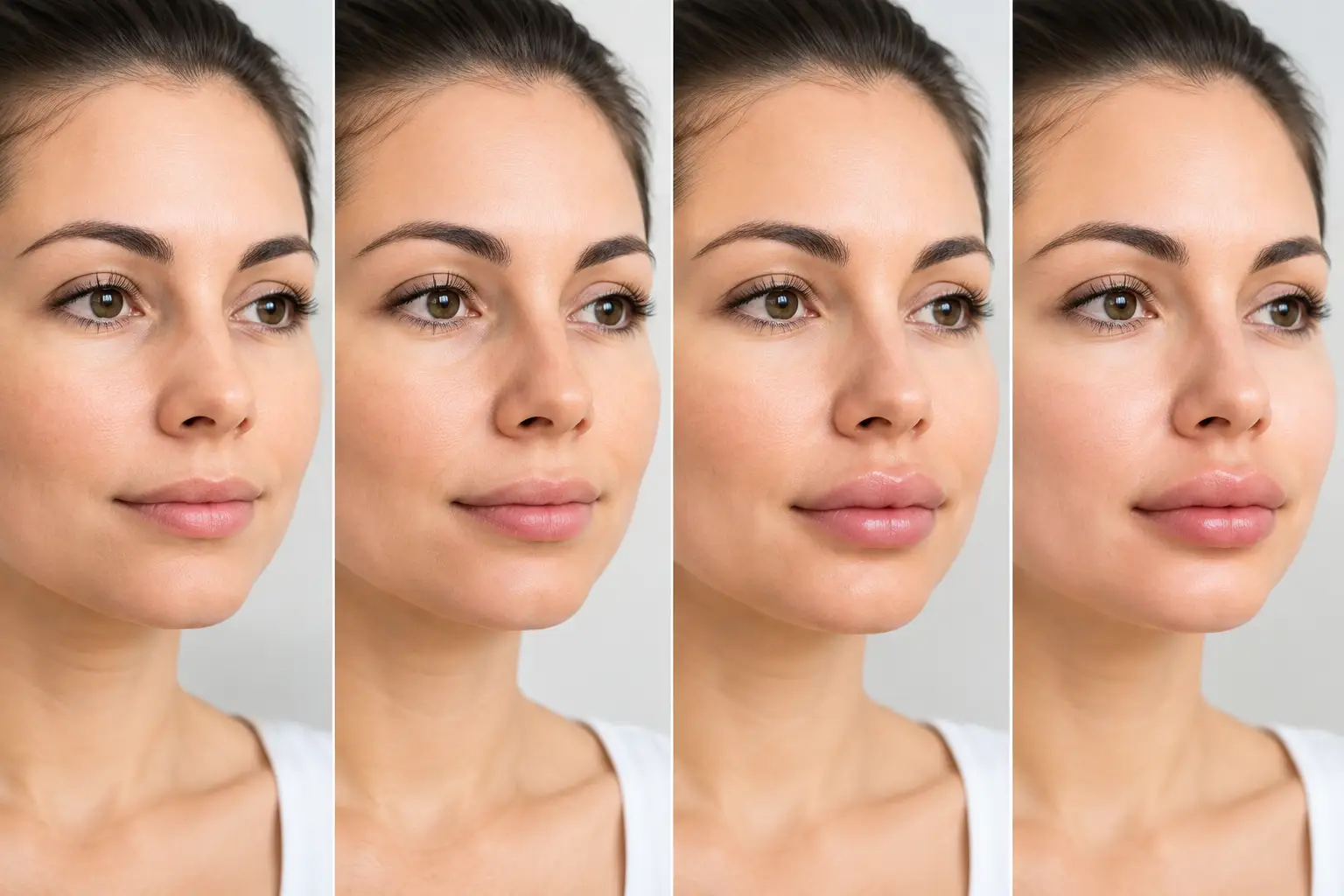
A face can look tired or less defined even when the skin itself is healthy. Often, the change is not simply a wrinkle issue. It is a shift in facial structure: cheeks may lose support, the chin may appear shorter or recessed, and the profile may no longer feel balanced. Chin and cheek filler can address these concerns with strategic, non-surgical contouring designed to look refined rather than overdone.
At Clara Medical Spa, facial filler planning is never about adding volume everywhere. It is about understanding proportion, movement, skin quality, and the features that already make your face distinct. The most beautiful results tend to be the ones that look like you – rested, lifted, and naturally well balanced.
Why Chin and Cheek Filler Work So Well Together
The cheeks and chin are two important structural points of the face. The midface provides support and softness, while the chin helps define the lower face and profile. When one area is under-projected or has lost volume, it can affect how the entire face is perceived.
For example, adding subtle cheek support may improve the appearance of mild hollowing and create a more refreshed look. Yet if the chin is small or set back, cheek enhancement alone can make the profile feel incomplete. Likewise, chin projection can strengthen the jawline and improve lower-face balance, but may look more harmonious when the cheeks have appropriate support.
Treating both areas in one plan does not mean both need the same amount of filler. A personalized approach may focus mostly on the cheeks, mostly on the chin, or use a small amount in each area to create more pleasing proportions. The right plan depends on your anatomy, aesthetic goals, and how your facial features look from the front, side, and three-quarter view.

What Cheek Filler Can Improve
Cheek filler is commonly used to restore volume that becomes less noticeable with age. The fat pads of the midface can gradually shift downward, creating a flatter cheek area, shadows beneath the eyes, or deeper folds around the mouth. Carefully placed dermal filler can provide support in the upper or central cheek, helping the face appear more lifted and rested.
For younger patients, cheek filler is often about definition rather than volume loss. A small amount can enhance cheekbone structure while preserving a soft, natural appearance. For patients with more visible age-related volume changes, the goal may be to rebuild support gradually instead of trying to correct everything in one appointment.
Cheek treatment requires restraint and technical judgment. Too much filler, or placement that does not respect the patient’s anatomy, can create an overly rounded or heavy appearance. A skilled injector considers the thickness of the skin, existing cheek volume, facial width, and how the area moves when you smile.
What Chin Filler Can Improve
Chin filler can be one of the most impactful ways to refine facial balance without surgery. It may add projection to a recessed chin, increase vertical height in a shorter chin, soften a chin crease, or create a cleaner transition between the chin and jawline.
A more balanced chin can make the nose appear more proportionate in profile and may improve the visual definition of the lower face. This is why chin enhancement is sometimes part of a broader profile-balancing plan, even for patients who initially come in asking only about another feature.
The goal is not to create a sharply exaggerated chin. For many women, a softly projected, elegant contour is most appropriate. Many men may prefer a stronger or squarer lower-face structure. Both approaches should be guided by individual facial proportions, not a one-size-fits-all trend.
Which Type of Filler Is Used?
Most chin and cheek filler treatments use hyaluronic acid-based dermal fillers. Hyaluronic acid is a substance naturally found in the body that attracts water and can provide smooth, controlled volume. Different filler formulas are selected for different purposes. A product that works well for soft cheek support may not be the best choice for creating chin projection and structure.
One advantage of hyaluronic acid filler is that it can be dissolved by a trained medical professional if medically necessary or if an adjustment is required. This does not make filler risk-free, but it provides an important degree of flexibility in appropriate circumstances.
During your consultation, the provider should explain the recommended product, treatment areas, expected level of correction, and why that approach suits your facial anatomy. The number of syringes needed varies considerably. Some patients benefit from a conservative first treatment and gradual refinement, while others need more initial support because of the degree of volume loss or structural imbalance.
What to Expect at Your Appointment
A thoughtful consultation should come before any injection. Your provider will review your health history, previous aesthetic treatments, allergies, medications, and concerns. They will also assess facial symmetry and discuss what is realistically achievable with non-surgical filler.
Treatment itself is generally efficient. The skin is cleansed, and a topical numbing product may be used. Depending on the area and injection technique, the provider may use a fine needle, a cannula, or both. Many modern fillers also contain lidocaine to improve comfort during placement.
You may see an immediate improvement, although the final result can take time to settle as early swelling resolves. Mild tenderness, redness, swelling, or bruising can occur, particularly in the first few days. Most patients return to normal daily activities quickly, but it is wise to schedule treatment away from major events when possible.
Safety Should Lead Every Filler Decision
Dermal fillers are medical treatments, not casual beauty services. The cheeks and chin contain important blood vessels and require precise knowledge of facial anatomy. Choosing an experienced, medically qualified injector is one of the most meaningful decisions you can make.
While most side effects are temporary and mild, filler carries potential risks, including bruising, swelling, unevenness, nodules, infection, and vascular complications. Vascular compromise is rare but serious and requires prompt recognition and treatment. Seek urgent medical attention after filler if you experience severe or increasing pain, unusual blanching or discoloration of the skin, changes in vision, or skin that appears mottled or dusky.
Be transparent about your medical history. Certain conditions, active skin infections, pregnancy or breastfeeding, recent dental work, and some medications may affect whether treatment should be postponed or modified. A reputable provider will prioritize your safety over fitting treatment into a particular date.
How Long Do Results Last?
Longevity depends on the filler used, the treatment area, your metabolism, and how much product is placed. Chin filler often lasts longer than filler in more mobile areas, while cheek filler may maintain its effect for many months or longer. Results are not permanent, and maintenance appointments are usually needed to preserve the look over time.
It is also worth remembering that filler does not stop the natural aging process. Skin laxity, bone changes, weight fluctuations, and volume loss continue gradually. Some patients achieve their best outcome by combining filler with treatments that support skin quality, such as microneedling, radiofrequency tightening, or medical-grade skin care. The right combination should be based on your needs, not on a pressure to do more.
Is Chin and Cheek Filler Right for You?
You may be a good candidate if you want more facial definition, have mild to moderate volume loss, or would like to improve profile balance without surgery. Realistic expectations matter. Filler can create meaningful refinement, but it cannot replace every surgical result or correct significant skin laxity.
The best results come from a plan that respects your face rather than chasing someone else’s features. Bring reference photos if they help communicate your preferences, but use them as a conversation starter, not a blueprint. Your anatomy, facial movement, and proportions should guide the final treatment design.
A careful consultation gives you space to ask questions, understand the trade-offs, and decide whether treatment feels right for you. When chin and cheek filler is approached with medical precision and aesthetic restraint, the goal is simple: you should still look like yourself, only more balanced, confident, and refreshed.
Related treatments & reading
Explore our dermal fillers in Thornhill and see the price list.
Frequently Asked Questions
Where can I get dermal fillers in Thornhill?
Clara Medical Spa is located at 1 Promenade Cir in Thornhill, inside the Promenade Shopping Centre, and treats clients from Thornhill, Vaughan, Richmond Hill, and the greater Toronto area.
How much do dermal fillers cost at Clara Medical Spa?
Fillers start at $300 per syringe. The number of syringes depends on your goals and anatomy, and your injector will give a clear estimate at your free consultation.
Can filler improve my facial balance?
Chin and cheek filler can improve balance and contour when placed thoughtfully. A consultation assesses your proportions.
How long does cheek filler last?
Duration depends on the product and area treated. Your injector can estimate this at your consultation.
Related treatments & reading



[…] also helps distinguish submental fullness from concerns that require a different approach. A recessed chin, loose neck skin, enlarged glands, or significant skin laxity may not respond in the same way as a […]
[…] who is skilled in neuromodulators may not necessarily have the same depth of expertise with cheek filler, under-eye concerns, lip enhancement, jawline contouring, or corrective work. Every area presents […]
[…] For the face and neck, non-surgical contouring may help create a cleaner transition from the chin to the jawline when submental fullness is the […]
[…] Dermal filler is not usually placed directly into a heavy jowl. Instead, it may be used with precision along the chin, jawline, or pre-jowl hollow to restore structural support and create a cleaner transition from chin to jaw. In the right candidate, this can reduce the appearance of a notch or shadow that makes jowls look more pronounced. […]
[…] Dermal filler may also have a role when lower-face volume loss is contributing to a less defined profile. Restoring structural support in carefully chosen areas of the chin or jawline can improve balance from the front and side. The neck itself is not always the only area that needs attention. […]
[…] small amount of filler in the chin can create meaningful profile balance, especially when the chin appears recessed or lacks […]
[…] your goals. In some cases, a more balanced result comes from combining temple restoration with subtle cheek filler, chin enhancement, or skin […]