
A dull complexion, stubborn breakouts, lingering acne marks, and uneven tone often have one thing in common: damaged skin cells are building up at the surface. Chemical peels offer a refined, clinically guided way to encourage fresh skin to emerge, revealing a smoother, clearer, more luminous-looking complexion without surgery or significant interruption to your routine.
At Clara Medical Spa in Thornhill, our facials and chemical peels serve clients from Thornhill, Vaughan, Richmond Hill, and across the GTA, to help you choose the right peel for clearer, brighter skin.
At Clara Medical Spa, peel treatments are never selected from a one-size-fits-all menu. Your skin tone, sensitivity, concerns, lifestyle, and desired recovery time all matter. The goal is not to make your skin peel as much as possible. It is to choose the right level of exfoliation for visible improvement while protecting the health and integrity of your skin.
What Chemical Peels Can Improve
Chemical peels use carefully selected exfoliating acids or enzyme-based formulations to loosen and remove damaged cells from the outer layers of skin. This process supports skin renewal and can improve the appearance of concerns that topical products alone may not fully address.
Depending on the formula and depth, a professional peel may help soften fine lines, reduce the look of enlarged pores, brighten sun-related discoloration, improve rough texture, calm congestion, and fade the visible marks left behind by acne. Many clients also choose peels before an event or season change when their complexion looks tired, uneven, or less reflective than usual.
Results are not identical for everyone. A peel that is excellent for oily, acne-prone skin may be too active for someone with rosacea-prone or highly reactive skin. Likewise, deeper exfoliation is not automatically better for pigmentation. For medium to deep skin tones, an overly aggressive treatment can increase the risk of post-inflammatory hyperpigmentation. Expertise, proper preparation, and a conservative approach are what make the difference.

Understanding the Different Types of Chemical Peels
The term “peel” covers a broad range of treatments. Some are gentle enough to create a healthy glow with little to no visible flaking, while others are designed to create more pronounced renewal and require several days of recovery.
Superficial peels
Superficial peels work primarily on the outermost layer of the skin. They often use ingredients such as glycolic acid, lactic acid, salicylic acid, mandelic acid, or gentle combination formulas. These treatments are commonly chosen for mild congestion, dullness, early fine lines, uneven tone, and routine complexion maintenance.
You may experience a warm or tingling sensation during treatment, followed by temporary tightness, dryness, or light flaking. Many people can return to work, social plans, and regular activities the same day, provided they follow aftercare instructions and use sunscreen faithfully.
Medium-depth peels
Medium-depth treatments reach further into the skin and may be considered for more noticeable textural concerns, sun damage, pigment irregularities, or acne scarring. Recovery is more visible, with redness, dryness, and peeling that can last several days or longer.
These treatments require a more detailed assessment. Your provider will consider your history of pigmentation, current skincare products, previous procedures, and tolerance for downtime before recommending this level of treatment.
Deep peels
Deep peels are more intensive medical procedures with substantial recovery requirements. They are not a casual appointment to schedule before a weekend away. Because of their strength and potential risks, they require careful medical oversight and are only appropriate for select patients and concerns.
For many clients, a planned series of lighter professional peels provides beautiful, gradual improvement with more manageable downtime. This approach can be especially effective when paired with an appropriate home skincare routine.
Is a Peel Right for Your Skin?
Chemical peels can be a strong option for adults who want a smoother, more even complexion without injectables or surgery. They are often helpful for skin that feels congested, looks lackluster, or no longer responds to an at-home exfoliant.
Still, timing matters. A peel may need to be postponed if you have an active cold sore, open wound, sunburn, eczema flare, skin infection, or unusually irritated skin barrier. Certain prescription medications and skincare ingredients also affect treatment planning. Retinoids, exfoliating acids, benzoyl peroxide, and recent hair removal in the treatment area may need to be paused before your appointment. If you are pregnant, breastfeeding, or taking oral acne medication such as isotretinoin, disclose this during your consultation so your provider can guide you safely.
A professional assessment is particularly valuable for melasma and deeper pigmentation. These conditions can improve with the right plan, but they can also become more noticeable after heat, inflammation, or excessive exfoliation. In some cases, a gentle peel, pigment-supporting skincare, strict sun protection, and a series of treatments offer a better path than one aggressive procedure.
What to Expect at Your Appointment
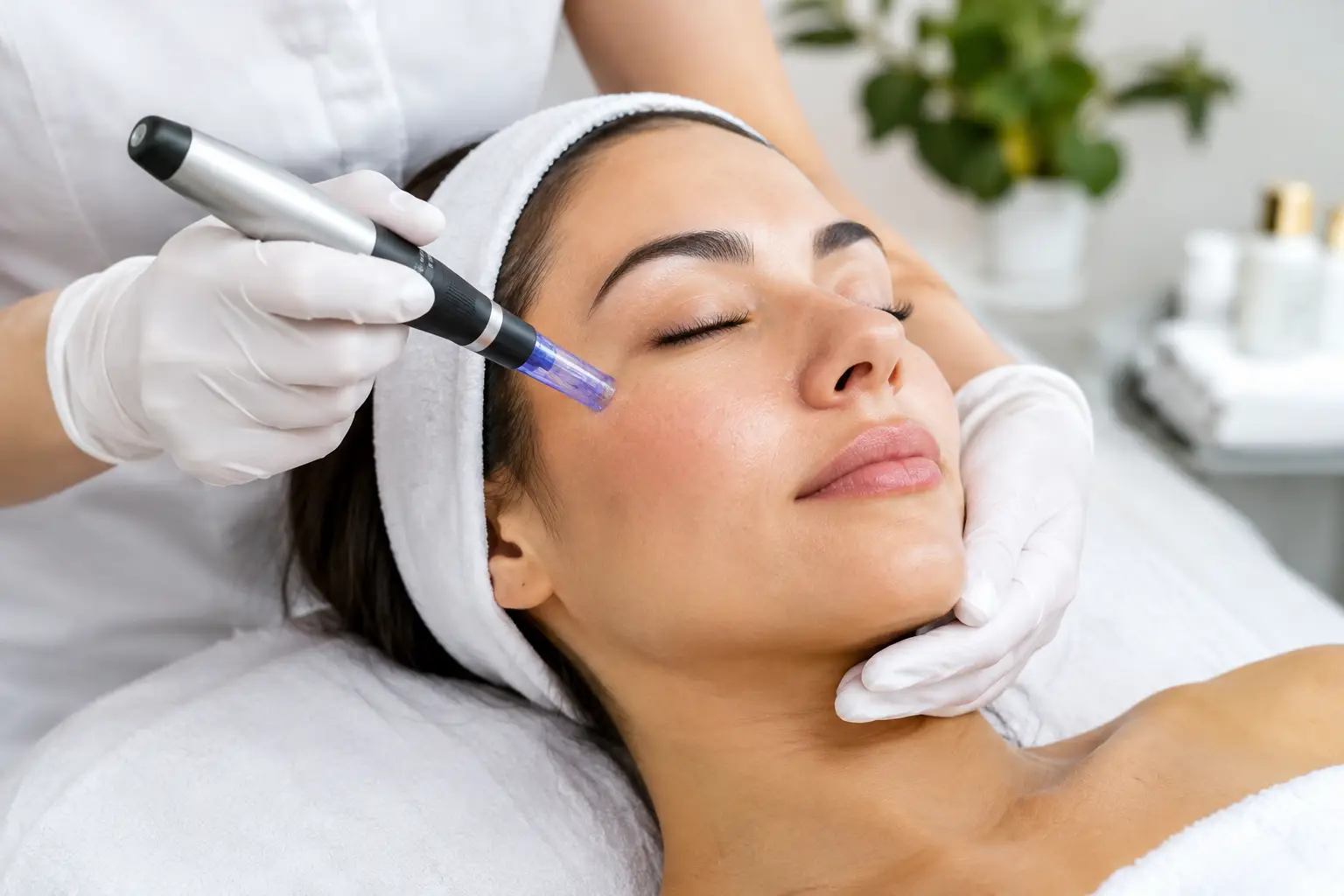
Your treatment begins with a conversation about what you see in the mirror and what you would like to change. Your provider will assess your skin, review relevant health history, and discuss whether a peel is the best choice for your goals. Sometimes a facial, microneedling treatment, laser treatment, or a carefully timed combination plan may be more suitable.
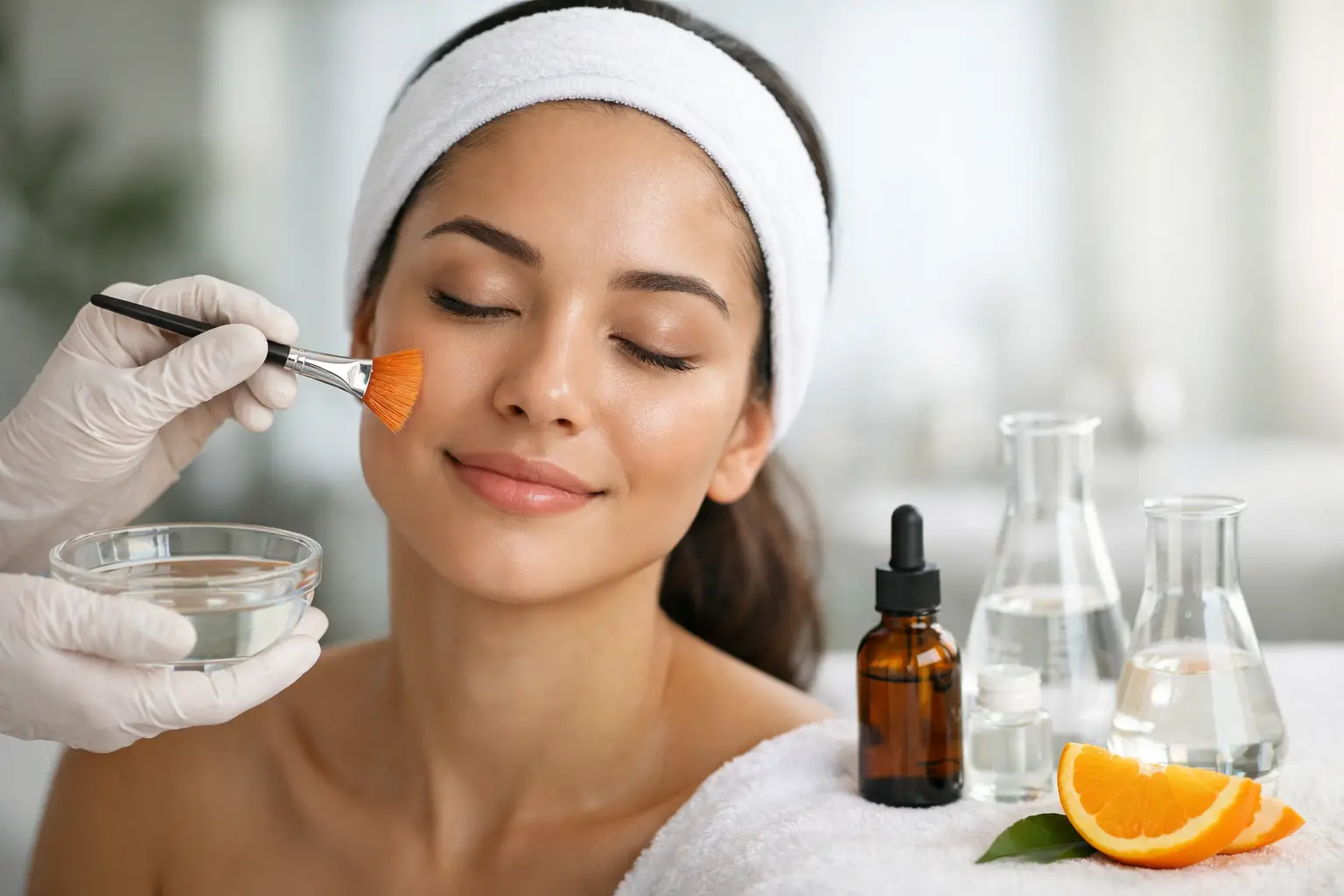
The skin is cleansed and prepared before the peel solution is applied. During the procedure, you may feel mild tingling, warmth, or temporary stinging. The sensation depends on the formula, treatment area, and your individual sensitivity. Your provider monitors your skin closely and will adjust the process as needed.
Afterward, the skin may look slightly pink or feel tight. With stronger treatments, peeling often begins within two to three days. It can be tempting to pick at loose skin, especially around the nose and mouth, but doing so can lead to irritation, uneven healing, and unwanted discoloration. Let the skin shed naturally.
Aftercare Protects Your Results
The days after a peel are part of the treatment, not an afterthought. Keep your routine calm, simple, and protective. Use the cleanser, moisturizer, and sunscreen recommended by your provider, and avoid scrubs, exfoliating pads, retinoids, and strong active ingredients until your skin has fully recovered.
Sun protection is essential. Freshly treated skin is more vulnerable to discoloration, so daily broad-spectrum sunscreen and practical sun avoidance help preserve a more even result. Skip intense workouts, saunas, steam rooms, and hot yoga for the period recommended after your treatment, particularly if your skin is red or actively peeling.
Most superficial peels are comfortable and predictable when aftercare is followed. However, contact your provider if you experience severe swelling, persistent burning, blistering, or any reaction that feels outside the guidance you received. A medically guided setting gives you the reassurance of having professional support when you need it.
How Many Treatments Will You Need?
One peel can leave the skin looking refreshed, but meaningful concerns usually respond best to a series. Acne, acne marks, sun damage, and uneven pigmentation often develop over months or years, so improvement is typically gradual. Your provider may recommend treatments spaced several weeks apart, then occasional maintenance appointments to keep your complexion looking polished.
The right frequency depends on the peel type, your skin’s recovery, and your goals. More frequent is not always more effective. Skin needs time to restore its barrier and respond to treatment. A personalized schedule creates progress without pushing your skin beyond what it can comfortably tolerate.
Beautiful skin is rarely the result of a single dramatic choice. It is built through thoughtful treatments, consistent care, and a plan that respects your skin’s individual needs. When a chemical peel is chosen with precision, it can be a graceful way to renew your complexion and feel more confident in the skin you are in.
Explore our facials and peels in Thornhill and see the price list.
Frequently Asked Questions
Where can I get a facial or chemical peel in Thornhill?
Clara Medical Spa is located at 1 Promenade Cir in Thornhill, inside the Promenade Shopping Centre, and treats clients from Thornhill, Vaughan, Richmond Hill, and the greater Toronto area.
How much do facials and peels cost at Clara Medical Spa?
Chemical peel facials are $90, anti-aging and brightening facials are $120, and Hydra Facials are $150 on our price list.
How often can I get a chemical peel?
Frequency depends on the peel strength and your skin. Your esthetician will recommend a schedule that suits you.
Is there downtime after a chemical peel?
Some peels cause mild redness and peeling for one to three days. Your esthetician will explain what to expect for your peel.
Related treatments & reading