

Medically reviewed by Dr. Mo Maghaddasi, Medical Director at Clara Med Spa.
At Clara Medical Spa in Thornhill, our dermal filler and facial contouring treatments serve clients from Thornhill, Vaughan, Richmond Hill, and across the GTA, and we will walk you through how to prepare for your visit.
Last updated: August 11, 2026
The best filler appointments rarely begin when the syringe comes out. They begin with a thoughtful consultation, realistic expectations, and a little planning around your calendar. If you are researching how to prepare for fillers, the goal is not to overcomplicate the process. It is to arrive feeling informed, comfortable, and ready for a treatment plan designed around your features.
Dermal fillers can restore facial volume, refine contours, soften folds, enhance the lips, and create balance in areas such as the cheeks, chin, jawline, and under-eyes. Beautiful, natural-looking results depend on more than the product itself. They depend on your anatomy, your provider’s skill, and the care you take before and after your visit.
Start With a Personalized Consultation
Filler is never one-size-fits-all. A polished result should complement your existing facial structure rather than change the way you look. Before treatment, discuss what you see in the mirror, what concerns you most, and what you would like to preserve about your appearance.
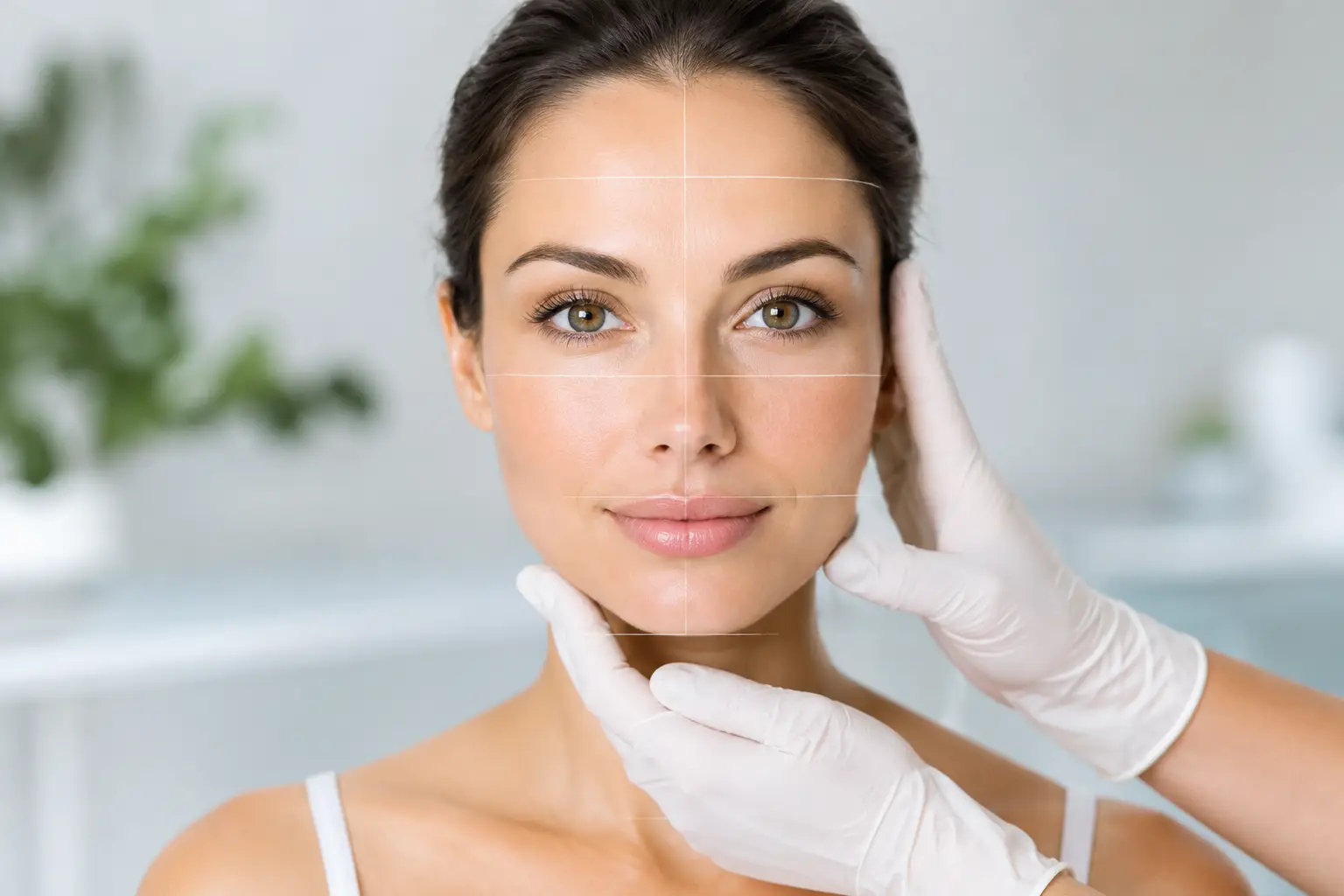
A qualified medical provider will assess facial proportions, skin quality, volume loss, muscle movement, and the way different features work together. For example, someone concerned about nasolabial folds may benefit from subtle cheek support rather than filler placed directly into the folds alone. A client seeking a more defined profile may need a balanced approach to the chin and jawline, not simply more volume in one area.
Bring reference photos only if they help communicate your aesthetic preferences, not as a promise of an identical result. Every face has different bone structure, skin thickness, and tissue support. The most satisfying outcomes are usually refined, balanced, and appropriate for you.
Be Honest About Your Health History
Your consultation is the right time to share your full medical history, including allergies, past cosmetic treatments, current medications, supplements, and any history of cold sores. Your provider also needs to know if you are pregnant, breastfeeding, have an active skin infection, are prone to excessive scarring, or have had an unusual reaction to an injectable in the past.
This information is not a formality. It helps your provider select the appropriate treatment, adjust the plan when necessary, and decide whether it is best to postpone your appointment. Safety and beautiful results go together.
Plan Your Timing Carefully
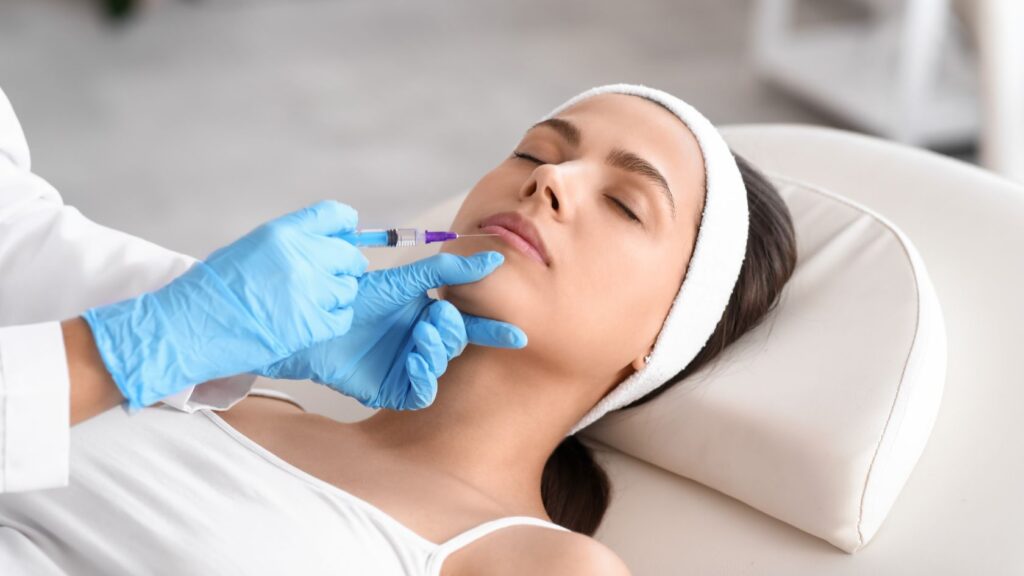
Fillers can involve temporary swelling, tenderness, redness, or bruising. Some clients have very little downtime, while others need a few days before they feel fully camera-ready. The amount varies depending on the treatment area, the product used, your individual healing response, and whether you bruise easily.
For that reason, avoid booking filler immediately before a wedding, vacation, major presentation, or other important event. A good rule is to schedule at least two weeks ahead when you want your result to be settled for photographs or a special occasion. This gives swelling time to improve and allows room for a follow-up assessment if your provider recommends one.
If you are new to filler, give yourself even more flexibility. It is easier to enjoy your first experience when you are not watching the calendar or trying to hide minor bruising at an event the next day.
How to Prepare for Fillers in the Week Before
In the days leading up to treatment, focus on reducing avoidable bruising and protecting your skin. Do not make changes to prescribed medication without speaking to the physician who prescribed it. This is especially important if you take blood thinners or medication for a medical condition.
Your injector may advise avoiding nonessential products or substances that can increase bruising, depending on your health history. These can include aspirin, ibuprofen, fish oil, vitamin E, ginseng, garlic supplements, St. John’s wort, and alcohol. The timing and recommendations vary, so follow the instructions from your treating provider rather than a generic checklist online.
Avoid aggressive facial treatments close to your appointment. Chemical peels, microneedling, waxing, laser procedures, intense exfoliation, and certain acne treatments may leave the skin irritated or compromised. Healthy, calm skin creates a better starting point for injectable treatment.
If you are prone to cold sores and are planning lip filler or treatment around the mouth, mention it well before your visit. Your provider may recommend preventive antiviral medication. Never arrive with an active cold sore, rash, acne flare, or skin infection in the treatment area. Rescheduling is the safer choice.
Keep Your Routine Gentle
The night before and morning of your appointment, keep skincare simple. Cleanse gently, moisturize if needed, and avoid trying a new active ingredient or at-home treatment. Your face does not need to be perfectly bare when you arrive, but coming with minimal makeup can make the assessment and preparation easier.
Drink water, eat a normal meal, and get a good night of sleep. Filler treatment is generally well tolerated, but arriving dehydrated, hungry, or rushed can make any appointment feel more stressful than it needs to be.
Know What Treatment Day Feels Like
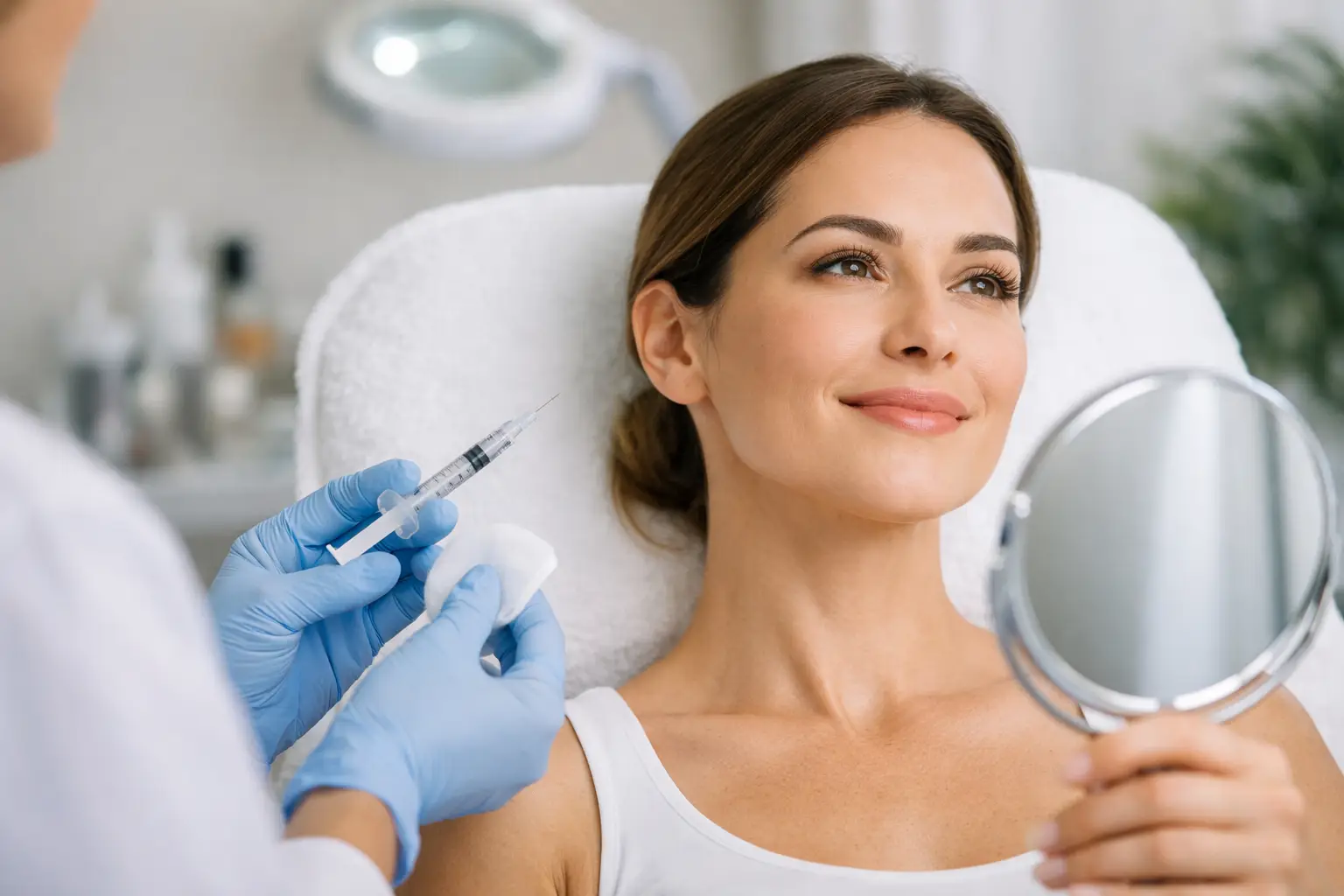
A professional filler appointment should feel unrushed. Your provider may take photographs, review consent, confirm your goals, and explain the product and injection approach before beginning. Topical numbing cream may be used in certain areas, and many modern fillers contain lidocaine to improve comfort during treatment.
You may feel brief pressure, a pinch, or mild stinging. Some areas, particularly the lips, can be more sensitive than others. Tell your provider if you feel anxious, faint, or uncomfortable. Clear communication helps your treatment team care for you well.
It is also helpful to arrive with an open mind about the final plan. You may come in requesting a specific number of syringes or a particular area, but a careful assessment can reveal that a more conservative or more balanced approach is better. The right amount is not the most filler possible. It is the amount that supports a natural, refreshed result.
Make Space for Proper Aftercare
After your appointment, your provider will give you instructions based on the areas treated and the product used. In general, avoid pressing, massaging, or manipulating the treated areas unless you are specifically told to do so. Do not assume that a small bump needs to be worked out at home. Contact your provider first.
For the first 24 to 48 hours, it is often wise to avoid strenuous exercise, excessive heat, saunas, hot yoga, and alcohol, especially if you are prone to swelling or bruising. Sleep with your head slightly elevated if possible, and use a cool compress gently when recommended. Avoid applying direct pressure to the face, including facial massage or tight headwear near treated areas.
Temporary swelling and bruising can be normal, particularly in the lips and under-eye region. Your result may look fuller immediately after treatment than it will once swelling settles. Give your face time. Avoid judging the outcome hour by hour or comparing one side to the other during the early healing period.
Know When to Contact Your Provider
Your clinic should explain what is expected and what requires prompt attention. Contact your provider right away if you have severe or increasing pain, marked blanching or unusual color changes in the skin, worsening swelling, vision changes, or any symptom that feels concerning. These reactions are uncommon, but prompt evaluation matters.
Choose a medical aesthetics practice that is prepared to assess and manage complications, not simply administer injections. Physician-led care, detailed anatomy knowledge, and a conservative aesthetic eye all contribute to a safer, more reassuring experience.
Choose Natural Enhancement Over a Trend
Social media can make filler look casual, but it remains a medical treatment that deserves thoughtful planning. Trends change quickly. Your face, confidence, and safety deserve a plan that will still feel right when the trend has passed.
At Clara Medical Spa, filler treatments are approached with precision, artistry, and respect for each client’s individual features. Whether you are considering a subtle lip enhancement, restored cheek volume, or more refined facial contours, the best preparation is choosing a qualified provider who listens carefully and treats with intention.
Give yourself the time to ask questions, plan around your schedule, and let your results settle naturally. That calm, considered approach is often what makes a refreshed look feel truly like your own.
Related treatments & reading
Explore our dermal fillers in Thornhill and see the price list.
Frequently Asked Questions
Where can I get dermal fillers in Thornhill?
Clara Medical Spa is located at 1 Promenade Cir in Thornhill, inside the Promenade Shopping Centre, and treats clients from Thornhill, Vaughan, Richmond Hill, and the greater Toronto area.
How much do dermal fillers cost at Clara Medical Spa?
Fillers start at $300 per syringe. The number of syringes depends on your goals and anatomy, and your injector will give a clear estimate at your free consultation.
What should I avoid before dermal fillers?
Your provider may advise avoiding certain medications, supplements, and alcohol beforehand to reduce bruising. Never stop prescribed medication without medical advice.
How long before an event should I get filler?
Allow time for swelling and any bruising to settle. Many people book a couple of weeks ahead.
Related treatments & reading



[…] How to Prepare for Fillers: Your Best Visit […]