
A breakout can disappear in days, yet the reminder may stay for months. If you are trying to treat post acne marks, the first step is knowing whether you are dealing with lingering discoloration, redness, or a true acne scar. Each concern responds differently, and choosing the right approach can make the difference between gradual improvement and frustrating setbacks.
At Clara Medical Spa, treatment planning begins with a close look at your skin tone, acne history, current routine, and the type of marks affecting your confidence. The goal is not to chase a one-size-fits-all solution. It is to restore a smoother, clearer, more even-looking complexion with a plan that respects your skin.
What Are Post-Acne Marks?
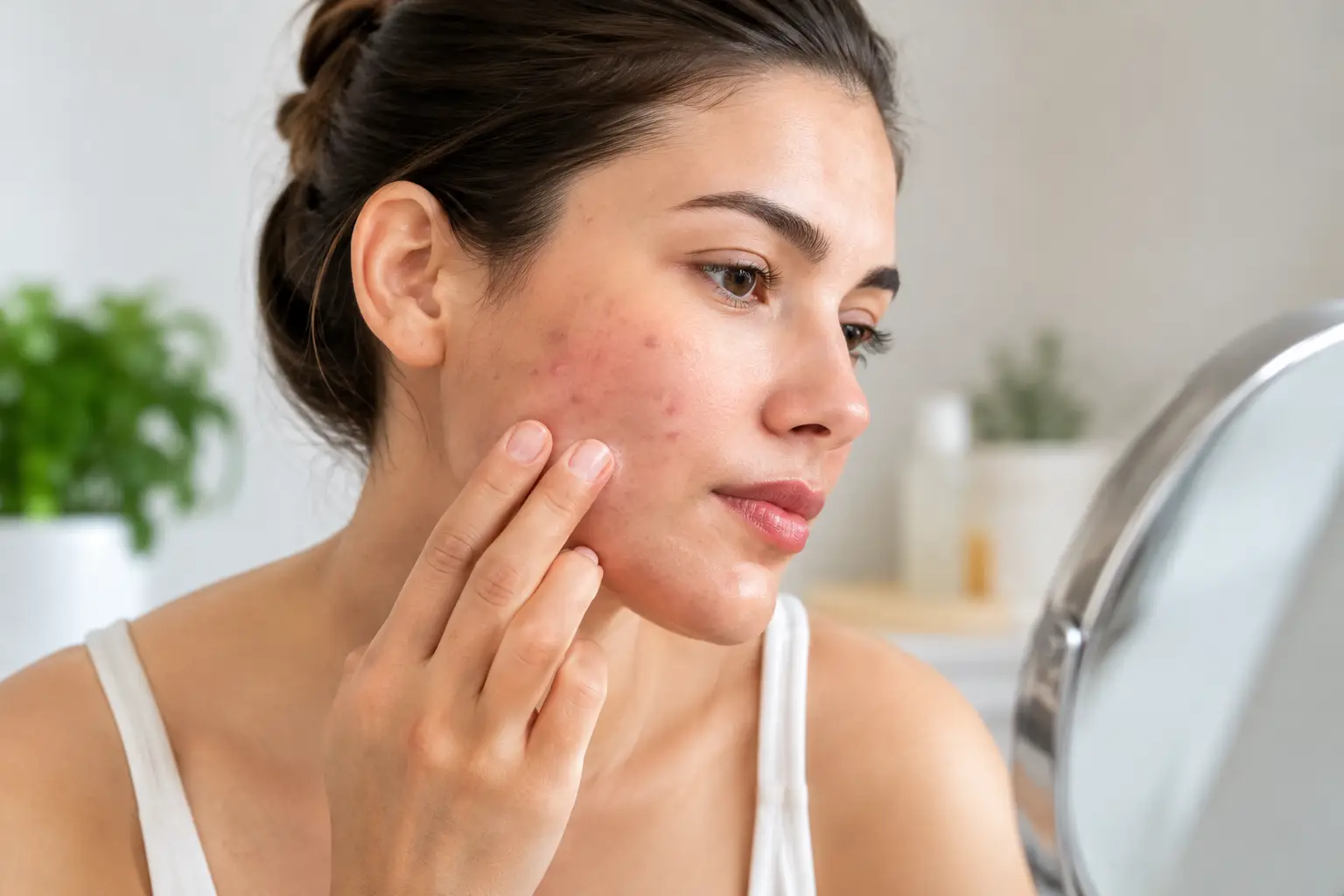
Post-acne marks are flat areas of color left behind after inflammation from a pimple, cyst, or blemish. They are not always scars. In fact, many people call every lingering spot an acne scar, when the concern is actually temporary pigment or redness within the skin.
Post-inflammatory hyperpigmentation, often called PIH, appears as brown, tan, gray, or deep purple marks. It is especially common in medium to deep skin tones because inflammation can stimulate extra melanin production. Post-inflammatory erythema, or PIE, is the pink or red discoloration that may remain after acne, particularly in lighter skin tones. Both PIH and PIE are flat, and both can fade with time, although patience alone is not always the preferred plan.
True acne scars change the skin’s texture. They may look like small pits, wider depressions, rolling unevenness, or raised areas. Skincare can support scar treatment, but topical products alone cannot fully rebuild lost collagen or smooth significant textural changes. That distinction matters when deciding how to treat post acne marks effectively.
Why Some Marks Take So Long to Fade
Inflammation is the starting point. A deep breakout disrupts the skin, and the healing process can leave excess pigment or visible blood vessels behind. Picking, squeezing, and using harsh products can prolong that inflammation and increase the likelihood of marks.
Sun exposure is another major reason discoloration lingers. Even brief, unprotected exposure can deepen brown marks and make contrast more noticeable. This is why clients sometimes feel that their brightening routine has stopped working when the real issue is inconsistent daily sun protection.
Ongoing breakouts also complicate progress. Treating old marks while new acne continues to form can feel like taking one step forward and one step back. A thoughtful plan often addresses active acne and discoloration at the same time, while protecting the skin barrier from irritation.
A Foundation That Helps Marks Fade
A consistent home routine is not glamorous, but it is where visible improvement begins. Gentle cleansing, daily broad-spectrum SPF 30 or higher, and a moisturizer suited to your skin type create a stable foundation for treatment. Sunscreen is essential year-round, including on cloudy days and during short drives, because UV exposure can worsen pigment changes.
For brown marks, ingredients such as vitamin C, niacinamide, azelaic acid, retinoids, and carefully selected exfoliating acids may help support a more even tone. The ideal choice depends on skin sensitivity, acne activity, pregnancy status, and the rest of your regimen. Retinoids, for example, can support cell turnover and help prevent clogged pores, but introducing them too quickly may cause dryness and irritation.
For red or pink marks, calming inflammation and avoiding over-exfoliation are especially important. A stronger product is not automatically a better product. When the skin is stinging, peeling, or persistently tight, its barrier may be compromised, which can make discoloration more visible and increase the risk of additional pigment changes.
Give a new routine time. Many people need eight to twelve weeks of consistent use before they can fairly judge improvement. If marks are worsening, acne is painful or cystic, or you are unsure which products suit your skin, professional guidance can prevent costly trial and error.
Professional Ways to Treat Post Acne Marks
In-clinic treatments can accelerate results when discoloration is persistent, marks are widespread, or texture is also a concern. The best option depends on the color of the marks, your skin tone, the depth of the concern, and how much downtime fits your schedule.
Chemical Peels for Uneven Tone
Professional chemical peels use controlled exfoliation to refresh the skin’s surface and encourage a more even appearance. Lighter peels may be appropriate for mild congestion, dullness, and superficial discoloration, often with little downtime. Stronger options can offer more dramatic correction but require greater care, especially for skin that is prone to hyperpigmentation.
A peel should be selected with precision. Overly aggressive treatment can trigger irritation and lead to darker marks, particularly in melanin-rich skin. A qualified provider will consider your current products, recent sun exposure, acne medications, and previous reactions before recommending a peel series.
Microneedling for Marks and Texture
Microneedling creates controlled microchannels in the skin to support collagen renewal. It can be a valuable option for certain acne scars and may also improve overall skin quality, tone, and texture. When paired with an appropriate professional protocol, such as exosome therapy where clinically suitable, it may help skin look smoother and more refreshed over a series of treatments.
This is not an overnight treatment. Collagen remodeling is gradual, and the most natural-looking changes develop over several weeks and multiple sessions. Microneedling is often most useful when post-acne discoloration is accompanied by shallow textural irregularities.
Laser Treatments for Persistent Discoloration
Laser technology can target specific pigment concerns, redness, and signs of sun damage with greater precision than topical care alone. For brown post-acne marks, certain laser approaches may help break up excess pigment. For red marks, vascular laser treatments may be considered to reduce visible redness associated with persistent post-inflammatory erythema.
Laser treatment requires an experienced assessment. Not every laser is appropriate for every skin tone or every type of mark, and settings must be carefully tailored to reduce the risk of unwanted pigment changes. Clients should also be prepared to follow pre- and post-treatment instructions, including diligent sun protection.
When Acne Scars Need a Different Plan
If your concern is indented acne scarring rather than flat discoloration, the plan may include microneedling, laser resurfacing, or a combination approach. Rolling scars, boxcar scars, and ice-pick scars do not behave the same way, so results are strongest when treatment is matched to scar type rather than selected from a menu.
Combination treatment can be particularly valuable because acne often leaves more than one concern behind. A client may have brown marks, redness, enlarged pores, and shallow scars at the same time. Addressing them in stages can be more comfortable, more predictable, and more natural-looking than trying to correct everything in one appointment.
What to Avoid While Your Skin Heals
The temptation to speed things up is understandable, but aggressive habits frequently delay progress. Avoid picking blemishes, scrubbing with abrasive tools, layering multiple exfoliants, or using strong actives every night without professional direction. These practices can create low-level inflammation that keeps marks visible.
Be cautious with unregulated bleaching products and social-media treatment trends. Skin lightening ingredients used incorrectly can cause irritation, uneven color, or more serious complications. Professional care is especially worthwhile if you have a history of melasma, eczema, sensitive skin, or dark marks that develop easily after irritation.
Choosing a Plan That Fits Your Skin
The right treatment timeline depends on what you see in the mirror. Flat red or brown marks may improve with dedicated skincare and a carefully selected series of professional treatments. Textural scars usually require more time and collagen-focused care. Active acne may need to be brought under control before intensive corrective procedures begin.
A consultation offers the clarity that online advice cannot. A trained provider can identify whether your marks are pigment, redness, scars, or a combination, then recommend treatment options that align with your goals, skin tone, lifestyle, and comfort with downtime. Clearer skin is rarely about one dramatic fix. It is about giving your skin a precise, patient plan and the professional care to follow it through.