
A beautiful filler result should not announce itself the moment you walk into a room. It should make you look rested, balanced, and subtly refreshed – while still looking unmistakably like you. This natural filler results guide explains what creates that outcome, what to expect from treatment, and why personalized planning matters more than simply adding volume.
Dermal fillers can restore areas that have changed with time, soften facial shadows, refine contours, and improve overall harmony. The most flattering results are rarely about making one feature larger. They are about respecting your facial structure, expressions, proportions, and goals.
What Natural Filler Results Really Look Like
Natural-looking filler is not one universal look. For one person, it may mean gently restoring cheek support that has diminished over time. For another, it may mean softening deep smile lines, improving chin projection, or bringing subtle hydration and definition to the lips.
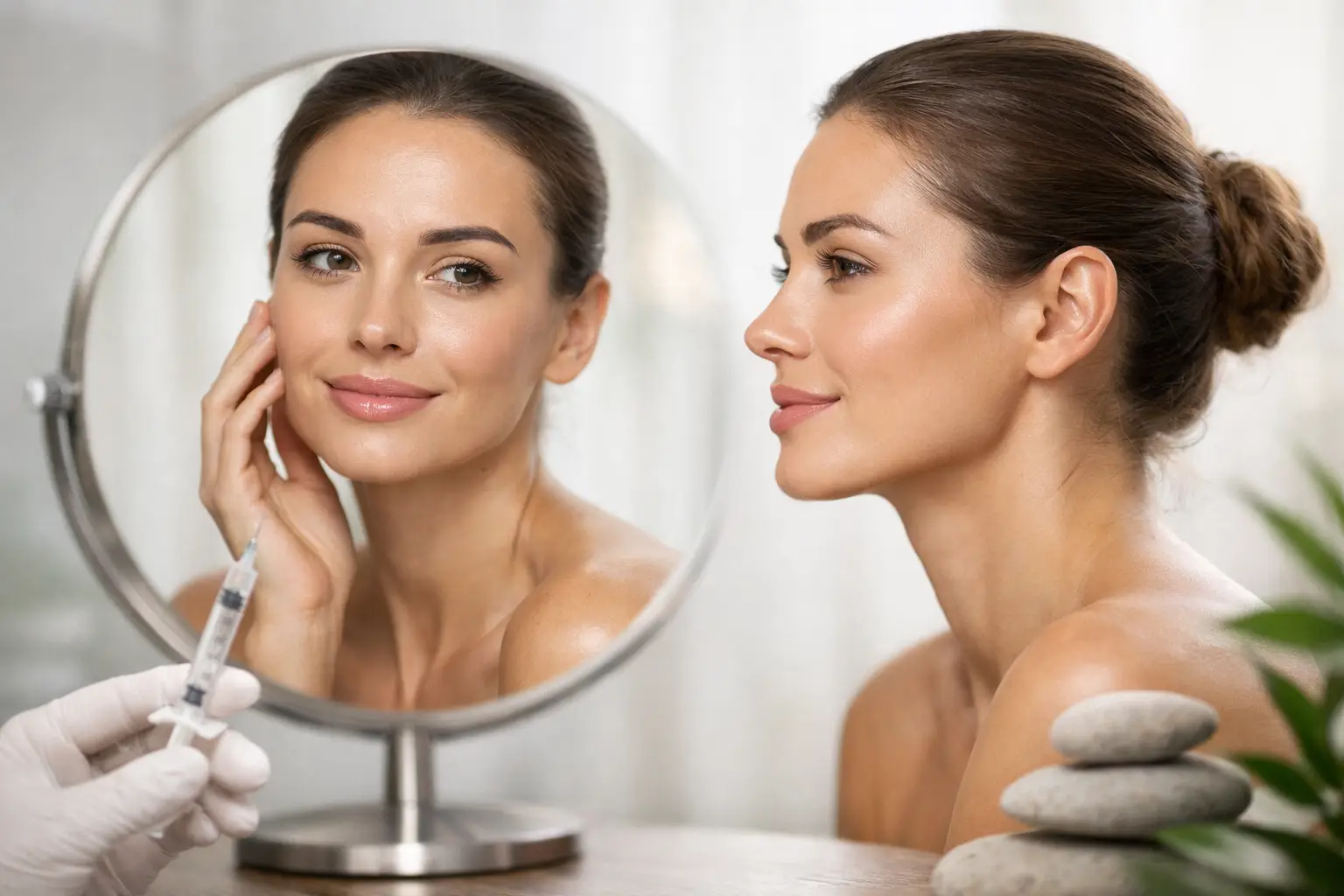
The common thread is balance. Your face should remain expressive. Your features should work together. Friends may notice that you look well, but they should not necessarily be able to identify why.
A refined result generally avoids overfilling, exaggerated projection, stiffness, and treating every line as though it needs to disappear. Some facial movement and fine lines are part of looking human and vibrant. The goal is thoughtful enhancement, not a different face.
The Natural Filler Results Guide: Start With Facial Balance
An experienced injector does not begin by selecting a syringe. They begin by assessing the full face. Volume loss in the cheeks, for example, can make the under-eye area, nasolabial folds, and jawline appear more pronounced. Treating only the fold around the mouth may add product where it is not needed, while restoring support higher in the face may create a more elegant effect.
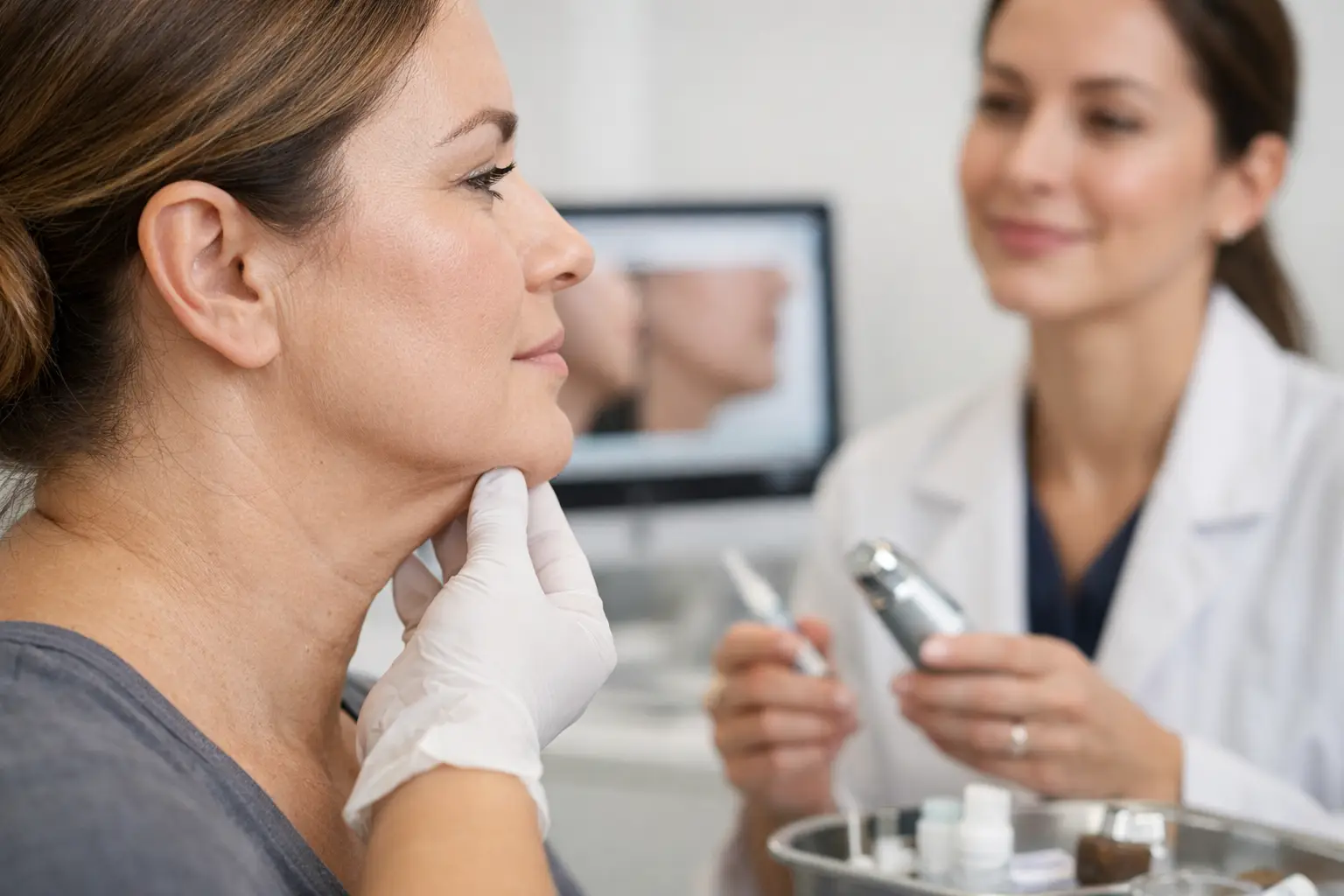
Your consultation should consider facial symmetry, bone structure, skin quality, muscle movement, previous treatments, and the way your face changes when you speak or smile. It should also account for what you see when you look in the mirror. A client concerned about tired-looking eyes may benefit from a plan that addresses midface support rather than direct under-eye filler.
This is where medical knowledge and aesthetic artistry meet. The best treatment plan is often conservative, staged, and specific to you. It may include filler in one or two strategic areas, with time to assess how the face settles before considering additional treatment.
Choosing the Right Area to Treat
Different filler areas require different priorities, techniques, and products. A natural outcome depends on matching the approach to the anatomy.
Cheeks and Midface
Cheek filler is often less about creating prominent cheekbones and more about restoring soft support. As facial volume shifts with age, the midface can appear flatter and the lower face may look heavier. Carefully placed filler can lift the visual balance of the face and reduce a hollow or fatigued appearance.
A natural cheek treatment preserves soft contours. It should not create an overly sharp, high, or rounded look that feels disconnected from your features.
Lips
Natural lip filler can improve hydration, border definition, symmetry, and gentle fullness. The right amount varies widely. Some clients want a subtle refinement that is difficult to detect; others prefer more noticeable volume while still keeping the lips proportional to their face.
For a polished result, the injector should consider the lip shape at rest and in motion, the relationship between the upper and lower lip, and the amount of natural tissue already present. Chasing volume too quickly can lead to migration or an overfilled appearance, which is why gradual treatment is often the more sophisticated choice.
Chin and Jawline
A small amount of filler in the chin can create meaningful profile balance, especially when the chin appears recessed or lacks definition. Jawline filler may help create cleaner contours, though the best approach depends on skin laxity, facial width, and the amount of structural support needed.
In some cases, filler is not the ideal answer. A consultation may reveal that skin tightening, double chin reduction, or another treatment better matches your concern. Honest recommendations are part of safe, beautiful care.
Smile Lines and Lower Face
Lines around the mouth are influenced by volume loss, skin quality, movement, and facial structure. Directly filling them can be appropriate for some clients, but it is not always the first step. Supporting the cheeks or treating nearby areas may produce a softer, more natural improvement.
This is also an area where restraint matters. The lower face moves constantly, and adding too much product can make it look heavy rather than refreshed.
Why Product Choice and Technique Matter
Dermal fillers are not interchangeable. Hyaluronic acid fillers vary in firmness, flexibility, lift, and spread. A product that works beautifully to support the cheek may not be appropriate for delicate lip tissue. Product selection should be guided by the treatment area, your anatomy, and the degree of correction desired.
Technique is equally important. Precise placement at the appropriate depth helps create smooth integration with the tissue and reduces the risk of an unnatural contour. A physician-led or highly trained medical aesthetic approach also prioritizes anatomy, sterility, detailed assessment, and prompt support should a complication occur.
At Clara Medical Spa, treatment planning is centered on the belief that visible enhancement can still feel understated. Each recommendation should make sense for your features, your comfort level, and your long-term goals.
What to Expect After Filler
Most clients can return to normal routines quickly, but it is common to experience mild swelling, tenderness, redness, or bruising at injection points. These effects are typically temporary. Lip filler and under-eye-adjacent areas may swell more noticeably than other regions, and final results may take days to settle.
Avoid judging your outcome immediately after treatment. Early swelling can temporarily make an area appear fuller or less even than it will once healed. Your provider will give you individualized aftercare instructions, which may include avoiding strenuous exercise, excessive heat, alcohol, and pressure on the treated area for a short period.
Contact your provider promptly if you experience severe or worsening pain, unusual discoloration, significant blanching of the skin, changes in vision, or any concern that feels outside the expected recovery process. Although serious complications are uncommon, filler should always be performed in an appropriate medical setting where safety is treated seriously.
How Long Natural Filler Results Last
Longevity depends on the product used, the treatment area, metabolism, facial movement, and the amount placed. Lip filler may fade sooner than filler placed in more structurally stable areas such as the cheeks or chin. Many clients enjoy results for several months to well over a year, but no provider can promise an identical timeline for every face.
Maintenance should not mean adding more filler automatically at every appointment. A careful provider evaluates what remains, how your face has changed, and whether another treatment is actually beneficial. Sometimes a small touch-up is appropriate; sometimes waiting is the better decision.
Questions to Ask Before Your Appointment
Before choosing an injector, ask who will perform your treatment, what their experience is with the area you want treated, and how they approach natural-looking results. Ask what product they recommend and why, what recovery may involve, and what safety protocols are in place.
It is also helpful to bring reference photos with context. Instead of asking to copy another person’s lips or jawline, explain what you like about the image: perhaps the soft lip border, a more rested midface, or better profile definition. Your provider can translate that preference into a plan suited to your own anatomy.
The right filler treatment should feel considered rather than rushed. When your plan is built around proportion, movement, and a realistic understanding of what filler can achieve, the result has the best chance of looking quietly beautiful – and feeling confidently your own.