
Joseph Ahmadi

Medically reviewed by Dr. Mo Maghaddasi, Medical Director at Clara Med Spa.
Last updated: August 11, 2026
A sharper jawline, softer hollows under the eyes, more balanced cheeks – many of the features people notice as “well-rested” or “beautifully defined” are often shaped by facial volume as much as skin quality. That is why so many clients visiting us at the Promenade Shopping Centre ask what is facial contouring fillers treatment, and whether it can improve definition without surgery or an overdone look.
At Clara Medical Spa in Thornhill, our dermal filler and facial contouring treatments serve clients from Thornhill, Vaughan, Richmond Hill, and across the GTA, including facial contouring filler treatments.
The short answer is yes, when it is done thoughtfully. Facial contouring with fillers is a non-surgical treatment that uses dermal fillers to restore lost volume, refine proportions, and enhance natural facial structure. The goal is not to change who you are. It is to create better balance, smoother transitions, and a fresher, more sculpted appearance that still looks like you.
What Is Facial Contouring Fillers Treatment?
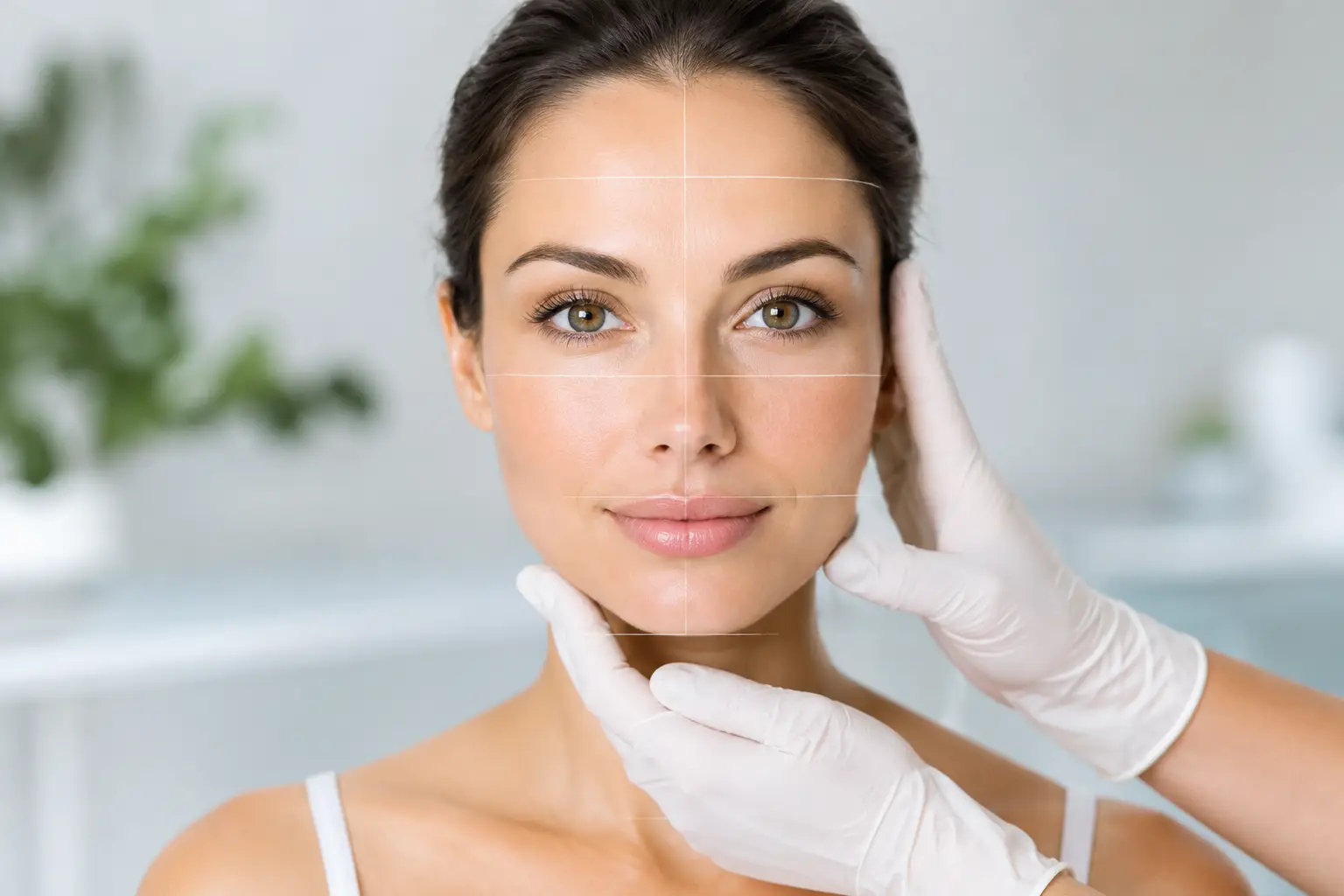
Facial contouring fillers treatment refers to the strategic placement of dermal filler in areas of the face that influence shape and definition. Rather than treating a single line in isolation, this approach looks at the face as a whole. A provider evaluates proportion, symmetry, volume loss, and how light and shadow fall across the features.
Fillers are commonly made with hyaluronic acid, a substance that naturally exists in the body. When placed with precision, they can add structure where support has weakened or create contour where the face appears flat, tired, or less defined. Depending on the product and placement, filler can lift, smooth, sharpen, or soften.
This is why facial contouring is often more artistic than people expect. It is not just about adding volume. It is about knowing where volume should and should not go.

How Facial Contouring Fillers Change the Face
Aging rarely affects one area alone. Cheeks may flatten, the jawline may lose crispness, the temples can hollow, and folds around the mouth may become more noticeable. Even younger patients who have not experienced significant aging may want stronger profile balance, more chin projection, or better cheek definition.
Facial contouring fillers work by supporting the underlying architecture of the face. In the midface, filler can restore a gentle lift and improve the transition from the lower eyelid to the cheek. Along the jawline, it can sharpen edges and reduce the appearance of early jowling. In the chin, it can improve projection and profile harmony. Around the mouth, it can soften deeper folds without making the area look heavy.
When done well, the result is usually subtle in each individual area but noticeable overall. People may say you look refreshed, more rested, or slimmer through the lower face, even if they cannot identify exactly why.
Common Areas Treated With What Is Facial Contouring Fillers
The most popular treatment areas are the cheeks, jawline, chin, temples, and under-eye region. Some clients also benefit from filler around the smile lines, marionette lines, or even the nose in select non-surgical contouring cases.
Cheek filler is often used to create gentle lift and restore youthful shape. Jawline filler can improve definition and make the lower face appear cleaner and more sculpted. Chin filler is especially helpful for patients who feel their side profile is soft or recessed. Temple filler can replace volume loss that makes the face look older or more skeletal. Under-eye filler can reduce a hollow, tired appearance, although that area requires particularly careful assessment because not every patient is a good candidate.
The right combination depends on facial anatomy. Someone who wants a better jawline may actually need support in the chin first. Someone focused on smile lines may get a more elegant result by restoring the cheeks instead of filling the fold directly. This is where medical judgment matters.
Who Is a Good Candidate?
Good candidates are adults who want more facial definition, improved balance, or soft correction of age-related volume loss without surgery. Many patients want to look fresher for work, social events, photographs, or simply for their own confidence. Others are not trying to look younger so much as more polished and rested.
The best candidates usually have realistic expectations and want natural-looking improvement rather than dramatic change. Facial contouring fillers can make a meaningful difference, but they cannot replace a surgical facelift in cases of advanced skin laxity. If heaviness, sagging, or loose skin is the main concern, a provider may recommend combining filler with other treatments or considering a different approach altogether.
Medical history also matters. Pregnancy, certain autoimmune conditions, active skin infections, or a history of severe allergic reactions may affect whether treatment is appropriate. An in-person consultation is the safest way to decide.
What to Expect During Treatment
Treatment begins with a facial assessment, not a syringe count. A qualified injector will look at how your features relate to one another, where support has been lost, and what type of correction fits your goals. Photographs may be taken to help guide planning and track results.
The procedure itself is typically performed in-office and often takes less than an hour, depending on the number of areas treated. Many fillers contain lidocaine to improve comfort, and topical numbing may also be used. Some providers use a needle, while others use a cannula in certain areas to reduce trauma and bruising.
You may see improvement immediately, but mild swelling can temporarily affect the appearance for a few days. Small bruises are possible, especially in delicate areas. Most people return to normal activities quickly, though it is common to avoid intense exercise, alcohol, and unnecessary pressure on the treated areas right after the appointment.
How Long Do Facial Contouring Fillers Last?
Results are not permanent, which is part of their appeal for many patients. Depending on the filler used, the treatment area, your metabolism, and how much product was placed, results may last anywhere from about 6 months to 18 months, and sometimes longer in structural areas like the jawline or chin.
Areas with more movement, such as around the mouth, may break down product faster. Deep structural support in the cheeks or chin may last longer. Maintenance is usually more gradual than people expect. You do not wake up one day with no result at all. Instead, the effect slowly softens over time.
The Biggest Concern: Will I Look Overfilled?
This is one of the most common fears, and it is a fair one. Overfilled results usually happen when treatment is done without restraint, without proper facial analysis, or with the idea that more filler always means a better outcome. It does not.
Natural-looking facial contouring should respect your anatomy. It should improve shape and support without making the face puffy, stiff, or unnatural. Sometimes the best treatment plan is conservative, staged over more than one visit. That allows the face to settle and lets both patient and provider assess the result with clarity.
At a physician-led practice such as Clara Medical Spa, conveniently located at the Promenade Shopping Centre, this kind of planning is central to achieving refined, balanced results. The most elegant outcomes are often the ones that look effortless.
Risks and Trade-Offs to Understand
Although filler is widely performed, it is still a medical treatment. Swelling, bruising, tenderness, and temporary unevenness can happen. Lumps, migration, or dissatisfaction with shape are also possible. Rare but serious vascular complications can occur if filler is placed incorrectly, which is why injector training and anatomical expertise are so important.
There are also aesthetic trade-offs. More volume is not always more youthful. In some faces, too much filler in the wrong area can make features look heavier rather than lifted. In others, skin quality or laxity may need separate treatment because filler alone will not create the result the patient wants.
That is why a careful consultation matters more than trends. Social media often reduces facial contouring to before-and-after excitement, but the real value is in customized treatment planning.
How to Choose the Right Provider
If you are considering facial contouring fillers, experience should carry more weight than price alone. Look for a medical setting, a provider who understands full-face assessment, and a clear philosophy around natural enhancement. Ask how they approach balance, whether they tailor treatment plans, and what they would recommend for your facial structure rather than what is popular online.
A good consultation should feel informative, not rushed. You should understand what is being treated, why it is being treated, and what kind of result is realistic. The right provider will also tell you when filler is not the best answer.
Facial contouring fillers can be a beautiful option for people who want subtle structure, softer signs of aging, and more confidence in the mirror. The best results are not about chasing a different face. They come from enhancing the one you already have with precision, restraint, and a plan designed just for you.
Explore our dermal fillers in Thornhill and see the price list.
Frequently Asked Questions
Where can I get dermal fillers in Thornhill?
Clara Medical Spa is located at 1 Promenade Cir in Thornhill, inside the Promenade Shopping Centre, and treats clients from Thornhill, Vaughan, Richmond Hill, and the greater Toronto area.
How much do dermal fillers cost at Clara Medical Spa?
Fillers start at $300 per syringe. The number of syringes depends on your goals and anatomy, and your injector will give a clear estimate at your free consultation.
What is facial contouring filler?
Filler placed to enhance structure in areas like cheeks, chin and jawline.
Is it safe?
It is a medical procedure with risks. Choose an experienced injector.
Related treatments & reading




[…] both say they want tighter skin, yet one may benefit from RF tightening while the other may need volume restoration, resurfacing, or a combination […]
[…] distinction matters. Botox does not fill the line the way a dermal filler adds volume. It addresses the underlying movement that created the line in the first place. For dynamic […]
[…] bone structure, skin thickness, and tissue support. The most satisfying outcomes are usually refined, balanced, and appropriate for […]
[…] the face changes with expression. Sometimes a subtle treatment in a supporting area, such as the chin or cheeks, creates better balance than repeatedly adding product directly to the lips or […]