
Last updated: August 11, 2026
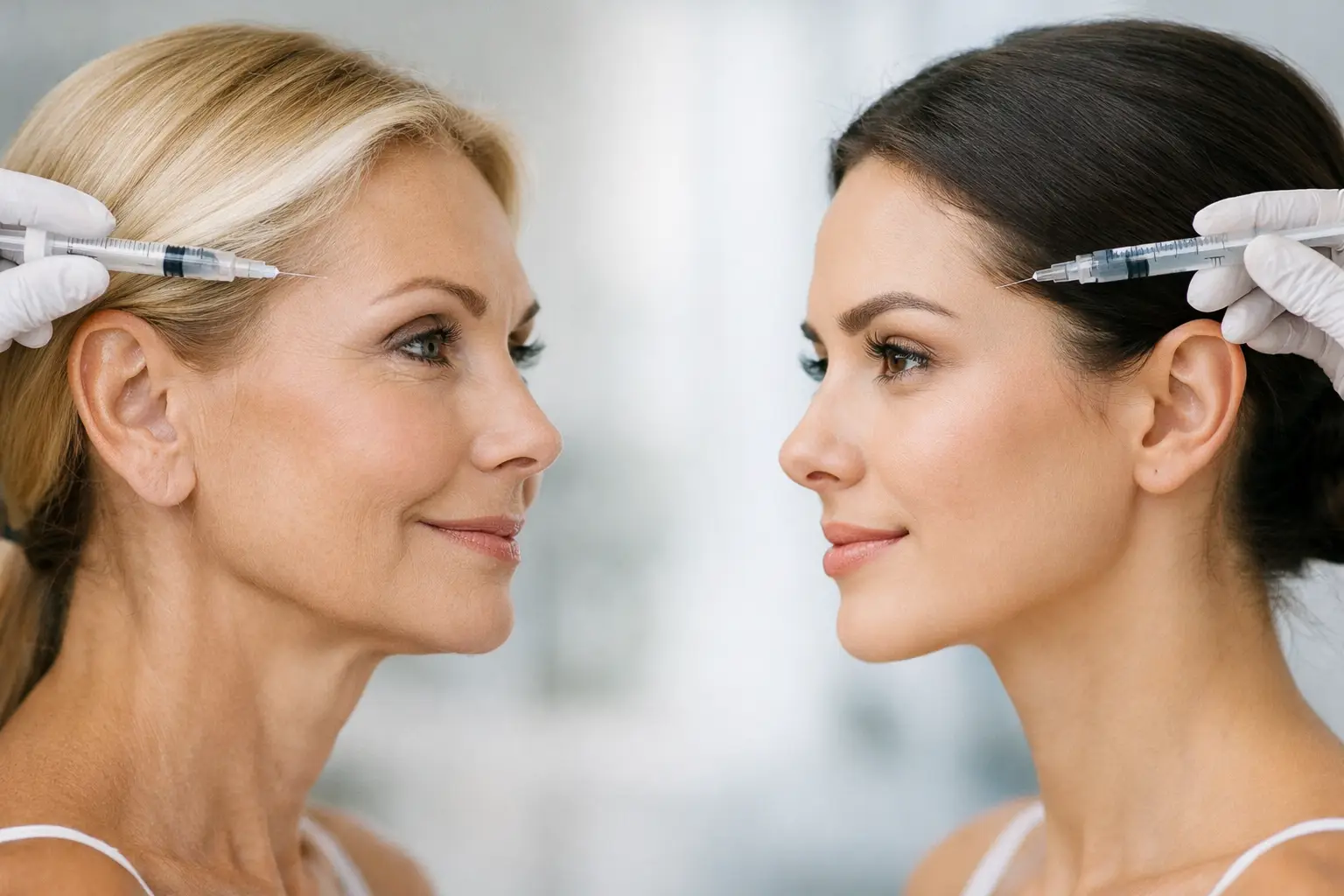
A softened frown line, a more rested expression, and movement that still looks like you – these are the details that matter when comparing Botox vs Dysport results. Both treatments can beautifully relax expression lines, but the best choice is rarely about choosing the “stronger” product. It is about matching the product, dose, and injection technique to your facial anatomy and the way you naturally express yourself.
For patients considering their first wrinkle-relaxing treatment, the two names can sound interchangeable. They are similar in many meaningful ways, yet subtle differences in onset, diffusion, dosing, and individual response can influence the final result. A personalized consultation provides the clarity that a side-by-side comparison cannot fully capture.
Botox vs Dysport Results: The Short Answer
Botox Cosmetic and Dysport are prescription neuromodulators. They use botulinum toxin type A to temporarily reduce the muscle activity that causes dynamic wrinkles – the lines formed by repeated facial expressions. Common treatment areas include the horizontal forehead lines, the “11s” between the brows, and crow’s feet around the eyes.
When administered skillfully, Botox and Dysport can both create smooth, natural-looking results. Neither should make a face look frozen when the treatment plan respects your muscle strength, facial proportions, and aesthetic goals.
The differences patients notice most often are timing and feel. Dysport may begin to show an effect a little sooner for some people, while Botox is familiar to many patients because of its long clinical history and highly established dosing patterns. Both usually reach their full effect within about two weeks, and both commonly last around three to four months. Individual metabolism, treatment area, dose, and previous treatment history all matter.
What Each Treatment Is Designed to Do
Dynamic wrinkles are different from lines that remain visible when your face is fully at rest. Botox and Dysport are especially effective for movement-related lines because they calm the underlying muscle contractions. Over time, reducing repetitive creasing can also help prevent those lines from becoming more deeply etched.
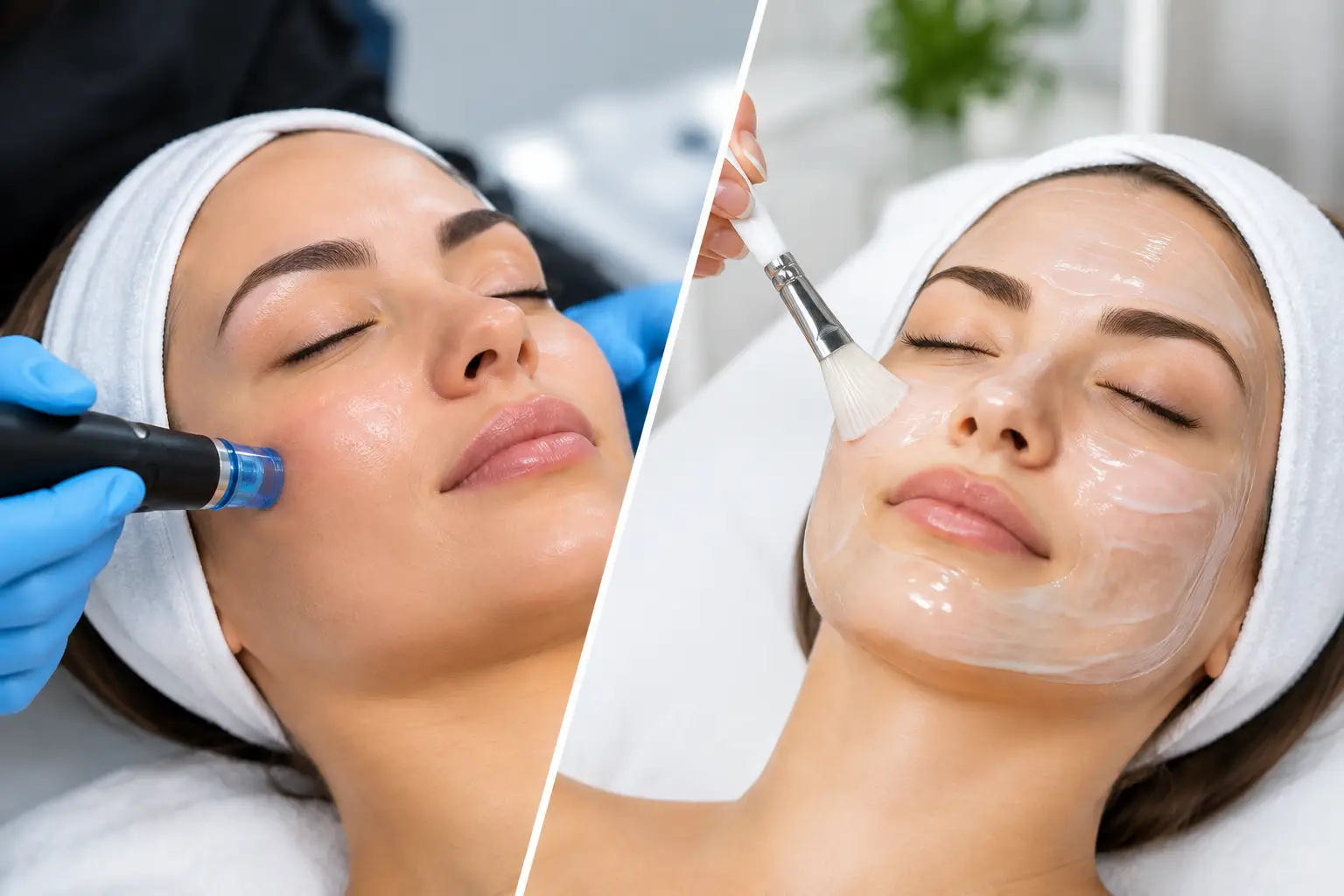
They do not replace lost facial volume, lift significant skin laxity, or erase every static wrinkle on their own. For example, a deep fold that remains at rest may benefit from a broader plan involving skin rejuvenation, filler, microneedling, or RF tightening. The most refined outcomes often come from treating the right concern with the right modality rather than expecting one injectable to address every age-related change.
Botox results
Botox Cosmetic is widely recognized for producing precise, polished results in areas such as the glabella, forehead, and crow’s feet. Many experienced injectable patients appreciate its predictability, particularly when they have found a treatment pattern that consistently suits their face.
Visible improvement often begins within several days. Results continue to develop as the treated muscles relax, with the final appearance typically assessed at the two-week mark. A thoughtful Botox treatment can preserve gentle movement while reducing the intensity of frown lines or a perpetually tired-looking expression.
Dysport results
Dysport is also designed to smooth expression lines and is frequently chosen for the frown lines between the eyebrows. Some patients notice changes as early as two to three days after treatment, although this is not guaranteed. Full results still take time to settle.
Dysport may diffuse somewhat differently in the tissue than Botox. In the hands of an experienced injector, that characteristic can be useful for treating broader muscle patterns, such as certain forehead areas. It does not automatically mean Dysport spreads too far or creates a less precise result. Placement, dilution, dose, and anatomy are what determine control.
Why Units Cannot Be Compared One for One
One of the most common sources of confusion is the number of units used. Dysport and Botox units are measured differently, so 20 units of Botox is not equivalent to 20 units of Dysport. Looking at the number alone can lead to an inaccurate comparison of strength, cost, or value.
Your provider should recommend dosing based on the treatment area, the strength of your facial muscles, your sex, your desired degree of movement, and your previous response to neuromodulators. Someone seeking a very soft, preventative result may need a different approach than someone with strong frown muscles who wants more noticeable smoothing.
A lower dose is not always more natural, and a higher dose is not automatically better. Natural results come from strategic dosing. The goal is to relax the muscles that create unwanted lines while maintaining the expressions that make your face recognizable and expressive.
Onset and Longevity: What to Realistically Expect
If you have an event this weekend, neither Botox nor Dysport should be treated as a last-minute appointment. While Dysport can begin working sooner for some patients, both treatments need time to develop, and minor bruising or swelling is possible after any injection. Scheduling at least two weeks before an important occasion is the more comfortable choice.
Most patients enjoy results for approximately three to four months. Some find that one product lasts a little longer for them, but there is no universal winner. Metabolism, activity level, treatment frequency, muscle strength, and dosage all affect longevity. With regular treatments, some patients feel that their results become easier to maintain because the targeted muscles are being trained to contract less forcefully.
It is also normal for results to fade gradually rather than disappear overnight. As movement returns, the treatment can be refreshed before lines become as prominent as they were before treatment. Your provider can help create a maintenance schedule that fits your preferences without overtreating.
Which Looks More Natural?
The most honest answer is that either Botox or Dysport can look exceptionally natural. The product is only one part of the result. The more important variables are facial assessment, injector expertise, conservative planning when appropriate, and a clear understanding of what you want to see in the mirror.
A natural result may mean different things to different people. One patient may want to keep full eyebrow movement but soften the lines it creates. Another may prefer a smoother forehead for a more polished appearance in photos. Neither preference is wrong. What matters is communicating it clearly before treatment.
During consultation, it helps to discuss whether you have had injectables before, what you liked or disliked about previous results, and whether you are concerned about a heavy brow, asymmetry, or a frozen look. Those details allow your provider to tailor placement and dosing with greater precision.
Safety and the Value of Medical Expertise
Botox and Dysport should be prescribed and injected by qualified medical professionals who understand facial anatomy and can respond appropriately to your needs. Although treatment is quick, it is still a medical procedure. A careful consultation should include your health history, medications, allergies, pregnancy or breastfeeding status, and prior aesthetic treatments.
Temporary side effects can include pinpoint redness, swelling, tenderness, headache, or bruising. Less common effects, such as eyelid or brow heaviness, can occur when treatment is not suited to the individual anatomy or when product affects an unintended muscle. Choosing an experienced provider and following post-treatment instructions help reduce these risks.
At Clara Medical Spa, treatment planning is guided by physician-led expertise, careful assessment, and an appreciation for results that look refined rather than overdone. The objective is not to change your face. It is to help you look rested, confident, and naturally refreshed.
How to Choose Between Botox and Dysport
If you have previously had excellent results with one product, staying with it can make sense. Familiarity allows your provider to refine your plan over time. If you are new to neuromodulators, either Botox or Dysport may be an appropriate choice depending on the areas being treated and your desired timeline.
Rather than asking which product is best in general, ask which product is best for your muscle pattern and goals. An injector may recommend Dysport for one area and Botox for another patient with the same concern. That is not inconsistency – it is personalization.
Bring photos of yourself at rest and while smiling or frowning if you have a specific concern. Be candid about how much movement you want to keep. The most satisfying injectable result is often subtle enough that others notice you look well, without immediately knowing why. A skilled consultation can turn that preference into a treatment plan you feel comfortable returning to.


[…] Botox vs Dysport Results: What Looks Different? […]
[…] Botox vs Dysport Results: What Looks Different? […]