
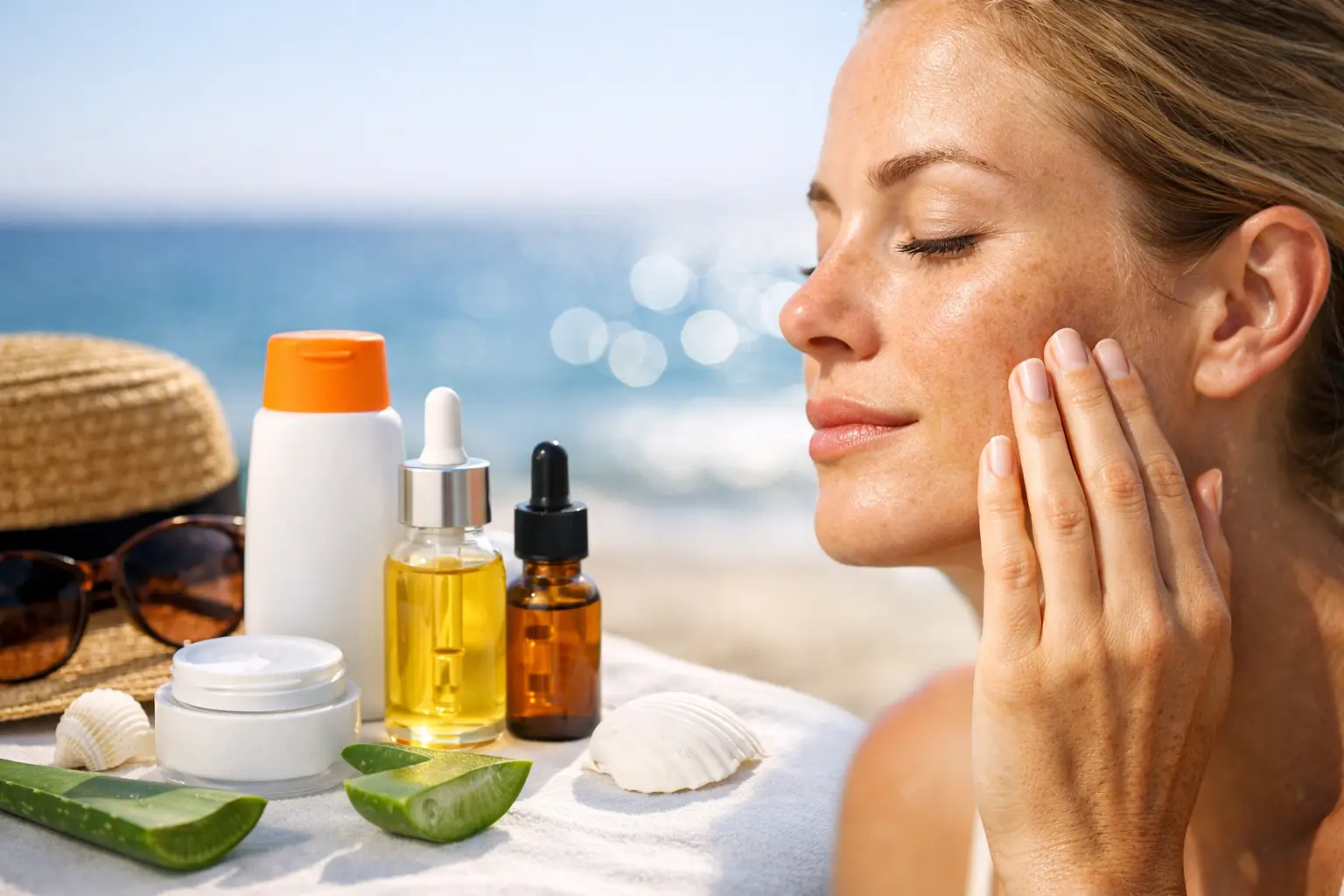
Brown spots that sit stubbornly on the cheeks, a patchy forehead, fine lines that look deeper than they used to, and uneven tone across the chest are not always simply signs of aging. They are often the visible record of cumulative UV exposure. The best options for sun damage depend on what you see in the mirror, how deeply the pigment sits in the skin, and whether your priority is brighter tone, smoother texture, or a more refreshed overall appearance.
At Clara Medical Spa in Thornhill, our sun damage and brown spot laser treatments serve clients from Thornhill, Vaughan, Richmond Hill, and across the GTA, and we can match the right option to your skin.
For many people, sun damage is not one concern with one solution. It can include freckles, sunspots, redness, rough texture, enlarged-looking pores, fine lines, and loss of firmness. A personalized treatment plan is the most reliable way to improve these concerns while keeping results natural-looking and appropriate for your skin type.
What Sun Damage Can Look Like
Ultraviolet exposure affects the skin in two main ways. UVB rays are associated with sunburn, while UVA rays penetrate more deeply and contribute to premature aging, uneven pigment, and collagen breakdown. Even when you have not had a noticeable burn, years of incidental exposure from driving, walking, outdoor activities, and daily errands can add up.
Common signs include flat brown spots, clusters of freckles, blotchy discoloration, dullness, fine lines, and a crepey texture on the face, neck, chest, and hands. Some people also notice visible broken capillaries or persistent redness. These concerns may appear together, which is why a single treatment is not always the complete answer.
Before treating new, changing, raised, itchy, or irregularly colored spots, seek an evaluation from a qualified medical professional. Cosmetic sun damage treatment is intended for benign pigmentation and texture concerns, not for diagnosing suspicious lesions.
Best Options for Sun Damage by Concern
The right approach starts with identifying the dominant issue. Pigment responds differently than rough texture, and redness requires a different strategy than fine lines. A thoughtful provider will look at your skin tone, sensitivity, history of melasma, lifestyle, and tolerance for downtime before recommending treatment.
Medical-Grade Skin Care for Daily Correction
Professional skin care is the foundation of every sun damage plan. It may not erase deeper spots overnight, but it supports cell turnover, helps prevent new discoloration, and extends the benefits of in-clinic treatments.
Vitamin C can help brighten the appearance of uneven tone and provide antioxidant support in the morning. Retinoids encourage skin renewal and can improve fine lines, texture, and discoloration over time. Depending on the concern, a provider may also recommend pigment-regulating ingredients such as hydroquinone, azelaic acid, tranexamic acid, kojic acid, or niacinamide.
Consistency matters more than having an overly complicated routine. Strong active ingredients can cause irritation when introduced too quickly, and irritation may worsen pigment in some skin types. Professional guidance helps you choose formulas and a schedule that suit your skin rather than reacting to every new trend.
Chemical Peels for Brightness and Surface Texture
A professionally selected chemical peel can be an excellent option for mild to moderate sun damage, dullness, fine lines, and superficial discoloration. Peels use carefully controlled acids to exfoliate the upper layers of skin and encourage a smoother, more even-looking complexion.
Lighter peels typically involve minimal downtime and may be performed as a series. Medium-depth options can create more noticeable peeling and require a longer recovery period, but may offer stronger correction for certain concerns. The trade-off is simple: more intensity can mean more visible improvement, but it also requires more preparation, aftercare, and careful sun avoidance.
For clients with deeper skin tones or a history of post-inflammatory hyperpigmentation, peel selection and preparation are especially important. The goal is refined, healthy-looking skin, not unnecessary irritation.
Laser Treatment for Brown Spots and Uneven Pigment
Laser-based sun damage treatment is often one of the most effective choices for distinct brown spots, freckles, and widespread photodamage. Specific wavelengths of light target excess pigment, allowing the body to gradually clear the treated discoloration while minimizing impact on surrounding tissue.
After a brown spot laser treatment, spots may temporarily darken before they fade. This is a normal part of the process for many patients, though timelines vary. Some people see a meaningful difference after one session, while others benefit from a series, particularly when pigmentation is diffuse or has accumulated over many years.
Laser treatment requires expertise because skin tone, pigment depth, and conditions such as melasma affect which device and settings are appropriate. Melasma, for example, can be triggered by heat and light, so aggressive treatment is not always the best first step. A careful consultation helps distinguish isolated sunspots from more complex pigmentation before proceeding.
Vascular Laser for Redness and Visible Vessels
If sun exposure has left your complexion looking persistently red or has made small facial vessels more noticeable, a vascular laser may be the more suitable option. Rather than targeting brown pigment, this technology targets blood vessels that contribute to redness and flushing.
Vascular laser treatments can be especially helpful around the nose, cheeks, and chin. They may also complement pigment correction when the skin has both brown spots and red discoloration. Treatment plans are often spaced several weeks apart to allow the skin to respond gradually and comfortably.
Microneedling for Texture and Fine Lines
Sun damage does more than create uneven color. Over time, UV exposure degrades collagen, which can lead to fine lines, roughness, and skin that no longer reflects light evenly. Microneedling creates controlled microchannels in the skin to stimulate a natural repair response and support collagen production.
When paired with exosome therapy, microneedling can support skin recovery and enhance the look of smoothness, radiance, and overall quality. It is particularly valuable when texture, early laxity, acne scars, and fine lines are part of the picture. It will not remove a sharply defined brown spot as directly as a pigment-targeting laser, but it can make the entire complexion look healthier and more refined.
RF Skin Tightening for Loss of Firmness
For sun-damaged skin that also feels less firm, radiofrequency skin tightening may be worth considering. Radiofrequency energy delivers heat beneath the skin’s surface to support collagen remodeling. Results develop gradually, making it an appealing option for those who want a subtle, natural-looking improvement without surgery.
RF treatments are not a replacement for laser pigment correction when brown spots are the main concern. They are better viewed as part of a broader rejuvenation plan for clients who want to address texture, fine lines, and mild skin laxity at the same time.
Why Combination Plans Often Deliver the Best Result
A polished, rested-looking complexion is rarely created by treating only one layer of sun damage. A patient may choose laser treatment for visible brown spots, microneedling for texture, and a medical-grade home routine to maintain clarity between visits. Another may begin with skin care and light peels before moving to a laser-based option.
This layered approach allows treatment to be tailored to your comfort level, schedule, budget, and desired degree of change. It also avoids the temptation to over-treat the skin in a single appointment. Healthy skin responds best to a plan that respects its recovery process.
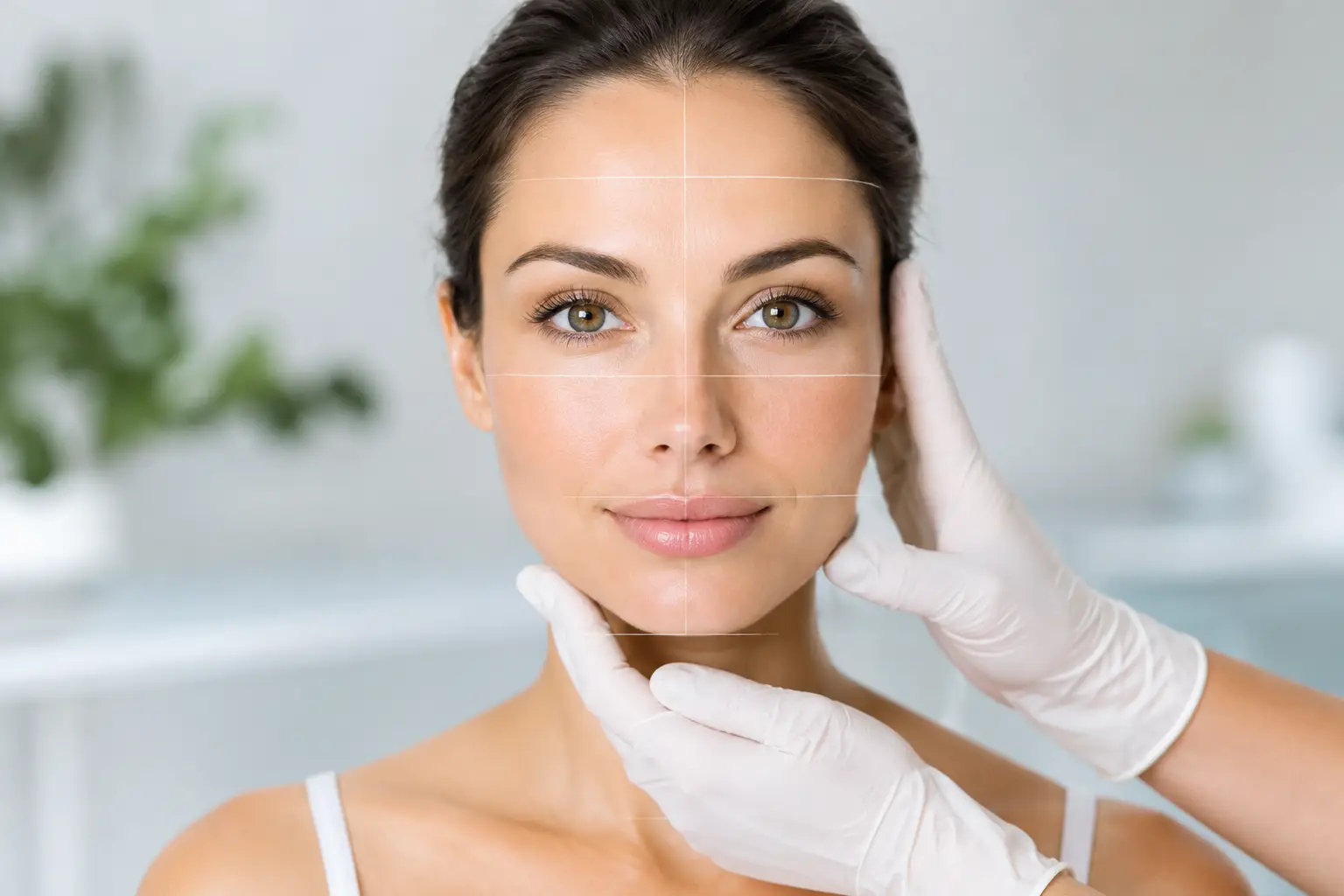
At Clara Medical Spa, physician-led assessment and personalized care help ensure that treatment choices align with your skin, goals, and preference for refined results. Whether you are new to aesthetic treatments or ready to address long-standing sun damage, the focus should be on a plan that feels clear, comfortable, and clinically appropriate.
Protecting Your Results After Treatment
No treatment can permanently stop new UV damage. Daily broad-spectrum SPF 30 or higher is essential, including on cloudy days and when sitting near windows. Reapply when spending extended time outdoors, and add practical protection such as sunglasses, a wide-brimmed hat, and shade during peak daylight hours.
After a peel, laser, or microneedling treatment, your provider may recommend temporarily simplifying your routine. Avoid picking at flaking skin, using exfoliating acids too soon, or exposing recently treated skin to direct sun. Thoughtful aftercare is part of achieving an even, beautiful result.
The most rewarding sun damage treatment is not necessarily the most aggressive one. It is the one selected for your skin, delivered with precision, and supported by habits that help your results continue to look fresh long after your appointment.
Explore our sun damage treatment in Thornhill and brown spot laser.
Frequently Asked Questions
Where can I get sun damage or brown spot treatment in Thornhill?
Clara Medical Spa is located at 1 Promenade Cir in Thornhill, inside the Promenade Shopping Centre, and treats clients from Thornhill, Vaughan, Richmond Hill, and the greater Toronto area.
How much does sun damage or brown spot treatment cost?
Brown spot and sun damage laser treatments require a free consultation, where we provide a personalized quote.
What is the best treatment for sun damage?
It depends on whether you are treating pigmentation, texture, or both. A consultation identifies the right mix.
Can sun damage be reversed?
Treatments can significantly improve its appearance, but daily sunscreen is essential to protect your results.
Related treatments & reading

[…] treatment plan should be specific. Someone hoping to brighten mild sun spots may need a very different peel from someone managing active acne or trying to improve acne scars. A […]
[…] goes beyond a short-term glow. Professional peels can be selected to address acne, post-acne marks, sun-related discoloration, uneven tone, visible pores, rough texture, and early signs of aging. Because there are different […]
[…] neck lines are accompanied by discoloration, rough texture, or visible sun damage, a provider may recommend a customized peel or laser-based rejuvenation plan. These treatments can […]
[…] Best Options for Sun Damage That Really Work […]
[…] Best Options for Sun Damage That Really Work […]