


Forehead lines can make you look tired, worried, or more serious than you feel. The good news is that it is possible to reduce forehead wrinkles without changing the expressions that make your face uniquely yours. The right approach depends on whether your lines appear only when you raise your brows, remain visible at rest, or are paired with sun damage, dehydration, or a loss of skin firmness.
At Clara Medical Spa in Thornhill, we offer Botox, Dysport, Xeomin, and Letybo to clients from Thornhill, Vaughan, Richmond Hill, and across the GTA, to soften forehead wrinkles while keeping expression natural.
At Clara Medical Spa, treatment planning begins with the details that matter: your skin quality, facial movement, anatomy, goals, and comfort level. Natural-looking rejuvenation is rarely about one treatment alone. It is about choosing the right combination at the right time.
Why forehead wrinkles develop
Forehead wrinkles are often dynamic wrinkles, meaning they form through repeated muscle movement. Every time you lift your eyebrows, concentrate, react, or express surprise, the frontalis muscle contracts and folds the skin above it. In younger skin, collagen and elastin allow those folds to smooth away quickly. Over time, the skin may not rebound as completely, and lines can become visible even when your face is at rest.
Sun exposure is a major contributor. UV radiation gradually breaks down collagen, affects texture, and can make fine lines more noticeable. Genetics, smoking, dehydration, stress, and sleep habits can also influence how early lines appear and how quickly they deepen. A strong forehead muscle may create more pronounced horizontal lines, while a naturally lower brow can make treatment planning more nuanced.
This is why a personalized assessment matters. Treating forehead lines is not simply about smoothing the skin. It also requires preserving balanced brow position and a relaxed, refreshed expression.
How to reduce forehead wrinkles with skin care
Consistent home care cannot erase deep expression lines in the same way as an in-clinic treatment, but it can improve skin texture, support collagen, and help prevent fine lines from becoming more established. Think of it as the foundation for every other result.
Daily broad-spectrum sunscreen with SPF 30 or higher is the most valuable step. Apply it every morning, including on cloudy days, and reapply when you are outdoors for extended periods. Sunglasses and hats offer additional protection and can reduce the squinting that contributes to lines around the eyes and upper face.
A nighttime retinoid can help encourage cell turnover and support collagen over time. Retinol is available in many skin care formulas, while prescription retinoids may be appropriate for some patients. Start gradually, particularly if your skin is sensitive, and pair it with a gentle moisturizer. Retinoids are not appropriate during pregnancy, so speak with a qualified provider about alternatives if needed.
Vitamin C in the morning and ingredients such as peptides, hyaluronic acid, and ceramides can complement a well-chosen routine. These products help with antioxidant protection, hydration, and a smoother-looking surface. They are supportive treatments, not instant fixes. Visible improvement from a thoughtful skin care routine usually develops over several weeks to months.
When wrinkle relaxers make the biggest difference
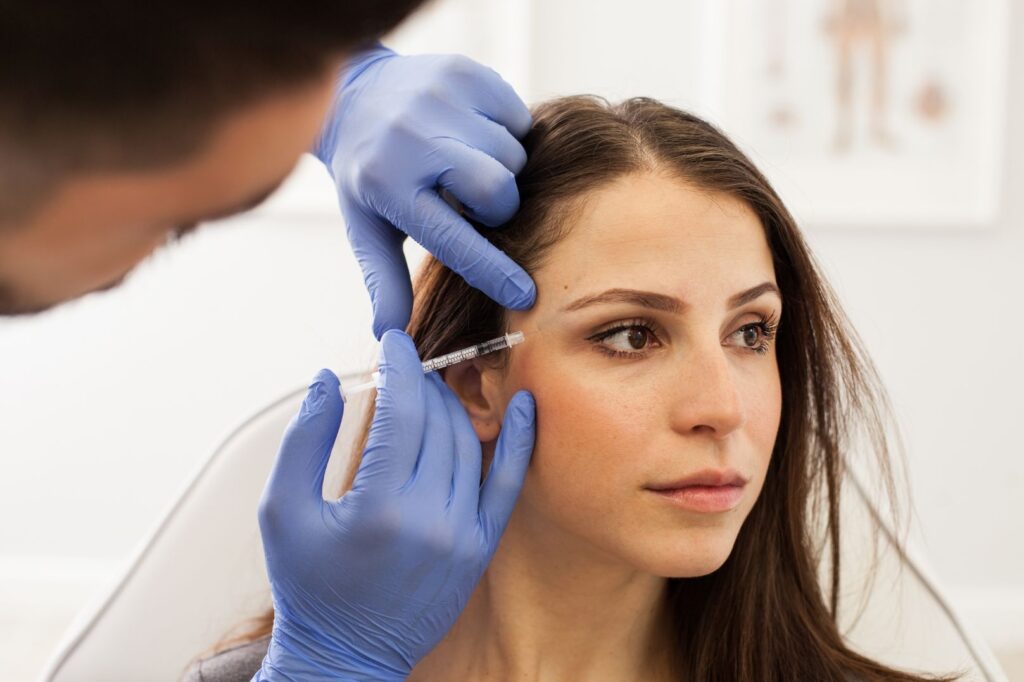
For forehead lines caused by repetitive muscle movement, wrinkle relaxer injections are often the most effective non-surgical option. Treatments such as Botox use a purified neuromodulator to temporarily reduce the muscle activity that creases the skin. When performed with precision, the result can look rested and natural rather than frozen.
A skilled injector considers much more than the lines themselves. The forehead muscle helps lift the eyebrows, so treatment must be tailored to your brow shape, eyelid position, muscle strength, and desired degree of movement. Too much relaxation or an overly uniform approach can create a heavy-looking brow. A conservative, personalized dose is often the best starting point, especially for first-time patients.
Most patients begin to notice a change within several days, with results continuing to develop over about two weeks. Results commonly last three to four months, although this varies by individual, metabolism, dose, and muscle activity. Regular maintenance may help keep dynamic lines softer and discourage them from settling more deeply into the skin.
Wrinkle relaxers work best for lines that move. If forehead creases are etched into the skin at rest, relaxing the muscle may soften them significantly, but additional skin rejuvenation can improve the overall finish.
Treating lines that remain at rest
Static wrinkles are visible even when the forehead is completely relaxed. They often reflect a combination of repeated movement, collagen loss, sun exposure, and changes in skin texture. A layered plan can be especially helpful here.
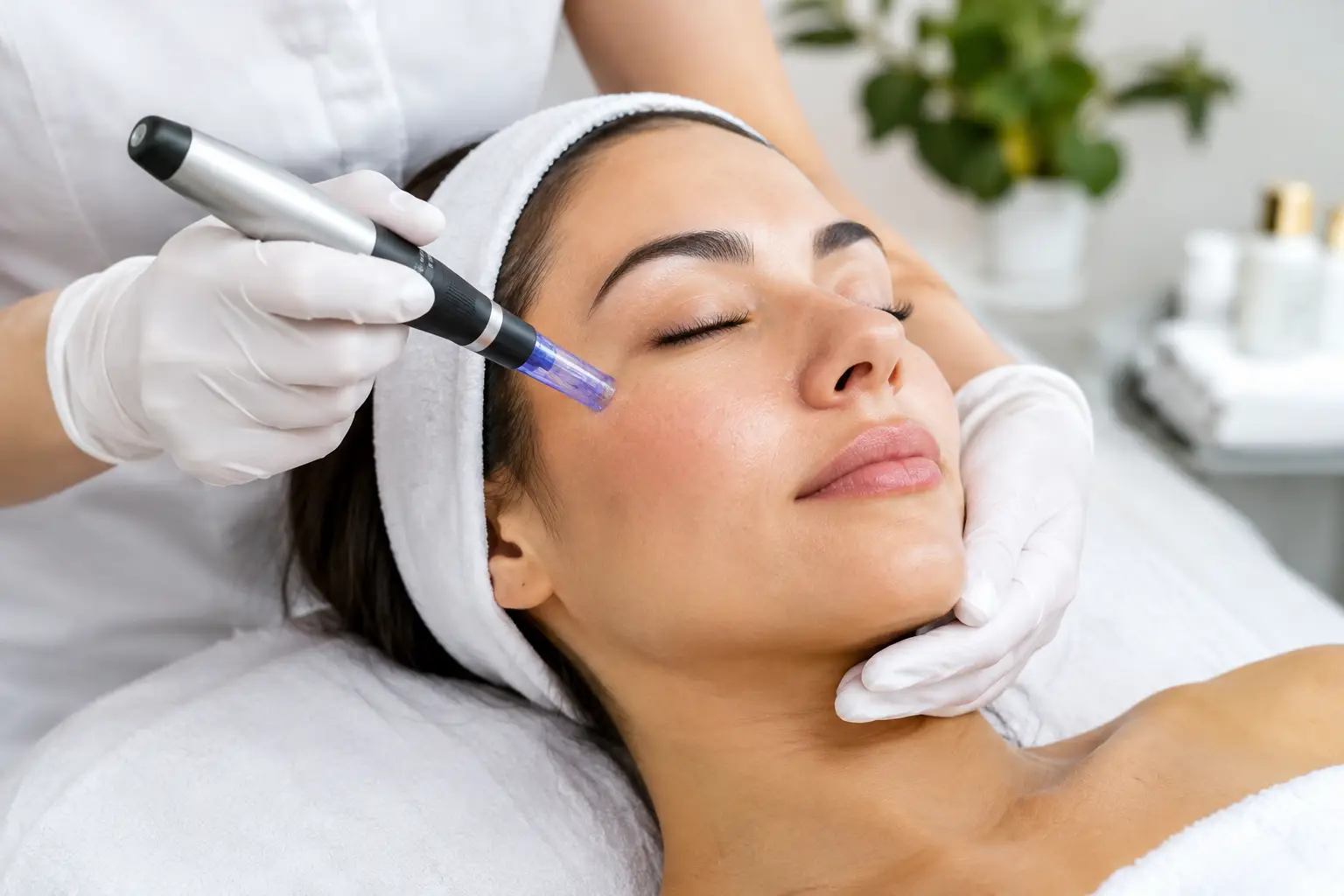
Microneedling creates controlled microchannels in the skin to support the body’s natural collagen response. When combined with exosome therapy where appropriate, it may enhance skin renewal and improve the appearance of texture and fine lines over a series of treatments. Results are gradual, which is ideal for patients who prefer subtle, progressive improvement.
Professional chemical peels can also refresh dull surface skin and address concerns such as uneven tone, mild texture, and sun-related damage. The right peel depends on your skin type, sensitivity, pigmentation history, and desired downtime. Stronger is not always better. A carefully selected treatment is more likely to deliver an even, healthy-looking result.
RF face tightening is another option for patients noticing early laxity or a loss of firmness along with forehead lines. Radiofrequency-based treatments use controlled energy to warm targeted tissue and support collagen remodeling. They do not replace wrinkle relaxers for strong expression lines, but they can complement them by improving skin quality and resilience.
In select cases, a physician-led provider may discuss filler or other advanced options. The forehead is an anatomically complex area with important blood vessels, so it should never be treated casually. Not every forehead line needs volume, and fillers are not the first choice for most dynamic forehead wrinkles. Safety, anatomy, and appropriate product selection must guide every recommendation.
Small habits that protect your results
Lifestyle choices will not stop facial movement or aging, but they can help your skin look healthier between appointments. Aim for regular sleep, adequate hydration, and a balanced diet with enough protein and antioxidant-rich foods. Avoid smoking, which accelerates collagen breakdown and can make skin appear thinner and more creased.
Try not to overuse harsh scrubs, strong acids, or multiple active ingredients at once. An irritated skin barrier can look dry, rough, and more lined. If your forehead feels tight, flakes under makeup, or becomes persistently red, simplify your routine and seek professional guidance before adding more products.
It is also worth being realistic about facial exercises and wrinkle patches. Some people enjoy them as part of self-care, but evidence that they meaningfully reverse established forehead wrinkles is limited. Patches may temporarily soften the appearance of lines by hydrating or limiting movement overnight, yet they do not offer the same lasting muscle relaxation as injectable treatment.
Choosing a treatment plan that still looks like you
The best time to seek care is not when you feel pressured to look different. It is when you want thoughtful guidance about maintaining a polished, youthful appearance on your own terms. Some patients want to prevent faint lines from becoming deeper. Others want to soften established creases before an event, while many are looking for a long-term plan that combines skin care, injectables, and collagen-supporting treatments.
During a consultation, be open about what you see in photos, what expressions you want to preserve, and whether you prefer minimal change or more noticeable smoothing. Your provider should explain the expected result, likely maintenance, possible side effects, and why a particular treatment suits your anatomy. Bruising, redness, tenderness, temporary swelling, and short recovery periods are possible with aesthetic procedures, depending on the treatment selected.
Beautiful results should feel effortless, not obvious. With physician-guided care, consistent sun protection, and treatments selected for your skin rather than a trend, forehead lines can soften while your natural expression remains beautifully your own.
Explore our Botox in Thornhill and anti-wrinkle injection services, or see the price list.
Frequently Asked Questions
Where can I get Botox in Thornhill?
Clara Medical Spa is located at 1 Promenade Cir in Thornhill, inside the Promenade Shopping Centre, and treats clients from Thornhill, Vaughan, Richmond Hill, and the greater Toronto area.
How much does Botox cost at Clara Medical Spa?
Neuromodulators are priced per unit, from $7–$8 per unit depending on the brand. Your injector will estimate the units you need at a free consultation.
Does Botox help forehead wrinkles?
Botox is commonly used to soften forehead lines caused by repeated movement. Dosing is tailored to keep expression natural.
How long does forehead Botox take to work?
Results typically begin to appear over several days, with the full effect developing afterward. Your injector will explain the timeline.
Related treatments & reading



[…] How to Reduce Forehead Wrinkles Safely […]