
Joseph Ahmadi
Medically reviewed by Dr. Mo Maghaddasi, Medical Director at Clara Med Spa.
Last updated: August 11, 2026
You usually notice Botox at two very different moments – when the smoothing first appears in the mirror, and when you start wondering if it is beginning to wear off. If you are asking how long botox lasts, the short answer is that most people enjoy results for about 3 to 4 months, but your timeline can be a little shorter or longer depending on the treatment area, dosage, muscle strength, and your own metabolism.
At Clara Medical Spa in Thornhill, we offer Botox, Dysport, Xeomin, and Letybo to clients from Thornhill, Vaughan, Richmond Hill, and across the GTA, and we can explain what affects how long your Botox lasts.
That range is helpful, but it is not the whole story. Botox does not switch off overnight. It tends to settle in gradually, peak beautifully, and then soften in stages. For anyone planning around work events, weddings, photos, or simply wanting to keep a rested and polished appearance, understanding that rhythm matters.
How long Botox lasts in most areas
In most cosmetic treatment areas, Botox lasts around 3 to 4 months. For some patients, the first treatment may wear off slightly faster. After consistent, well-timed maintenance, some people notice their results hold a bit longer because the targeted muscles are being trained to relax more regularly.
The area treated makes a difference. Forehead lines, frown lines between the brows, and crow’s feet often respond very well, but they do not always fade at exactly the same pace. Stronger muscles, especially in the glabella area between the brows, may need a precise dose and technique to create balanced, natural-looking results that last appropriately.
Smaller movement lines can sometimes stay softened longer than expected, while high-motion areas may return sooner. That is one reason a personalized treatment plan matters more than a one-size-fits-all estimate.
What affects how long Botox lasts?
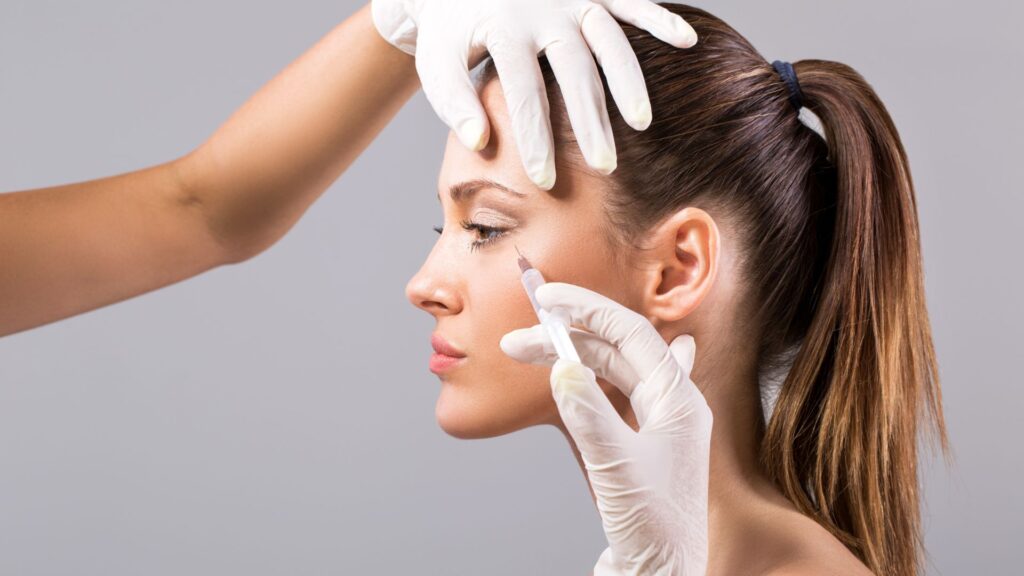
The biggest factor is muscle activity. If you naturally have strong facial expressions or very active muscles in the treatment area, Botox may wear off faster than it would for someone with softer movement patterns. This does not mean the treatment is not working. It simply means your face is dynamic, and the product is working against stronger repetitive motion.
Your metabolism can also play a role. People who are very physically active, younger patients with faster metabolic rates, or those who process neurotoxin products quickly may notice a shorter duration. On the other hand, some patients naturally enjoy longer-lasting results without doing anything special.
Dose and placement are equally important. Too little product may fade quickly or never fully relax the muscle. Too much can create a look that feels heavy or less natural. Expert injection technique is what allows the treatment to soften lines while preserving expression, and that precision often has a direct effect on how long the result remains attractive.
There is also the question of treatment history. First-time Botox patients often need to learn how their face responds. Follow-up appointments and consistent maintenance help refine the ideal timing and amount over time.
When Botox starts working and when it peaks
One common misconception is that Botox works instantly. It does not. You may begin noticing changes in 3 to 5 days, but full results usually develop in about 10 to 14 days. That means if you have an important event, waiting until the last minute is rarely the best strategy.
Peak results often arrive around the two-week mark, when muscle movement is reduced and the skin looks smoother and more refreshed. After that, the effect tends to hold steady for several weeks before very gradual movement starts to return.
This is another reason patients sometimes misjudge how long it lasted. They may count from the day of injection, but the true cosmetic effect did not fully arrive until later. In practical terms, your best-looking phase often stretches comfortably through the middle portion of that 3 to 4 month window.
How to tell Botox is wearing off
Botox usually fades in subtle ways first. You may notice that makeup starts settling back into certain lines, or that one familiar expression is becoming more visible in photos. Most patients do not wake up one day and suddenly look dramatically different. Instead, natural muscle motion slowly returns.
That gradual return is normal. In fact, many people prefer it. A soft transition tends to feel more natural and easier to maintain than a treatment that disappears abruptly. If you like a consistently smooth look, the best time to rebook is often when movement starts coming back, not after lines are fully re-established.
If you wait too long between appointments, the muscles regain full strength and the skin goes back to repeated folding. Botox can still help again, of course, but regular maintenance usually creates a more consistent cosmetic result.
How long Botox lasts by treatment area
For forehead lines, Botox often lasts about 3 months, sometimes a little longer. The forehead needs thoughtful dosing because the goal is smoothness without dropping the brows or making the upper face look stiff.
For frown lines between the brows, results can last closer to 3 to 4 months, and sometimes longer in patients who maintain treatment regularly. This area tends to be one of the strongest, so precision really matters.
For crow’s feet, Botox often lasts around 3 months. Because the eye area is expressive and constantly moving when you smile, squint, or laugh, subtle return of movement can happen a bit sooner.
Areas such as bunny lines on the nose, lip flip treatments, chin dimpling, or jawline slimming can behave differently. A lip flip, for example, often has a shorter duration than classic forehead or frown line treatment because the mouth is in near-constant motion. Masseter slimming can last longer for some patients, especially once the muscle begins to reduce in bulk over time.
Can you make Botox last longer?
You cannot force Botox to last forever, but you can help protect the quality of your results. The most effective step is choosing an experienced medical injector who understands anatomy, facial balance, and natural-looking dosing. Good placement is not just about appearance on day 10. It influences symmetry, movement, and the overall longevity of the result.
Staying on a consistent treatment schedule also helps. Many patients do best with appointments every 3 to 4 months, though some can comfortably stretch a little longer. Waiting until every line is fully back often makes the process feel less predictable.
Healthy skin care supports the overall look as well. Botox relaxes muscles, but it does not replace good skin quality. Sun protection, medical-grade skin care, hydration, and treatments that improve texture and collagen can all complement your results beautifully.
What does not help is chasing ultra-frequent injections just to stay perfectly frozen. More is not always better. Elegant, natural results come from timing, restraint, and an individualized plan.
Why some people say Botox did not last
Sometimes Botox truly wears off earlier than expected. More often, there is a mismatch between expectations and reality. A patient may expect six months of completely motionless skin from a dose designed to create a softer, more natural finish. Or they may compare their experience to someone treated in a different area with a different muscle pattern.
Another possibility is that untreated skin concerns are being blamed on Botox. Dynamic lines caused by movement respond well to neuromodulators. Static lines, deeper etched lines, skin laxity, or volume loss may need a different approach, such as skin rejuvenation, resurfacing, or filler. A polished result often comes from combining treatments thoughtfully rather than expecting one product to do everything.
This is where a physician-led consultation becomes especially valuable. At Clara Medical Spa, treatment planning is designed around your anatomy, your goals, and the kind of result you want others to notice only as refreshed, not done.
Is it better to get Botox before it fully wears off?
For many patients, yes. There is a sweet spot where some movement is returning, but the muscles have not fully resumed their strongest pattern. Treating at that stage often helps maintain smoother results with consistency.
That said, there is no universal rule. Some people prefer a very polished look year-round and return like clockwork. Others are comfortable with a more flexible schedule and touch up only before major events or when lines become more noticeable again. Neither approach is wrong. It depends on your goals, budget, and how visible those changes feel to you.
A refined Botox plan should fit your life, not the other way around. The right timing is the one that keeps you looking naturally refreshed and feeling confident each time you catch your reflection.
Explore our Botox in Thornhill and anti-wrinkle injection services, or see the price list.
Frequently Asked Questions
Where can I get Botox in Thornhill?
Clara Medical Spa is located at 1 Promenade Cir in Thornhill, inside the Promenade Shopping Centre, and treats clients from Thornhill, Vaughan, Richmond Hill, and the greater Toronto area.
How much does Botox cost at Clara Medical Spa?
Neuromodulators are priced per unit, from $7–$8 per unit depending on the brand. Your injector will estimate the units you need at a free consultation.
What affects how long Botox lasts?
Dose, treatment area, muscle strength and metabolism all play a role.
When should I book my next Botox appointment?
Your injector will advise a schedule that keeps results natural.
Related treatments & reading

[…] and how much movement the area gets. In the cheeks, results often last longer than they do in more mobile areas such as the lips. Many patients enjoy improvement for several months to well over a […]
[…] most patients, results last around three to four months, although this can vary based on metabolism, dosing, muscle strength, and previous treatment […]
[…] within several days, with results continuing to develop over about two weeks. Results commonly last three to four months, although this varies by individual, metabolism, dose, and muscle activity. Regular maintenance may […]
[…] How Long Botox Lasts and What Affects It […]
[…] How Long Botox Lasts and What Affects It […]