
Joseph Ahmadi
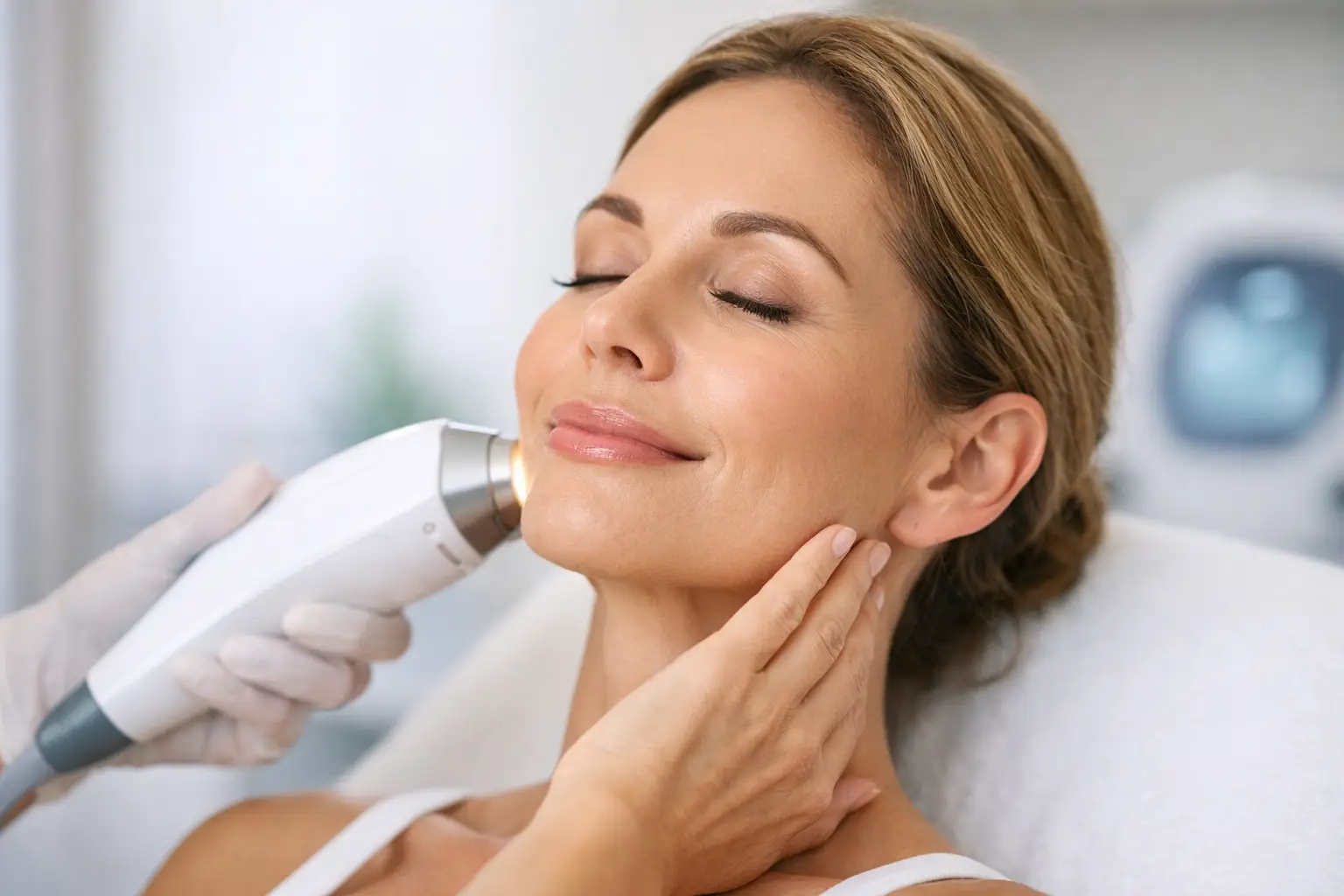
A softer jawline in photos, creasing around the mouth, or skin that no longer feels as firm as it once did can be subtle changes, yet they often affect how confident you feel. Skin tightening offers a non-surgical way to address mild to moderate laxity, helping the face, neck, and certain body areas look smoother, more refined, and naturally refreshed without changing what makes you look like you.
The right treatment is not about chasing an overdone result. It is about supporting the skin’s own structure with thoughtful technology, precise technique, and a plan suited to your concerns. For many clients, that means a firmer appearance that still looks entirely natural.
What Causes Skin Laxity?
Firm, resilient skin depends largely on collagen and elastin. Collagen provides supportive structure, while elastin helps skin rebound after movement. Beginning as early as our 20s, the body gradually produces less of both. Over time, sun exposure, weight changes, genetics, stress, and lifestyle habits can make that loss more visible.
The result may appear as loose skin along the lower face, early jowling, fine lines, a less-defined neck, or crepey texture around the eyes, arms, abdomen, or knees. Skin laxity is not always about age. Some people notice it after pregnancy or significant weight loss, while others are simply genetically prone to softer facial contours.
Topical skincare can support hydration and help maintain skin quality, but it cannot fully rebuild deeper structural support. Professional skin tightening treatments work at a deeper level to encourage collagen remodeling, which is why they can create more meaningful improvement for appropriate candidates.
How Non-Surgical Skin Tightening Works
Most advanced skin tightening treatments use controlled energy to gently heat targeted layers of the skin. That thermal energy stimulates the body’s natural wound-healing response, encouraging new collagen formation over time. Depending on the technology and treatment area, it may also create an immediate contraction of existing collagen fibers.
Radiofrequency, often called RF, is a widely used option for facial tightening because it can safely deliver heat into the deeper dermis while protecting the skin’s surface. The treatment is designed to improve firmness and texture gradually, with minimal interruption to a busy routine.
The key word is gradually. Collagen regeneration takes time. While some clients notice a healthier, more lifted look soon after treatment, the most visible changes commonly develop over several weeks to months as new collagen matures. This slower progression is also one reason results can look so natural.
What Areas Can Be Treated?
Skin tightening is highly versatile, but the best approach depends on the degree of laxity and the quality of the skin. Common treatment areas include the cheeks, jawline, under-chin area, neck, forehead, abdomen, upper arms, thighs, and knees.
A treatment plan for the face may focus on restoring definition at the jawline and improving fine creping at the neck. A body-focused plan may prioritize texture and mild looseness following weight changes. During a professional consultation, the provider evaluates not only the area of concern but also the skin thickness, underlying fat, facial balance, and your desired level of improvement.
Is Skin Tightening Right for You?
Non-surgical treatments are often best for people with mild to moderate skin laxity who want visible refinement without surgery or extensive downtime. They can be an excellent option for clients beginning to notice early changes and for those who want to maintain the results of other aesthetic treatments.
It is also important to have realistic expectations. Energy-based treatments can improve skin firmness and contour, but they do not produce the same degree of correction as a surgical facelift, neck lift, or body lift. When loose skin is significant, surgery may be the more effective route. An experienced provider should be direct about that distinction rather than promise results a treatment cannot deliver.
Skin tightening can be especially valuable when the goal is prevention and maintenance. Treating early laxity may help preserve a more defined appearance before deeper folds and significant tissue descent develop. The ideal time to begin is not determined by a number on a birthday cake. It is when you notice a concern and want informed guidance on your options.
Why Personalized Treatment Planning Matters
No two faces age in exactly the same way. One client may need more attention around the jawline, while another is primarily concerned with crepey neck skin or loss of cheek support. The same is true for body treatments, where skin quality, body composition, and the location of laxity all influence what will work best.
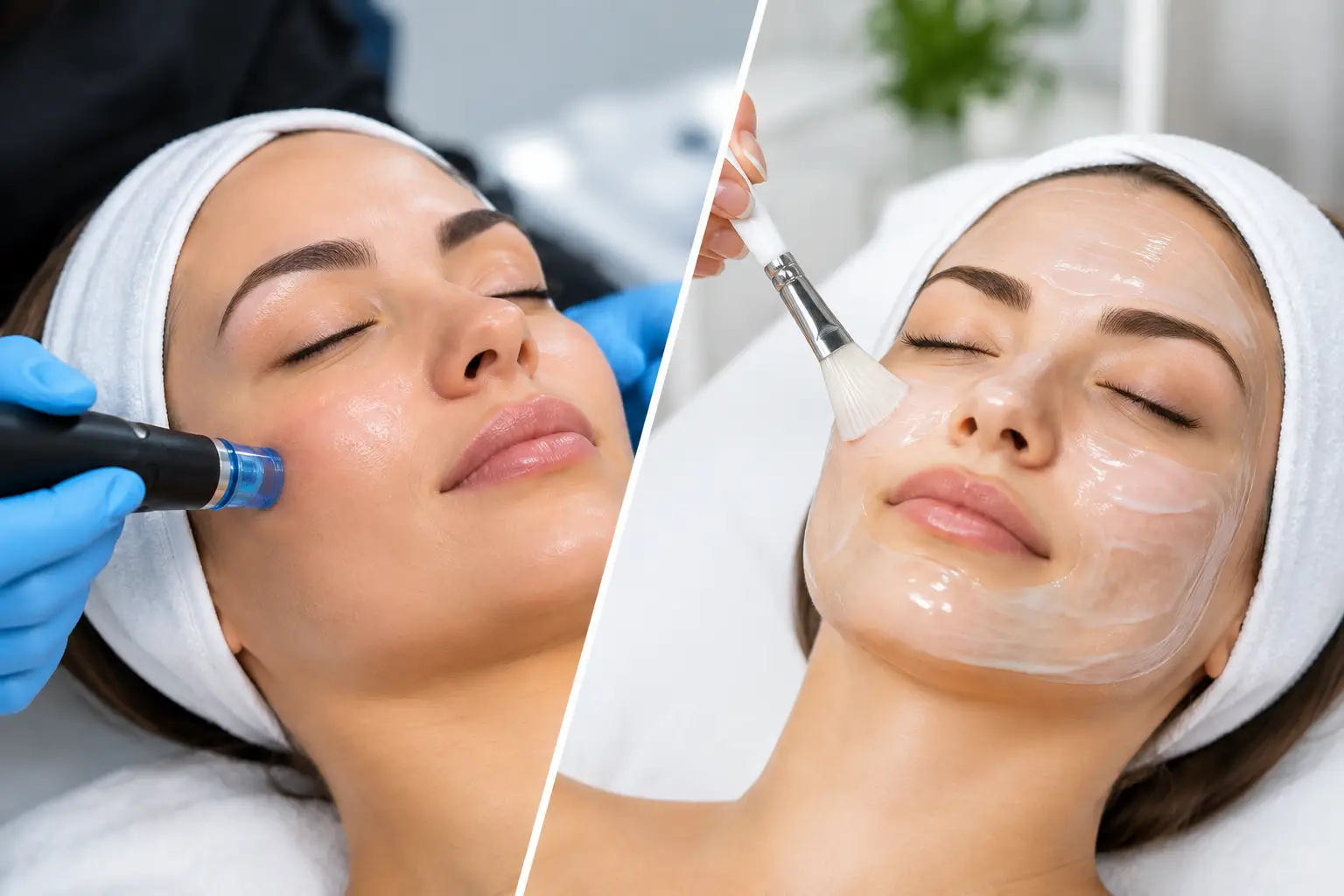
For that reason, a thoughtful plan may include more than one treatment modality. RF face tightening may be paired with microneedling to address both deeper firmness and surface texture. Injectable treatments can sometimes complement skin tightening when volume loss is contributing to a tired or less-supported appearance. For under-chin fullness, contouring treatments may be considered alongside tightening to better define the profile.
This is not about adding treatments unnecessarily. It is about recognizing that laxity, volume loss, wrinkles, pigmentation, and uneven texture are different concerns. Treating the right concern with the right approach generally produces a more balanced and beautiful result than relying on one treatment for everything.
Comfort, Downtime, and Treatment Frequency
Many clients choose non-surgical skin tightening because it fits more easily into everyday life. Treatment sensations vary by technology and area, but are commonly described as warmth or brief pulses of heat. Your provider should monitor comfort throughout the session and adjust settings when appropriate.
Downtime is usually limited. Mild redness, temporary warmth, or slight swelling may occur, particularly with facial treatments, but these effects often resolve quickly. You may be advised to avoid intense exercise, excess heat, or active skincare ingredients for a short period, depending on the procedure performed.
A series of treatments is often recommended for optimal collagen stimulation. The exact number and spacing depend on the device, the area being treated, your starting point, and your goals. Maintenance sessions may help sustain results as the natural aging process continues.
Supporting Your Results Between Treatments
Clinical treatments create an opportunity for improvement, but daily habits play a meaningful role in protecting your investment. Consistent sunscreen use is essential, as ultraviolet exposure accelerates collagen breakdown and can work against the progress you are trying to achieve.
A well-chosen home skincare routine can also support treatment results. Ingredients such as retinoids, peptides, antioxidants, and hydrating barrier-supporting products may be appropriate, although recommendations should be tailored to your skin sensitivity and current regimen. Avoid assuming that stronger is better. Irritation can compromise the skin barrier and make the complexion look less healthy.
Stable weight, adequate hydration, quality sleep, and avoiding smoking also support skin health. None of these habits can stop aging, but together they create a better foundation for long-lasting, polished results.
Choosing a Provider You Can Trust
The quality of a skin tightening treatment depends on more than the device. Proper assessment, safe settings, knowledge of facial anatomy, and an artistic understanding of proportion all influence the outcome. A physician-led medical aesthetics practice can offer valuable reassurance, particularly when combining treatments or addressing more complex concerns.
At Clara Medical Spa, personalized planning is central to achieving results that feel refined rather than obvious. A consultation is the time to discuss what you see in the mirror, what has changed over time, and what level of improvement would make you feel most confident. You should leave with a clear understanding of the expected benefits, timeline, and alternatives.
Beautiful results rarely come from trying to erase every line or tighten every inch of skin. They come from choosing care that respects your features, supports healthy-looking skin, and helps you look rested, confident, and like yourself.