
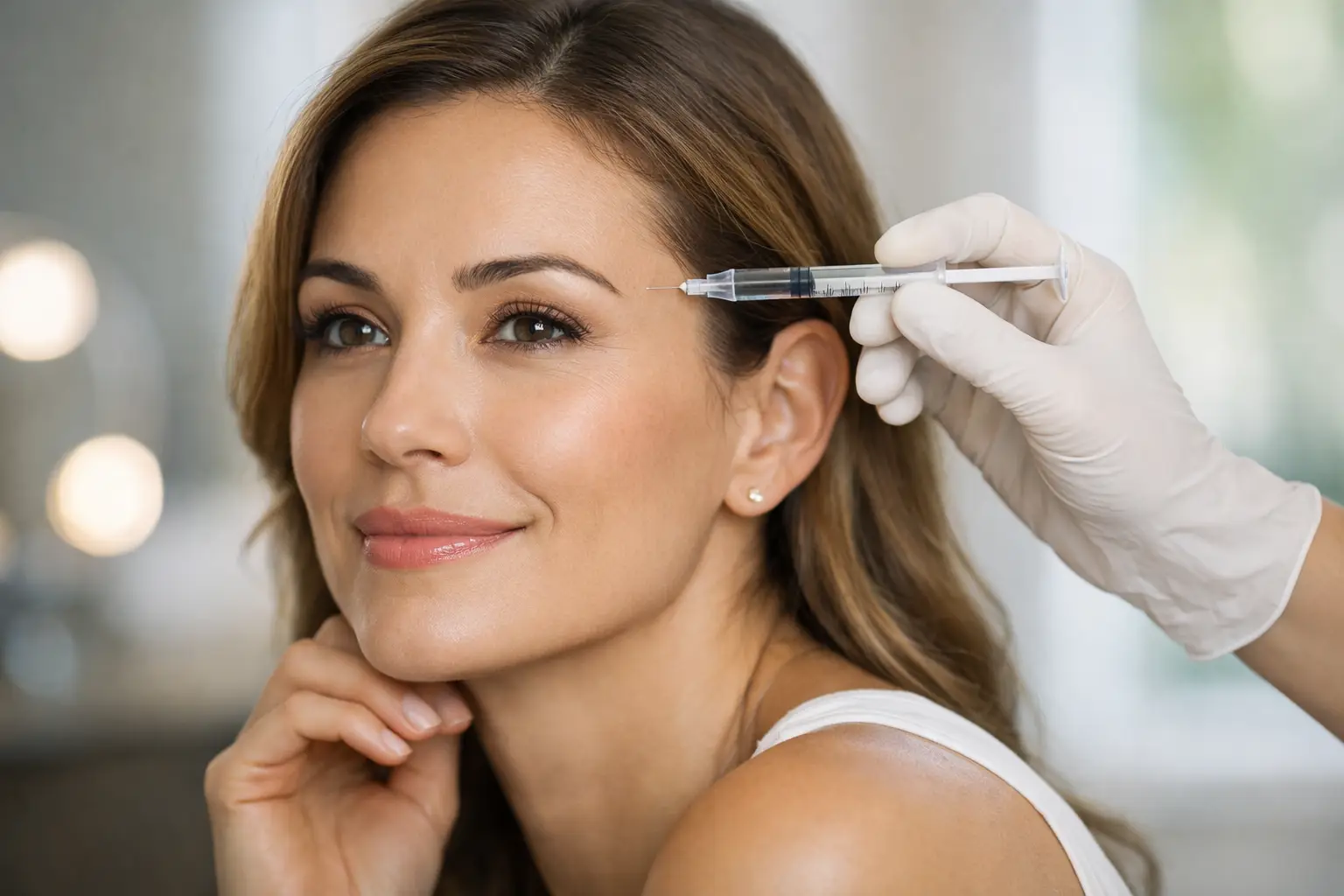
A faint line between the brows at the end of a long day may be completely invisible by morning. Or it may remain, even when your face is at rest. That small distinction matters when you are asking, when should you start botox? The right answer is not tied to one birthday, a trending age, or what someone else in your social circle is doing. It is about your facial movement, skin quality, aesthetic goals, and the skill of the medical provider creating your plan.
At Clara Medical Spa in Thornhill, we offer Botox, Dysport, Xeomin, and Letybo to clients from Thornhill, Vaughan, Richmond Hill, and across the GTA, to help you decide whether and when to start.
Botox Cosmetic can soften the appearance of expression lines while preserving the natural character of your face. When thoughtfully placed, it should not make you look unlike yourself. It should help you look rested, refined, and beautifully well cared for.
When Should You Start Botox? Look Beyond Your Age
Many people first consider Botox in their late 20s or 30s, when repetitive facial expressions begin creating fine lines that linger after the expression is gone. Common concerns include horizontal forehead lines, the vertical lines between the brows, and crow’s feet around the eyes. However, there is no universal “right age” to begin.
Some patients develop noticeable lines earlier because of genetics, expressive facial movement, frequent sun exposure, smoking history, or naturally thinner skin. Others may not see resting lines until their 40s or later. A patient in their 20s with strong frown muscles and early etched lines may be an appropriate candidate, while someone of the same age with smooth skin at rest may prefer to focus on sunscreen, medical-grade skincare, hydration, and skin rejuvenation treatments instead.
Starting Botox is not about trying to erase every movement. It is about deciding whether a particular line, expression, or prevention goal is worth treating at this point in your life.
The Difference Between Dynamic and Resting Lines
Understanding the type of lines you see can make the decision much clearer.
Dynamic lines appear with expression
Dynamic lines are visible when you smile, squint, raise your eyebrows, or frown. They are caused by repeated muscle contractions. Botox works by temporarily relaxing targeted muscles, which reduces the pull that creates these expression lines.
If lines appear only while you are expressive and disappear at rest, Botox may be used conservatively to soften movement and help prevent those lines from becoming more established over time. This is often what people mean when they talk about preventive Botox.
Resting lines remain when your face is relaxed
Resting lines are visible even when you are not making an expression. They often develop after years of repetitive movement, combined with changes in collagen, elastin, hydration, and sun damage. Botox can still improve the appearance of these lines by reducing the movement that continues to deepen them, but it may not erase them completely on its own.
For deeper resting lines, the most natural-looking plan may combine Botox with treatments that support skin quality, such as microneedling, chemical peels, laser rejuvenation, or RF skin tightening. The goal is to address both the movement beneath the line and the texture of the skin above it.
Signs You May Be Ready for a Botox Consultation
You do not need to wait until wrinkles feel severe to speak with an experienced injector. A consultation can be useful if you have noticed that makeup settling into forehead lines bothers you, you look tired or tense because of a persistent frown, or you find yourself raising your brows to open your eyes in photos.
You may also be ready if expression lines remain visible after your face relaxes, or if you want a subtle preventive approach before those lines deepen. For some patients, Botox is less about looking younger and more about looking less stressed, less stern, or more refreshed.
The decision should always feel personal. Botox is optional aesthetic care, not a requirement of aging gracefully. A well-designed treatment plan respects your features, your comfort level, and your definition of natural beauty.
Why Starting Too Early Is Not Always Better
The idea that everyone should begin Botox at 25 is overly simplistic. Preventive treatment can be appropriate for certain patients, but treating an area that has no meaningful concern may offer little benefit. More treatment is not automatically better treatment.
A careful provider evaluates how your muscles work together. For example, the forehead and brow area requires precision because overly relaxing one muscle group can affect brow position or make the forehead feel less expressive. The right dose depends on muscle strength, facial anatomy, sex, prior treatment history, and how much movement you want to retain.
Conservative dosing can be an excellent starting point for first-time patients. It allows you to see how your face responds and whether you enjoy the refreshed effect, without making a dramatic change. At Clara Medical Spa, physician-led care and personalized assessment help ensure that treatment is based on your face, not a one-size-fits-all formula.
What Botox Can and Cannot Do
Botox is highly effective for lines caused by muscle movement. It is often used in the forehead, glabella or “11 lines” area, and around the eyes. Depending on your needs, it may also be considered for concerns such as a gummy smile, jaw tension, chin dimpling, neck bands, or downward pull at the corners of the mouth.
However, Botox does not replace lost facial volume, tighten significant loose skin, remove pigmentation, or correct every type of wrinkle. If hollowing in the cheeks or under-eyes is the main concern, dermal filler or collagen-stimulating treatments may be more appropriate. If sun spots, acne scars, or uneven texture are the issue, laser or skin resurfacing options may offer greater value.
This is why a consultation matters. The best treatment is not simply the most popular one. It is the one that addresses the reason you are seeing a change in the first place.
What to Expect From Your First Treatment
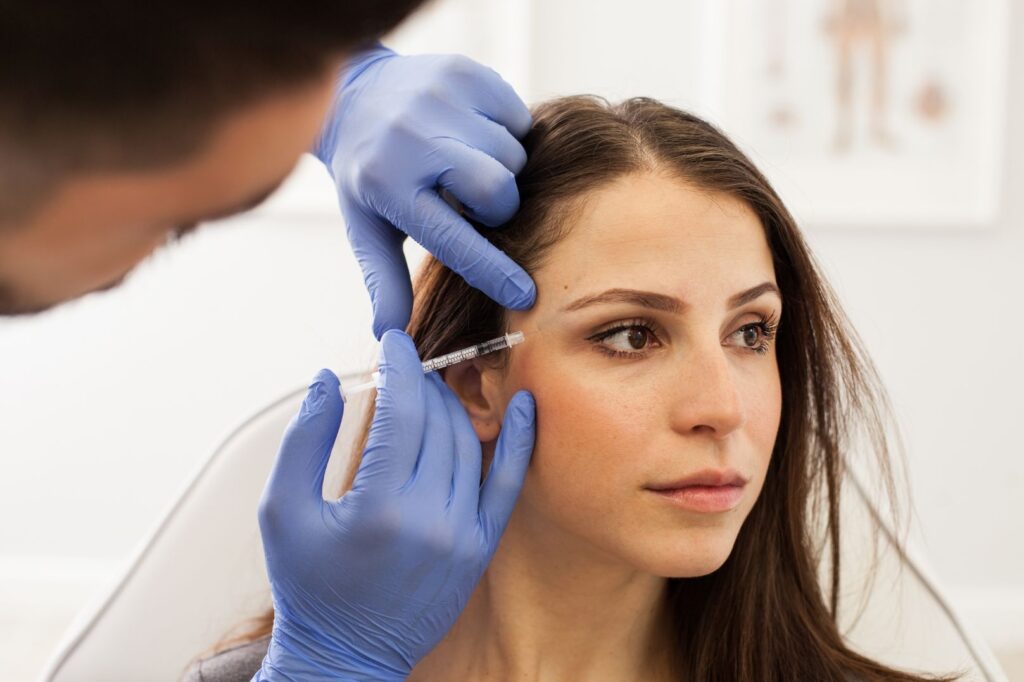
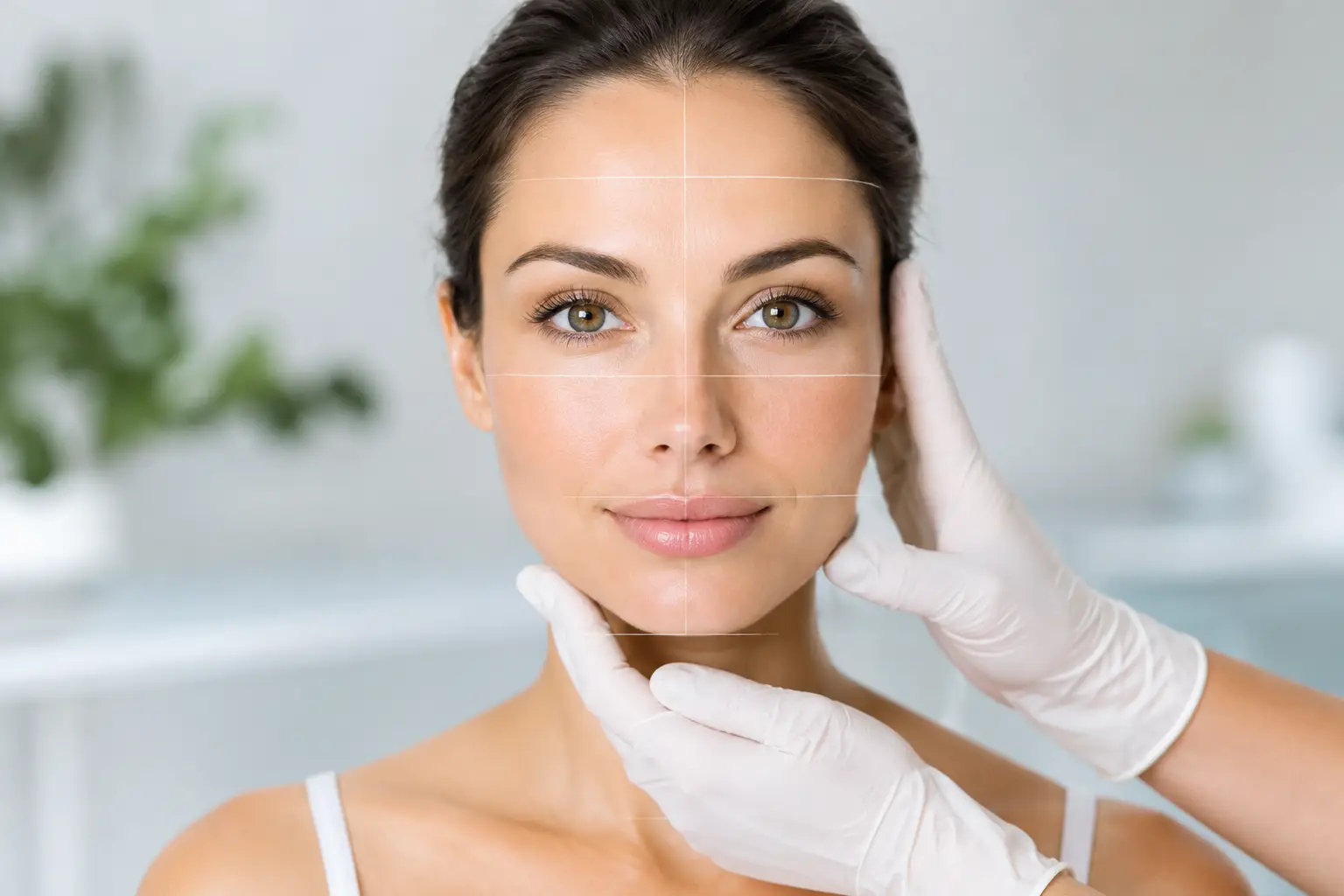
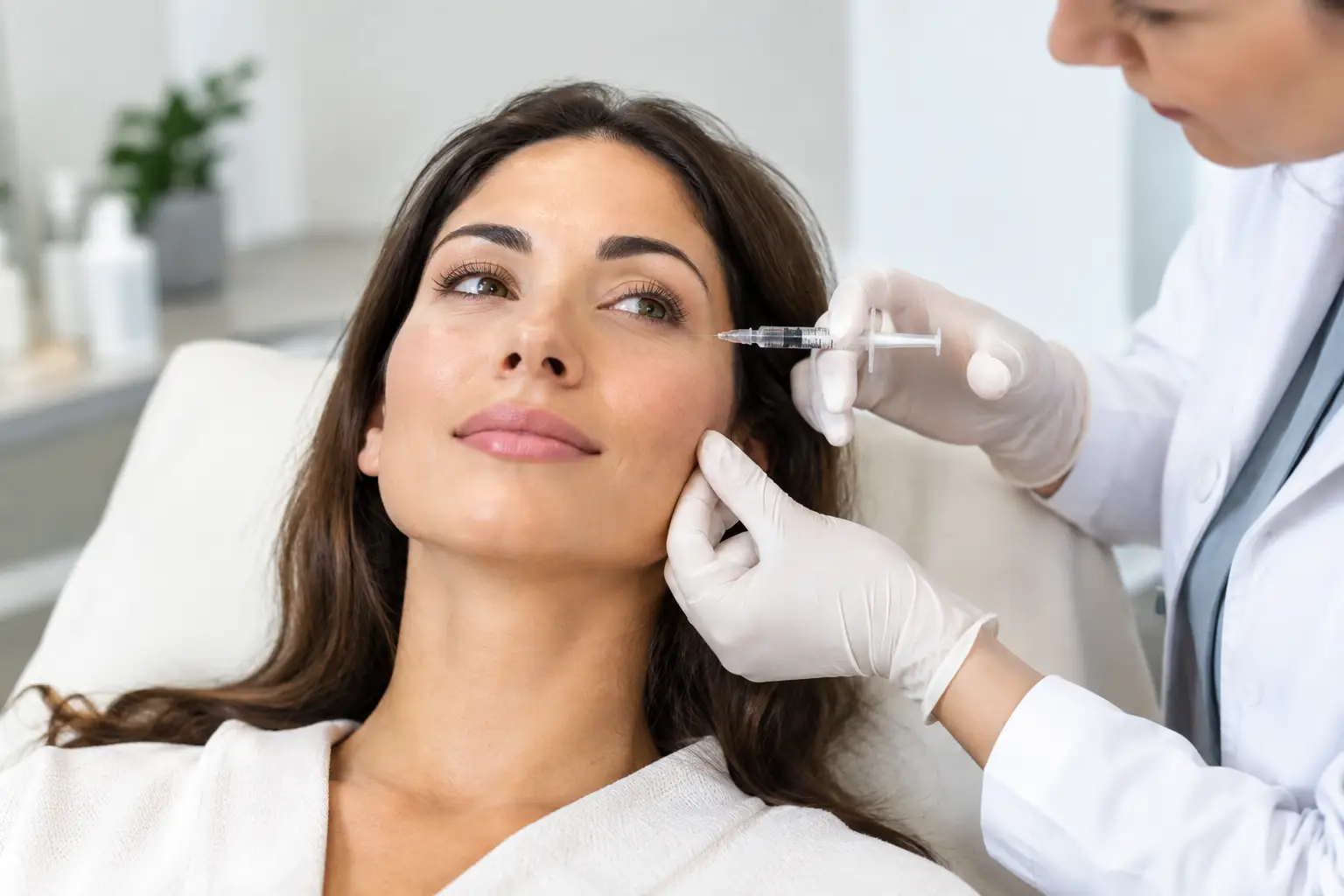
A professional Botox appointment begins with a discussion of your goals, health history, prior cosmetic treatments, and any medications or conditions that may affect your candidacy. Your provider should assess your face at rest and in motion, rather than marking injection points from a standard diagram.
The injections themselves are quick and typically feel like small pinches. Mild redness, tiny bumps at the injection sites, or minor bruising can occur, but these effects are usually temporary. Most people return to their normal routine immediately, though your provider will give specific aftercare instructions.
Results do not appear instantly. Many patients begin to notice a change within several days, with the full effect generally visible around two weeks. Botox results commonly last about three to four months, although metabolism, dosage, treatment area, and individual muscle activity can influence longevity.
A first appointment should also include a plan for follow-up. It is better to assess your result after it has fully settled than to judge it too soon. If appropriate, a small adjustment can be made with the same attention to balance and restraint.
Choosing a Provider for Natural Results
The quality of your Botox result depends on more than the product. It depends on the person evaluating your anatomy, selecting the dose, and placing each injection. Seek a qualified medical aesthetics provider who listens carefully, explains realistic outcomes, and is willing to recommend against treatment when it is not the right fit.
Ask how the provider approaches first-time Botox, how they preserve natural expression, and what follow-up process they use. You should feel comfortable voicing concerns about looking frozen, overly arched, or different from yourself. A skilled injector welcomes that conversation because natural-looking results are created through collaboration.
There is no prize for starting Botox at the earliest possible age, and no deadline for beginning later in life. The best time is when your concerns are clear, your expectations are realistic, and you can choose a provider whose clinical judgment makes you feel confident. A personalized consultation can turn an uncertain question into a treatment plan that feels considered, comfortable, and entirely your own.
Explore our Botox in Thornhill and anti-wrinkle injection services, or see the price list.
Frequently Asked Questions
Where can I get Botox in Thornhill?
Clara Medical Spa is located at 1 Promenade Cir in Thornhill, inside the Promenade Shopping Centre, and treats clients from Thornhill, Vaughan, Richmond Hill, and the greater Toronto area.
How much does Botox cost at Clara Medical Spa?
Neuromodulators are priced per unit, from $7–$8 per unit depending on the brand. Your injector will estimate the units you need at a free consultation.
Is there a right age to start Botox?
There is no single right age. Timing depends on your expression lines, goals, and preferences, which a consultation can assess.
Can starting Botox early prevent wrinkles?
Some people choose Botox as preventative care because it relaxes the muscles that create expression lines, but it is a personal decision and results vary.
Related treatments & reading

[…] When Should You Start Botox? A Personal Answer […]
[…] When Should You Start Botox? A Personal Answer […]