

A beautifully refreshed result should still look like you. That is why learning how to choose injectable providers is more consequential than choosing a treatment from a menu or following a social media trend. Botox and dermal fillers can soften lines, restore balance, and enhance facial contours with remarkable subtlety, but the quality of the outcome depends heavily on the person assessing and treating your face.
The right provider sees more than a wrinkle, a hollow, or a lip shape. They consider your anatomy, skin quality, facial movement, medical history, goals, and the way each area relates to the whole face. This level of care helps create results that look polished and natural, not overdone or generic.
Choose Injectable Providers Based on Credentials First
Injectables are medical treatments, not retail beauty services. Before discussing units, syringes, or special offers, confirm who will perform your treatment and what qualifications they hold. A reputable practice should be clear about whether your injector is a physician, nurse practitioner, physician assistant, registered nurse, or another properly licensed medical professional permitted to administer injectables in your area.
Credentials matter because injectables require an understanding of facial anatomy, vascular pathways, product behavior, contraindications, and complication management. Training should extend beyond a basic certification course. Look for a provider who performs injectables regularly, pursues ongoing education, and works within an appropriate medical setting with clinical oversight.
Experience is equally important, but ask about the kind of experience. A provider who is skilled in neuromodulators may not necessarily have the same depth of expertise with cheek filler, under-eye concerns, lip enhancement, jawline contouring, or corrective work. Every area presents different aesthetic and anatomical considerations.
You do not need to interrogate your injector, but you should feel comfortable asking direct questions: How long have you been treating patients? Which injectable treatments do you perform most often? Who oversees the practice medically? What is your protocol if there is an adverse reaction? Clear, confident answers are reassuring. Vague answers are not.
Look for Aesthetic Judgment, Not Just Technical Skill
A technically correct injection can still be aesthetically disappointing if the plan does not suit the patient. The most desirable results often come from restraint, proportion, and a provider who knows when less is more.
During your consultation, notice whether the provider studies your face at rest and in motion. For Botox or similar neuromodulators, facial movement matters. The goal may be to soften expression lines while preserving a relaxed, approachable expression. For filler, the provider should assess structural support, symmetry, profile balance, and tissue quality rather than simply placing volume where you point.
Photos can be useful, but they should be viewed thoughtfully. Look for before-and-after images that show a range of ages, facial shapes, and concerns. The best portfolios feature consistent, refined work rather than dramatic transformations alone. Pay attention to details: Are lips still proportionate to the face? Do cheeks look lifted rather than puffy? Are jawlines defined without appearing heavy? Is the patient recognizable?
It is also reasonable to ask whether the photos are the provider’s own work and whether they show results at a realistic point after treatment. Immediate post-treatment images may include swelling and do not always reflect the final outcome.
A Thorough Consultation Is a Safety Standard
A consultation should never feel rushed. It is where a qualified provider determines whether treatment is appropriate and where you decide whether the practice has earned your trust.
Expect a conversation about your medical history, current medications and supplements, allergies, prior aesthetic treatments, pregnancy or breastfeeding status, and any history of cold sores, autoimmune conditions, bleeding concerns, or previous complications. These details can influence both candidacy and treatment planning.
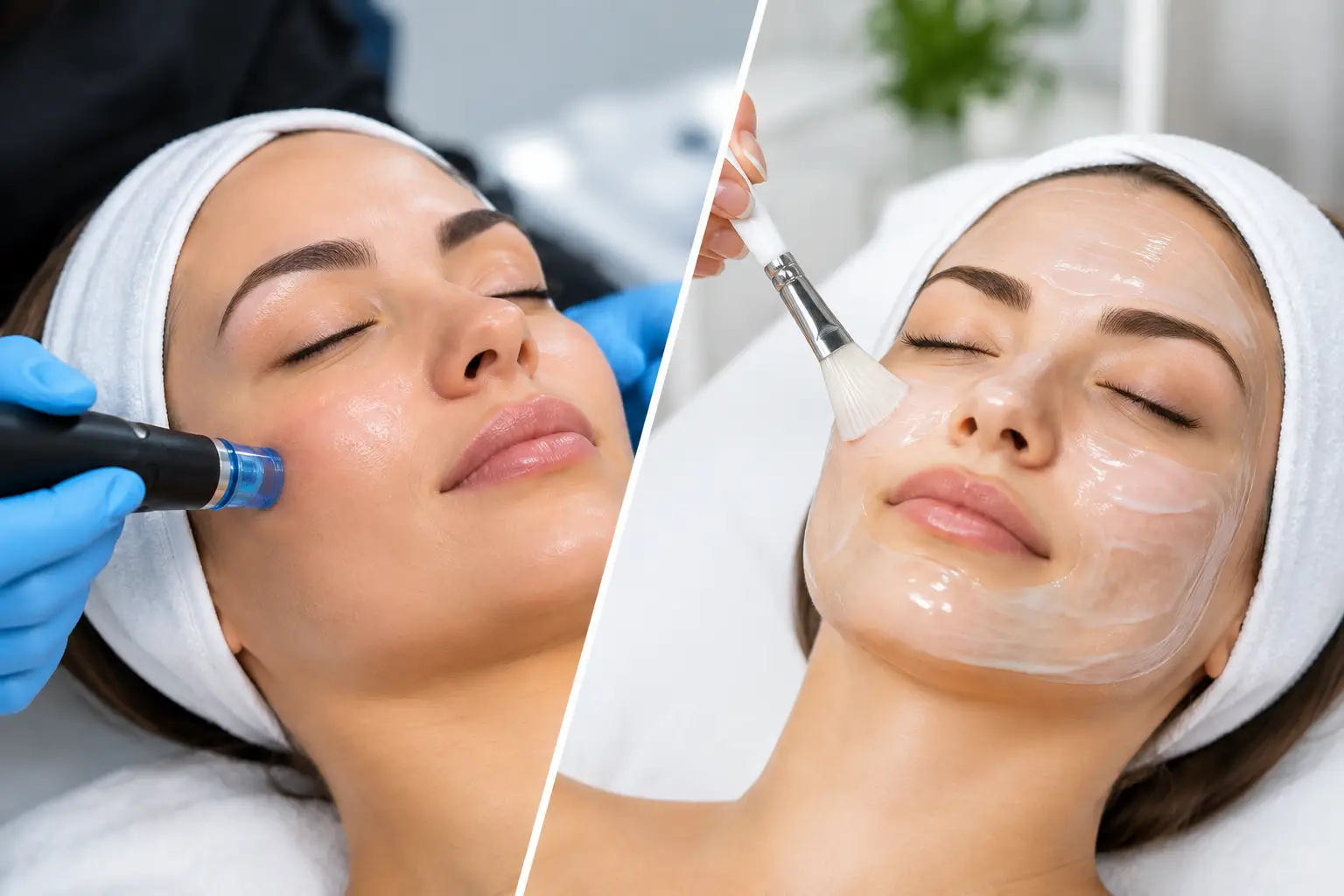
The provider should ask what you would like to improve, but they should not stop there. A strong consultation explores why the concern bothers you, what level of change feels comfortable, and whether injectables are truly the best option. Sometimes a wrinkle-relaxing treatment is ideal. Other times, skin rejuvenation, laser treatment, microneedling, or a combination approach may better support the result you want.
Be cautious if you feel pressured to treat multiple areas immediately, buy more product than you planned, or pursue a trend that does not align with your facial structure. Personalized care includes the ability to say, “Not yet,” “Not needed,” or “Let’s begin conservatively.”
What a Personalized Plan Should Include
Your provider should explain the recommended product or treatment type, the intended placement, the anticipated timeline, likely side effects, cost, and follow-up expectations. You should also understand what the treatment can and cannot accomplish.
For example, Botox can soften dynamic lines caused by repeated muscle movement, but it cannot replace lost volume. Filler can restore support and contour, but it cannot correct every concern related to skin laxity. A thoughtful plan sets realistic expectations from the beginning and may be staged over more than one appointment.
Ask About Products, Sterility, and Emergency Preparedness
Reputable providers use authentic, approved products sourced through authorized channels. Your injector should be able to tell you what is being used, why it is appropriate for the treatment area, and what you can expect afterward. If the price seems unusually low, ask questions. Deep discounts can sometimes reflect diluted products, questionable sourcing, inexperienced treatment, or a rushed approach to care.
A professional setting should feel clean, organized, and medically prepared. Proper sanitation, sterile supplies, detailed documentation, and clear aftercare instructions are basic expectations. You should never feel uncomfortable asking to see the product packaging or asking how it is stored.
For dermal filler in particular, emergency readiness matters. Though serious complications are uncommon, vascular occlusion is a known risk that requires immediate recognition and treatment. A qualified provider should have a clear protocol, appropriate emergency supplies, and the knowledge to respond promptly. This is not meant to create fear. It is simply part of responsible medical aesthetics.
Reviews Are Helpful, but Read Beyond the Star Rating
Patient reviews can reveal how a practice communicates, follows up, and makes people feel. Look beyond a five-star average and read for patterns. Do patients mention that the provider listened carefully, explained options, respected their preferences, and delivered natural-looking results? Do they feel supported after the appointment?
A few isolated negative reviews do not always tell the full story. What matters is how consistently the practice appears to handle concerns and whether feedback suggests a culture of professionalism and respect. Reviews should support your research, not replace a consultation.
Personal referrals can also be valuable, especially from someone whose results you genuinely admire. Still, remember that your anatomy and goals are your own. A treatment plan that worked beautifully for a friend may not be the right plan for you.
Red Flags When You Choose Injectable Providers
Some warning signs are straightforward: treatment offered without a consultation, unclear credentials, pressure to book immediately, or an injector who dismisses questions. Other concerns can be more subtle, such as a provider who promises perfection, guarantees specific results, or treats every face with the same high-volume aesthetic.
Be thoughtful about social media as well. A page filled only with heavily filtered videos, exaggerated lips, or immediate post-injection reveals may not show the full standard of care. Beautiful content is not the same as clinical expertise. Look for communication that balances results with education, safety, and realistic expectations.
If you have had filler before and are unsure what product was used or where it was placed, bring any available records to your consultation. Corrective treatment is possible in many situations, but it requires honesty, patience, and an injector who is willing to assess rather than guess.
The Best Provider Relationship Is Ongoing
Injectable treatment is rarely a one-time decision. Botox results evolve over several months, and filler may be adjusted or maintained over time depending on the product, area, metabolism, and your personal goals. Choosing a provider you can return to allows for greater consistency and a more complete understanding of your facial history.
The right practice will welcome a follow-up assessment when appropriate. They will explain normal swelling, bruising, tenderness, or asymmetry during the settling period, and they will make it clear how to contact the clinic if you have concerns. Feeling cared for after treatment is as meaningful as feeling comfortable during it.
Your face deserves a plan that is thoughtful, medically sound, and true to your features. Take your time, ask the questions that matter, and choose a provider whose work makes you feel more confident in your own reflection, not less like yourself.