
Joseph Ahmadi
Medically reviewed by Dr. Mo Maghaddasi, Medical Director at Clara Med Spa.
Last updated: August 11, 2026
A defined jawline can make the whole face look more refreshed, even when the change is subtle. For many people, fullness under the chin is one of those concerns that feels out of proportion to the rest of the face, which is why double chin reduction treatment has become such a sought-after option in modern aesthetic care.
At Clara Medical Spa in Thornhill, our double chin reduction treatments serve clients from Thornhill, Vaughan, Richmond Hill, and across the GTA, including non-surgical options for a fuller area under the chin.
What makes this area frustrating is that it does not always respond the way clients expect. You can be at a stable weight, eat well, and still notice a pocket of fullness beneath the chin. In other cases, the issue is not only fat. Skin laxity, genetics, posture, and the natural aging process can all play a role. That is why the right treatment starts with a proper assessment, not a one-size-fits-all recommendation.
What causes fullness under the chin?
The term “double chin” sounds simple, but the anatomy behind it is not. In some patients, the main issue is a localized fat deposit beneath the chin. In others, loose skin and reduced collagen support are just as important. Some people also have a naturally softer chin profile or less jawline projection, which can make the area appear heavier even when excess fat is minimal.
Age often adds another layer. As skin loses elasticity, the lower face can start to look less firm and more blurred around the jaw. Weight changes may increase fullness, but genetics can be the deciding factor. That is why two people with a similar appearance in photos may need very different treatment plans.
Double chin reduction treatment is not the same for everyone
A thoughtful double chin reduction treatment plan should match the cause of the concern. If the fullness is mostly fat, treatment may focus on reducing that volume. If the issue is lax skin, tightening may be the priority. If both are present, combining approaches often creates the most natural-looking result.
This is where physician-led planning matters. Treating under-chin fullness without looking at the jawline, skin quality, and overall facial balance can lead to underwhelming results. The best outcomes usually come from treating the area in a way that complements the rest of the face rather than chasing aggressive change.
Common non-surgical treatment options
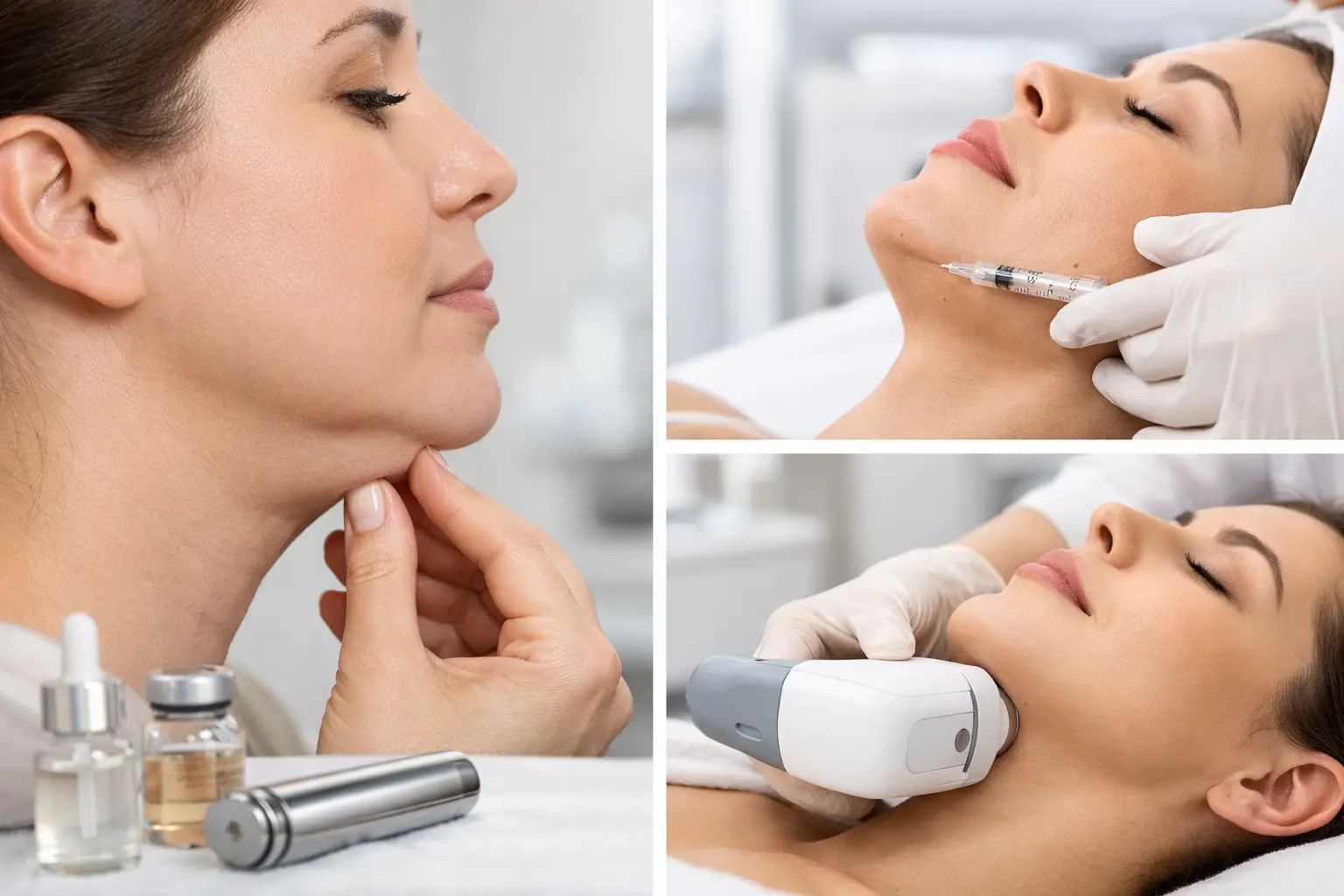
For patients who want improvement without surgery, there are several effective approaches. The right choice depends on how much fullness is present, how firm the skin is, and how quickly the patient wants to see change.
Injectable fat-reduction treatments
One of the best-known non-surgical options uses injectable medication designed to reduce submental fat, which is the fat beneath the chin. This approach can be very effective for patients with a true pocket of fullness in that area and reasonably good skin tone.
The treatment works gradually. Over a series of sessions, the targeted fat cells break down and are cleared by the body. Results do not appear overnight, which can be a benefit for patients who want a more subtle progression. The trade-off is that swelling after treatment is common, and patience is required. Some clients are good candidates for this approach, while others may find that a different contouring method is more practical.
Energy-based skin tightening
When the under-chin area looks soft because of mild to moderate skin laxity, radiofrequency-based tightening can be an excellent option. These treatments focus on stimulating collagen and improving firmness, which helps refine the jawline over time.
This approach is especially appealing for patients who are not dealing with a large amount of fat but do want the area to look tighter and more sculpted. It can also complement fat-reduction treatments. The improvement tends to build gradually, and maintenance may be recommended depending on skin quality and age.
Combination treatment plans
In many cases, the best result comes from combining modalities rather than relying on a single treatment. A patient with both under-chin fat and loose skin may benefit from staged treatment that reduces fullness first and tightens the area afterward. Someone else may need contour support in neighboring areas to make the jawline appear cleaner and more balanced.
At Clara Medical Spa, this kind of personalized planning is central to achieving natural, polished results. It allows treatment to be tailored to the face as a whole, not just the concern in isolation.
Who is a good candidate?
Most good candidates for non-surgical double chin treatment are adults with mild to moderate fullness under the chin who want visible improvement without surgery or extensive downtime. They are usually looking for refinement rather than a dramatic transformation.
Good skin elasticity helps, but it is not the only factor. Some patients with slight laxity still do well, especially with a combined approach. On the other hand, patients with significant skin looseness or heavier fullness may need a more in-depth conversation about what non-surgical treatment can realistically achieve.
This is an area where honest expectations matter. A high-quality consultation should explain not only what is possible, but also where the limits are. The goal is improvement that looks natural, flattering, and worth the investment.
What to expect during consultation and treatment
A proper consultation should begin with an evaluation of the lower face, chin, jawline, and neck. Your provider will look at the amount of fat in the area, skin firmness, facial structure, and how the area moves when you speak or turn your head. This matters because a treatment that looks right in still photos may not be the best choice in motion.
Once the concern is assessed, your provider can recommend a treatment schedule and explain what kind of result is realistic. Some patients need only one type of treatment. Others benefit from a series performed over several weeks or months.
The treatment experience itself depends on the method used. Injectable fat reduction is relatively quick in office, though tenderness and swelling can follow. Energy-based tightening is usually well tolerated, with little interruption to daily routine. Either way, visible improvement tends to build over time rather than immediately.
Downtime, recovery, and results
Recovery is one of the biggest decision points for patients considering double chin reduction treatment. Some options involve noticeable swelling for several days, while others have minimal downtime. That does not necessarily make one option better than another. It simply means the right treatment has to fit your schedule, comfort level, and goals.
Results also vary in timing. If you are looking for a quick refresh before a major event, gradual fat reduction may not be ideal unless you start well in advance. If you are focused on long-term contour improvement, a staged plan can be very rewarding.
It is also worth remembering that jawline refinement is often about millimeters, not dramatic shifts. Small reductions in fullness and small improvements in firmness can make the face look more elegant, rested, and youthful.
How to choose the right provider for double chin reduction treatment
The under-chin area may look small, but it should not be treated casually. This part of the face sits at the intersection of facial balance, skin quality, and profile aesthetics. Experience matters, especially when the goal is a result that looks naturally harmonious instead of overtreated.
Look for a provider who evaluates the full lower face and explains your options clearly. You should understand whether the concern is primarily fat, laxity, or a combination of both. You should also feel comfortable asking how many sessions may be needed, what recovery looks like, and what level of improvement is realistic.
Luxury in aesthetics is not only about the setting. It is about precision, honesty, and a treatment plan designed specifically for you.
Is non-surgical treatment worth it?
For the right patient, yes. A well-chosen treatment can sharpen the profile, soften heaviness beneath the chin, and create a more refined transition from the face to the neck. The change may not look dramatic to everyone else, but patients often notice that they photograph better, feel more confident from the side, and spend less time thinking about angles.
That said, worth depends on fit. If someone expects a surgical-level result from a mild non-surgical treatment, they may be disappointed. If they understand the likely outcome and choose the right plan, the improvement can feel very satisfying.
A double chin does not always require a dramatic solution. Often, it requires a careful eye, the right technology, and a treatment plan built around your anatomy. When those pieces come together, the result is not just a slimmer profile. It is a more confident one.
Explore our double chin reduction in Thornhill and read What Is Belkyra and How It Works.
Frequently Asked Questions
Where can I get double chin reduction in Thornhill?
Clara Medical Spa is located at 1 Promenade Cir in Thornhill, inside the Promenade Shopping Centre, and treats clients from Thornhill, Vaughan, Richmond Hill, and the greater Toronto area.
How much does double chin reduction cost?
Double chin reduction requires a free consultation, where we assess the area and provide a personalized quote.
What are the options for double chin reduction?
Options include injectable treatments and energy-based tightening. The right choice depends on your anatomy and goals.
How many sessions are needed?
This varies by treatment and person. Your provider will outline a plan at your consultation.
Related treatments & reading

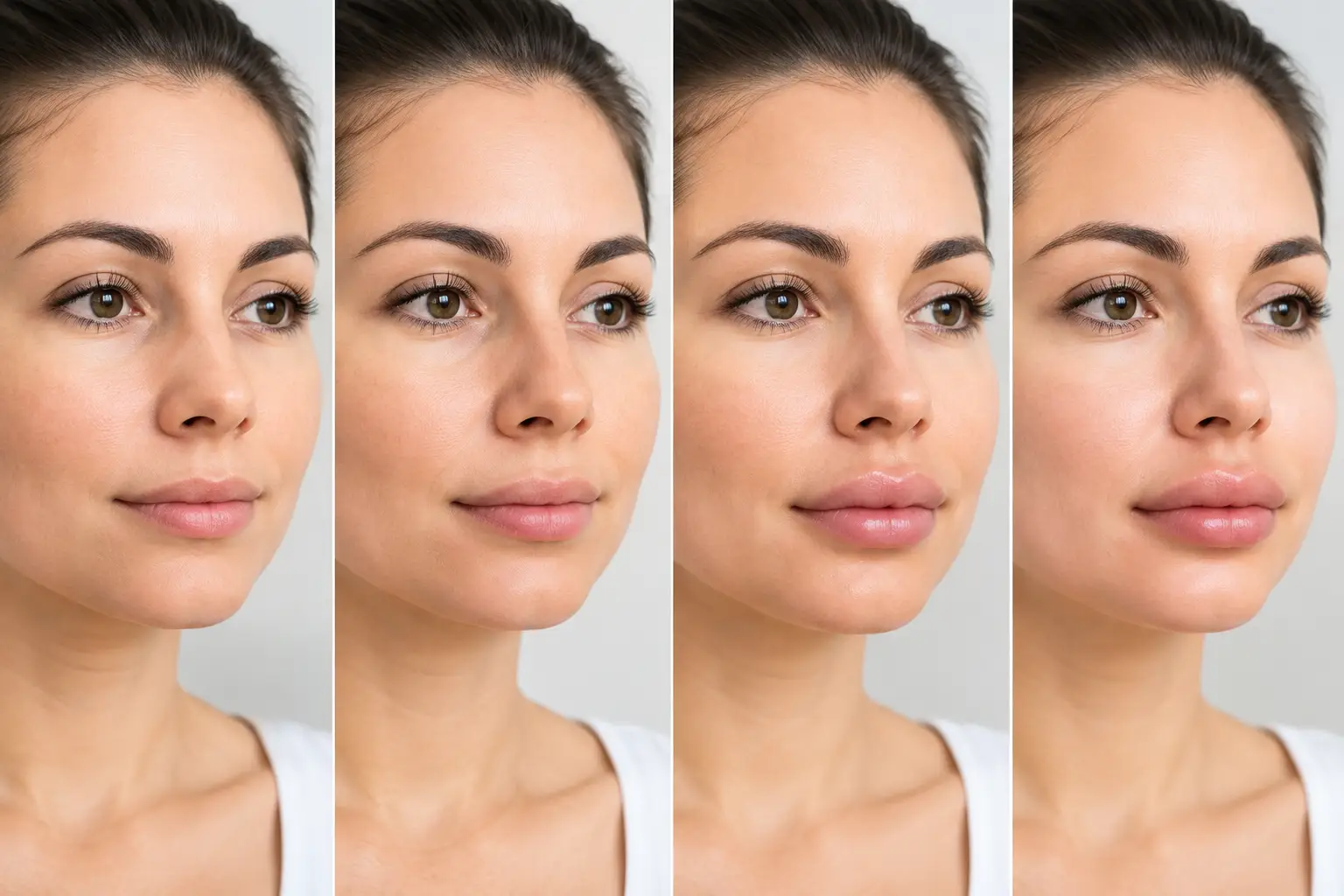
[…] fullness, often called a double chin, can blur an otherwise defined jawline. Injectable fat-reduction treatments or other non-surgical […]